


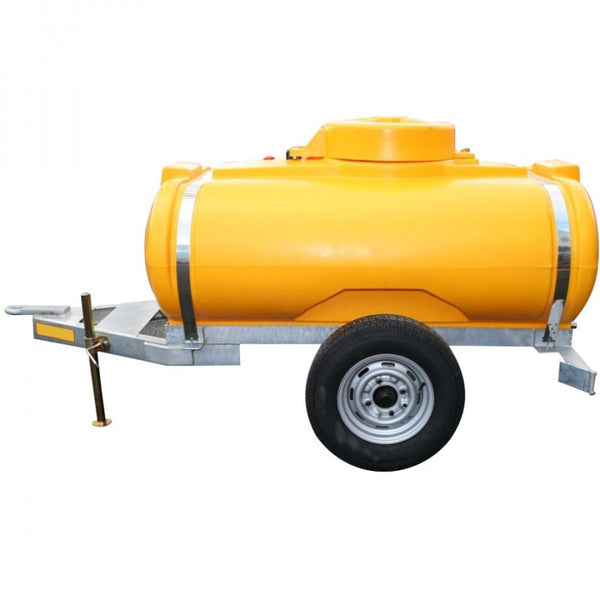
1125 Litre Site Water Bowser
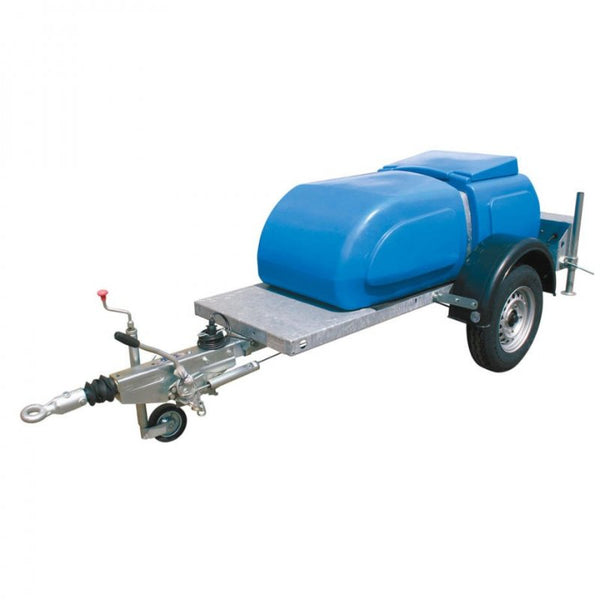
Western Global 500 Litre Highway Water Bowser
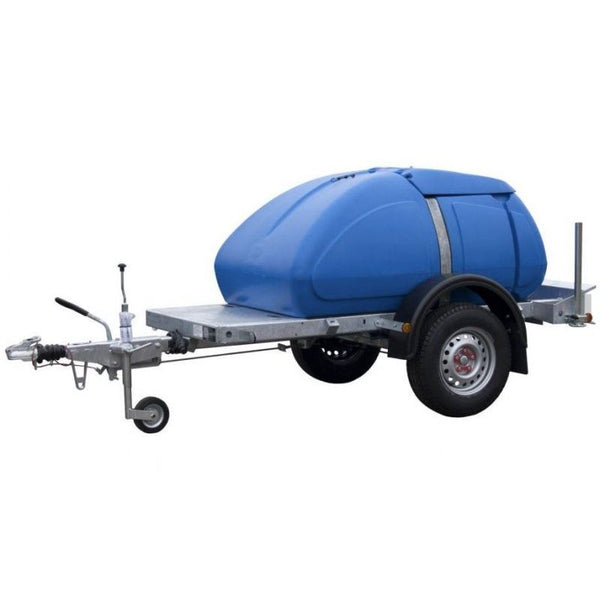
Western Global 1100 Litre Highway Water Bowser
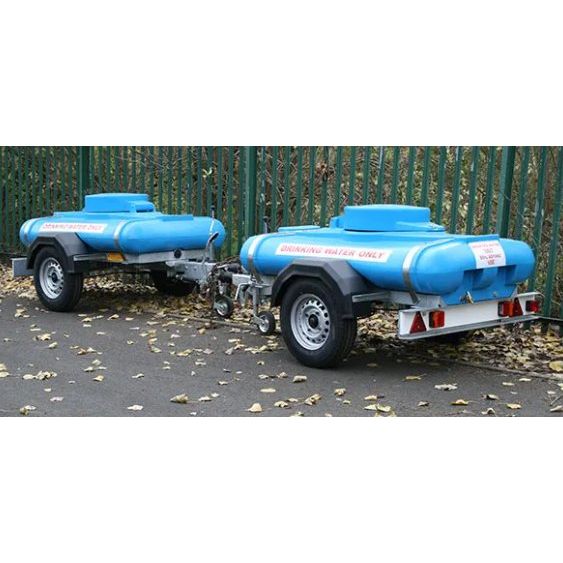
500 Litre Water & Drinking Water Highway Bowser
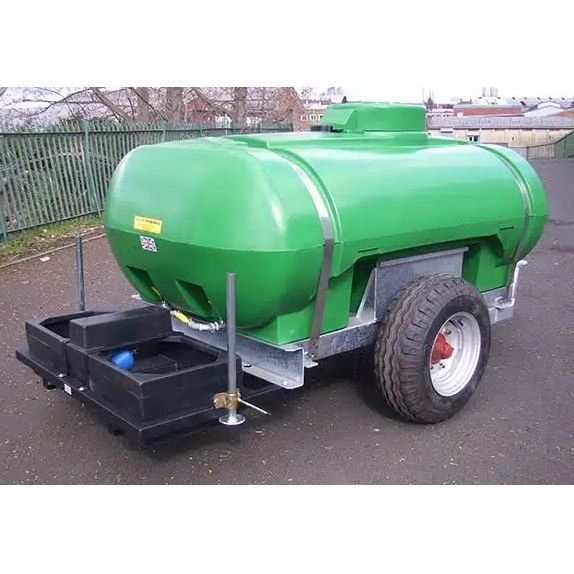
2000 Litre Animal Feeder Site Tow Bowser With Trough
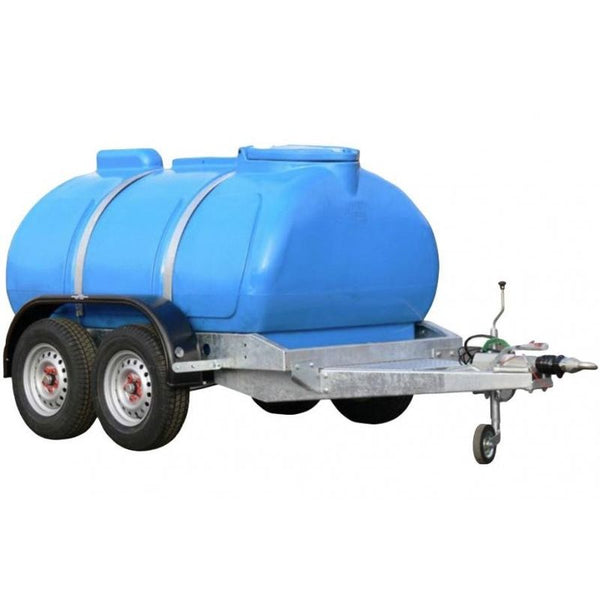
Western Global 2000 Litre Highway Water Bowser
Not sure which tank you need?
Tell us your property, fuel type and typical annual use — one of our experts will spec the right tank for you in 24 hours.
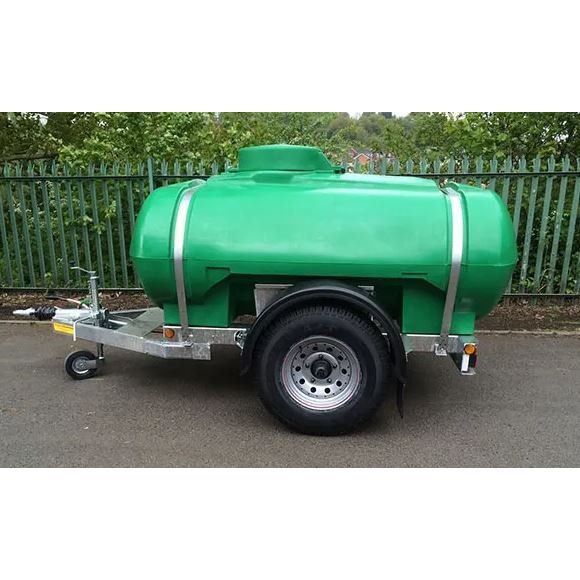
2000 Litre Water EU Highway Bowser
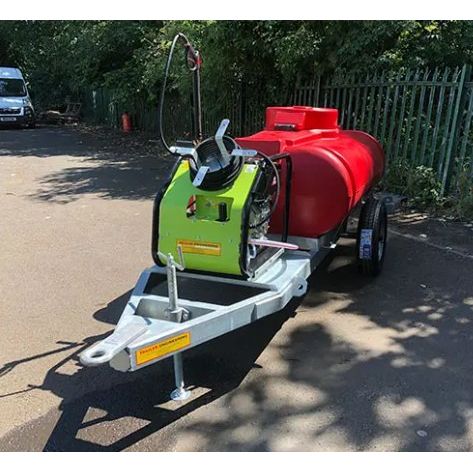
1125 Litre 3000psi Pressure Washer Site Bowser
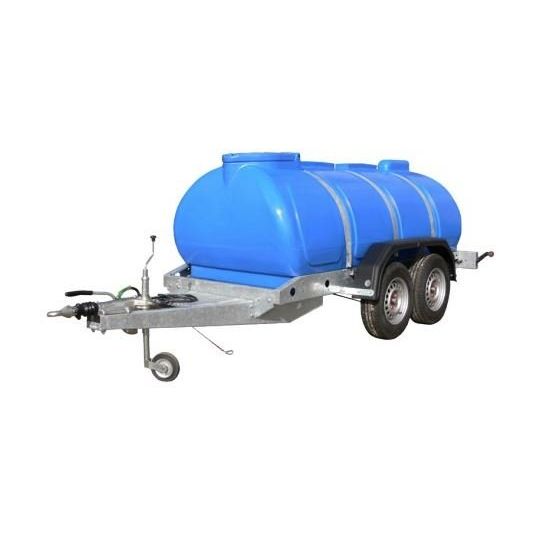
Western Global 2700 Litre Highway Water Bowser
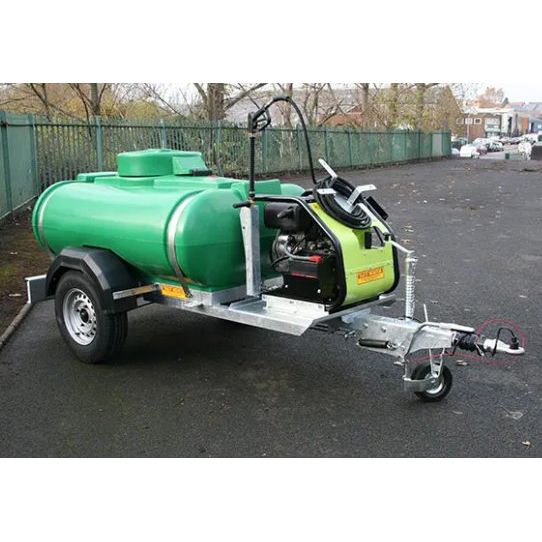
1125 Litre 3000psi Pressure Washer EU Highway Bowser
Talk to a specialist.
Sizing, regulations, installation. Our team has been answering these questions for 28 years.
Choosing the right Water Bowsers
Water Bowsers for animal storage and use to pressure washing systems
Water Bowsers FAQs
Can I tow a water bowser on the road?
Only if it is road-legal — meaning it has the correct chassis, braking, lighting and, where required, type approval. Many bowsers are site-tow only and are not permitted on the public highway.
Check the specification before purchase. Towing a site-tow bowser on the road is an offence and invalidates insurance.
What is baffling and why does it matter?
Baffles are internal partitions that limit the movement of water when the bowser is towed. Without them, a part-full tank surges under braking and cornering and can push the towing vehicle.
Any bowser intended to be towed with a partial load should be baffled — it is a genuine safety feature, not an upgrade.
Can a water bowser be used for drinking water?
Only if it is manufactured and certified for potable use, and has been cleaned and disinfected to the appropriate standard. Bowsers previously used for non-potable duty must not be switched to drinking water.
Potable bowsers should be dedicated to that purpose and kept sealed between uses.
What pump options are available?
Gravity outlets for simple filling, 12V pumps run from the towing vehicle, petrol engine pumps for higher flow away from power, and mains pumps for static installations. Spray bars and lances are common for dust suppression and washdown.
Match flow rate to the task — dust suppression over a large area needs considerably more flow than filling troughs.
How do I stop a bowser freezing in winter?
Drain it fully when not in use, including pumps, hoses and outlet valves where water sits and freezes first. Insulated covers help on static units.
A frozen and expanded outlet valve is the most common winter failure and is usually more expensive to fix than draining would have been to do.
How do I keep the water clean?
Keep it sealed, keep light out to discourage algae, and empty and rinse between uses rather than leaving standing water for weeks. Fit an insect-proof vent.
For livestock use, periodic cleaning matters more than people expect — biofilm in a bowser affects palatability and intake.
- Choosing a selection results in a full page refresh.
- Opens in a new window.

New customer offer
£25
off your first order
Minimum spend £500. One code per customer.
Join our mailing list
We'll email your discount code, plus stock updates and trade offers.
We use your email to send your discount code and marketing emails you've opted into. See our privacy policy for how we handle your data.
You're on the list
Check your inbox — your code is on its way. Add us to your safe senders so it doesn't land in spam.