


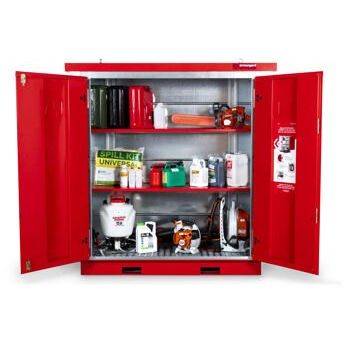
Forma-Stor Shelf - FRS2
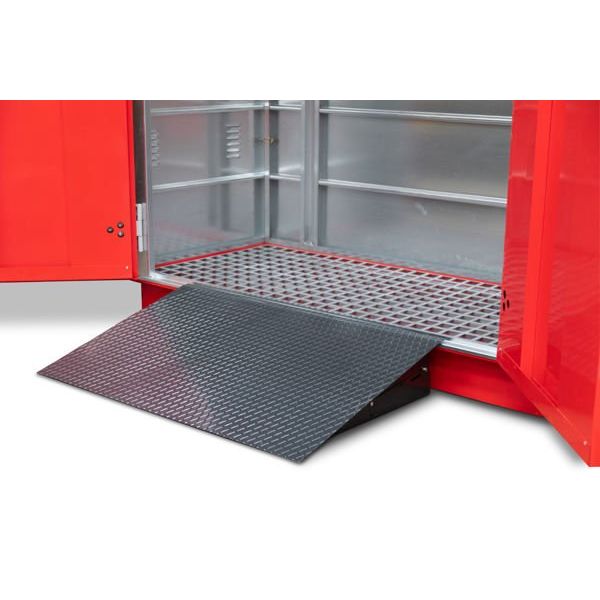
Forma-Stor Ramp - FRR4
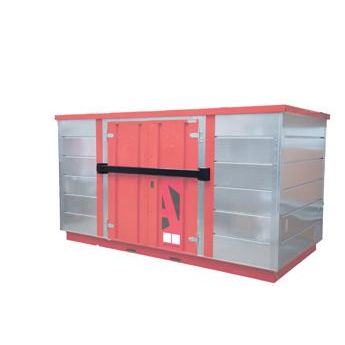
BlokkaBar - FRBL2
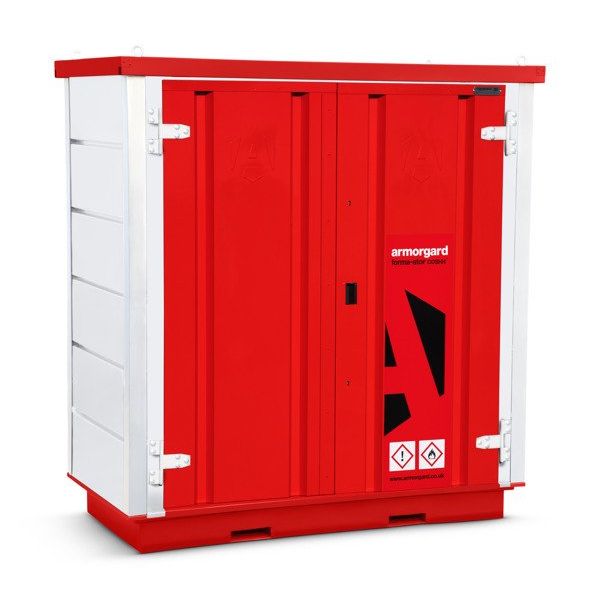
Armorgard Forma-Stor COSSH - FR100
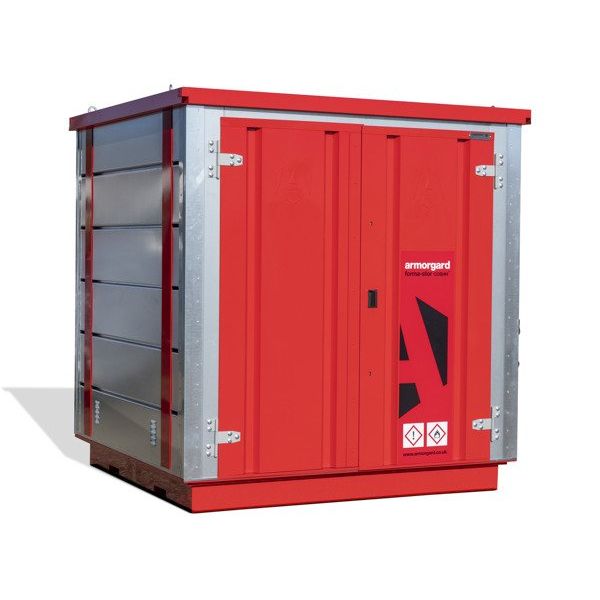
Armorgard Forma-Stor COSSH - FR200-C
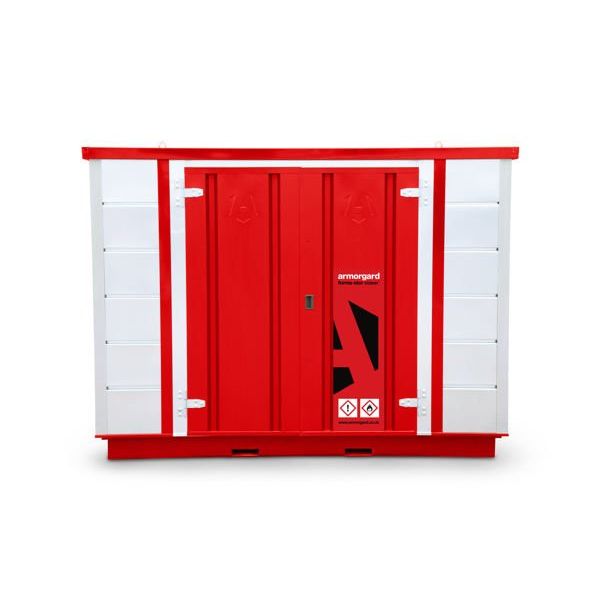
Armorgard Forma-Stor COSSH - FR300-C
Not sure which tank you need?
Tell us your property, fuel type and typical annual use — one of our experts will spec the right tank for you in 24 hours.
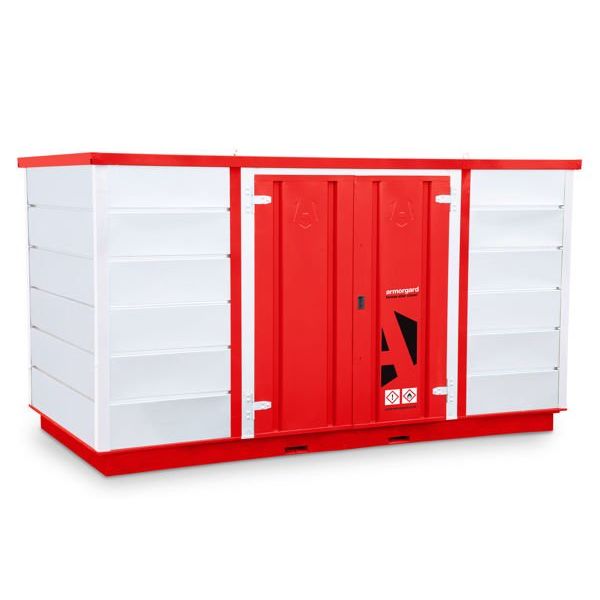
Armorgard Forma-Stor COSSH - FR400-C
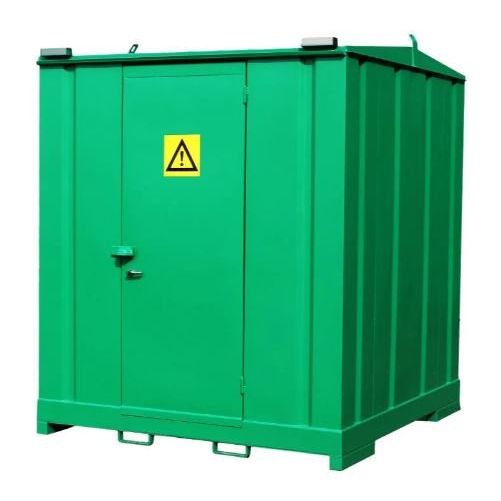
Walk-In Store - CS1
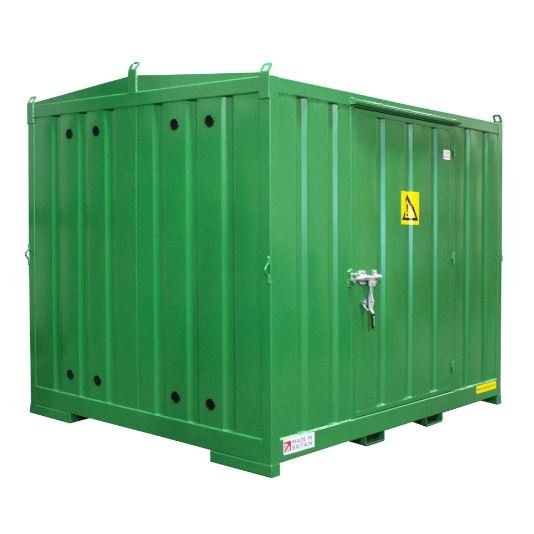
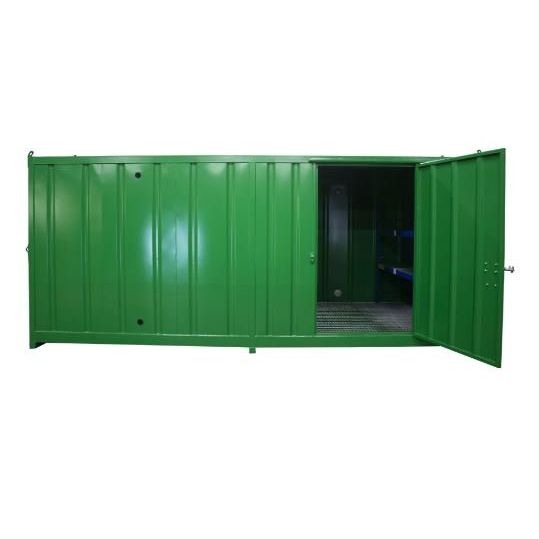
Walk-In Store - CS2
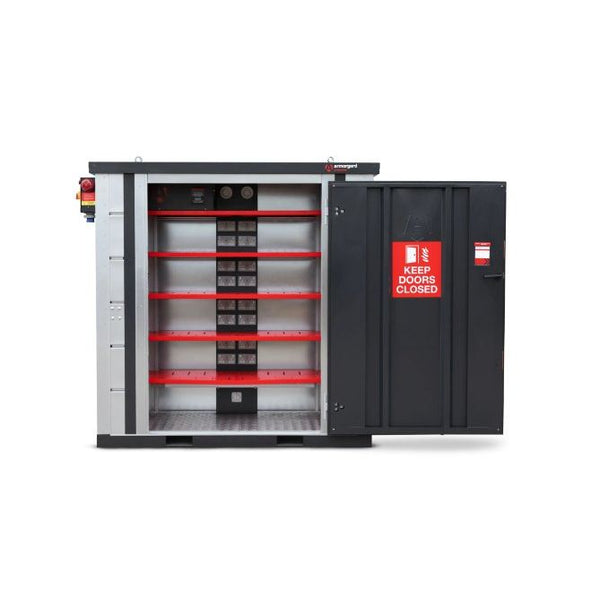
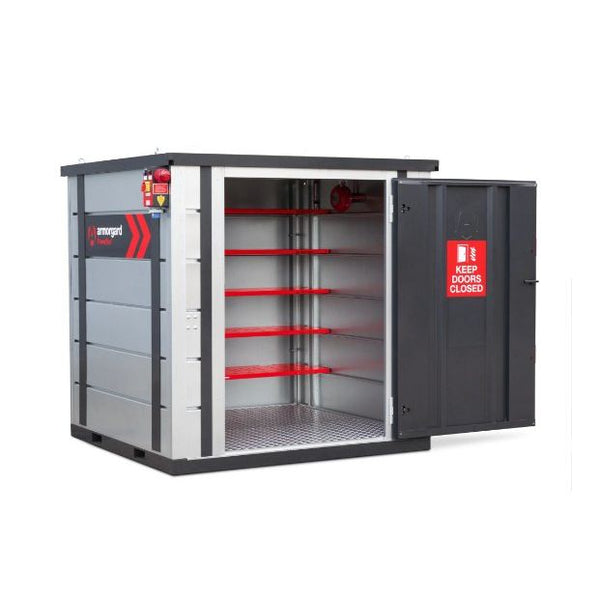
Armorgard Powerstor - PWR1
Talk to a specialist.
Sizing, regulations, installation. Our team has been answering these questions for 28 years.
Choosing the right Walk In Storage
Ideal for contractors needing quick and convenient safe and secure storage on site
Lockable safety storage to allow tools and equipment to be safely left on site
Walk In Storage FAQs
When does a walk-in unit make more sense than cabinets?
When the volume exceeds what cabinets hold sensibly, when items are bulky, or when people need to work inside rather than just retrieve from outside.
Walk-in units also allow internal segregation — separate zones or bunded areas within one secure envelope — which is difficult with individual cabinets.
Can they be moved between sites?
Many are designed for lifting by forklift or crane, and some are collapsible for transport, which suits contractors moving between projects. Check the lifting points and empty weight before assuming.
The unit must be fully emptied before lifting, including anything in a sump.
What security should I expect?
Heavy-gauge construction, anti-jemmy door returns, concealed or protected hinges, and a high-specification lock in a shrouded housing. Provision to anchor the unit to a base matters as much as the lock.
For high-value contents, check whether your insurer specifies an attack-test standard.
Do they need ventilation?
For flammable or volatile contents, yes — permanent high and low level vents providing natural cross-flow. For general equipment storage, ventilation still helps by reducing condensation.
Vents blocked by stacked stock are a common finding and defeat the design entirely.
What base do they need?
Firm and level, capable of carrying the loaded weight without settlement, with vehicle access for stocking. Uneven ground distorts the frame, which then prevents the doors closing and locking properly.
An impermeable base is also worth having under any unit holding liquids, as a second line of defence beneath the sump.
Can hazardous and general stock share one unit?
Only with proper internal segregation and separate containment. Sharing a single sump means a leak from one item can reach another, and mixing flammables with general stock complicates the fire risk assessment.
Where quantities justify it, separate units are simpler than partitioning one.
- Choosing a selection results in a full page refresh.
- Opens in a new window.

New customer offer
£25
off your first order
Minimum spend £500. One code per customer.
Join our mailing list
We'll email your discount code, plus stock updates and trade offers.
We use your email to send your discount code and marketing emails you've opted into. See our privacy policy for how we handle your data.
You're on the list
Check your inbox — your code is on its way. Add us to your safe senders so it doesn't land in spam.