


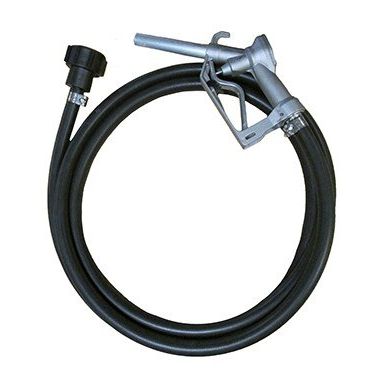
IBC Diesel Gravity Hose Kit
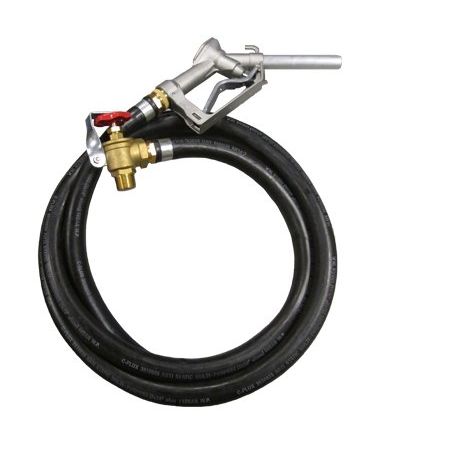
Gravity Hose Kit - 1 Inch
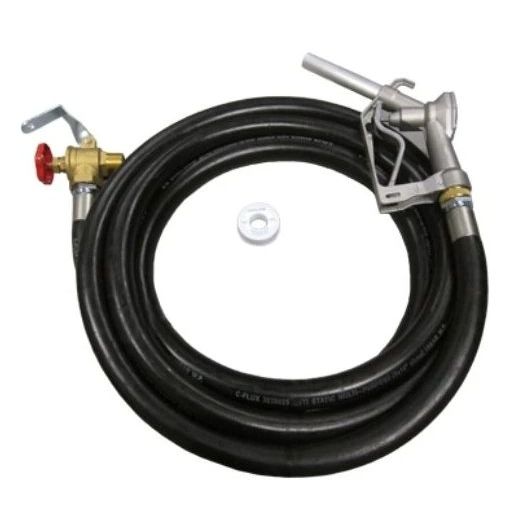
Premium Gravity Hose Kit - 1 Inch
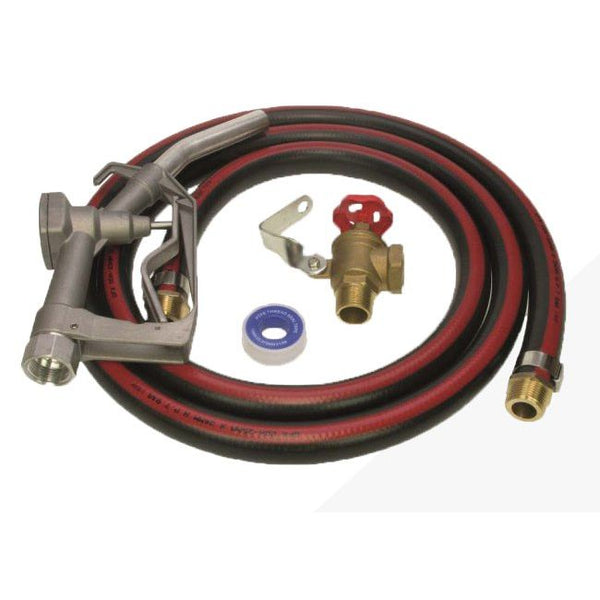
Diesel Gravity Hose Kits
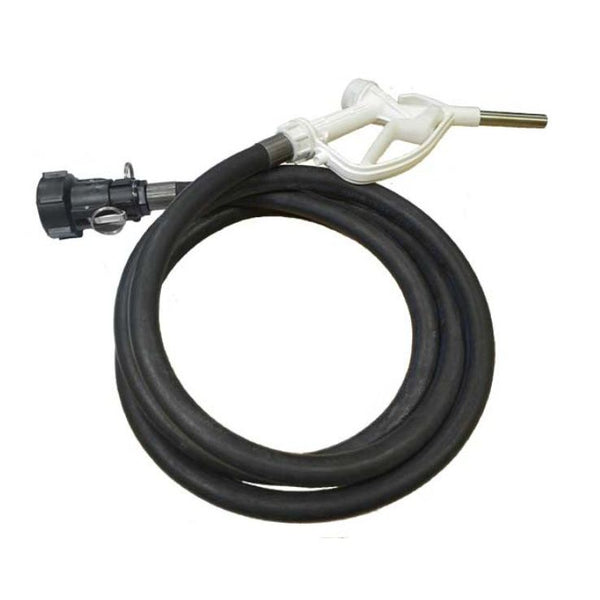
Premium AdBlue Gravity Hose Kit - 3m
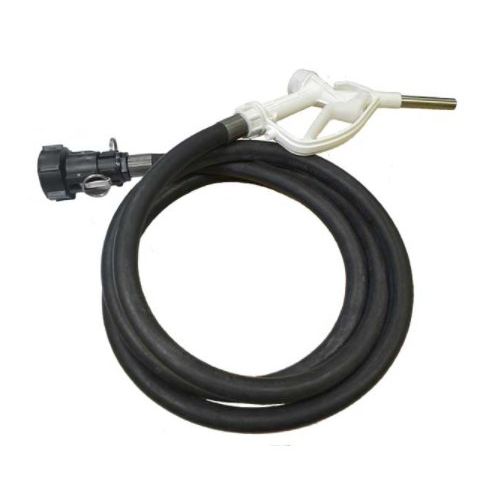
Premium AdBlue Gravity Hose Kit - 4m
Not sure which tank you need?
Tell us your property, fuel type and typical annual use — one of our experts will spec the right tank for you in 24 hours.
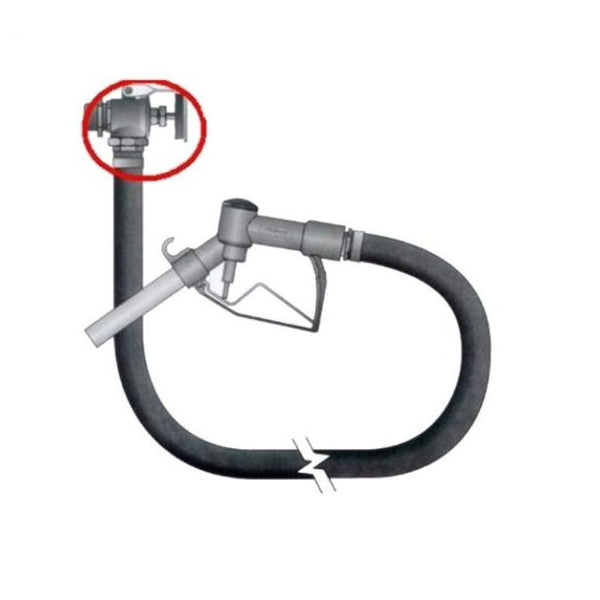
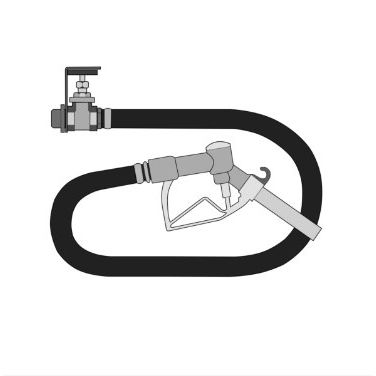
Gravity Dispensing Hose Kit with 90° Gate Valve Connection
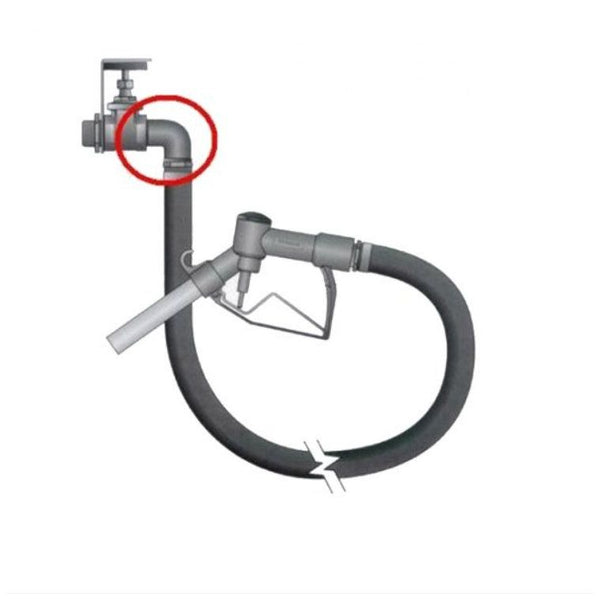
Gravity Dispensing Hose Kit with 90° Drop Elbow Connection
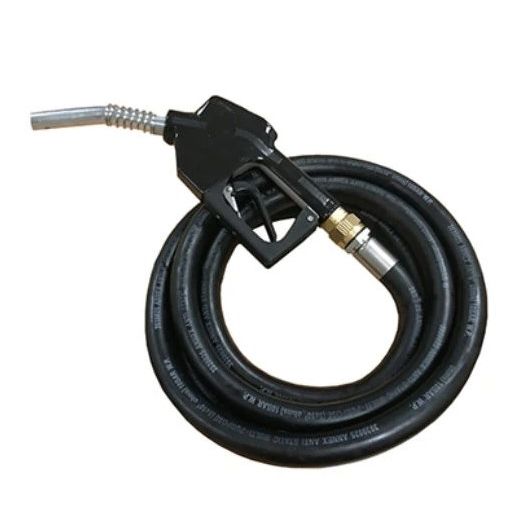
Gravity Dispensing Hose Kit with Straight Connection
Talk to a specialist.
Sizing, regulations, installation. Our team has been answering these questions for 28 years.
Choosing the right Gravity Hose Kits
When you need a reliable and efficient way to transfer diesel fuel, gravity hoses leverage the natural force of gravity to smoothly and safely transfer fuel from one container to another. These hoses eliminate the need for complex pumping mechanisms to provide a simple and dependable solution for transferring diesel efficiently and safely, whether you're managing fuel for agricultural machinery, construction equipment, or industrial operations.
Our gravity hose kits include a dispensing nozzle, a hose and a valve to fit to your fuel tank. They help ensure precise fuel management, minimise spillage risks, and maintain the highest standards of safety and efficiency. You’ll appreciate their durability, with options available in 3, 4, 5 and 6 metre lengths, and in materials to suit different environments and fuel transfer requirements. Look out for gravity hoses with 90-degree drop elbow and gate valve connections. These enable you to easily redirect fuel flow around obstacles, providing secure valve-based flow management, and ensure clean, controlled fuel transfer from storage tanks or between containers.
Gravity Hose Kits FAQs
How does a gravity dispensing kit work?
Fuel flows from the tank outlet under its own head of pressure, with no pump. The tank must be elevated relative to the receiving vessel, and flow rate depends on that height difference and the outlet size.
It is the simplest possible dispensing arrangement, with no power requirement and very little to fail.
How much height do I need?
Enough for a workable flow rate — practically, the tank outlet needs to be comfortably above the fill point of whatever is being filled. Tank stands and raised bases are commonly used to achieve this.
Flow will always be slower than a pumped system, so gravity suits topping up and low-volume dispensing rather than filling large tanks quickly.
What is included in a gravity kit?
Typically a delivery hose, a nozzle or tap, and the fittings to connect to the tank outlet. Some include a filter and an isolating valve at the tank.
An isolating valve at the outlet is worth having regardless — without one, any work on the hose means draining the tank or accepting a spill.
Can I use an automatic nozzle on a gravity feed?
Generally not reliably. Automatic nozzles need a certain flow rate and pressure for the venturi shut-off to work, and gravity systems often fall below it.
A manual nozzle or a lever tap is the appropriate choice, which means dispensing must be supervised throughout.
Is gravity dispensing suitable for AdBlue?
Yes, and it is common at smaller sites. The equipment must still be AdBlue-compatible — stainless steel and appropriate polymers — but the absence of a pump removes one source of contamination and failure.
Gravity kits are a sensible entry point for sites dispensing modest AdBlue volumes.
What are the main drawbacks?
Slow flow, no metering unless one is fitted separately, no automatic shut-off, and the practical requirement to raise the tank. There is also no way to draw the last of the contents below the outlet level.
For any regular or high-volume dispensing, a pumped kit is the better investment.
- Choosing a selection results in a full page refresh.
- Opens in a new window.

New customer offer
£25
off your first order
Minimum spend £500. One code per customer.
Join our mailing list
We'll email your discount code, plus stock updates and trade offers.
We use your email to send your discount code and marketing emails you've opted into. See our privacy policy for how we handle your data.
You're on the list
Check your inbox — your code is on its way. Add us to your safe senders so it doesn't land in spam.