


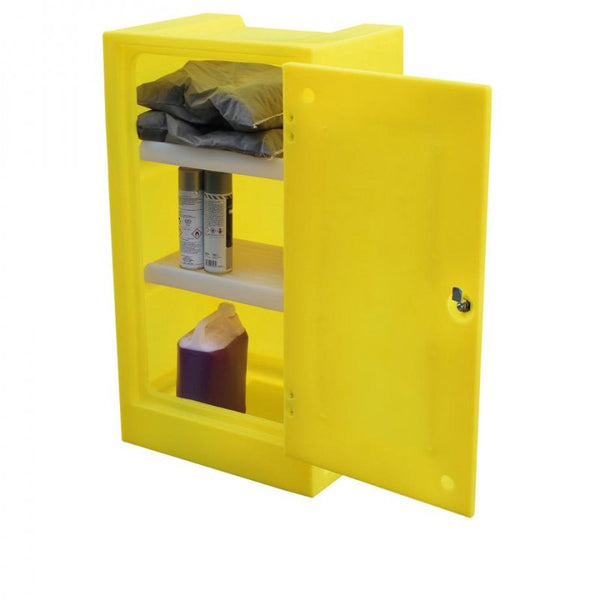
Spill Control Cabinet With 17 Litre Sump
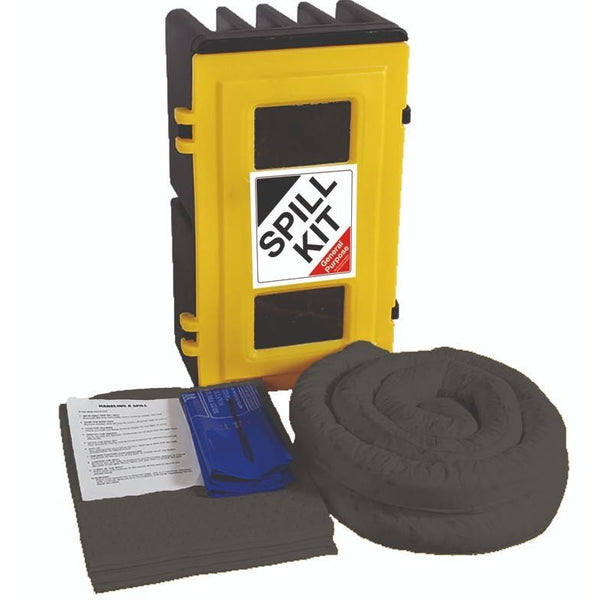
50 Litre General Spill Kit - Wall Cabinet
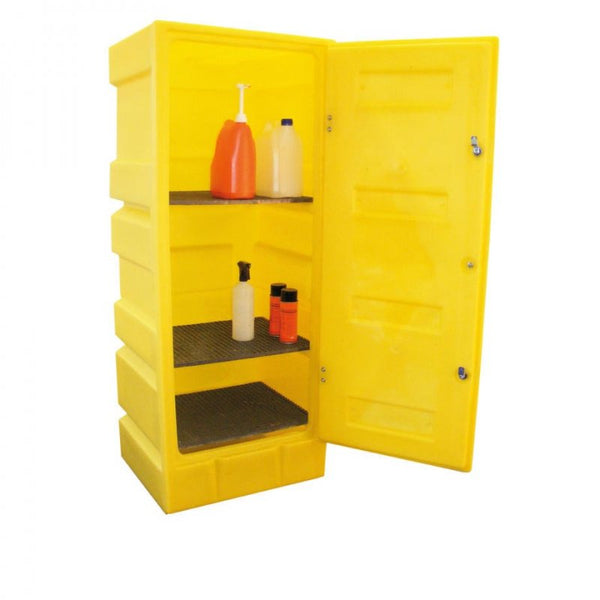
Spill Control Cabinet With 70 Litre Sump
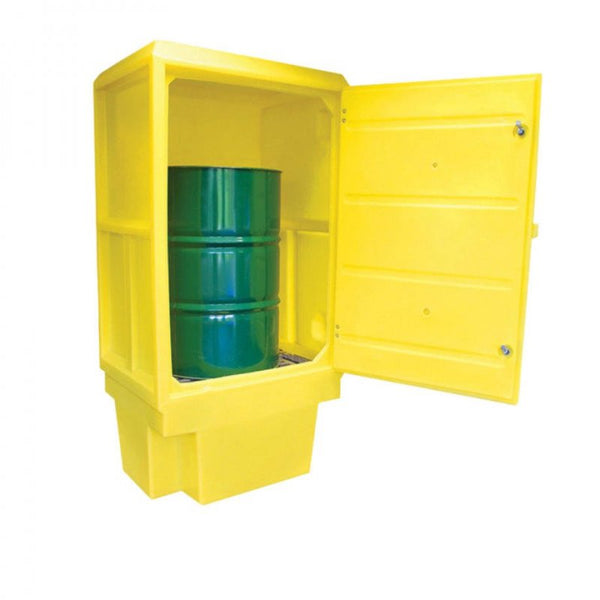
Spill Control Cabinet With 225 Litre Sump
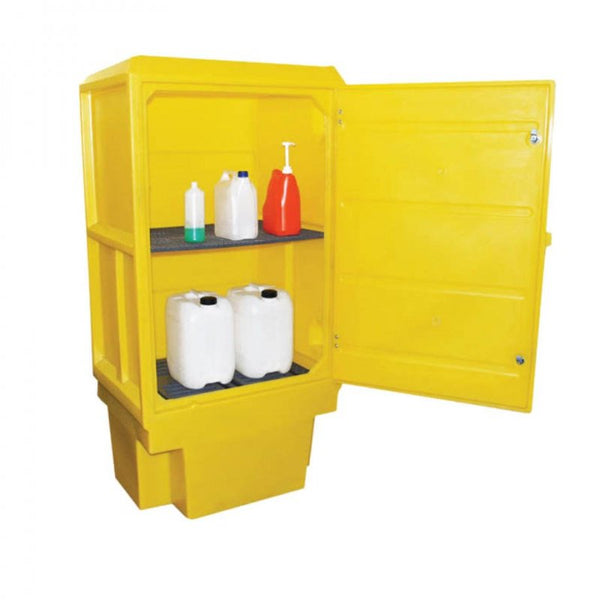
Spill Control Cabinet With 225 Litre Sump
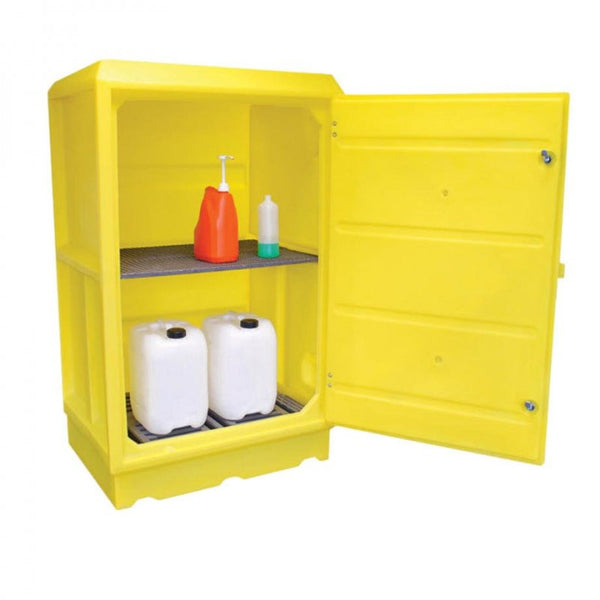
Spill Control Cabinet With 100 Litre Sump
Not sure which tank you need?
Tell us your property, fuel type and typical annual use — one of our experts will spec the right tank for you in 24 hours.
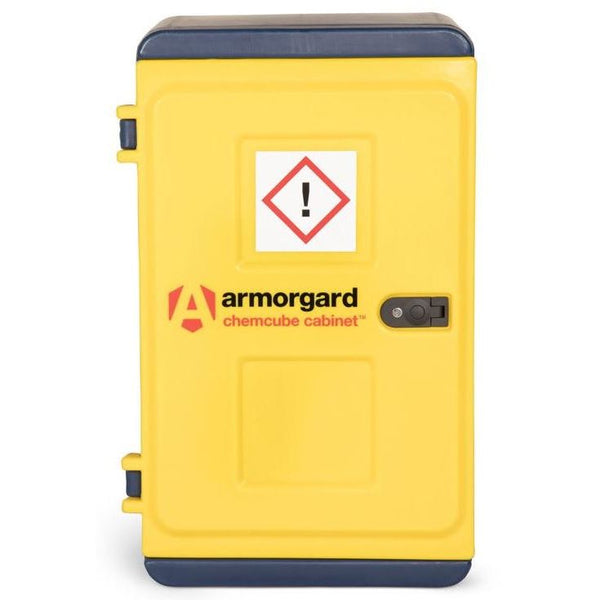
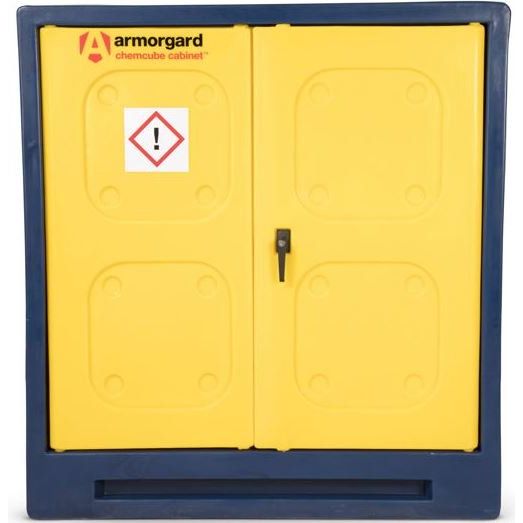
Armorgard Chemcube Cabinet - CCC1
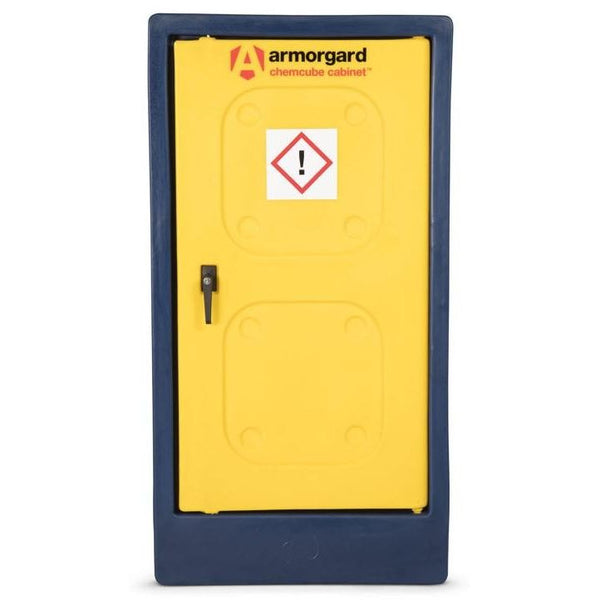
Talk to a specialist.
Sizing, regulations, installation. Our team has been answering these questions for 28 years.
Choosing the right Spill Kit Cabinets
In any workplace where potentially hazardous liquids are present, having your spill response equipment organised and immediately accessible can mean the difference between a quick, effective response and a potentially catastrophic incident. Our spill kit cabinets are precision-engineered to provide secure, visible storage for your emergency response materials, ensuring that when a spill occurs, you can react with speed and confidence.
Available in wall-mounted and freestanding configurations, our cabinets are constructed to withstand industrial environments, with durable materials and thoughtful design that ensures your critical safety equipment remains protected and ready for immediate use. They are designed to house not just spill kits, but also fire extinguishers, hose reels, breathing apparatus, and chemical storage containers, these cabinets offer a comprehensive solution for workplace safety equipment management. They integrate seamlessly with our general spill control and chemical spill control systems, providing a holistic approach to workplace safety.
Spill Kit Cabinets FAQs
Why keep a spill kit in a cabinet?
Three reasons: contents stay dry and clean, the kit is visible and signed so anyone can find it in an incident, and it is far less likely to be raided for general workshop rags.
An open bag of absorbents on a shelf is almost always partially empty by the time it is needed. That is the single most common problem with site spill provision.
Where should cabinets be sited?
Close to the risk, on an escape route or main circulation path rather than tucked in a corner, and accessible at all times including out of hours. Refuelling points, drum stores and delivery bays are the usual locations.
A kit locked in an office that closes at five is no use to a night shift.
Should cabinets be locked?
Generally not, or only with a break-seal or tamper-evident closure. A padlocked cabinet delays response, and in a spill the first two minutes matter more than anything else.
A tamper seal gives you the security benefit — you can see at a glance whether the kit has been opened — without the delay.
Indoor or outdoor cabinets?
Outdoor cabinets need weatherproof seals and UV-stable construction; indoor units can be lighter. Absorbents that have been rained on or gone damp lose much of their capacity.
If the risk is outdoors, the cabinet needs to be outdoors too — siting it inside for weather protection defeats the purpose.
How often should the contents be checked?
Monthly visual checks and a full inventory at least annually. Check quantities against the contents list, look for damp or degraded absorbents, and confirm drain mats are still flexible and sealing.
Record the check. In an incident investigation, a maintained inspection log is worth a great deal.
What should be in the cabinet besides absorbents?
Disposal bags and ties, gloves and eye protection, a drain cover or sealing mat, and a laminated contents list and response procedure. Some sites add a spill report form so the incident is recorded while it is fresh.
Keeping PPE with the kit matters — people will otherwise start the clean-up without it.
- Choosing a selection results in a full page refresh.
- Opens in a new window.

New customer offer
£25
off your first order
Minimum spend £500. One code per customer.
Join our mailing list
We'll email your discount code, plus stock updates and trade offers.
We use your email to send your discount code and marketing emails you've opted into. See our privacy policy for how we handle your data.
You're on the list
Check your inbox — your code is on its way. Add us to your safe senders so it doesn't land in spam.