


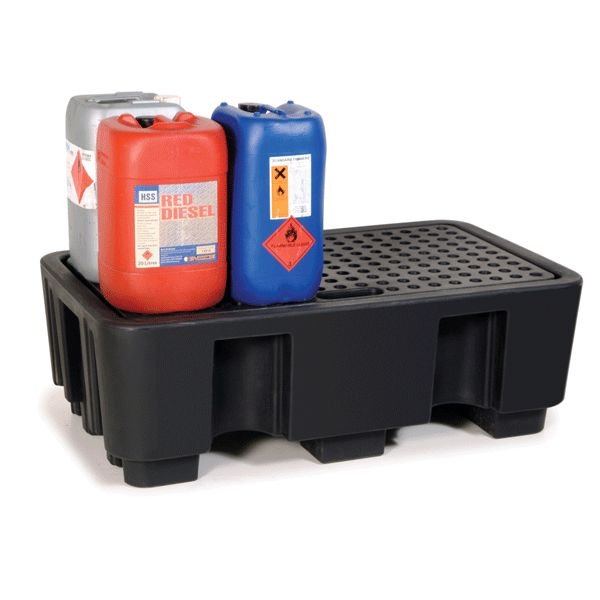
Armorgard DrumBank Pallet DBP2
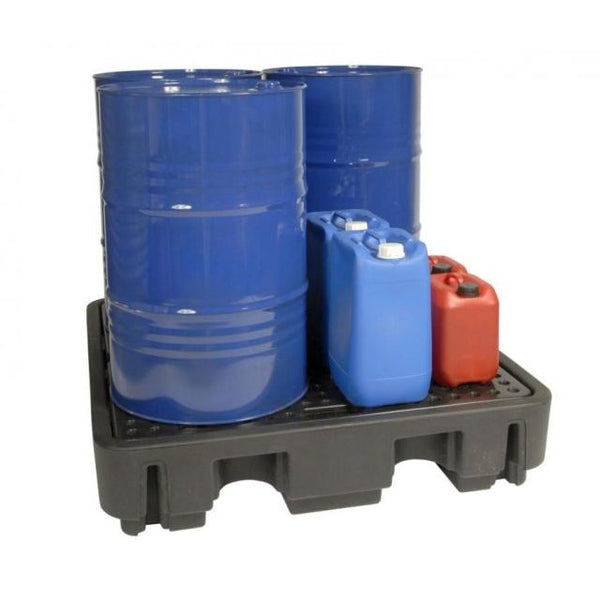
Armorgard DrumBank Pallet DBP4
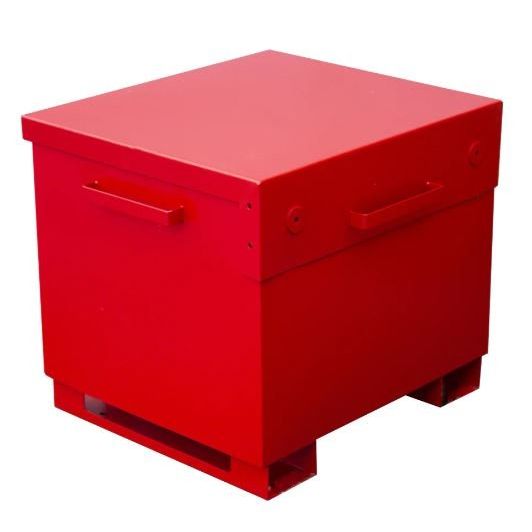
Steel Chemstor Box - CS7
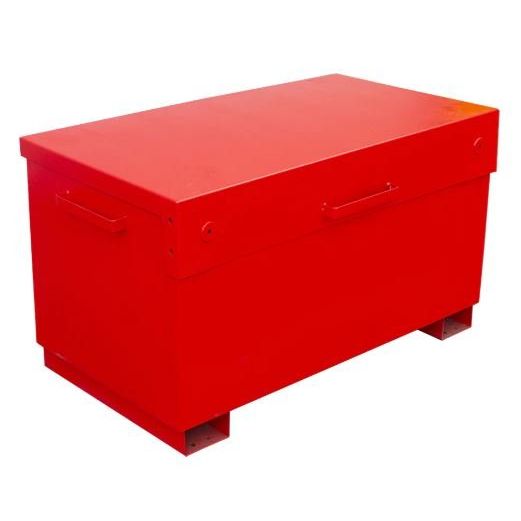
Steel Chemstor Box - CS8
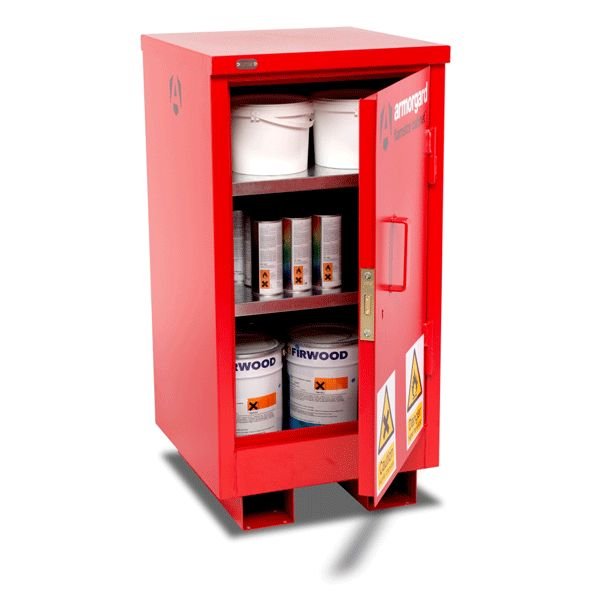
Armorgard FlamStor Cabinet FSC1 Secure Flammables Storage
Price on application
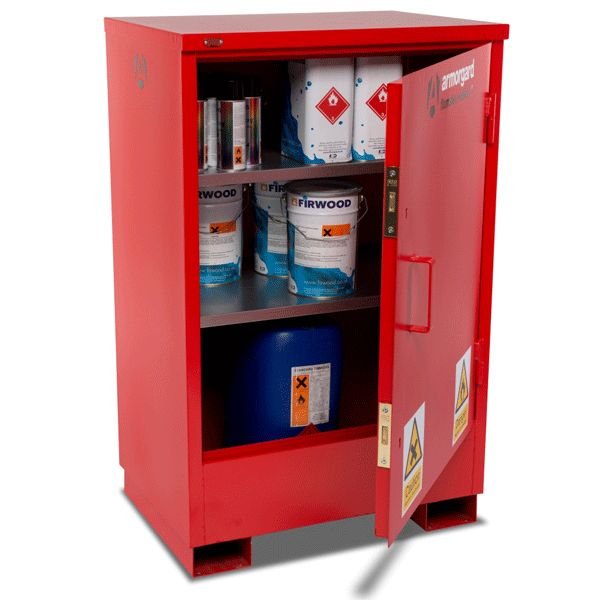
Armorgard FlamStor Cabinet FSC2 Secure Flammables Storage
Price on application
Not sure which tank you need?
Tell us your property, fuel type and typical annual use — one of our experts will spec the right tank for you in 24 hours.
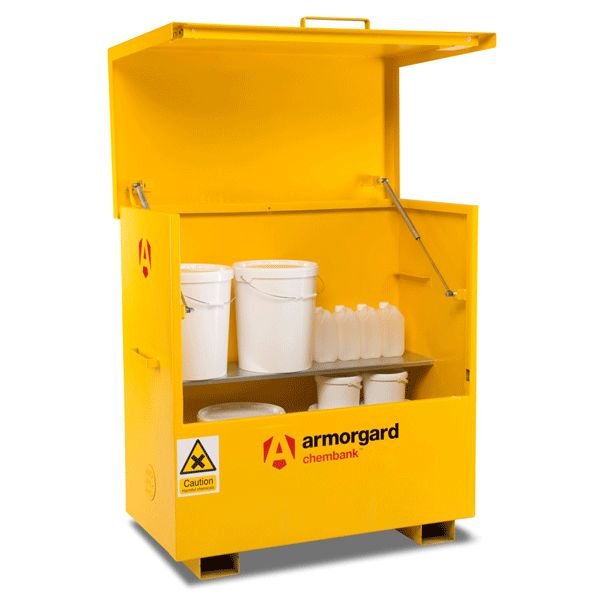
Armorgard ChemBank CBC4 Chemical Storage Site Chest
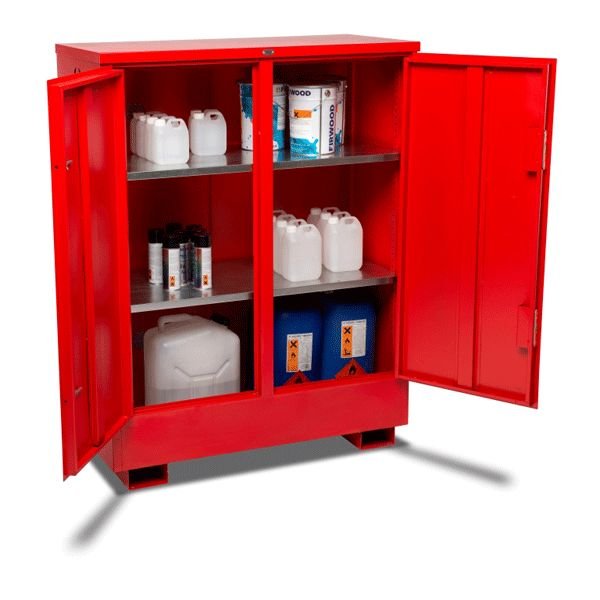
Armorgard FlamStor Cabinet FSC3 Secure Flammables Storage
Price on application
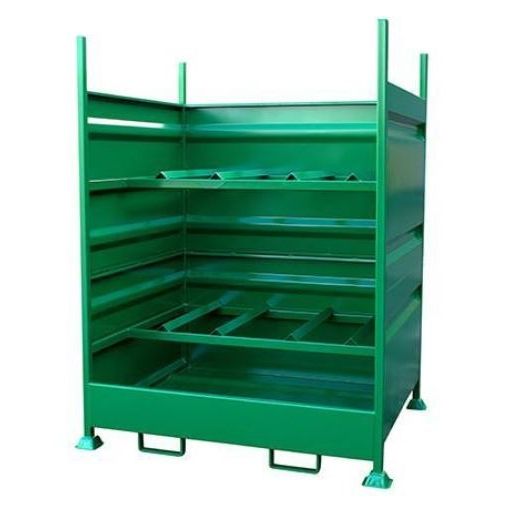
Horizontal Drum Stand - HD4
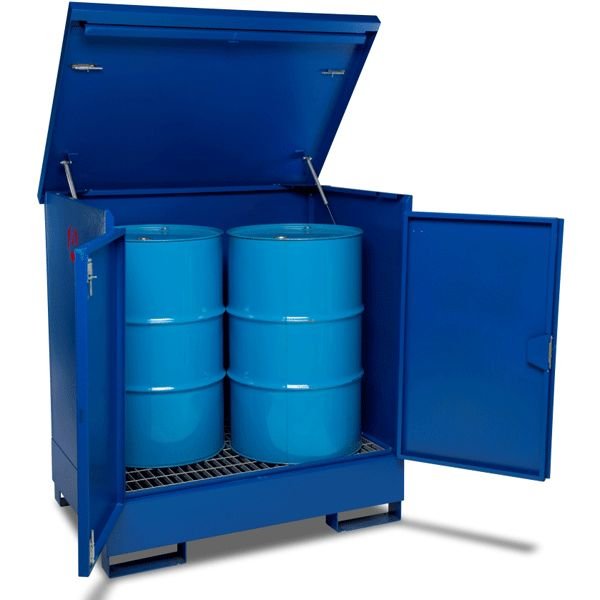
Armorgard DrumBank DB2 Enclosed Drum Storage
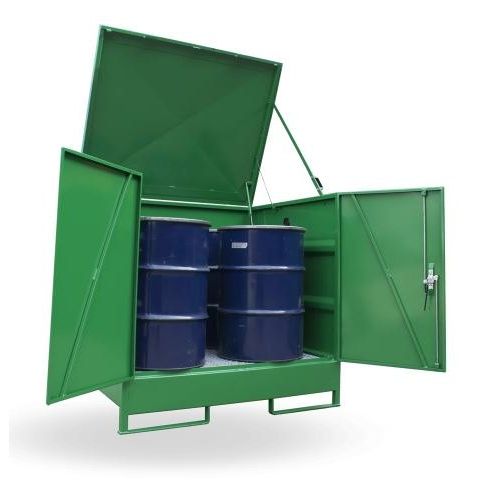
Vertical Bunded Store - VD4D
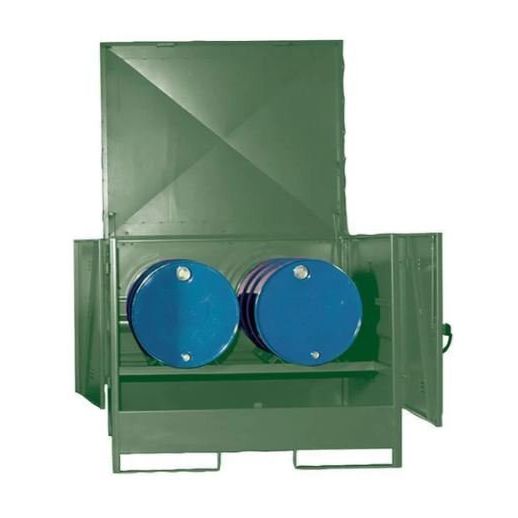
2 Drum Horizontal Bunded Store - HD2D
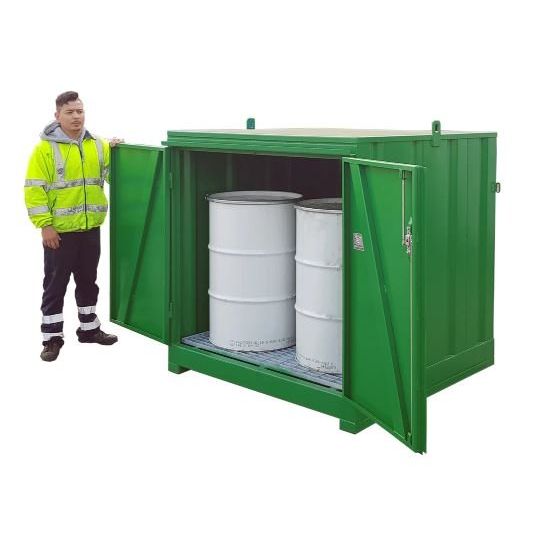
4 Drum Store - DS1P
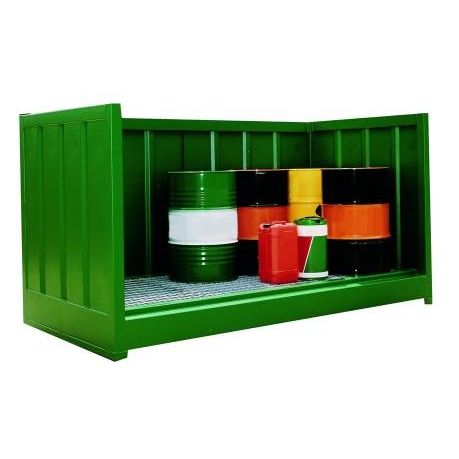
Indoor Bunded Store - IS8B
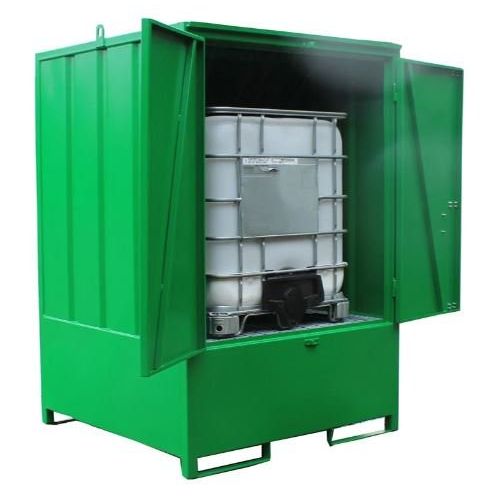
Drum & IBC Storage - DPU4-1
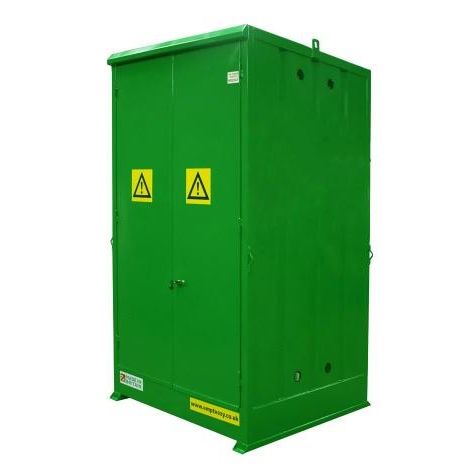
Bunded Store - DS2P
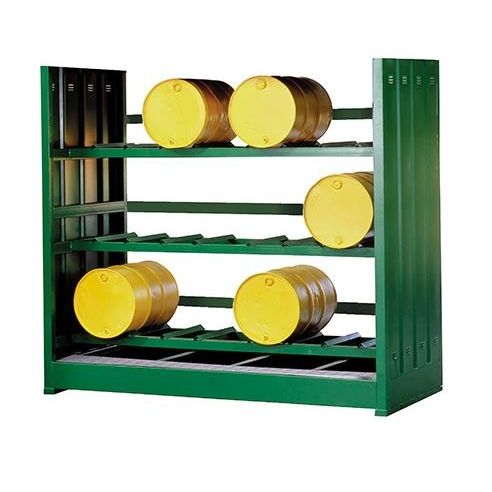
Indoor Bunded Store - IS12H
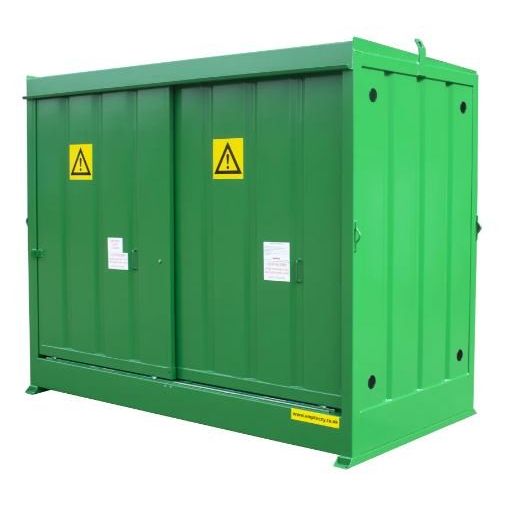
Drum & IBC Store - DPU8-2
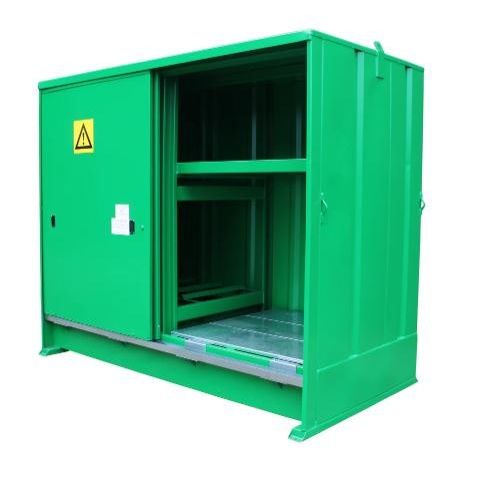
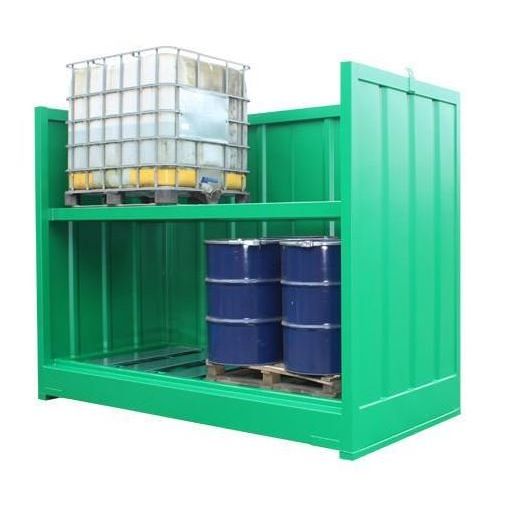
Talk to a specialist.
Sizing, regulations, installation. Our team has been answering these questions for 28 years.
Choosing the right Hazardous Goods Storage
Fuel Tank Shop offers a wide range of secure hazardous goods storage solutions specifically designed for flammable liquids, chemicals, and other hazardous materials. From compact cabinets ideal for smaller quantities to spacious walk-in stores for larger volumes, we have a solution to fit your specific requirements. These units are constructed with the utmost safety in mind. Double-walled steel construction provides exceptional fire resistance, protecting your surroundings in case of an accident. Spill containment features like bunded bases and sump trays help prevent leaks and environmental contamination. Additionally, all units boast secure locking mechanisms, ensuring unauthorised access is deterred.
Many of our hazardous goods storage solutions are COSHH compliant, guaranteeing adherence to Control of Substances Hazardous to Health regulations. This provides peace of mind knowing you're not only protecting your assets but also complying with essential safety standards. Furthermore, several units boast additional safety features like ventilation systems and explosion vents, ideal for storing particularly volatile materials
**** CONTACT US FOR BULK PRICING ****
Hazardous Goods Storage FAQs
What counts as hazardous goods for storage purposes?
Anything classified under CLP as flammable, toxic, corrosive, oxidising or harmful to the environment — which covers fuels, solvents, paints, adhesives, acids, alkalis, pesticides and many workshop chemicals.
Your safety data sheets identify the classification for each substance, and those classifications drive both the storage requirements and the separation distances between incompatible materials.
Do flammable liquids need a special cabinet?
Yes. Flammable liquids should be stored in a purpose-built cabinet with a sumped base to contain leaks, secure closure, and construction that resists fire for a defined period. Storing solvents in a standard tool cabinet is a common and serious failing.
Quantities kept in the workroom should be the minimum needed for the task, with bulk stock held in a separate store.
How far should a hazardous store be from a building?
Separation distances depend on the substances, quantities and the construction of both the store and the building. For flammable liquid stores, guidance commonly starts at four metres from occupied buildings and boundaries, reducing where fire-rated construction is used.
Your fire risk assessment should determine the actual distance for your site, and the local fire authority can advise on specific cases.
Can incompatible chemicals be stored in the same cabinet?
No. Acids and alkalis, oxidisers and flammables, and cyanides and acids must be segregated — mixing in a spill or fire can produce violent reactions or toxic gases.
Segregation can be achieved with separate cabinets, or with internal partitioning and individual sumps in a larger store. Sharing a single sump means a leak from one container can reach another.
What ventilation does a chemical store need?
Flammable and volatile substance stores need ventilation sufficient to prevent vapour accumulating to hazardous concentrations, usually through high and low level vents providing natural cross-flow.
Sealed cabinets used for spill containment are not ventilated by design, so they suit corrosives and non-volatile materials better than solvents. Match the cabinet type to the substance.
Do hazardous stores need to be lockable and signed?
Yes on both counts. Stores should be secured against unauthorised access and casual tampering, and marked with the appropriate hazard diamonds so anyone approaching — including the fire service — knows what is inside.
An inventory kept outside the store, not inside it, is good practice for the same reason.
- Choosing a selection results in a full page refresh.
- Opens in a new window.

New customer offer
£25
off your first order
Minimum spend £500. One code per customer.
Join our mailing list
We'll email your discount code, plus stock updates and trade offers.
We use your email to send your discount code and marketing emails you've opted into. See our privacy policy for how we handle your data.
You're on the list
Check your inbox — your code is on its way. Add us to your safe senders so it doesn't land in spam.