


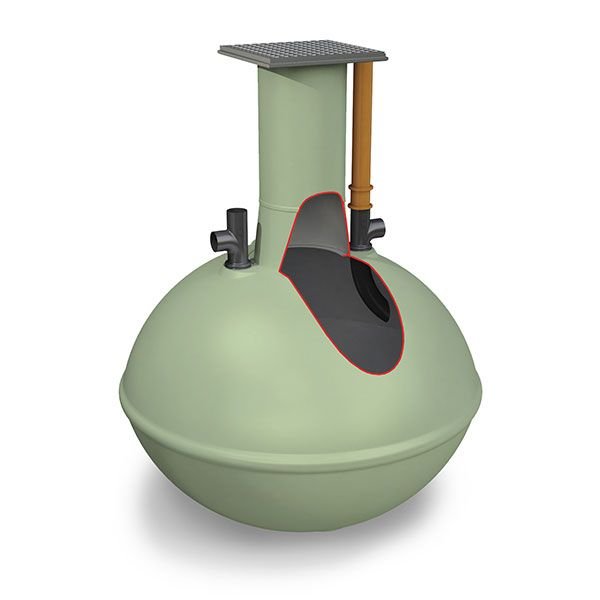
Clearwater 3800 Litre Septic Tank
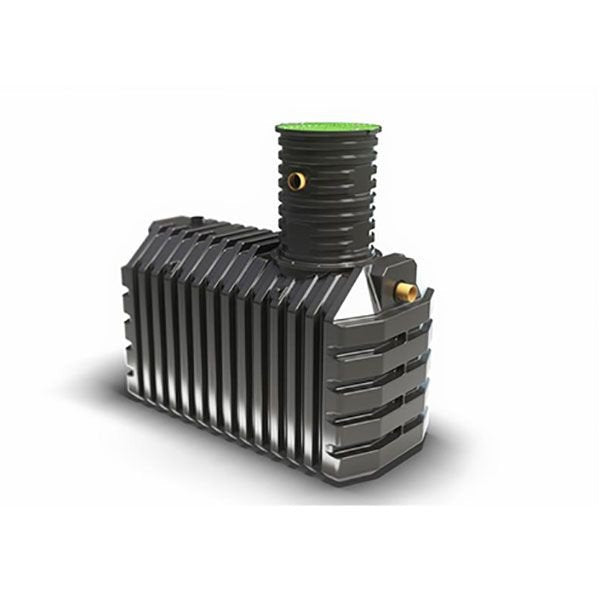
Klargester Gamma 2800 Litre Septic Tank - Single Stage
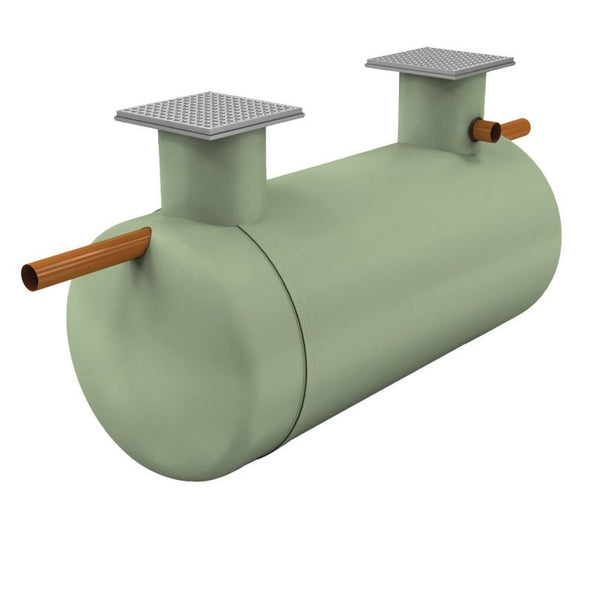
Clearwater 2800 Litre Shallow Dig Septic Tank
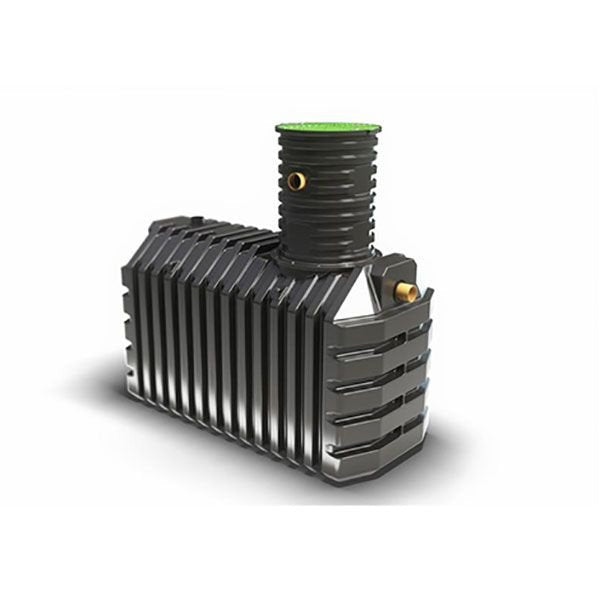
Klargester Gamma 2800 Litre Septic Tank - Twin Stage
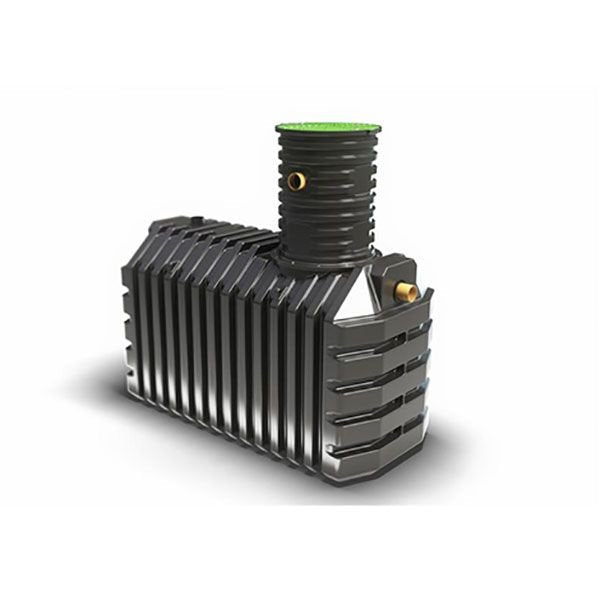
Klargester Gamma 3500 Litre Septic Tank - Single Stage
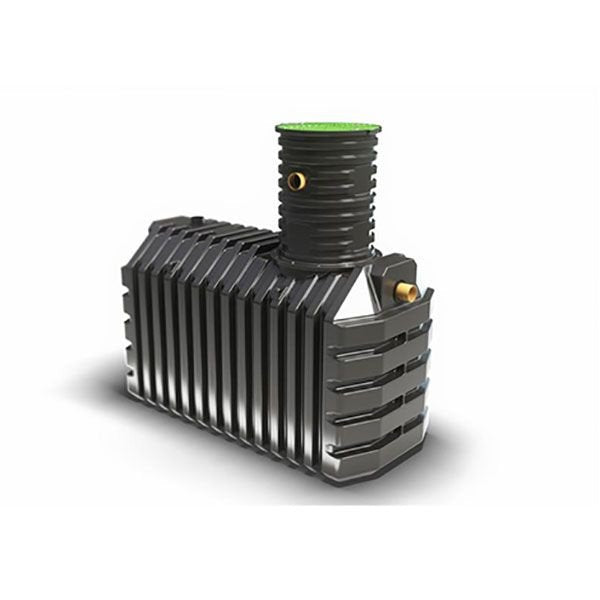
Klargester Gamma 3500 Litre Septic Tank - Twin Stage
Not sure which tank you need?
Tell us your property, fuel type and typical annual use — one of our experts will spec the right tank for you in 24 hours.
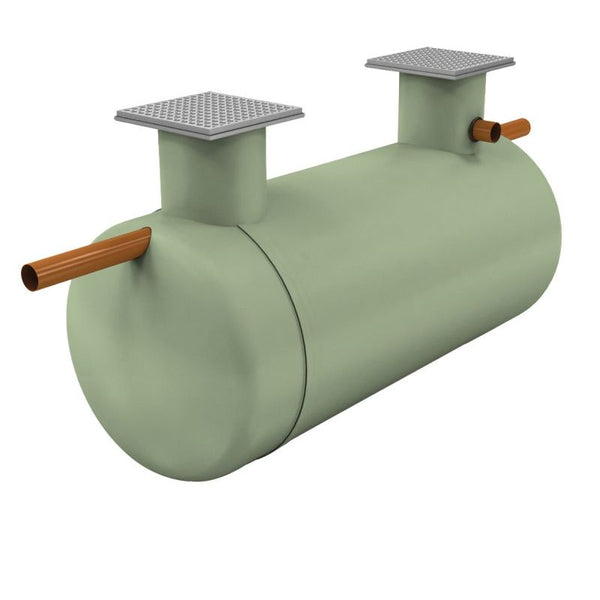
Clearwater 3800 Litre Shallow Dig Septic Tank

Klargester Gamma 4000 Litre Septic Tank - Single Stage
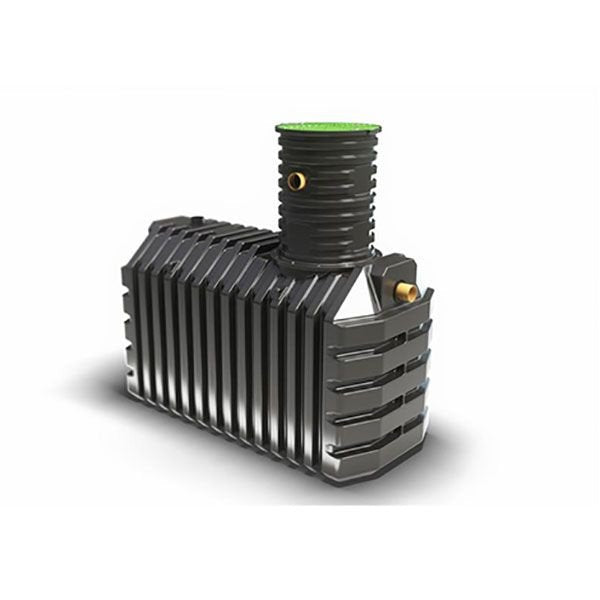
Klargester Gamma 4000 Litre Septic Tank - Twin Stage
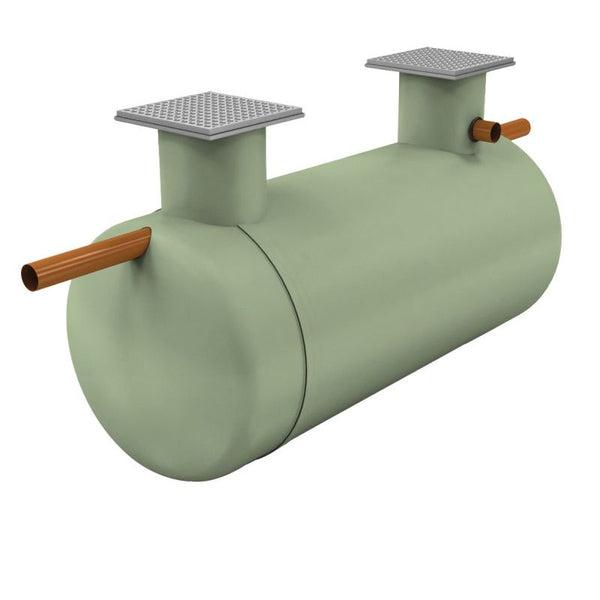
Clearwater 5700 Litre Shallow Dig Septic Tank
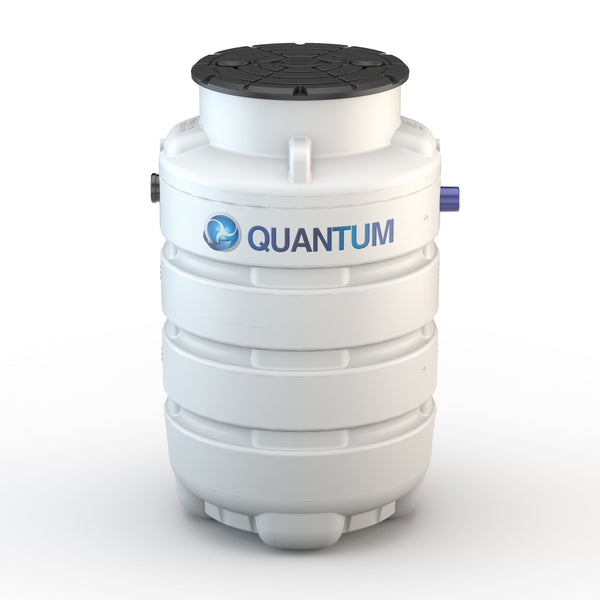
WTE QUANTUM 6-Person Sewage Treatment Plant

Clearwater 4800 Litre Shallow Dig Septic Tank
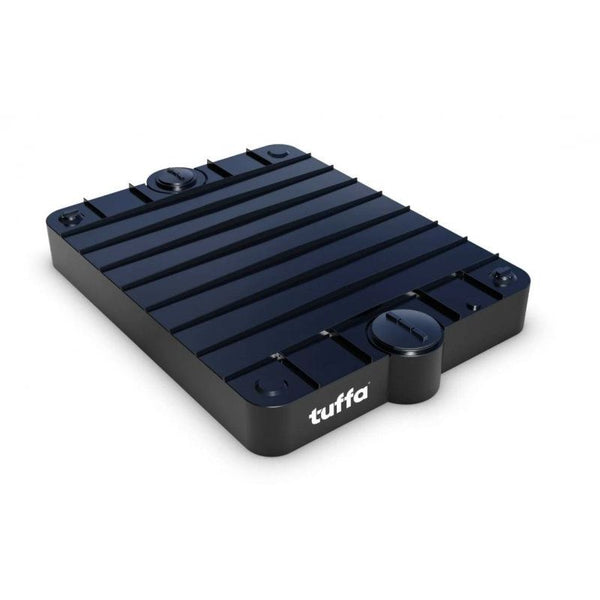
2300 Litre Effluent / Waste Water Tank - Above Ground
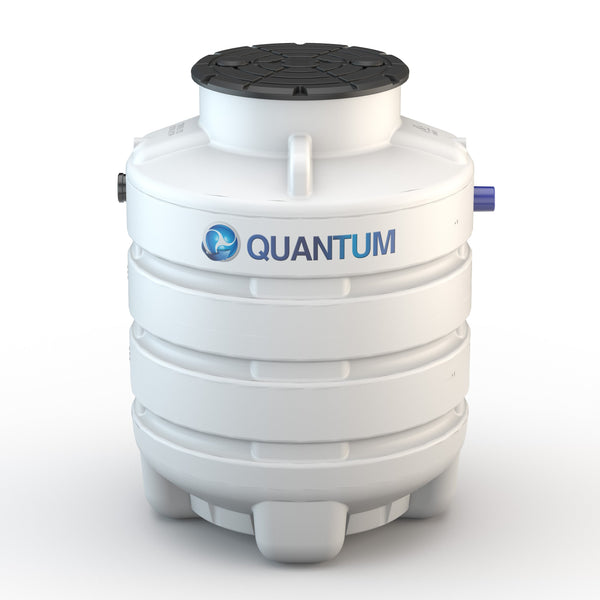
WTE QUANTUM 8-Person Sewage Treatment Plant
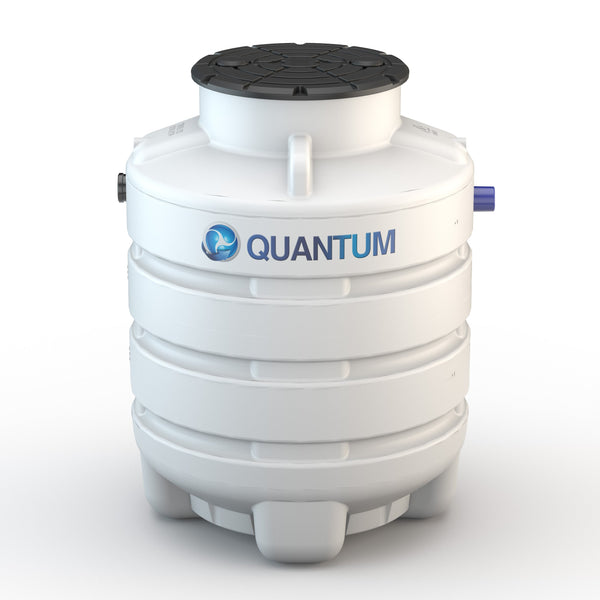
WTE QUANTUM 10-Person Sewage Treatment Plant
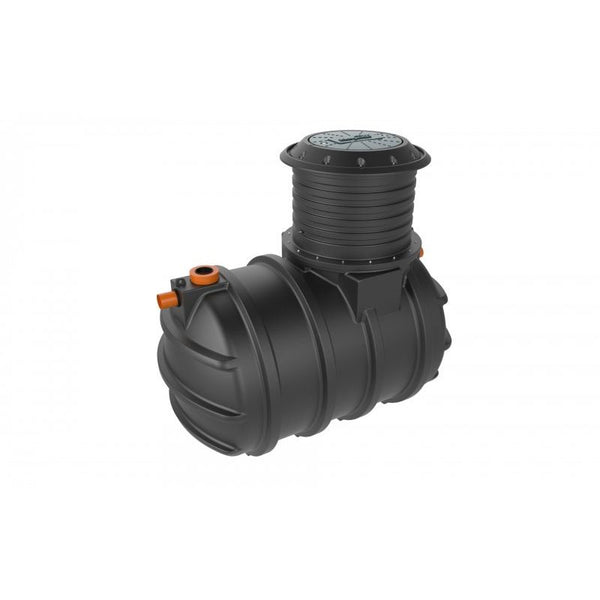
Klargester BioTec+ 6 Person Sewage Treatment Plant
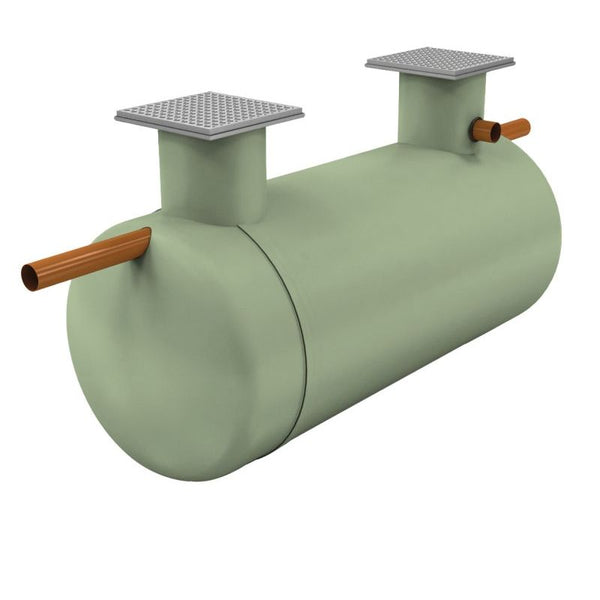
Clearwater 7150 Litre Shallow Dig Septic Tank
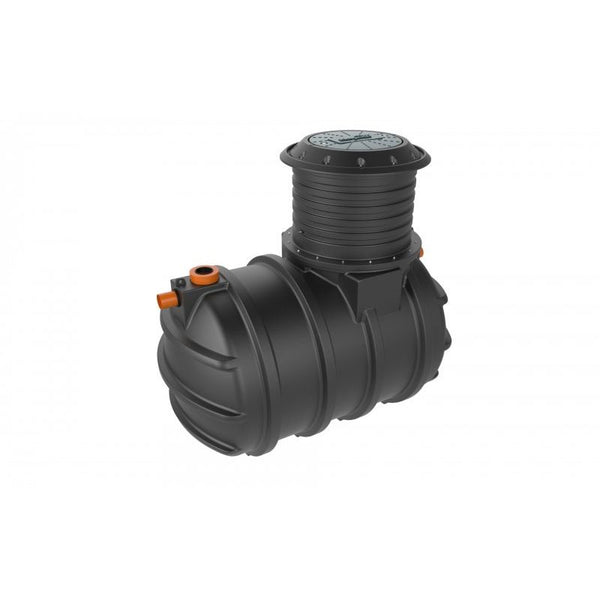
Klargester BioTec+ 9 Person Sewage Treatment Plant
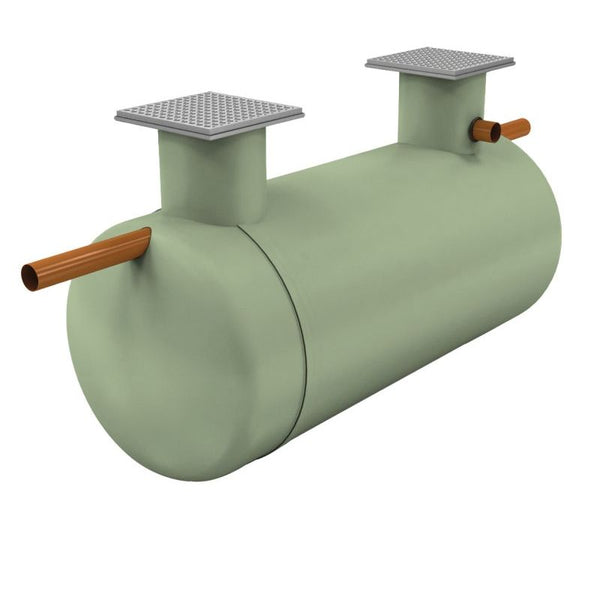
Clearwater 9150 Litre Shallow Dig Septic Tank
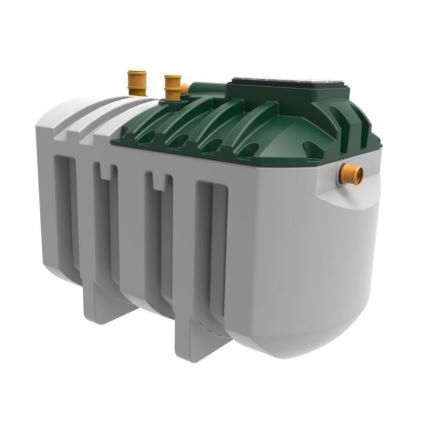
Harlequin Hydroclear HC9 Sewage Treatment Plant - 9 Person
Talk to a specialist.
Sizing, regulations, installation. Our team has been answering these questions for 28 years.
Choosing the right Sewage Treatment
FTS now offers a large range of Sewage Treatment Plants, Septic Tanks and Grey Water Tanks from all the major manufacturers, including Harlequin, Klargester, and Clearwater
Sewage Treatment FAQs
What is the difference between a septic tank and a sewage treatment plant?
A septic tank separates solids and allows partially treated effluent to discharge to a drainage field for further treatment in the soil. A treatment plant uses an aerated process to treat the effluent to a much higher standard before discharge.
The practical consequence is that treatment plant effluent can generally discharge to a watercourse, while septic tank effluent cannot.
Can I still discharge a septic tank to a watercourse?
No. Under the General Binding Rules in England, septic tanks discharging directly to a surface water body had to be replaced or upgraded — typically by fitting a treatment plant or connecting to a drainage field.
Scotland, Wales and Northern Ireland have their own regimes with broadly similar intent. If you are buying a property with an existing septic tank, this is worth establishing early.
What size treatment plant do I need?
Sizing is by population equivalent, not bedrooms — although bedrooms are used as a proxy. A common approach counts the first two bedrooms as two people each and one person per additional bedroom, with a minimum of five.
Undersizing causes poor treatment and odour; significant oversizing can also treat poorly because the biological process needs consistent loading.
Do I need a permit?
Small domestic discharges are often covered by General Binding Rules with no permit required, provided the discharge meets the conditions on volume, location and system type. Larger discharges, or those in sensitive areas such as groundwater protection zones, need a permit from the environmental regulator.
Check the position for your specific site before installing — retrospective permitting is considerably more difficult.
How much maintenance does a treatment plant need?
Annual servicing plus periodic desludging, typically every one to two years depending on loading and model. The blower or aerator is the main mechanical component and has a finite service life.
Neglecting desludging is the usual cause of poor performance and is often what fails a discharge sample if one is taken.
Can it be installed anywhere on the site?
Not quite. Minimum distances from buildings, boundaries, watercourses and abstraction points apply, and the installation needs vehicular access for the desludging tanker.
Ground conditions matter too — high water table sites need anchoring to prevent the tank floating when empty, and shallow rock can make excavation prohibitive.
- Choosing a selection results in a full page refresh.
- Opens in a new window.

New customer offer
£25
off your first order
Minimum spend £500. One code per customer.
Join our mailing list
We'll email your discount code, plus stock updates and trade offers.
We use your email to send your discount code and marketing emails you've opted into. See our privacy policy for how we handle your data.
You're on the list
Check your inbox — your code is on its way. Add us to your safe senders so it doesn't land in spam.