


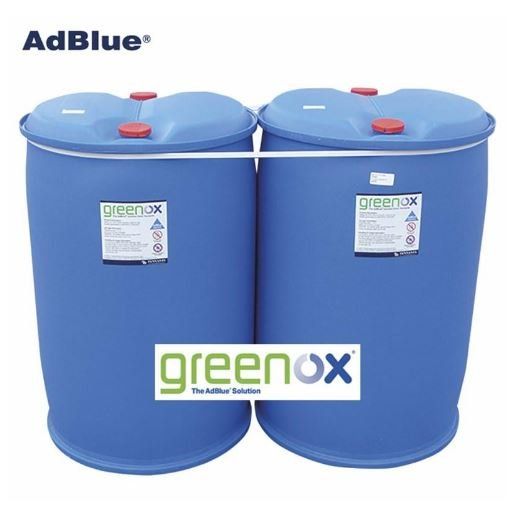
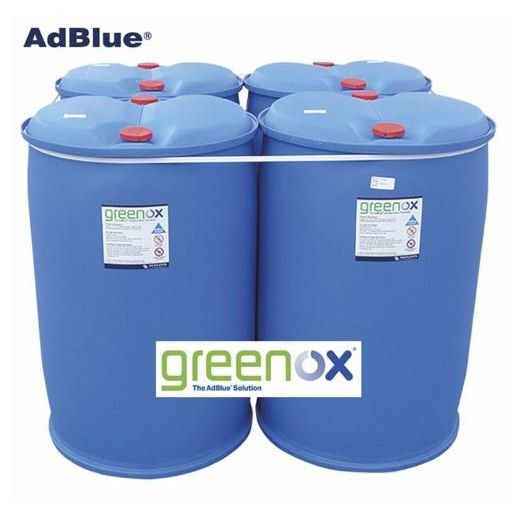
Adblue 205 Litre Drums X 2
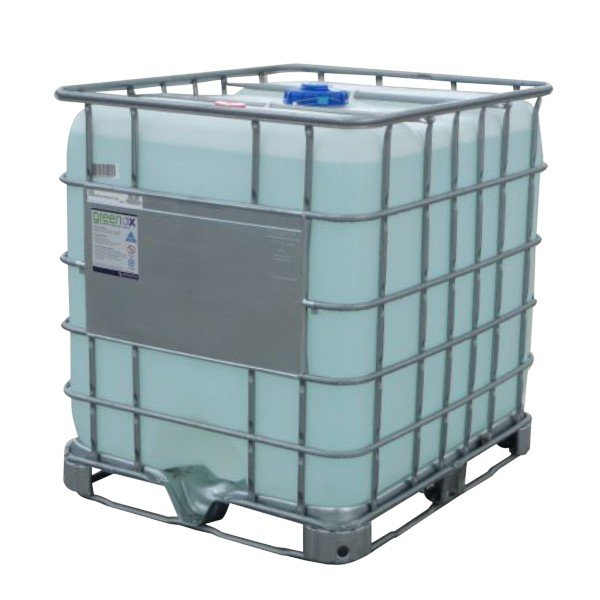
Adblue 1000 Litre IBC (Returnable Container)
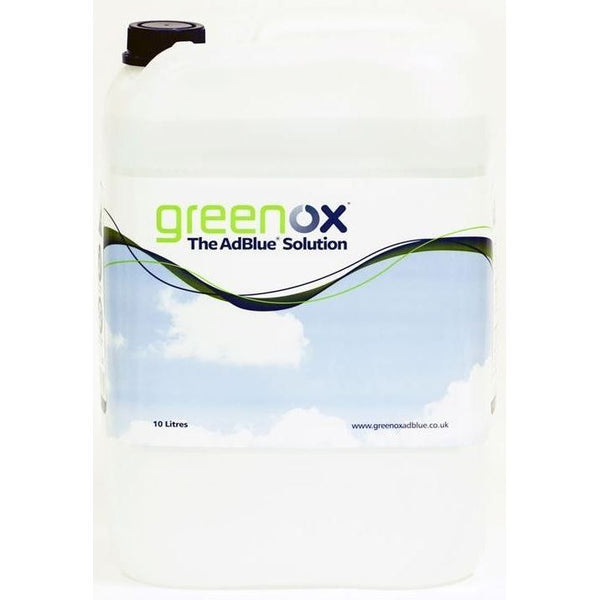
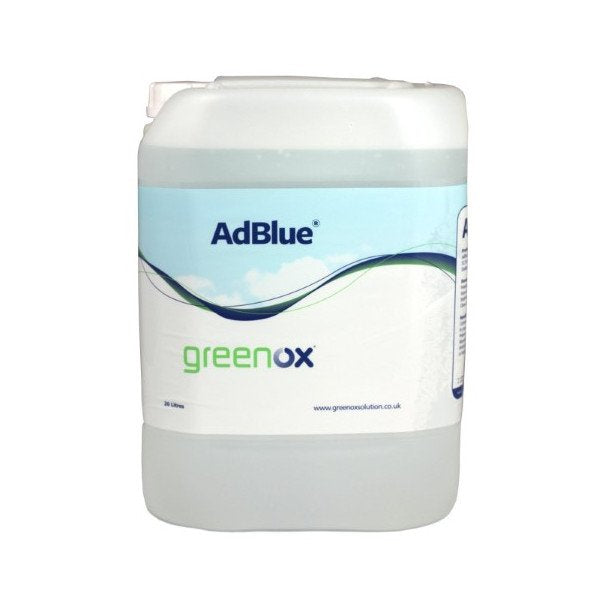
AdBlue 10 Litre Cans x 75 Per Pallet
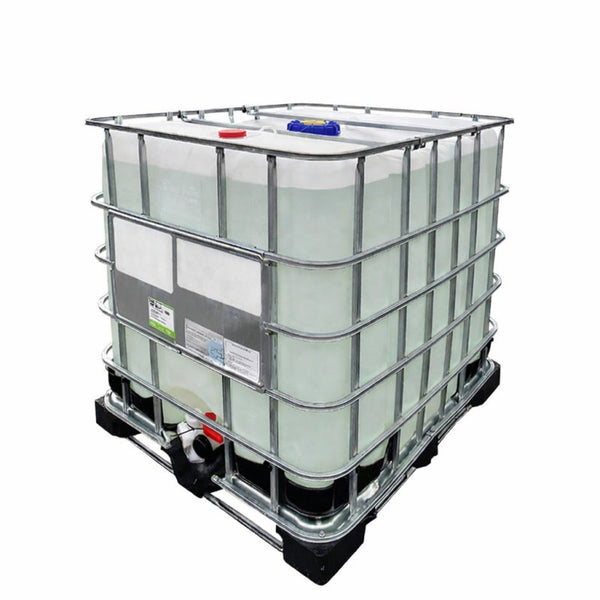
Adblue® 1000L IBC (Returnable Container)
Talk to a specialist.
Sizing, regulations, installation. Our team has been answering these questions for 28 years.
Choosing the right Adblue Solution
AdBlue is essential for modern diesel engines, helping to reduce harmful emissions and ensure your vehicle meets the latest environmental standards. Our AdBlue solution is premium-grade, meeting ISO 22241 specifications to guarantee optimal performance and engine protection. We offer AdBlue in various quantities to suit your needs, from convenient 10-litre cans for easy storage and handling, to larger 205-litres drums and 1000-litre IBCs for commercial applications. All our AdBlue products are sourced from trusted manufacturers to ensure consistent quality and reliability.
At Fuel Tank Shop, we offer a price match guarantee, so you can feel confident you are getting a great price, as well fast, free delivery and excellent customer service. For those managing larger diesel fleets, don't forget to check out our AdBlue tanks and dispensing equipment to create a complete AdBlue management system for your operation. Our AdBlue tanks range from small portable units to large stationary storage solutions, while our dispensing equipment includes various pumps, nozzles, and hoses to ensure accurate and efficient AdBlue transfer.
Adblue Solution FAQs
What is the lifespan of an AdBlue plastic tank?
AdBlue plastic tanks are designed to last for many years, but their lifespan will depend on factors such as the quality of the tank, the storage conditions, and the frequency of use. Proper maintenance and regular inspection will help extend the lifespan of the tank.
How much AdBlue can a plastic tank hold?
AdBlue plastic tanks are available in a range of sizes, from small drums to large bulk tanks. The capacity of a tank will depend on its size and design, but typical capacities range from several hundred liters to several thousand liters.
Can AdBlue plastic tanks be used outdoors?
Yes, AdBlue plastic tanks are suitable for outdoor use, but they should be protected from direct sunlight and extreme weather conditions. The tanks should also be placed in a location where they will not be exposed to heavy traffic or impact damage.
How do I maintain an AdBlue plastic tank?
AdBlue plastic tanks require minimal maintenance, but it is important to keep them clean and free from contamination. The tanks should be periodically inspected for signs of damage or leaks, and any repairs should be made promptly to prevent contamination of the AdBlue.
How do I install an AdBlue plastic tank?
AdBlue plastic tanks are designed for easy installation and typically come with all the necessary hardware and fittings. The tank should be installed in a suitable location, preferably on a level and stable surface, and connected to the AdBlue dispensing system.
What are AdBlue plastic tanks made of?
AdBlue plastic tanks are typically made of high-density polyethylene (HDPE), a durable and chemical-resistant material that is well suited for storing AdBlue
What Is AdBlue?
AdBlue is a 32.5% aqueous solution of urea that is used to reduce nitrogen oxide (NOx) emissions from diesel engines. NOx emissions from diesel engines are a significant contributor to air pollution and have been linked to a range of negative environmental and health effects. AdBlue is a key component of selective catalytic reduction (SCR) systems, which use a catalyst to convert NOx into nitrogen and water vapor.
SCR systems work by injecting AdBlue into the exhaust gas stream of a diesel engine, where it reacts with the NOx to form nitrogen and water vapor. The nitrogen is a naturally occurring component of the air we breathe, and the water vapor is harmless and dissipates quickly. By reducing NOx emissions, SCR systems help diesel engines meet increasingly stringent emissions standards and reduce their environmental impact.
AdBlue is a non-toxic and biodegradable product, and it is safe to handle and store. It is widely used in the transportation, agriculture, and construction industries, as well as in power generation and other heavy-duty applications. Because AdBlue is used in such large quantities, it is typically stored in bulk tanks and dispensed as needed, reducing the number of deliveries and associated emissions.
In summary, AdBlue is a critical component of SCR systems, and its use has helped reduce NOx emissions and improve air quality in many applications.
- Choosing a selection results in a full page refresh.
- Opens in a new window.

New customer offer
£25
off your first order
Minimum spend £500. One code per customer.
Join our mailing list
We'll email your discount code, plus stock updates and trade offers.
We use your email to send your discount code and marketing emails you've opted into. See our privacy policy for how we handle your data.
You're on the list
Check your inbox — your code is on its way. Add us to your safe senders so it doesn't land in spam.