


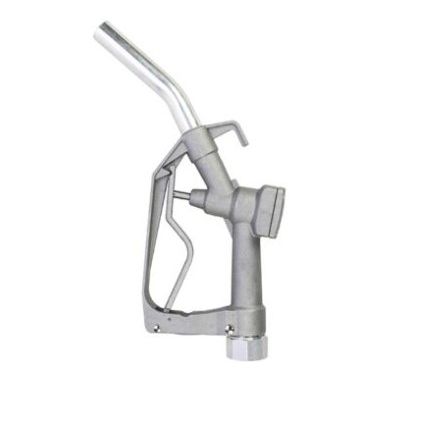
Manual Diesel Nozzle (No Latch)
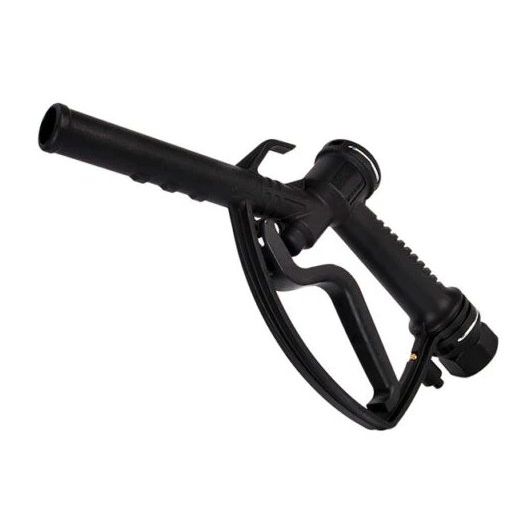
Piusi Plastic Diesel Nozzle
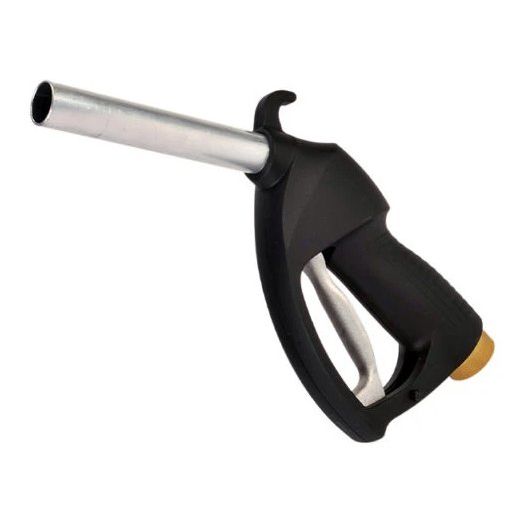
Piusi Self 3000 Manual Fuel Pump Nozzle
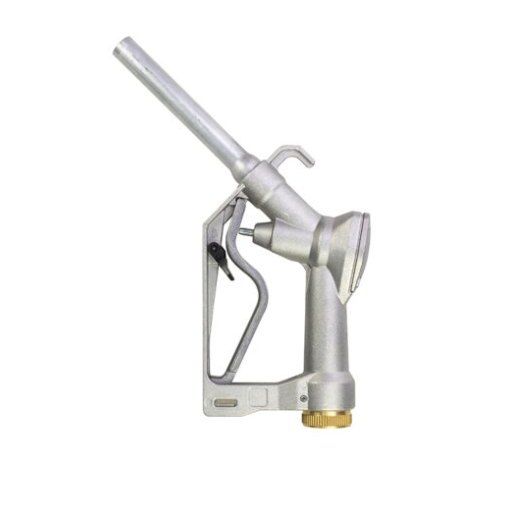
Manual Petrol Nozzle (With latch)
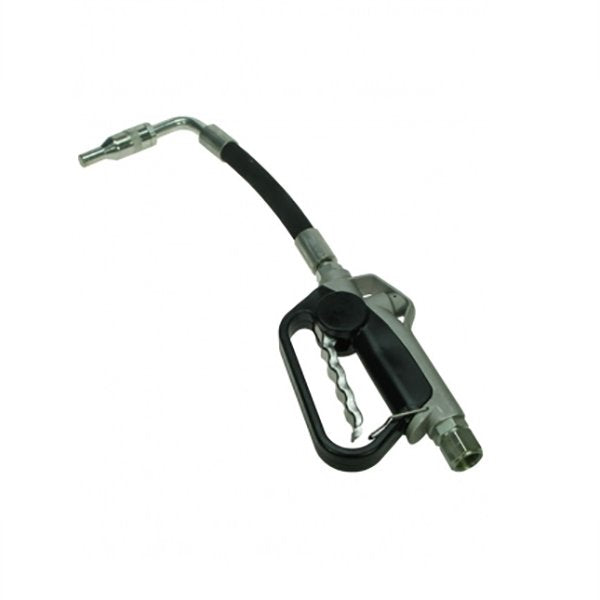
Manual Oil Delivery Nozzle
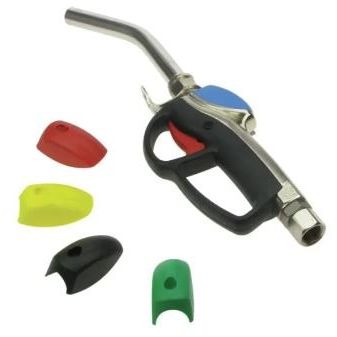
Manual Antifreeze Nozzle
Not sure which tank you need?
Tell us your property, fuel type and typical annual use — one of our experts will spec the right tank for you in 24 hours.
Talk to a specialist.
Sizing, regulations, installation. Our team has been answering these questions for 28 years.
Choosing the right Manual Nozzle
Whether you are managing a commercial fleet or servicing industrial equipment, our manual nozzles deliver the precision and reliability you need to get the job done efficiently. Each nozzle in our range is designed to give you the ability to monitor and control the flow of fuel, ensuring an accurate fill every time. We offer nozzles with and without latches, giving you the flexibility to choose the best option for your specific needs. Our latching nozzles provide a convenient hands-free operation, while our non-latching models offer enhanced manual control, perfect for intricate fuelling tasks.
Our manual fuel nozzles are built to withstand rigorous use and challenging conditions, ensuring they perform well in any environment. Their ergonomic handles and easy-to-operate mechanisms offer a comfortable and efficient refuelling experience. From everyday vehicle refuelling to demanding industrial applications, our nozzles are engineered to be long-lasting and dependable.
Explore our automatic nozzles, which feature an auto shut-off mechanism to prevent overfilling and ensure safe, efficient refuelling every time, as well as our wide range of nozzle accessories. This includes everything from replacement parts to essential fittings that enhance the performance and longevity of your nozzles.
Manual Nozzle FAQs
When should I use a manual nozzle rather than an automatic one?
For decanting into drums, jerrycans and open containers, and anywhere the receiving vessel has no fill neck for an automatic sensor to work against. Also for controlled, low-volume dispensing where precise stopping matters.
Automatic nozzles into open containers either fail to trip at all or trip erratically, so a manual nozzle is the correct tool.
Are manual nozzles less safe?
They place the responsibility entirely on the operator, so overfill prevention depends on supervision rather than mechanism. For that reason they are not appropriate for vehicle fill points where an automatic nozzle should be used.
For their intended use — attended decanting — they are perfectly appropriate and give better control.
What flow rates are available?
Manual nozzles are available across the same range as automatic ones, commonly 40 to 80 litres per minute for general use and higher for bulk transfer.
For decanting into small containers, a lower flow rate is often preferable — it gives more control and reduces splash-back.
Can the same nozzle be used for diesel and AdBlue?
No. AdBlue corrodes brass and aluminium and any fuel residue will contaminate the AdBlue, potentially damaging the vehicle's emissions system.
AdBlue needs dedicated stainless steel and polymer nozzles, kept entirely separate and ideally colour-coded to prevent mix-ups.
Do manual nozzles need a holster?
Not strictly, but a holster keeps the nozzle off the ground, prevents grit entering the spout and stops residual fuel dripping onto hard standing.
It also stops the nozzle being the thing that pulls the hose off a reel or bracket, which is a common cause of fitting damage.
What maintenance do they need?
Check the lever action, the spout seal and the swivel for weeping, and replace worn seals promptly. A dripping nozzle is a continuous small loss and a contamination point on hard standing.
Nozzles that have been dropped should be checked for internal damage even where the body looks intact.
- Choosing a selection results in a full page refresh.
- Opens in a new window.

New customer offer
£25
off your first order
Minimum spend £500. One code per customer.
Join our mailing list
We'll email your discount code, plus stock updates and trade offers.
We use your email to send your discount code and marketing emails you've opted into. See our privacy policy for how we handle your data.
You're on the list
Check your inbox — your code is on its way. Add us to your safe senders so it doesn't land in spam.