


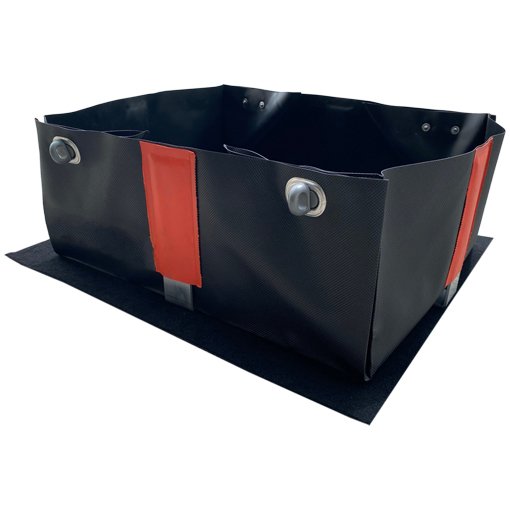
Multi Function PVC Containment Bund (600x500x250mm) - EB0
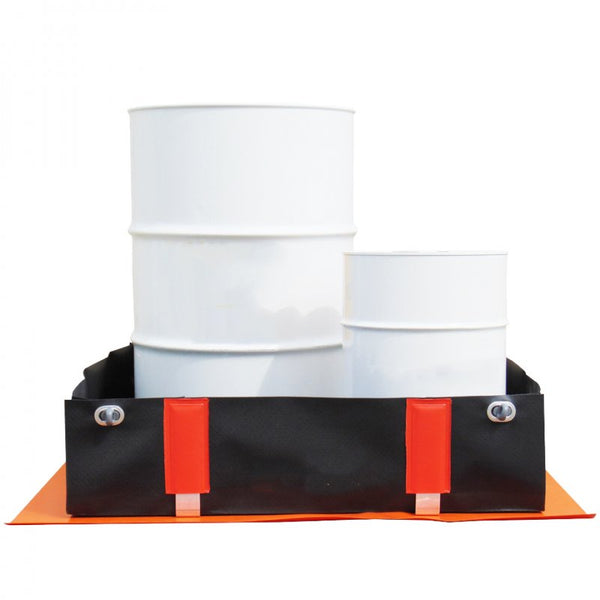
Multi Function PVC Containment Bund (1000x1000x250mm) - EB1
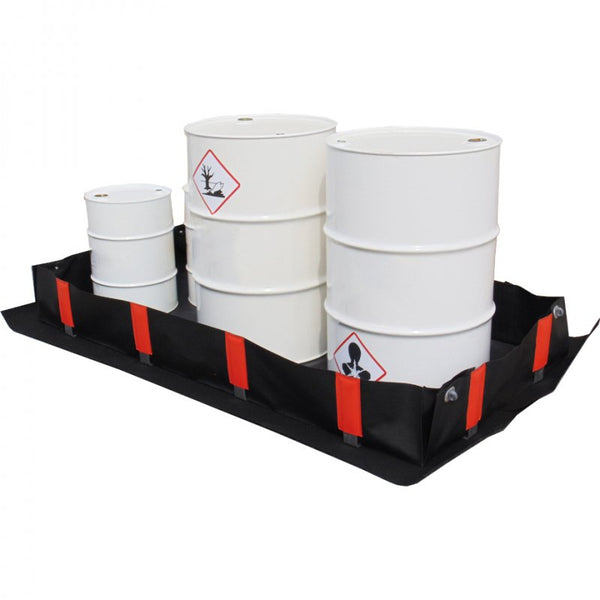
Multi Function PVC Containment Bund (2000x1000x250mm) - EB2
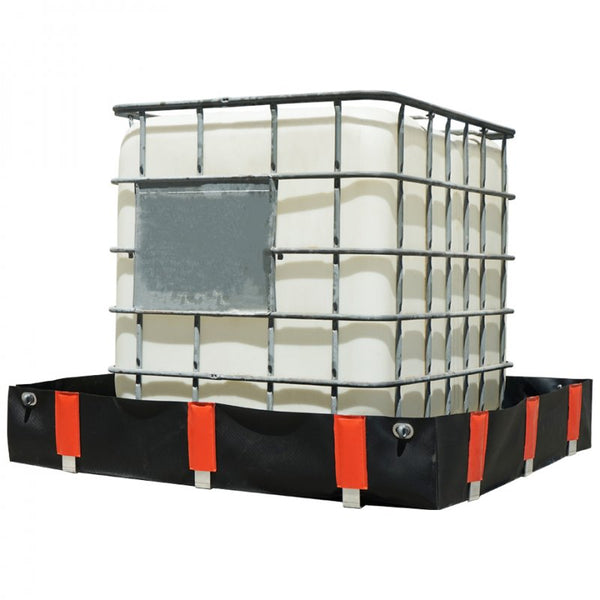
Multi Function PVC Containment Bund (1500x1500x250mm) - EB3
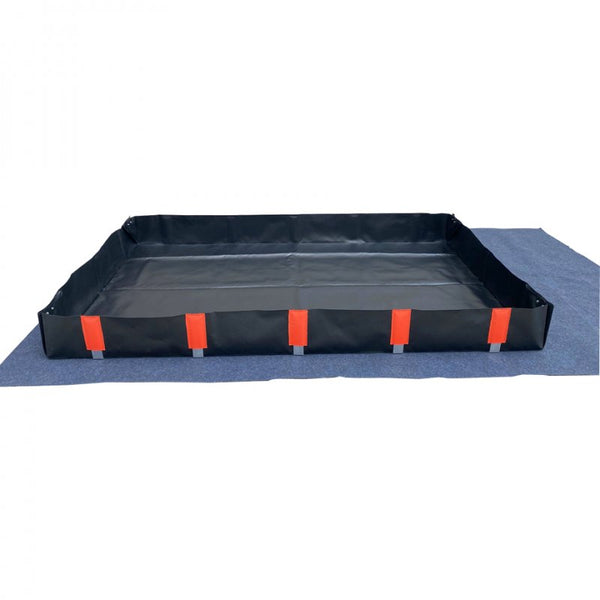
Multi Function PVC Containment Bund (1500x1500x250mm) - EB4
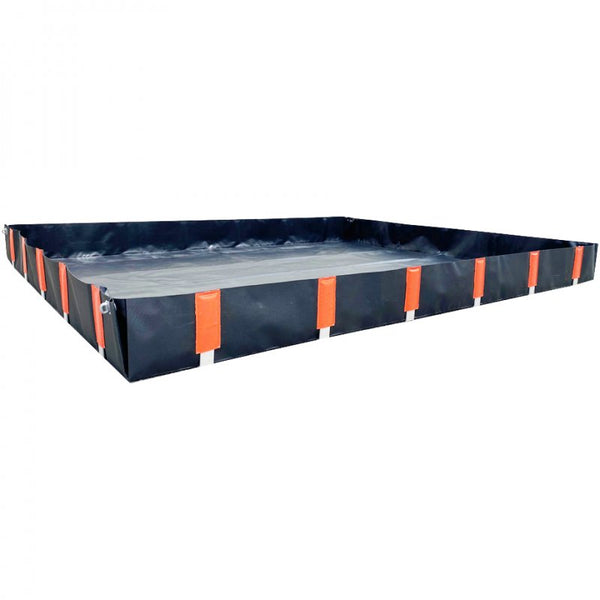
Multi Function PVC Containment Bund (3000x2500x250mm) - EB5
Talk to a specialist.
Sizing, regulations, installation. Our team has been answering these questions for 28 years.
Choosing the right Portable Containment Bunds
The portable containment range are all made from PVC are robust and compatible with hydrocarbons as well as a wide range of chemicals.
If Standard spill pallets wont fit or take up too much room, these are the perfect solution
Portable Containment Bunds FAQs
When would I use a portable bund rather than a fixed one?
For temporary activities where the risk moves — refuelling plant, maintenance and servicing, deliveries, decanting, and equipment standing on unmade ground.
They are also used as emergency containment, deployed around a leaking container or under a damaged tank while a permanent solution is arranged.
What types are available?
Foam-wall bunds that collapse under vehicle wheels and spring back, drive-over models for plant, rigid frame bunds for static use, and inflatable or self-rising wall types for larger footprints.
Choice depends mainly on whether vehicles need to drive in and out, and how quickly it must deploy.
How much containment volume do they provide?
Capacity is stated per model and varies widely. Size it to the realistic release — for refuelling that is typically hose contents plus a margin; for a standing IBC it should be 110% of the container.
Note that a bund used outdoors accumulates rainwater, which reduces the available volume over time.
How durable are they?
Modern PVC and polyurethane bunds are robust, but they are consumables rather than permanent infrastructure. Grit, sharp swarf and repeated folding all shorten life.
Inspect for punctures and seam separation before each use — a bund with an unnoticed tear provides false confidence, which is worse than no bund at all.
How should they be cleaned and stored?
Rinse off fuel and chemical residue, dry fully, and store folded loosely rather than tightly creased. Damp storage promotes degradation and mould at the seams.
Contaminated rinse water must be treated as hazardous waste, not tipped onto the ground.
Can they be left deployed permanently?
They can, but they were not designed for it. Sustained UV exposure degrades the material, and standing rainwater accelerates wear and reduces capacity.
For permanent containment, a rigid bund or bunded store is the more economical answer over any reasonable timeframe.
- Choosing a selection results in a full page refresh.
- Opens in a new window.

New customer offer
£25
off your first order
Minimum spend £500. One code per customer.
Join our mailing list
We'll email your discount code, plus stock updates and trade offers.
We use your email to send your discount code and marketing emails you've opted into. See our privacy policy for how we handle your data.
You're on the list
Check your inbox — your code is on its way. Add us to your safe senders so it doesn't land in spam.