


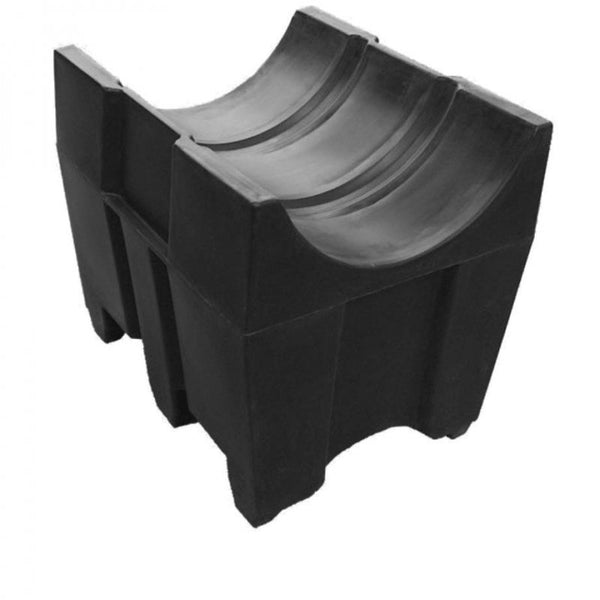
Single Barrel Stacker
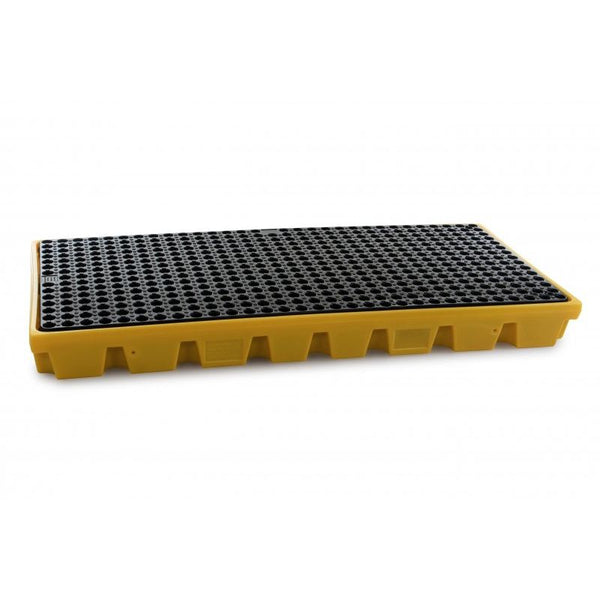
2 Drum Bunded Workfloor

2 Drum Spill Pallet - BP2
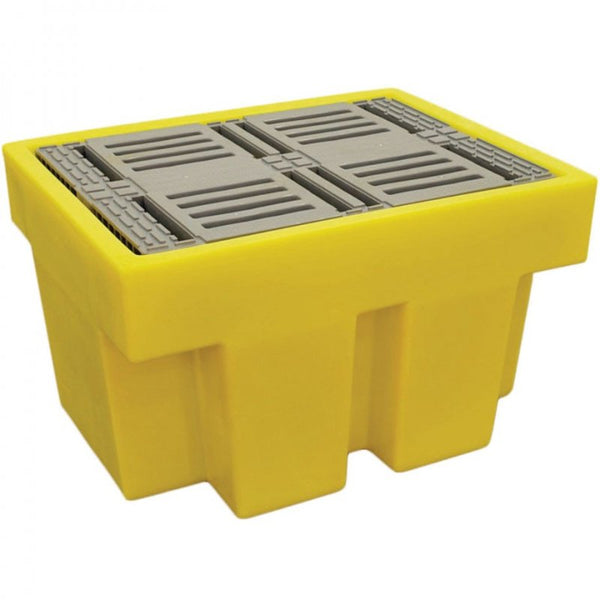
1 Drum Spill Pallet - BP1
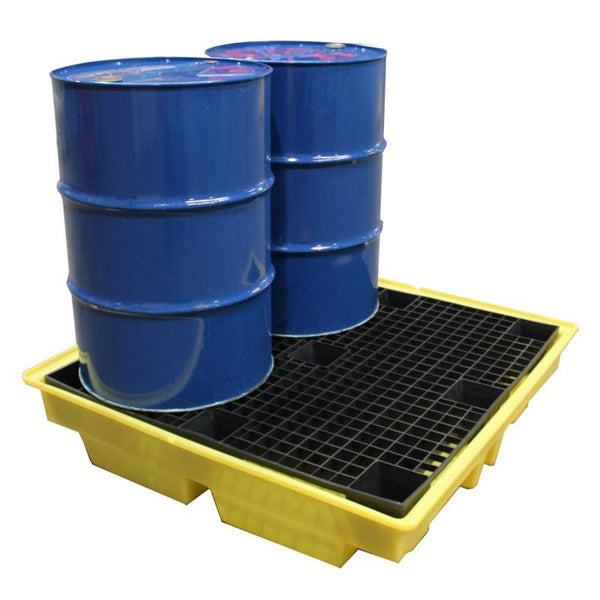
4 Drums Spill Pallet - Low Profile - BP4L
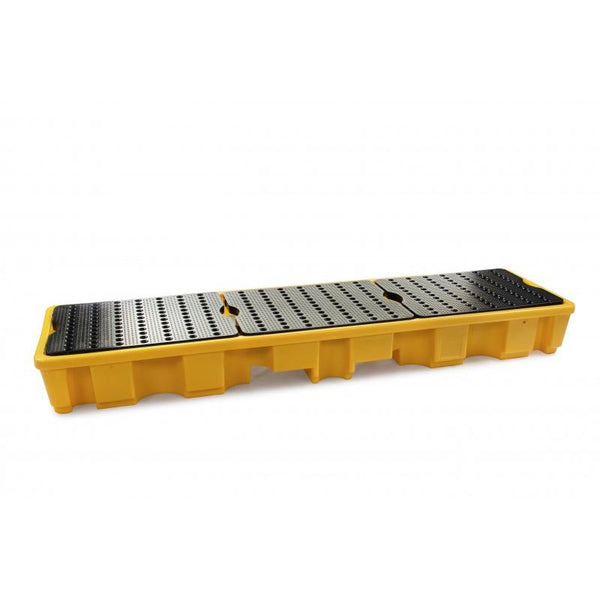
4 Drum In-Line Spill Pallet
Not sure which tank you need?
Tell us your property, fuel type and typical annual use — one of our experts will spec the right tank for you in 24 hours.
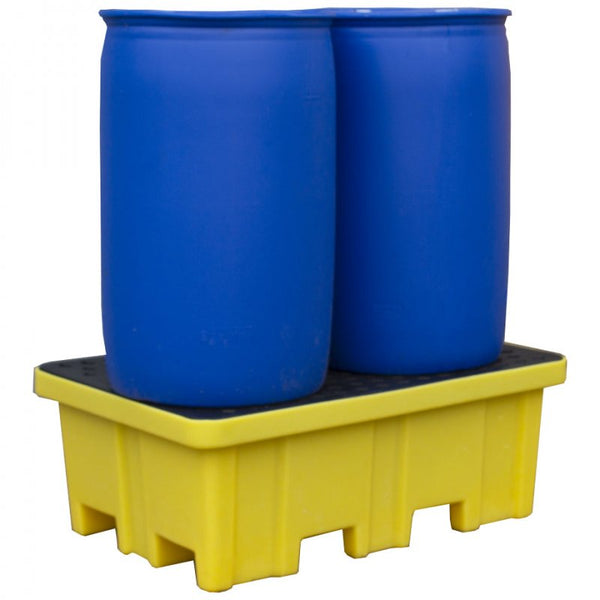
2 Drum Spill Pallet With 4-Way Fork Lift Entry - BP2FW
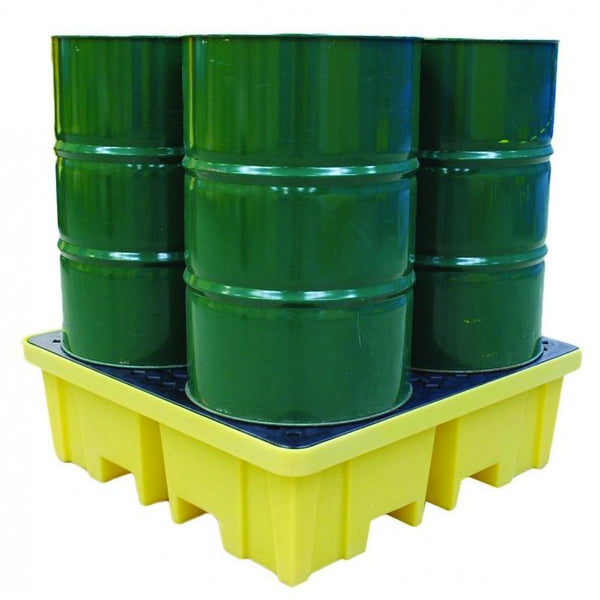
4 Drum Spill Pallet With 4-Way Forklift Entry - BP4FW
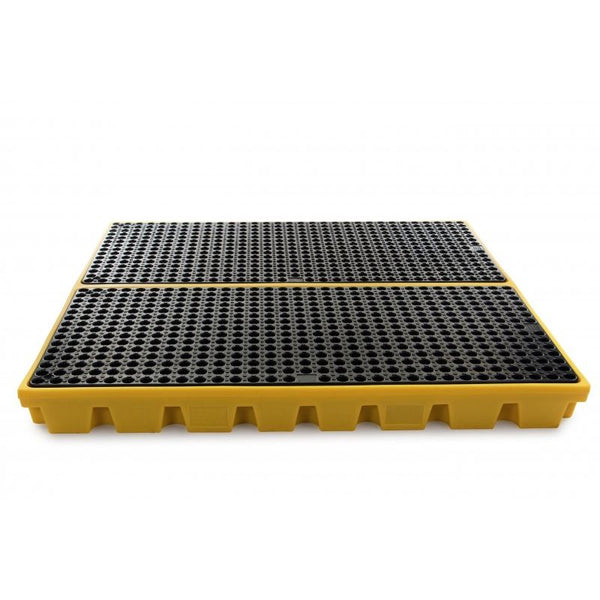
4 Drum Bunded Workfloor
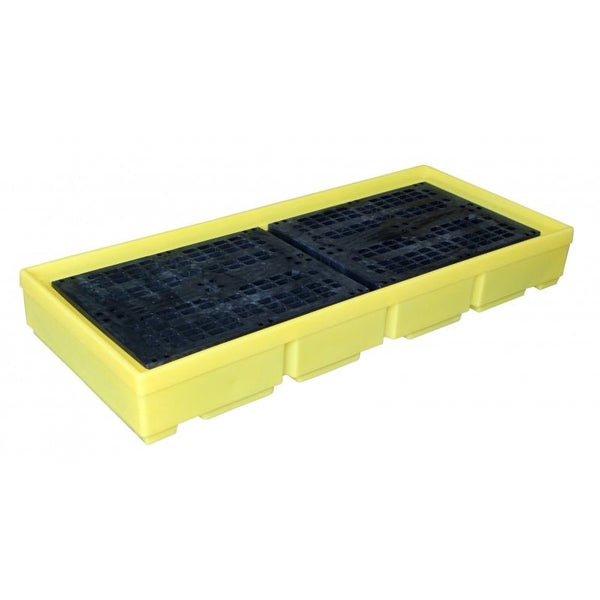
3 Drum Spill Pallet - BP3
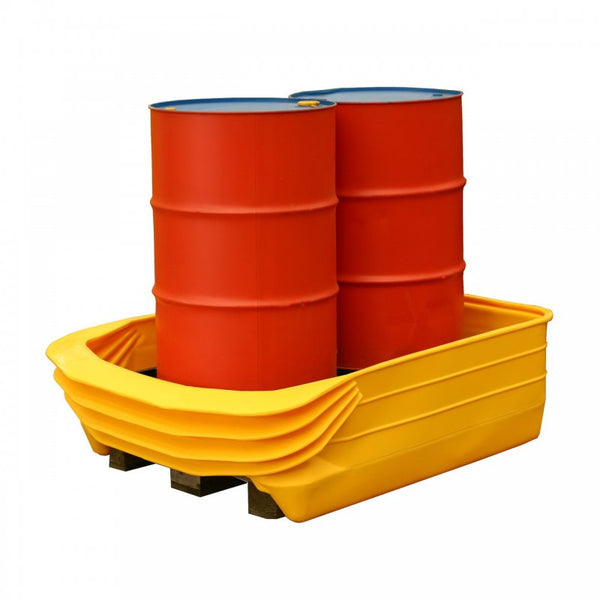
SpillGuard Pallet Bund Converter 2 Drum
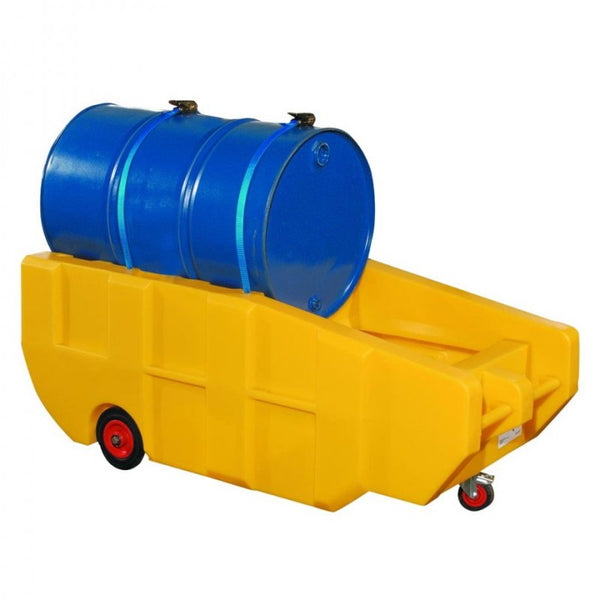
Drum Bund Spill Cart With Wheels
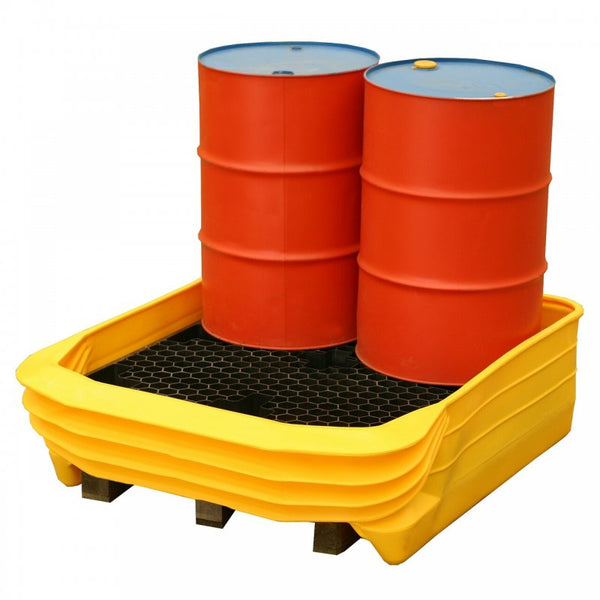
SpillGuard Pallet Bund Converter 4 Drum
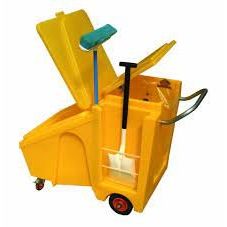
Workstation Maintenance Cart
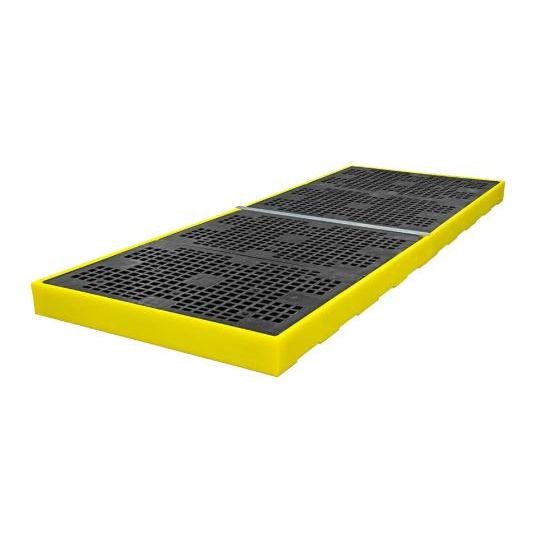
Drum Spill Floor - BF8
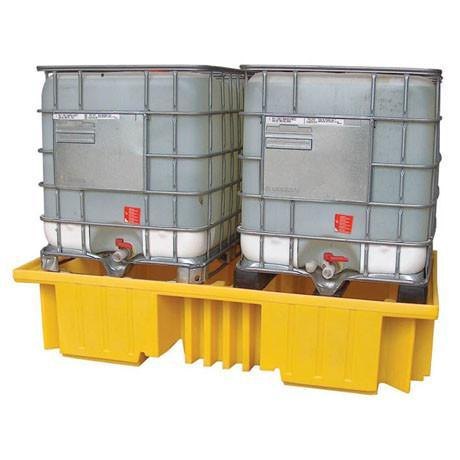
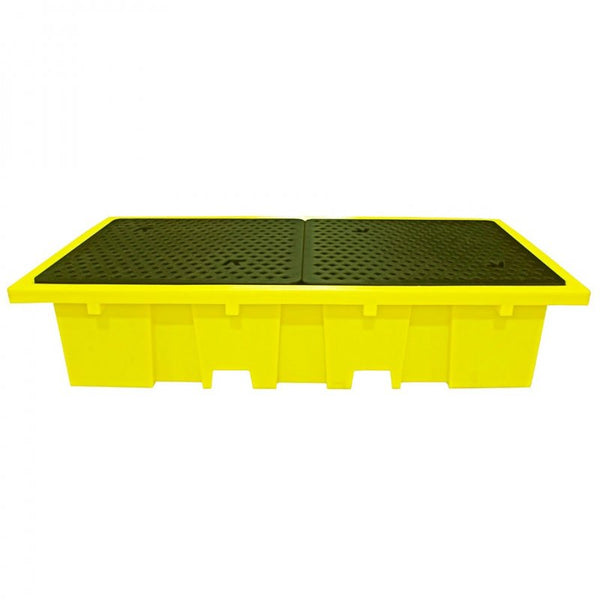
Double IBC Spill Pallet - BB4
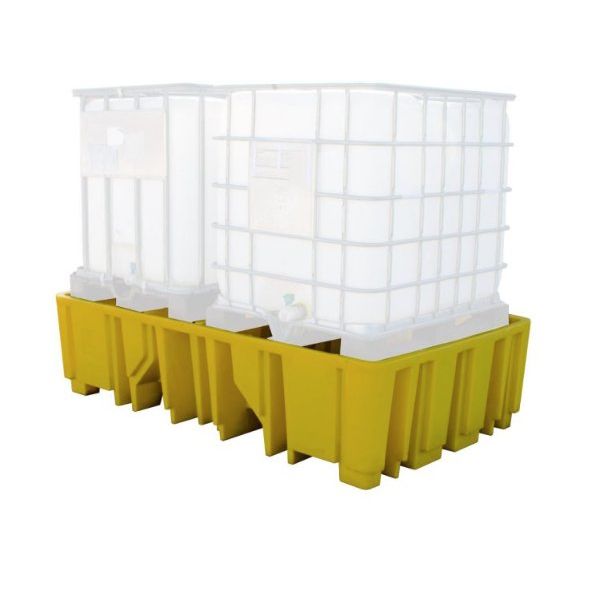
Double IBC Spill Pallet without Platform
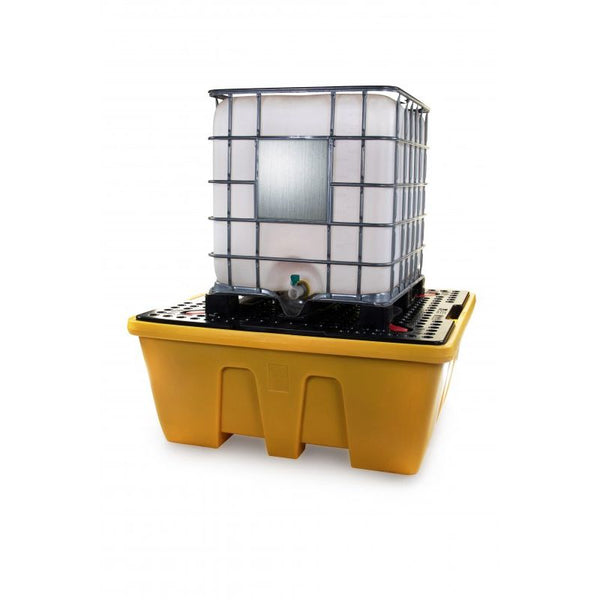
Single IBC Nestable Spill Pallet
Talk to a specialist.
Sizing, regulations, installation. Our team has been answering these questions for 28 years.
Choosing the right Spill Pallets
Your commitment to environmental protection and workplace safety starts with proper containment solutions. Our spill pallets are engineered to safely store drums and IBC containers whilst protecting against potentially dangerous leaks and spills. These heavy-duty pallets feature generous sump capacities and are manufactured to exceed regulatory requirements. Compatible with forklifts and pallet trucks, they offer convenient access whilst maintaining robust containment capabilities. For smaller containers, explore our range of spill trays, or if you need a more flexible solution, our spill mats provide excellent versatility.
Our pallets are constructed from chemical-resistant materials that stand up to aggressive substances, ensuring long-term performance in industrial environments. The thoughtfully designed drainage systems allow for easy removal of collected liquids, whilst the non-slip surfaces enhance safety during loading and unloading operations. We offer both standard and low-profile options to suit different access requirements, and our range includes models suitable for indoor and outdoor use. The reinforced construction ensures stability even when fully loaded, giving you peace of mind when storing valuable or hazardous materials.
Spill Pallets FAQs
How much containment volume does a spill pallet need?
The general UK rule for oil storage is that secondary containment must hold 110% of the largest container, or 25% of the total volume stored, whichever is greater. So a pallet holding four 205-litre drums needs at least 226 litres of sump capacity from the 110% rule.
Check the manufacturer's stated sump volume rather than assuming — nominal pallet sizes vary considerably between ranges.
Polyethylene or steel — which should I choose?
Polyethylene suits most chemical and oil storage: it will not corrode, it is lighter, and it handles acids and alkalis that would attack steel. Galvanised or painted steel suits heavy loads, hot work areas and sites where forklift traffic makes plastic vulnerable to impact damage.
For flammable liquid storage indoors, steel is often specified because it will not contribute fuel to a fire.
Can spill pallets be used outdoors?
Yes, but uncovered pallets fill with rainwater, which reduces available containment and creates contaminated water you then have to dispose of as hazardous waste. If the pallet must be outside, use a covered version or a hard-top unit.
Some sites use a drain-down valve, but any discharge must be checked for contamination before release — a valve left open defeats the containment entirely.
Do I need a spill pallet for IBCs?
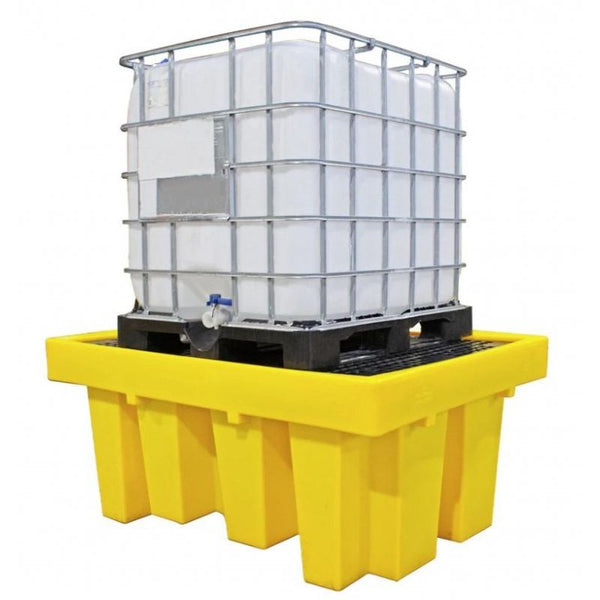
If the IBC holds oil or a hazardous substance and is stored where a release could reach drains, groundwater or a watercourse, then yes. A single 1,000-litre IBC needs 1,100 litres of containment under the 110% rule, which means a purpose-built IBC bund rather than a drum pallet.
IBC bunds are also available with dispensing platforms, which is worth specifying if you decant from the IBC regularly.
How do I clean and maintain a spill pallet?
Inspect the sump regularly for accumulated liquid, debris and rainwater, and remove anything found. Check grates for damage and the sump for cracks or distortion, particularly on polyethylene units that have been in sunlight for several years.
A pallet with a cracked sump provides no containment at all while still looking entirely serviceable, so this is worth adding to a routine inspection schedule.
What is the difference between a spill pallet and a spill deck?
A spill pallet is a full-height bunded unit sized to hold drums with substantial sump capacity beneath. A spill deck is a low-profile modular platform with a smaller sump, designed for work areas and dispensing points where height and access matter more than volume.
Decks are commonly used at the point of use, with pallets used for bulk storage.
- Choosing a selection results in a full page refresh.
- Opens in a new window.

New customer offer
£25
off your first order
Minimum spend £500. One code per customer.
Join our mailing list
We'll email your discount code, plus stock updates and trade offers.
We use your email to send your discount code and marketing emails you've opted into. See our privacy policy for how we handle your data.
You're on the list
Check your inbox — your code is on its way. Add us to your safe senders so it doesn't land in spam.