


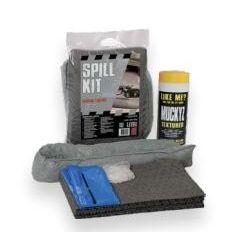
10 Litre Compact Quick Response - General Purpose
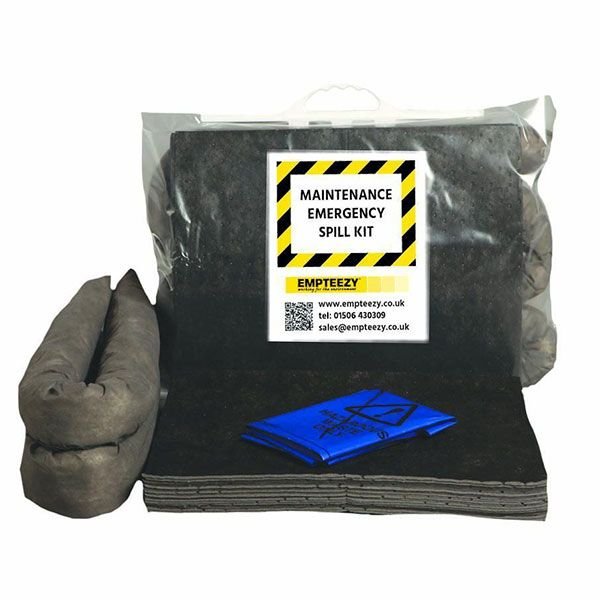
15 Litre General Purpose Spill Kit
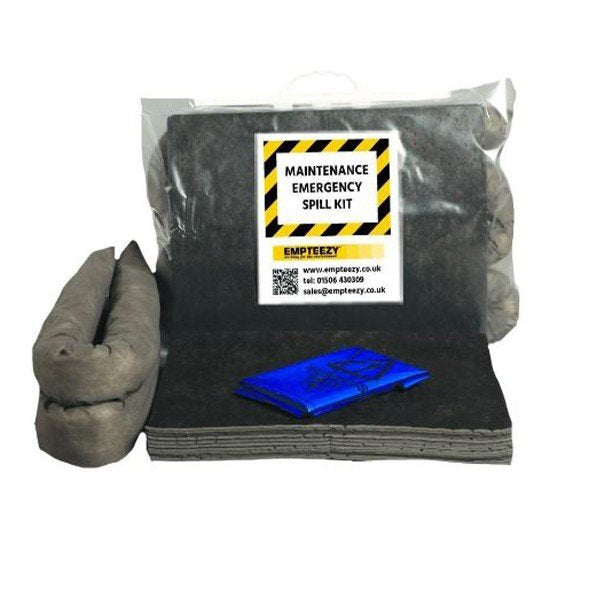
30 Litre General Purpose Spill Kit
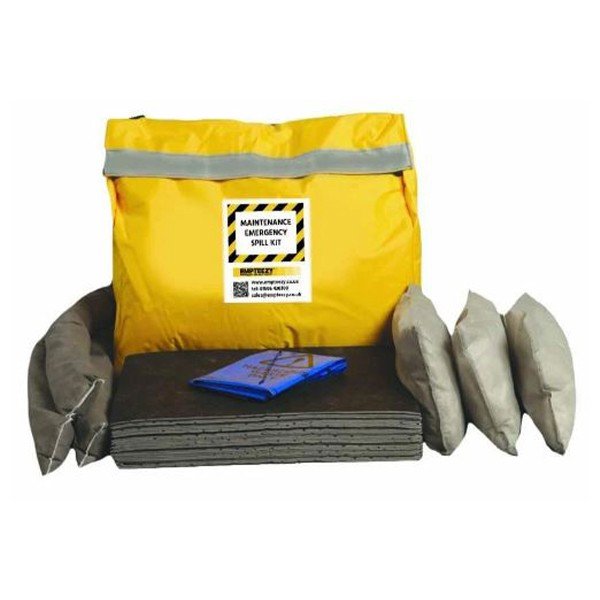
50 Litre General Purpose Spill Kit
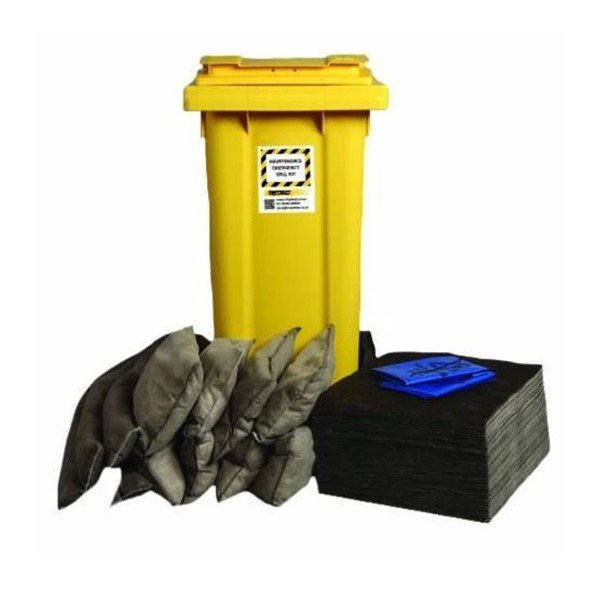
120 Litre Wheelie Bin General Purpose Spill Kit
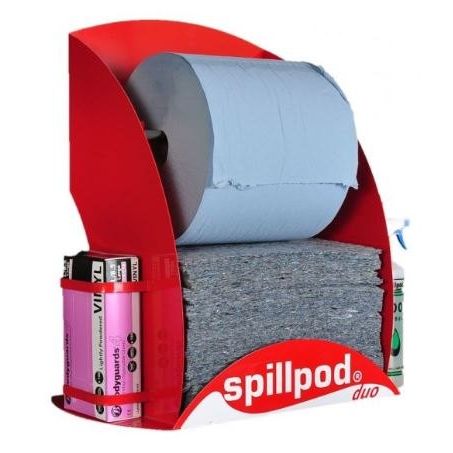
General Purpose Spillpod Duo Kit - Blue Paper Roll
Not sure which tank you need?
Tell us your property, fuel type and typical annual use — one of our experts will spec the right tank for you in 24 hours.
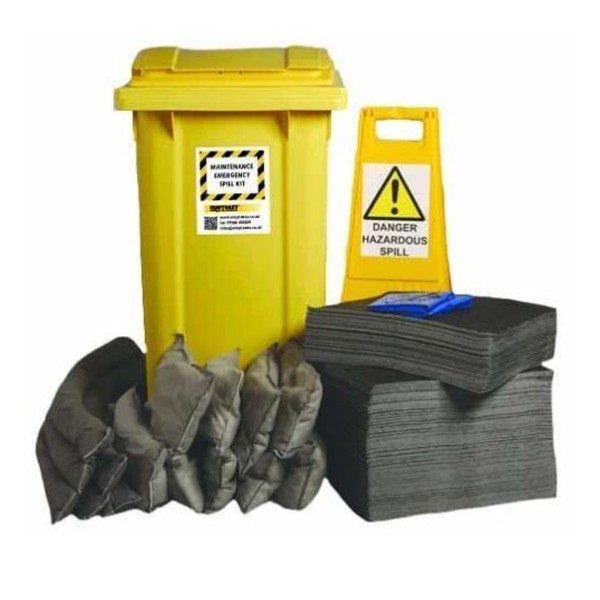
240 Litre Wheelie Bin General Purpose Spill Kit
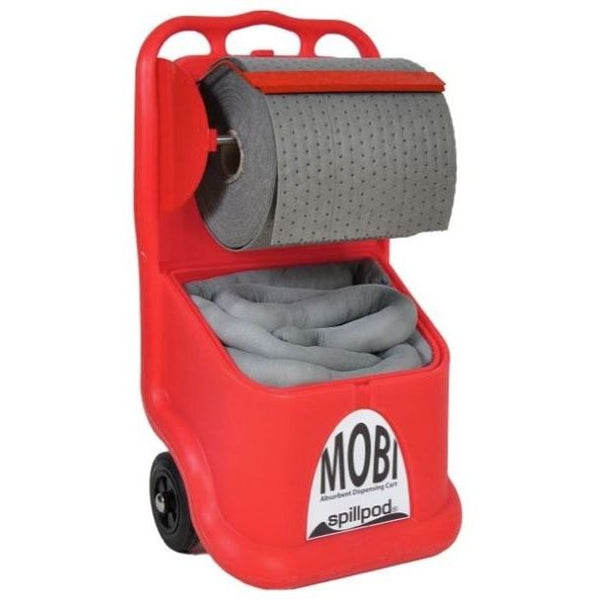
Spillpod Mobi - General Purpose
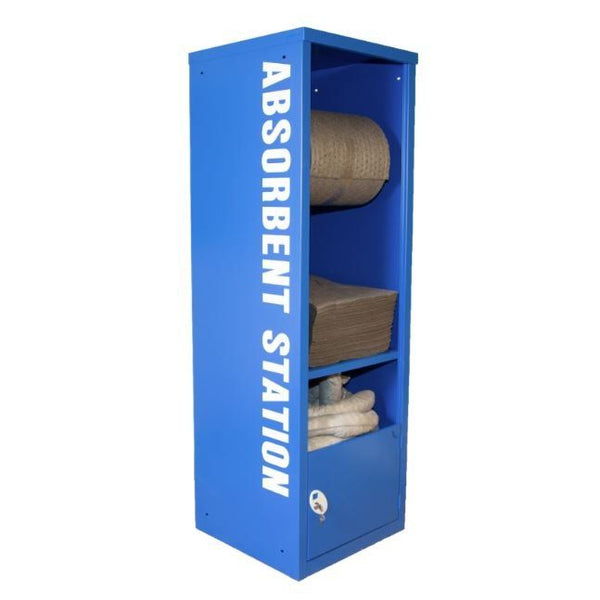
General Purpose Absorbent Station FULLY STOCKED
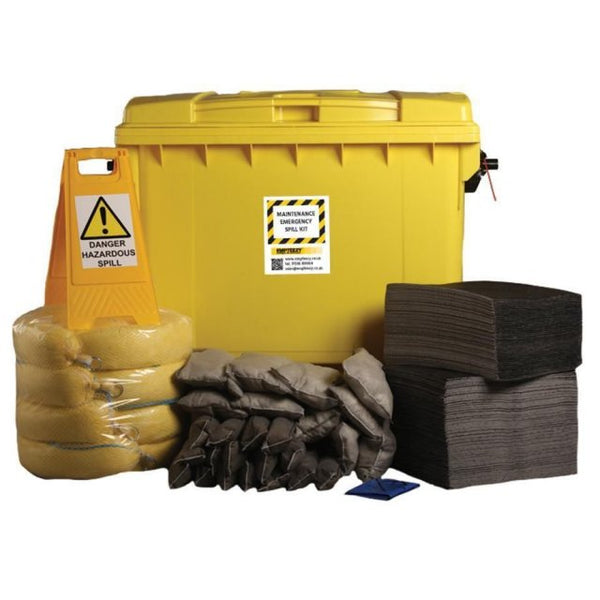
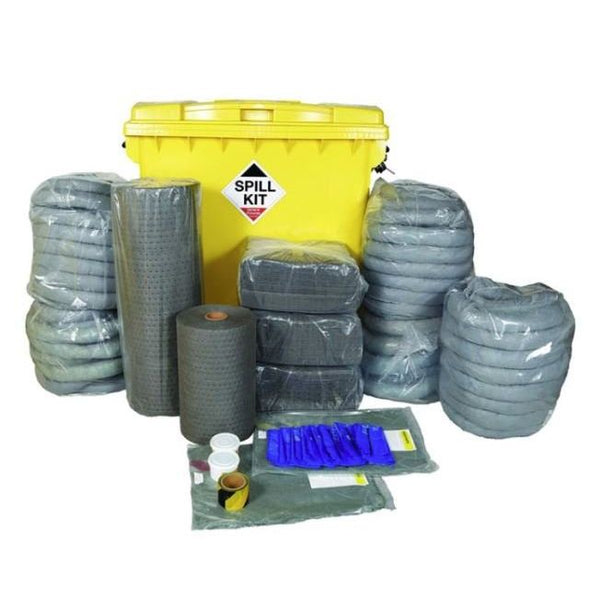
Talk to a specialist.
Sizing, regulations, installation. Our team has been answering these questions for 28 years.
Choosing the right Universal Spill Kits
When workplace spills don't fit neatly into a specific category, you need a versatile, all-purpose solution that can handle a variety of liquid incidents. Our universal spill kits are designed to provide comprehensive coverage across multiple liquid types, giving you the flexibility and confidence to respond to unexpected spills quickly and effectively. These adaptable kits are your go-to solution for managing diverse liquid containment and cleanup challenges.
Our universal spill kits offer broad-spectrum absorption capabilities, making them ideal for environments with multiple potential liquid hazards. These kits can be easily integrated with our spill containment systems and stored in spill kit cabinets, ensuring you have a comprehensive approach to workplace liquid management. Our specialised chemical spill control and oil spill kits, creating a multi-layered approach to workplace safety that addresses a wide range of potential spill scenarios.
Universal Spill Kits FAQs
What does 'universal' mean in a spill kit?
Universal or maintenance-grade absorbents take up almost any liquid — oil, water, coolant, mild chemicals and general workshop fluids. They are the general-purpose option where the spilled substance is not known in advance.
The trade-off is that they absorb water as well as oil, so they are not suitable for spills on water where an oil-only absorbent is needed.
When should I choose an oil-only kit instead?
Wherever the risk is specifically hydrocarbons, and particularly where a spill could reach water. Oil-only absorbents float and repel water while taking up oil, which universal absorbents cannot do.
Fuel storage areas, refuelling points and anywhere near a watercourse should have oil-only capability.
What size kit should I keep?
Size to the largest realistic single release. Vehicle and small plant use is generally covered by 25 to 50 litres; drum handling and refuelling points by 90 to 120 litres; IBC storage and delivery areas by 240 litres upward.
Several smaller kits distributed around a site usually outperform one large central kit, because response time matters more than total capacity.
What is actually in a universal kit?
Typically absorbent pads, socks or booms for containment, loose granular absorbent, disposal bags and ties, gloves and eye protection, and a contents list. Larger kits add drain covers and sweeping tools.
Check the contents list rather than the headline volume — kits of the same nominal size vary considerably in what they include.
Do absorbents have a shelf life?
The polypropylene itself is stable for years if kept dry and out of sunlight. What degrades is the packaging, and damp absorbents lose much of their capacity before they are ever used.
Store kits sealed and dry, and replace anything that has been open and exposed for an extended period.
How do I restock after using a kit?
Immediately, and as a defined step in the incident procedure. A used kit that is not restocked is the most common reason a site is unprepared for the second spill.
Keeping a refill pack alongside the primary kit shortens the gap between use and readiness.
- Choosing a selection results in a full page refresh.
- Opens in a new window.

New customer offer
£25
off your first order
Minimum spend £500. One code per customer.
Join our mailing list
We'll email your discount code, plus stock updates and trade offers.
We use your email to send your discount code and marketing emails you've opted into. See our privacy policy for how we handle your data.
You're on the list
Check your inbox — your code is on its way. Add us to your safe senders so it doesn't land in spam.