


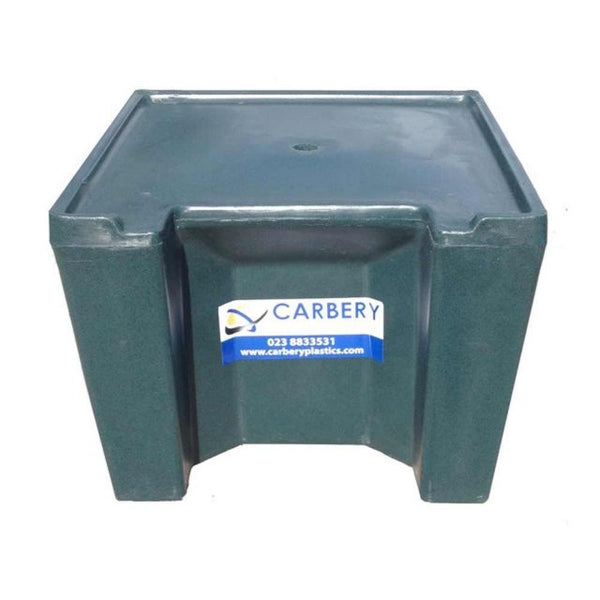
3 Bag Coal Bunker Stand - Carbery

4 & 6 Bag Coal Bunker Stand - Carbery

3 Bag Coal Bunker - Carbery
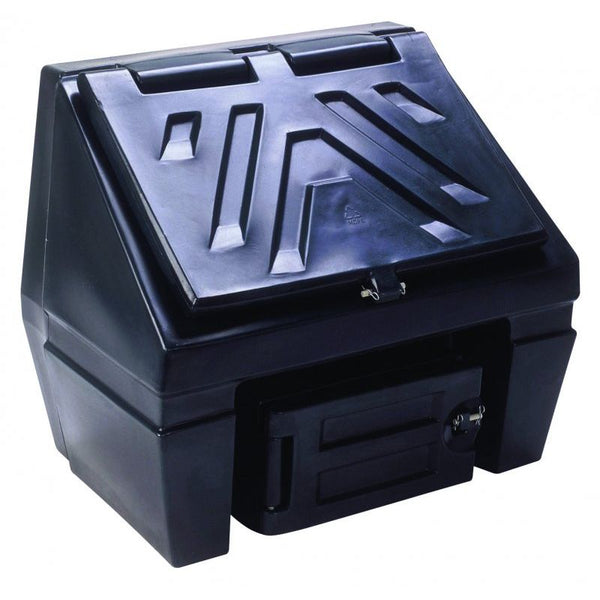
3 Bag 150kg Coal Bunker - Titan
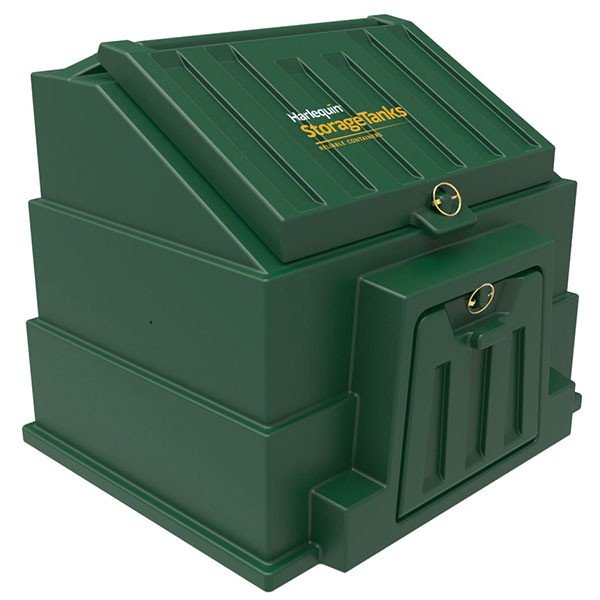
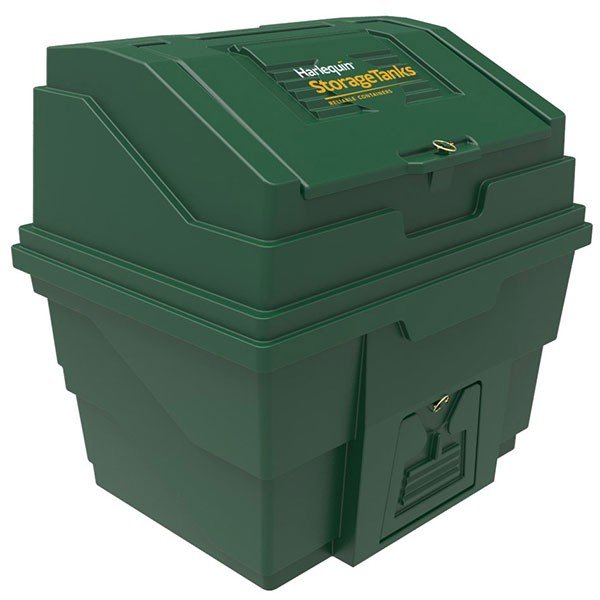
3 Bag Coal Bunker - Harlequin
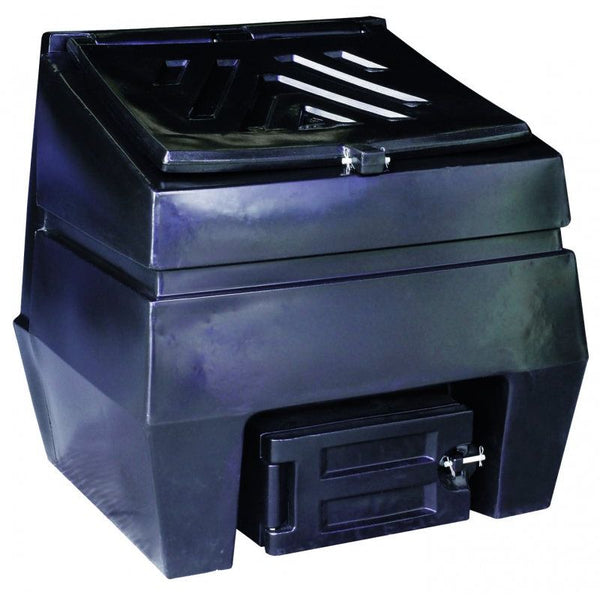
6 Bag 300kg Coal Bunker - Titan
Not sure which tank you need?
Tell us your property, fuel type and typical annual use — one of our experts will spec the right tank for you in 24 hours.
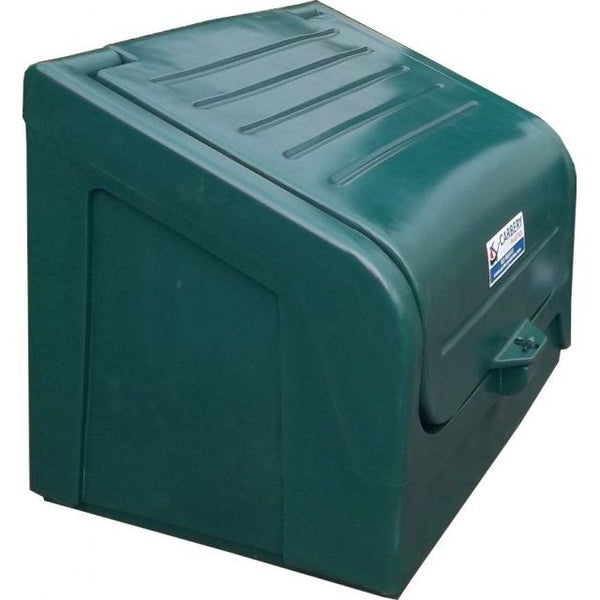
Multi Store Bunker
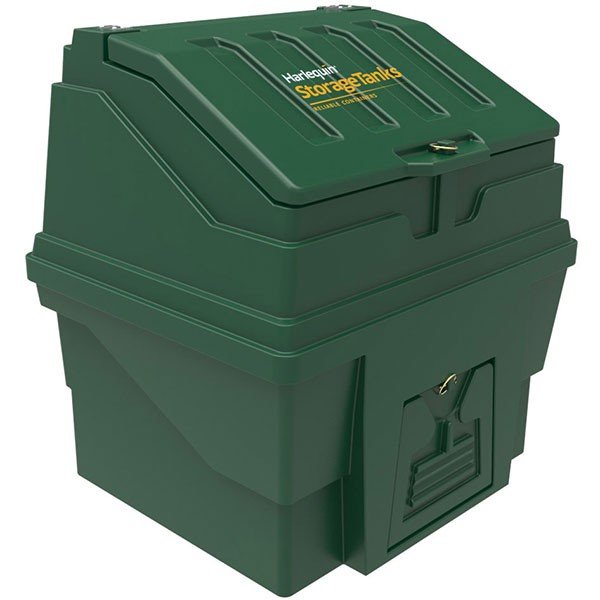
6 Bag Coal Bunker - Harlequin
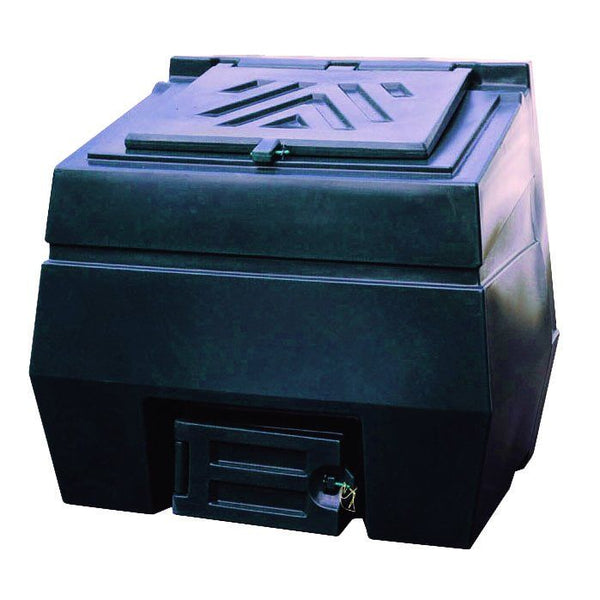
12 Bag 600kg Coal Bunker - Titan
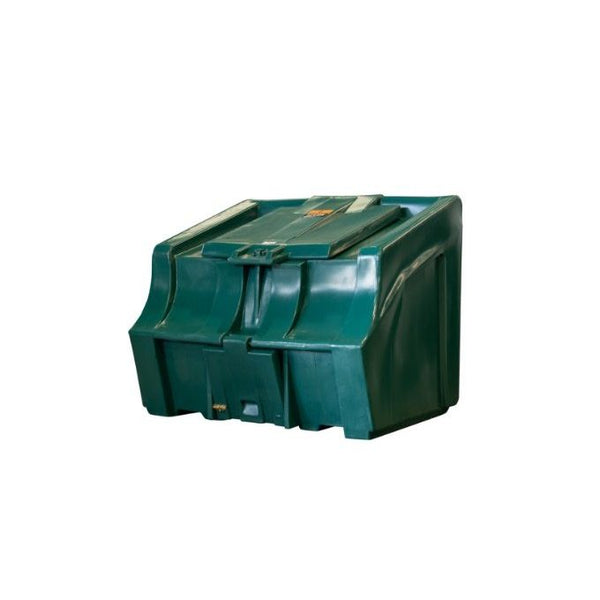
Talk to a specialist.
Sizing, regulations, installation. Our team has been answering these questions for 28 years.
Choosing the right Coal Bunkers
Are you looking for somewhere to store away your coal safely and securely? We have a wide range of coal bunkers for sale to keep your coal tidied away, protected, and easily accessible.
Coal bunkers are specialised coal storage containers designed to store your coal safely and efficiently. At Fuel Tank Shop, our coal bunkers are made from high-quality, weather-resistant plastics that are built to last. With reinforced construction and sturdy hinges, they are designed to protect your coal from the elements, such as rain, snow, and moisture, which can cause coal to become damp and less efficient as a fuel. A well-built coal bunker will keep your coal dry and in optimal condition, ensuring you have a reliable fuel source when you need it.
Our coal bunkers feature easy-to-use access points so you can effortlessly load and retrieve coal without any hassle and come in a wide range of capacities to ensure you have a convenient fuel source whenever you need it. Lookout for lockable lids to keep your coal secure from unauthorised access and theft. And our coal bunkers are not just functional – their sleek and modern designs will blend seamlessly with any environment to keep your outdoor space looking neat and tidy.
Coal Bunkers FAQs
What size bunker do I need?
Bunkers are usually rated by weight capacity. As a guide, 250kg suits occasional stove use, 500kg a regularly used stove, and 750kg or more a solid fuel central heating system or a household buying by the tonne.
Buying in bulk is generally cheaper per tonne, so bunker capacity often pays for itself over a couple of winters.
Where should a coal bunker be sited?
On firm, level ground, close enough to the house to be convenient in bad weather but positioned so the delivery can reach it. Coal is heavy and nobody enjoys carrying it far.
Keep it clear of drains and consider run-off — coal dust washing into a surface water drain is a pollution issue as well as a nuisance.
Do bunkers keep fuel dry?
A well-designed bunker with a proper lid keeps rain off, which matters because wet coal burns poorly and produces more smoke and tar. Ventilation also matters, since a completely sealed bunker traps moisture.
Bunkers with a sloped base and front hatch let you draw from the bottom, so older fuel is used first.
Can I store smokeless fuel and logs in the same bunker?
You can, but it is better not to. Logs need airflow to season and to stay dry, while coal and smokeless fuel benefit from being kept compact and covered. Mixing them tends to leave the logs damp.
Separate storage — a bunker for solid fuel and a vented log store for wood — gives better results from both.
What are bunkers made from?
Moulded polyethylene, galvanised or coated steel, and concrete. Polyethylene will not rust and is light enough to reposition; steel is more secure and robust; concrete suits permanent, high-capacity installations.
For coastal or exposed sites, polyethylene avoids the corrosion problems that shorten the life of painted steel.
Do I need planning permission?
A domestic bunker within the curtilage of a house is normally permitted development, subject to the usual size, height and position limits. Listed buildings, conservation areas and front gardens facing a highway are the common exceptions.
If in doubt, a quick check with the local planning authority costs nothing.
- Choosing a selection results in a full page refresh.
- Opens in a new window.

New customer offer
£25
off your first order
Minimum spend £500. One code per customer.
Join our mailing list
We'll email your discount code, plus stock updates and trade offers.
We use your email to send your discount code and marketing emails you've opted into. See our privacy policy for how we handle your data.
You're on the list
Check your inbox — your code is on its way. Add us to your safe senders so it doesn't land in spam.