


9 Litre Drip Tray
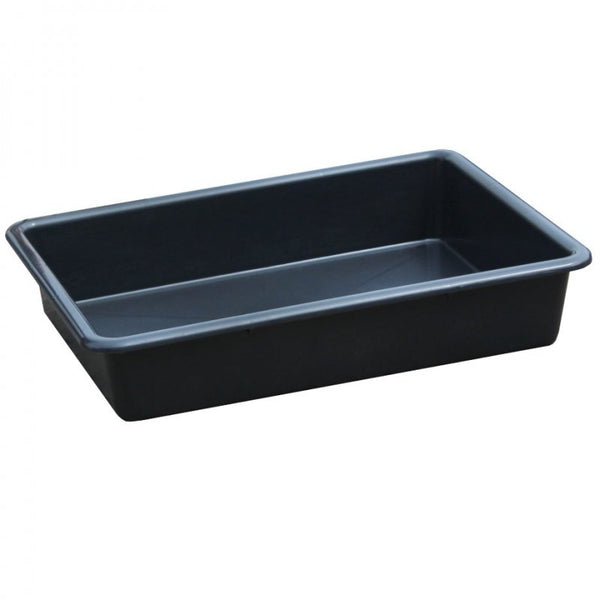
28 Litre Drip Tray
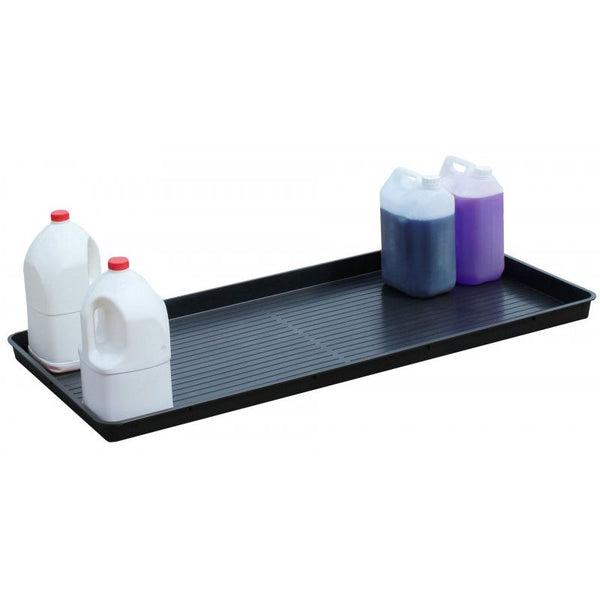
28 Litre Low Profile Drip Tray
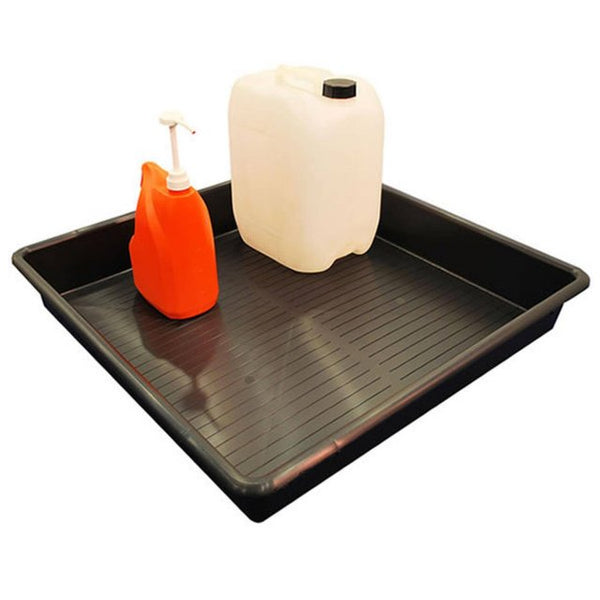
64 Litre Drip Tray
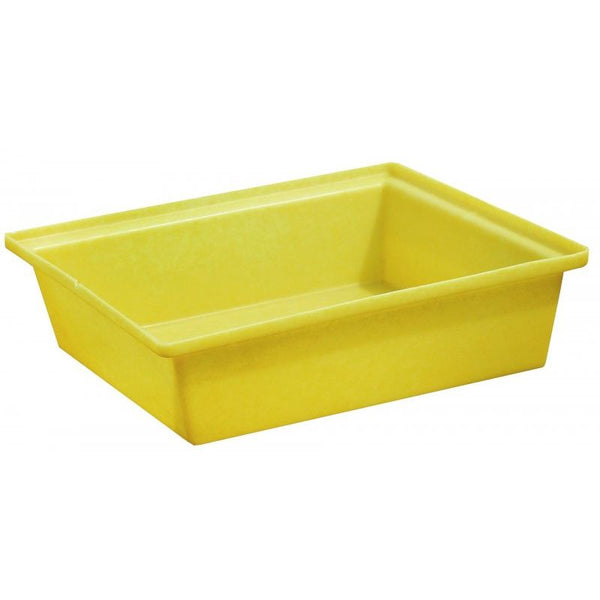
45 Litre Drip Tray
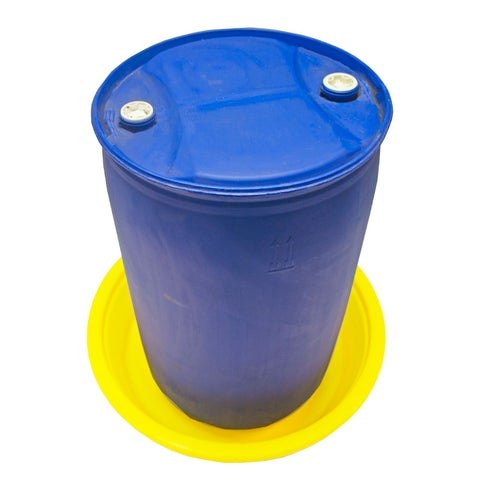
50 Litre Drum Spill Tray
Not sure which tank you need?
Tell us your property, fuel type and typical annual use — one of our experts will spec the right tank for you in 24 hours.
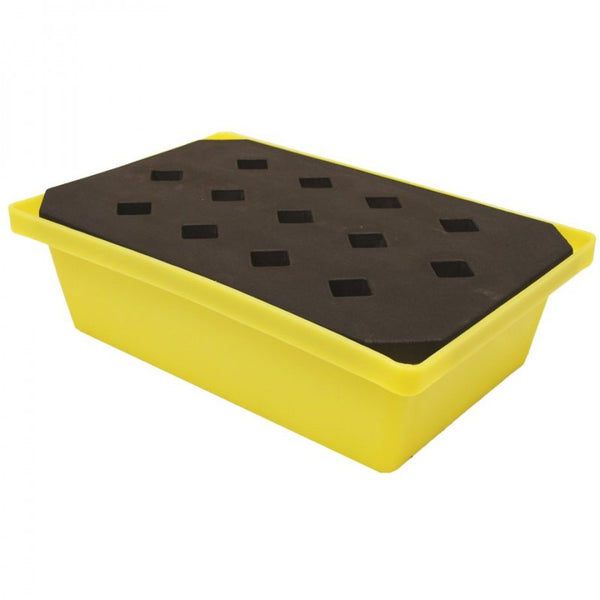
22 Litre Spill Tray
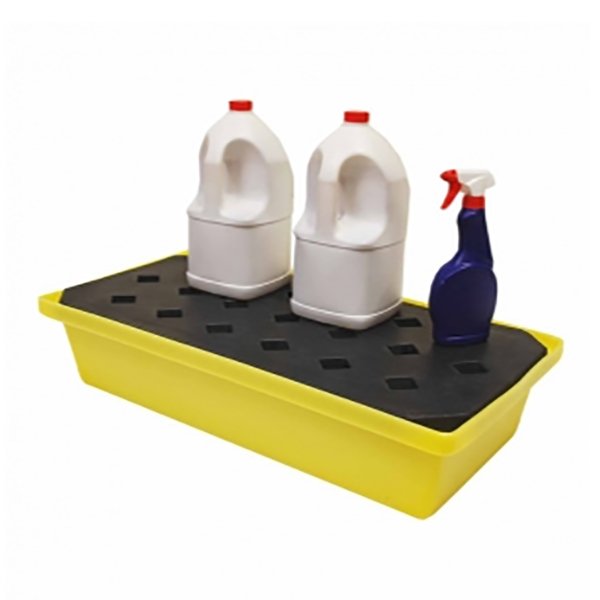
30 Litre Spill Tray
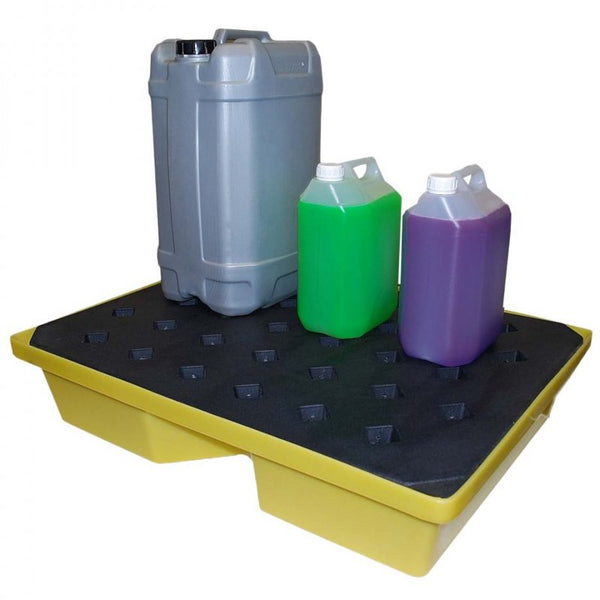
40 Litre Spill Tray
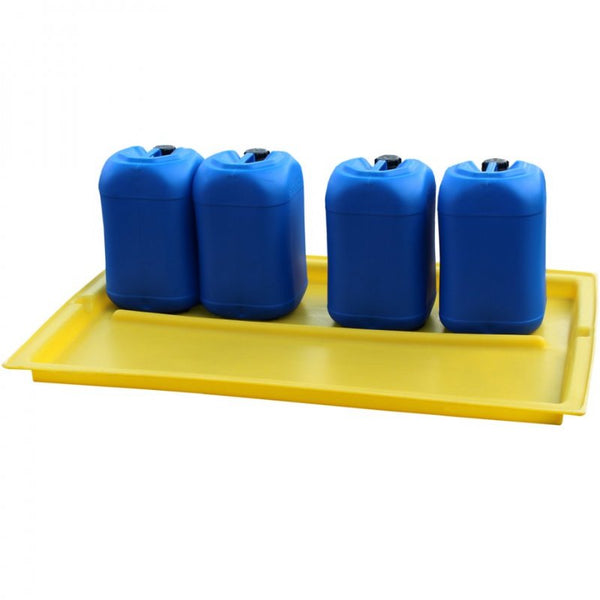
60 Litre Drip Tray
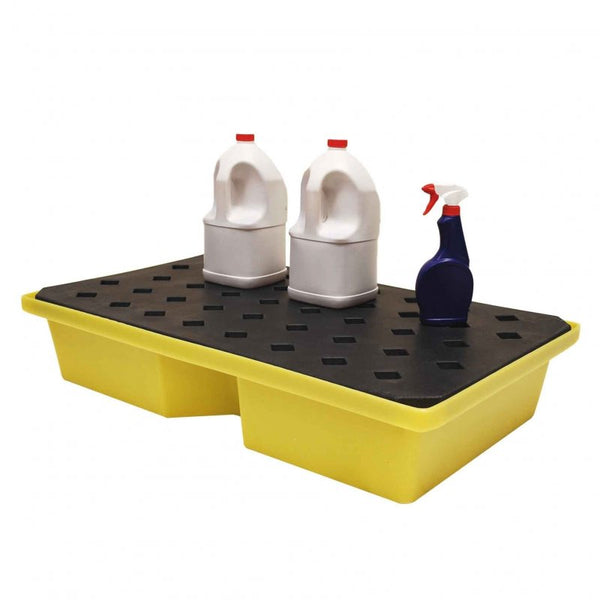
60 Litre Spill Tray

Talk to a specialist.
Sizing, regulations, installation. Our team has been answering these questions for 28 years.
Choosing the right Spill Trays
When you're handling oils, chemicals, or other hazardous liquids, protecting your workspace is paramount. Our comprehensive range of spill trays offers essential containment solutions for both industrial and commercial environments. These trays are designed to catch drips, spills, and leaks from drums, containers, and machinery, preventing costly clean-ups and ensuring compliance with environmental regulations. Whether you're storing small containers or need a solution for decanting operations, these versatile trays complement our broader spill control range. For larger storage needs, consider our spill pallets, whilst our spill mats offer additional flexibility for different applications.
Our spill trays are manufactured from high-grade materials that resist chemical corrosion and physical damage, ensuring long-term reliability in demanding environments. The raised platform design keeps containers safely above any collected liquids, whilst the contained sump area prevents contamination of your workplace floor. Available in various sizes and configurations, you can choose the perfect tray for your specific requirements, from small drip trays for everyday workshop use to larger units designed for multiple container storage.
Spill Trays FAQs
When is a tray sufficient rather than a full bund?
Trays suit drip and small leak capture — under machinery, at decanting points, beneath a single small container. They are a maintenance and housekeeping measure rather than a compliance-grade bund.
Where a regulation requires 110% containment of a stored volume, a shallow tray will not meet it. Use trays alongside proper containment, not instead of it.
What size tray do I need?
Match the footprint to what it sits under and the depth to the realistic drip volume between inspections. A tray that overflows unnoticed is worse than none, because it spreads the spill across a wider area.
For decanting, choose a tray big enough that the container and the receiving vessel both sit within it.
Polyethylene or galvanised steel?
Polyethylene resists acids, alkalis and most chemicals and will not corrode. Galvanised steel handles heat, heavy loads and traffic better, and is preferred where hot work or heavy plant is nearby.
For solvent and fuel use indoors, steel is often specified because it will not add fuel to a fire.
Can trays be used under machinery permanently?
Yes, and it is common practice under hydraulic plant, compressors and gearboxes. Choose a low-profile tray that does not obstruct access, and inspect it as part of routine maintenance.
A tray that quietly fills with oil over months is a useful early indicator of a developing seal failure.
How do I dispose of the contents?
Oil and chemical residues collected in a tray are hazardous waste. Decant into a labelled container for collection by a licensed carrier — not into a drain, and not into general waste.
Absorbent pads placed in the tray make routine emptying simpler and reduce the risk of spilling the collected liquid while handling it.
Do trays need a grate?
Not always, but a grate lets you stand containers on the tray without them sitting in collected liquid, which keeps labels legible and prevents corrosion of drum bases.
For drip capture under machinery a plain tray is usually fine; for containers, a grated tray is better.
- Choosing a selection results in a full page refresh.
- Opens in a new window.

New customer offer
£25
off your first order
Minimum spend £500. One code per customer.
Join our mailing list
We'll email your discount code, plus stock updates and trade offers.
We use your email to send your discount code and marketing emails you've opted into. See our privacy policy for how we handle your data.
You're on the list
Check your inbox — your code is on its way. Add us to your safe senders so it doesn't land in spam.