


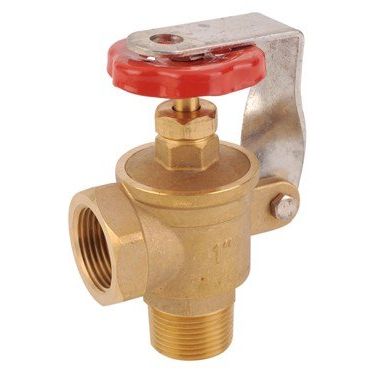
Locking Angle Brass Gate Valve
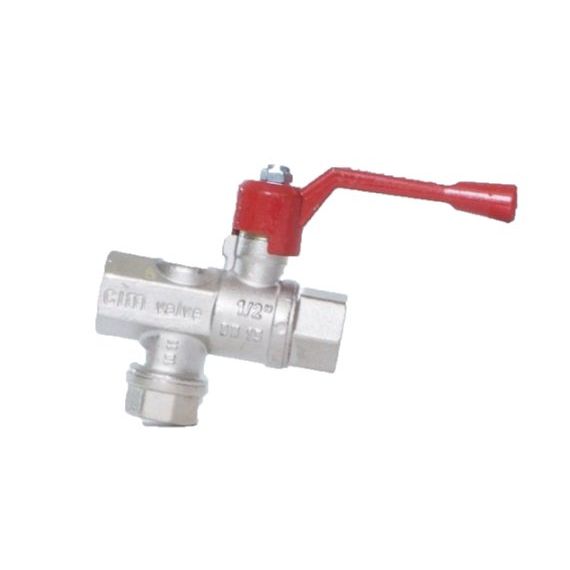
Titan 1/2' Ball Valve
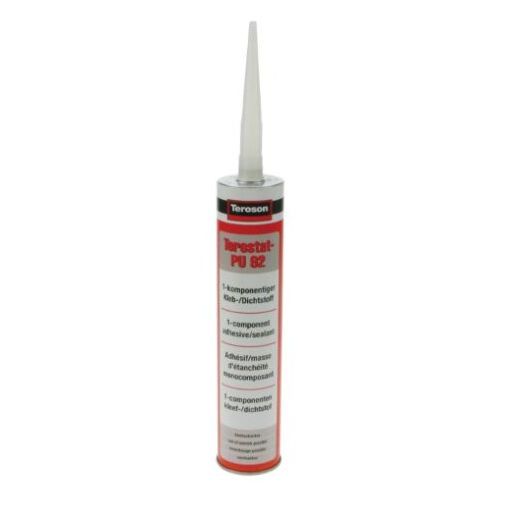
Terostat PU92 Fuel Resistant Adhesive/Mastic
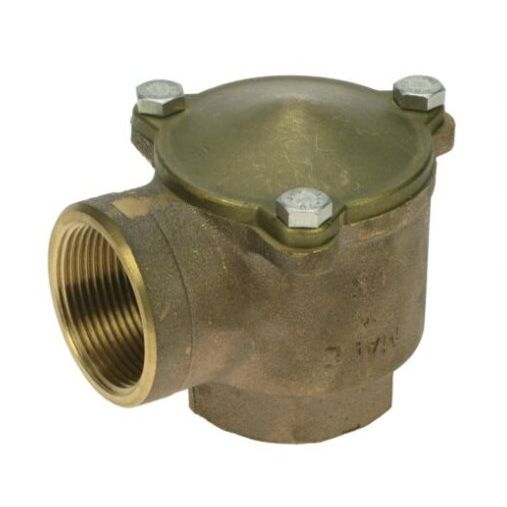
Angle Check Valve For Diesel - 1½” F BSPT
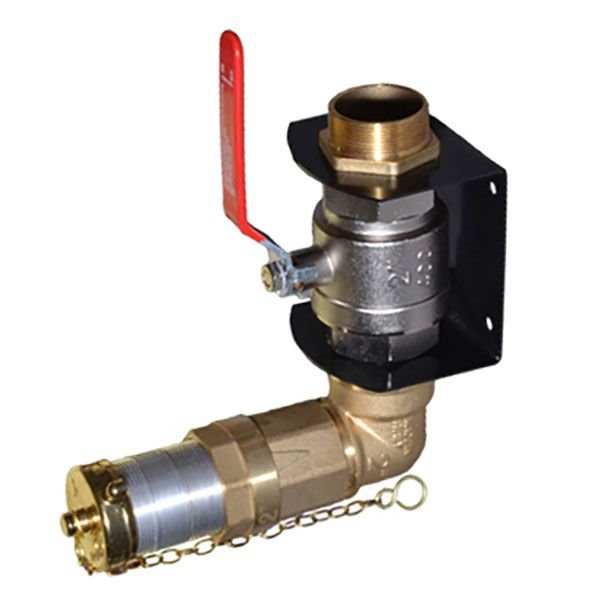
Straight Fuel Tank Fill Point
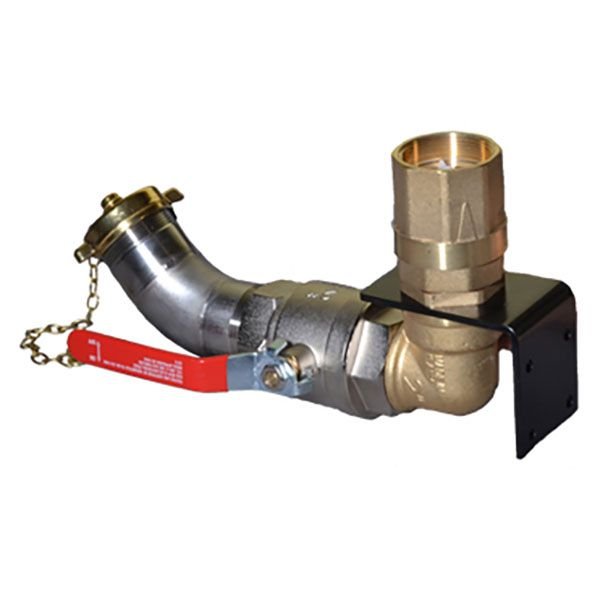
Angled Fuel Tank Fill Point
Not sure which tank you need?
Tell us your property, fuel type and typical annual use — one of our experts will spec the right tank for you in 24 hours.
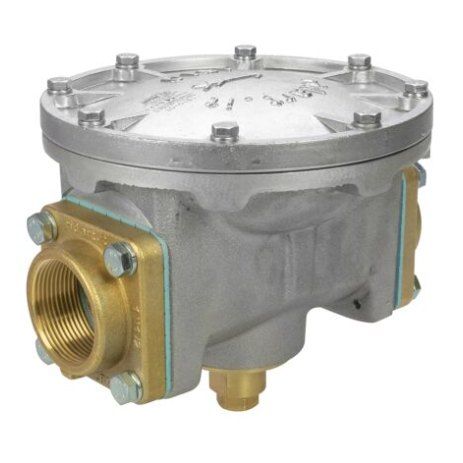
Anti-Syphon Valve – Diesel – ATEX
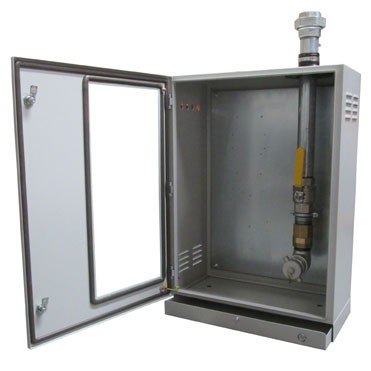
Talk to a specialist.
Sizing, regulations, installation. Our team has been answering these questions for 28 years.
Choosing the right Isolation Valves Fill Point Cabinets
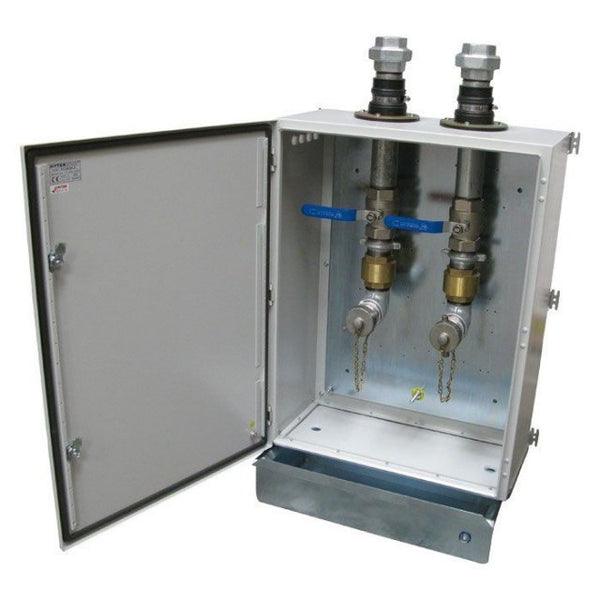
Secure and control your fuel storage infrastructure with our comprehensive range of isolation valves and fill point cabinets, designed to provide maximum safety, compliance, and operational efficiency. These critical components are essential for managing fuel transfer, preventing unauthorised access, and protecting your valuable fuel from environmental contamination and potential theft. Our isolation valves offer precise flow control and emergency shut-off capabilities, ensuring you can quickly and safely manage fuel distribution in industrial, agricultural, and commercial settings. Fill point cabinets provide solid protection for your fuel connection points, shielding sensitive equipment from weather, accidental damage, and unauthorised interference. You'll discover solutions ranging from compact, lightweight designs for mobile applications to heavy-duty, weather-resistant cabinets for permanent installations.
Every product in our collection is engineered to meet stringent safety standards, giving you peace of mind that your fuel infrastructure is protected and professionally managed. For a complete fuel handling solution, consider exploring our full range of fuel treatment solutions and diesel pump kits.
Isolation Valves Fill Point Cabinets FAQs
What is a fire valve and is it required?
A fire valve is a thermally-actuated shut-off that closes the oil supply automatically if the temperature at the appliance rises, cutting fuel to a fire. It is a requirement on oil-fired appliance installations under Building Regulations and OFTEC guidance.
The sensor is fitted at the appliance and the valve in the supply line, usually outside the building.
What is the difference between a fire valve and an isolation valve?
An isolation valve is manually operated and used to shut off supply for maintenance or in an emergency. A fire valve operates automatically on temperature and cannot be relied on as a maintenance isolator.
Both are normally fitted — the isolation valve for controlled work, the fire valve for fire protection.
Where should the isolation valve be located?
At the tank outlet, so supply can be shut off at source, and often a second valve close to the appliance. Both should be accessible without needing to reach across or behind the equipment.
A valve that is inaccessible in an emergency provides very little protection.
Do fire valves need testing?
They should be checked at each annual service by an OFTEC-registered technician. Sensors can be damaged, and capillary lines on remote-sensing valves can be kinked or broken during other work.
A fire valve that has been painted over or disturbed during building work is a common finding at service.
What is a remote sensing fire valve?
A valve where the sensing element sits at the appliance and is connected to the valve body by a fine capillary tube filled with fluid. Heat at the sensor triggers the valve some distance away.
This allows the valve to sit outside the building while sensing conditions inside, which is the usual arrangement for internal boilers.
Can I fit these myself?
Work on oil supply systems serving heating appliances is regulated and should be carried out by an OFTEC-registered technician. Incorrect installation of a fire valve can leave it inoperative without any outward sign.
It is also likely to affect both your warranty and your insurance position.
- Choosing a selection results in a full page refresh.
- Opens in a new window.

New customer offer
£25
off your first order
Minimum spend £500. One code per customer.
Join our mailing list
We'll email your discount code, plus stock updates and trade offers.
We use your email to send your discount code and marketing emails you've opted into. See our privacy policy for how we handle your data.
You're on the list
Check your inbox — your code is on its way. Add us to your safe senders so it doesn't land in spam.