


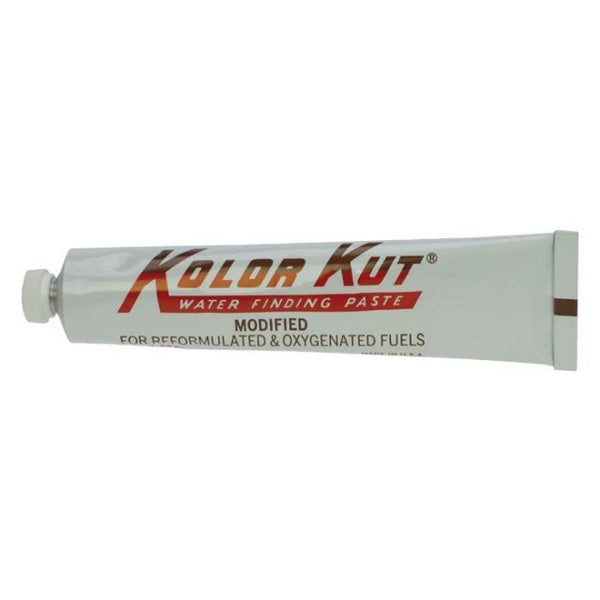
Tank Water Finding Paste
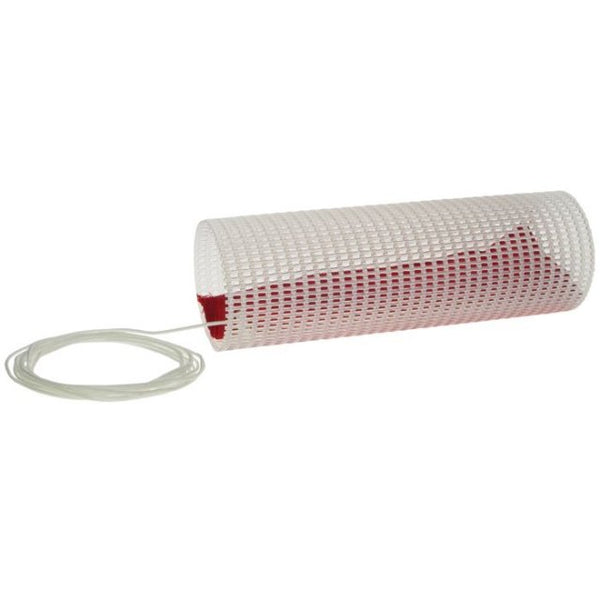
Water Soakers
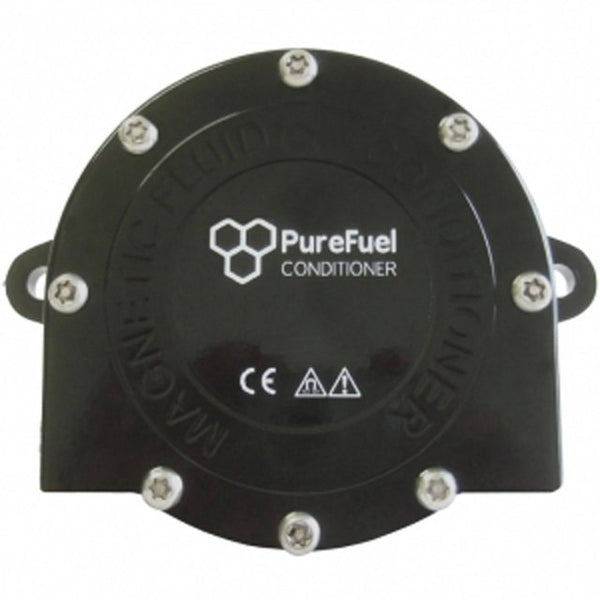
Diesel Pre-Filter Fuel Conditioner
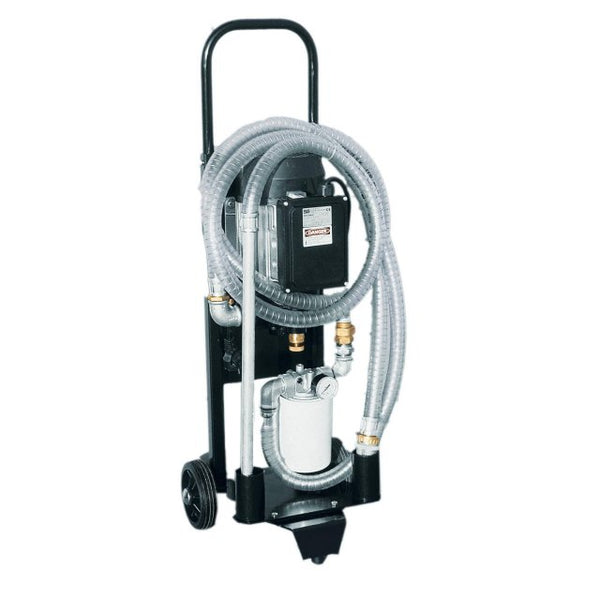
Piusi Depuroil Oil Filtration Unit
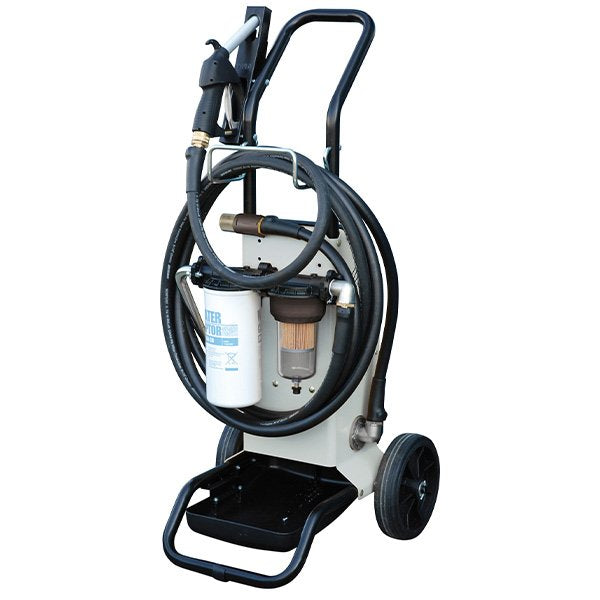
Piusi Filtroll Diesel Oil Filtration Unit
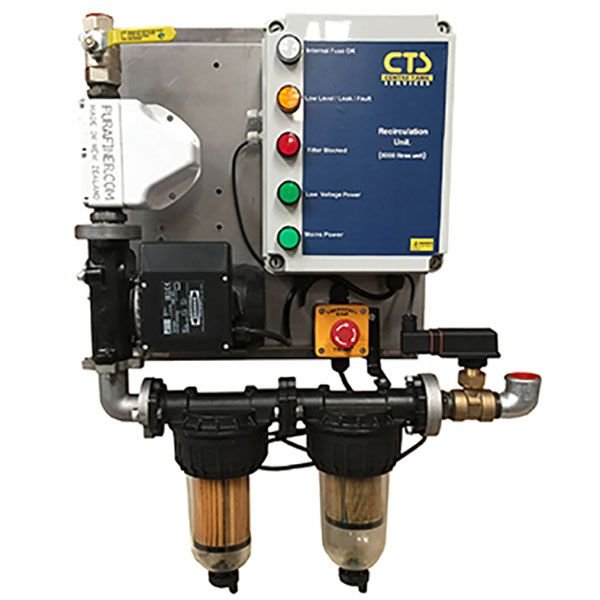
CTS Fuel Recirculation Unit
Not sure which tank you need?
Tell us your property, fuel type and typical annual use — one of our experts will spec the right tank for you in 24 hours.
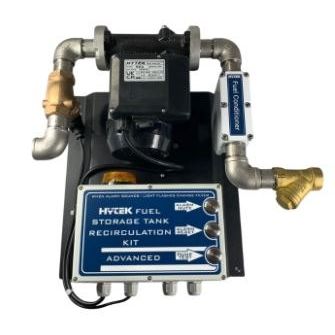
Fuel Storage Tank Fuel Conditioner/Re-Circulation Kit - Advanced
Talk to a specialist.
Sizing, regulations, installation. Our team has been answering these questions for 28 years.
Choosing the right Fuel Treatment
Protect your diesel engine and fuel system with high-quality fuel treatment solutions from Fuel Tank Shop and keep your machinery running smoothly and efficiently. When you invest in diesel fuel treatment, you're safeguarding your equipment against contamination, degradation, and potential costly damage. Our range of fuel treatments tackles common diesel challenges like water separation, microbial growth, and fuel stability, ensuring your engines perform at their best in all sorts of environmental conditions.
Whether you're managing agricultural machinery, construction equipment, or industrial generators, our carefully selected fuel treatment products help extend engine life, improve fuel economy, and reduce maintenance costs. You'll find options suitable for seasonal storage, regular maintenance, and emergency fuel system protection, with treatments designed for different fuel volumes and specific environmental challenges. By choosing our fuel treatments, you're not just maintaining your equipment, you're investing in reliable, long-term performance that keeps your operations running without unexpected downtime. Explore our diesel pump kits and isolation valves to create a comprehensive fuel management strategy for your machinery.
Fuel Treatment FAQs
What is diesel bug and how does it get into a tank?
Diesel bug is microbial growth — bacteria, yeasts and fungi — that lives at the interface between water and diesel in the bottom of a tank. Water arrives through condensation as the tank breathes, and through deliveries.
Modern diesel containing biodiesel is more hygroscopic than older fuel, which is why the problem has become more common in recent years.
How do I know if I have it?
Symptoms include filter blocking far sooner than expected, dark sludge or a slimy layer in filter housings, a sour smell from the tank, and dark staining on the dip stick at the water line.
Test kits are available that give an indication within a day and are worth using before committing to a treatment programme.
Will a biocide fix an existing infestation?
A biocide kills the organisms but does not remove the dead biomass, which then loads filters heavily. A serious infestation needs the water drawn off, the tank cleaned and the fuel polished, with biocide used to prevent recurrence.
Treating with biocide alone in a badly contaminated tank frequently causes a wave of filter blockages immediately afterwards.
What is the difference between a biocide and a stabiliser?
A biocide targets microbial growth. A stabiliser slows oxidation and gum formation in fuel stored for long periods, and is what you want for standby generators and seasonal plant.
Cold flow improvers are a third category, lowering the temperature at which wax crystals form and block filters in winter.
How do I prevent water getting in?
Keep the tank as full as practical to reduce the air space that condenses, fit and maintain a good lid seal and a desiccant vent breather where appropriate, and drain water from the tank base regularly.
Water management is far more effective than treating the consequences, and considerably cheaper.
Do additives improve fuel economy?
Detergent additives can restore injector cleanliness on engines running degraded fuel, which recovers lost efficiency. They do not improve on the performance of clean fuel in a clean engine.
Treat efficiency claims with caution; the reliable value of treatment is in preventing contamination problems rather than raising output.
- Choosing a selection results in a full page refresh.
- Opens in a new window.

New customer offer
£25
off your first order
Minimum spend £500. One code per customer.
Join our mailing list
We'll email your discount code, plus stock updates and trade offers.
We use your email to send your discount code and marketing emails you've opted into. See our privacy policy for how we handle your data.
You're on the list
Check your inbox — your code is on its way. Add us to your safe senders so it doesn't land in spam.