


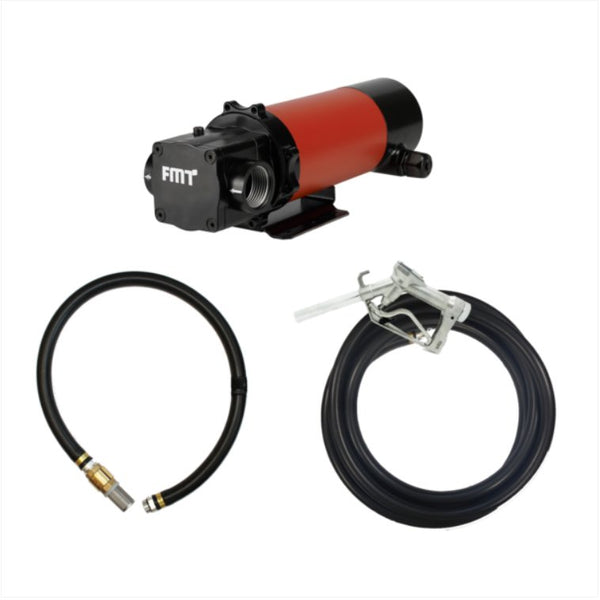
FMT 230V Portable Fuel Transfer Pump Kit
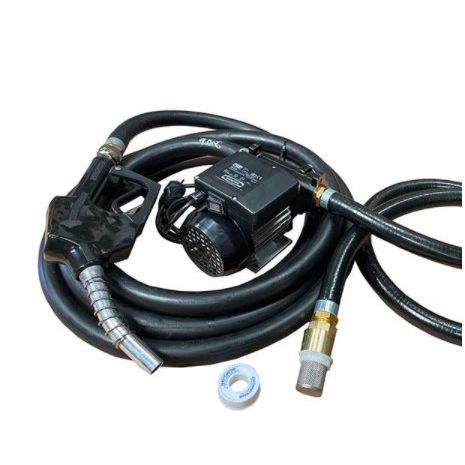
Piusi Panther Diesel Transfer Pump Kit 230v
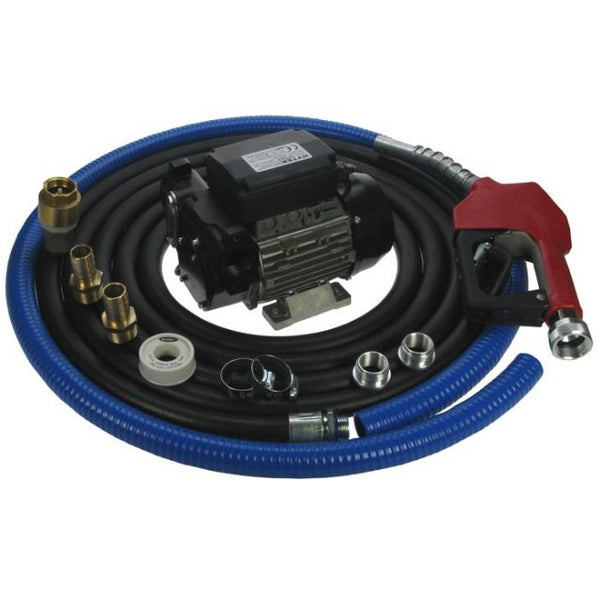
230V Diesel Pump Complete Kit
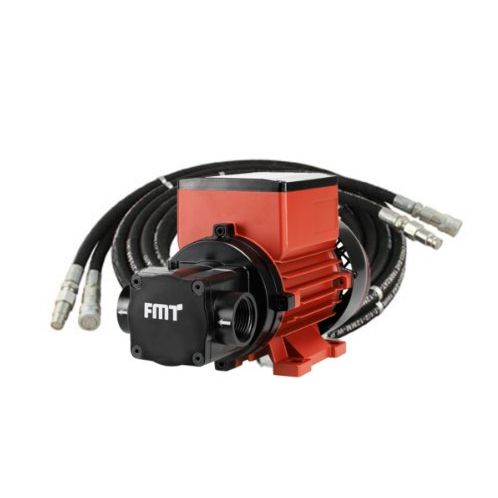
Tank Installers Kit
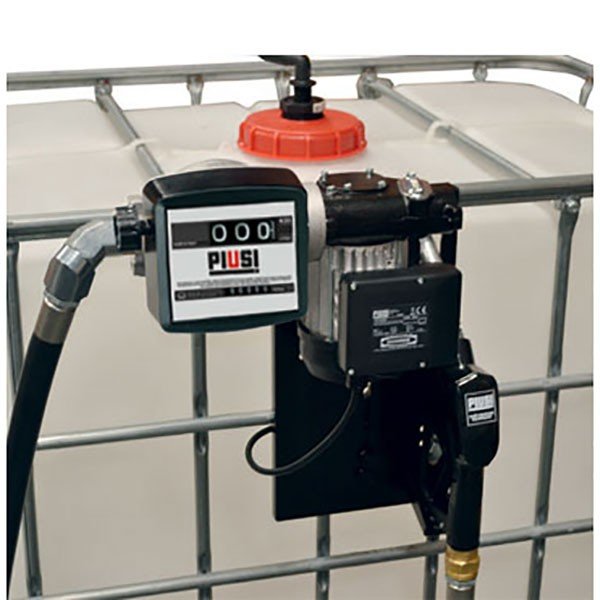
IBC Electric Diesel Transfer Pump Kit
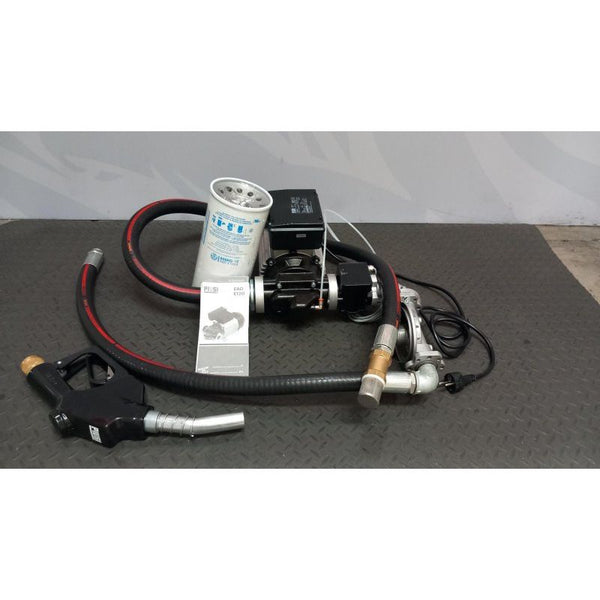
Piusi Panther E120 Diesel Transfer Pump kit 230v with Pulse Outlet & Hose Tails
Not sure which tank you need?
Tell us your property, fuel type and typical annual use — one of our experts will spec the right tank for you in 24 hours.
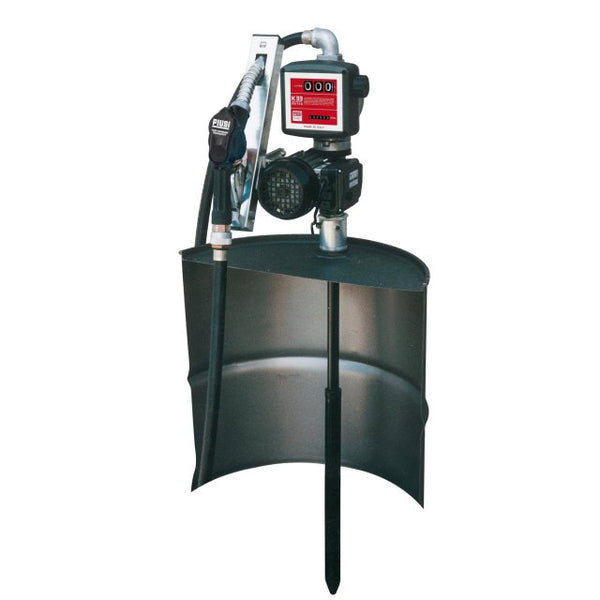
Piusi Drum Diesel Dispensing Unit
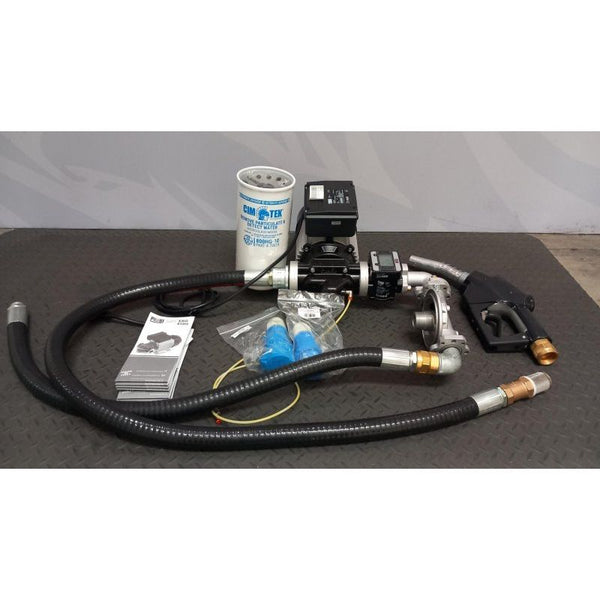
Piusi Panther E120 Diesel Transfer Pump kit 230v with Hose Tails
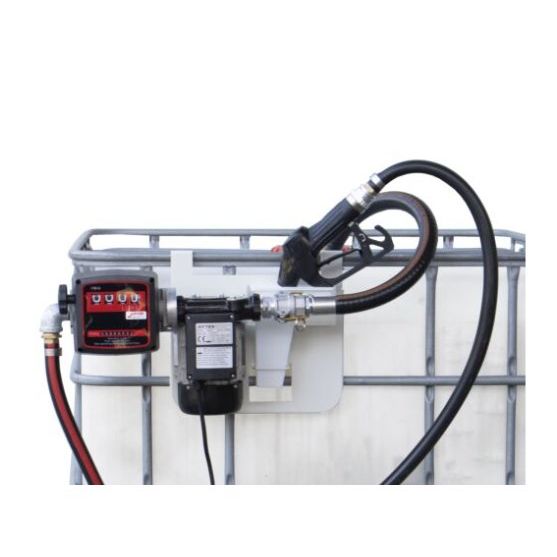
230v IBC Diesel Pump Kit

Piusi Wall Mounted Diesel Transfer Pump with Flow Meter
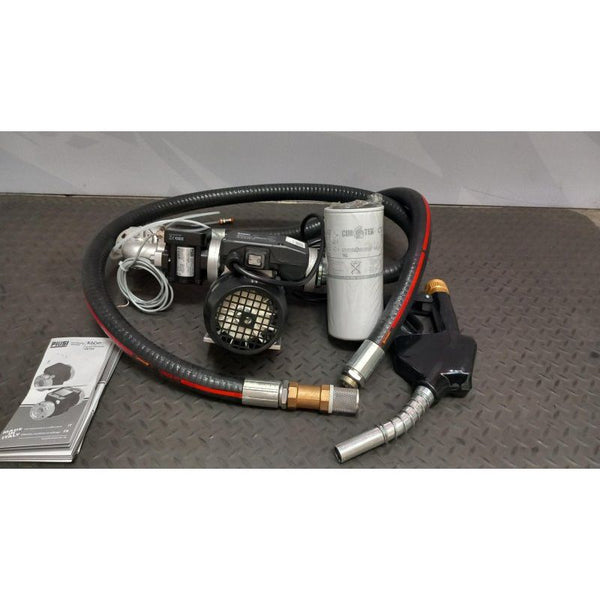
Piusi Panther 72 Diesel Transfer Pump kit 230v with Pulse Outlet & Hose Tails
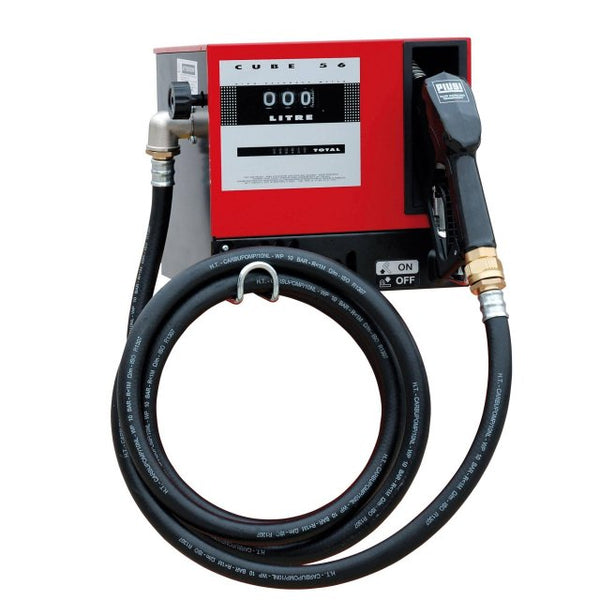
Piusi Cube 56 Diesel Dispensing Unit
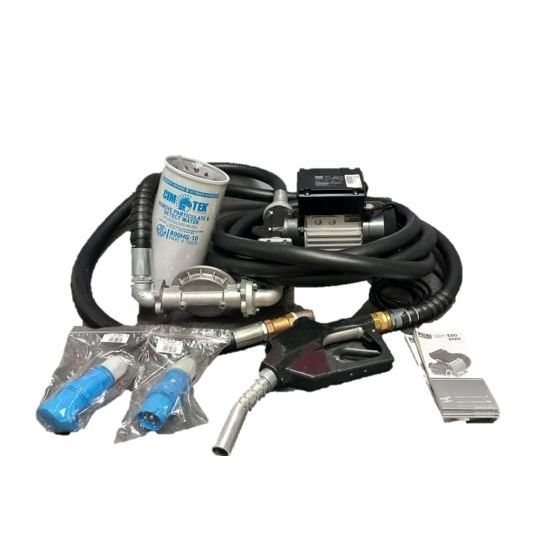
Piusi E120 Diesel Transfer Pump Kit 230v
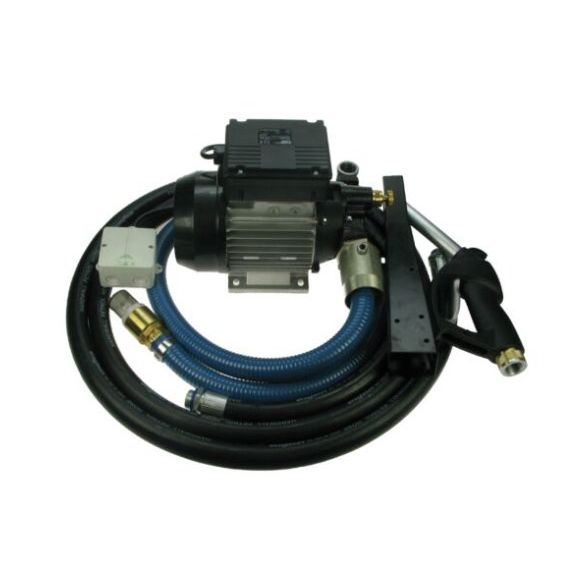
Transfer Pump Kit - 230V
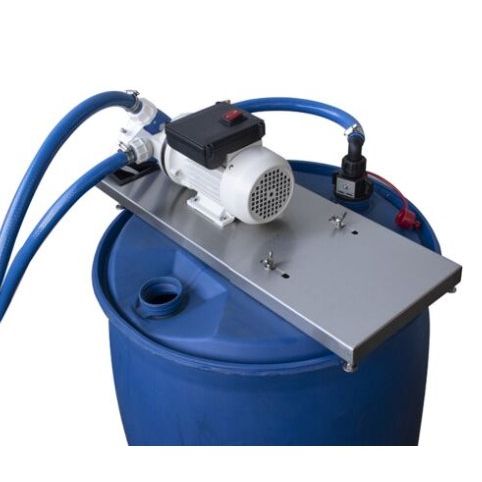
230v Top Plate Drum Mounting Kits For AdBlue

230v Wall Mounted AdBlue Transfer Pump Kit
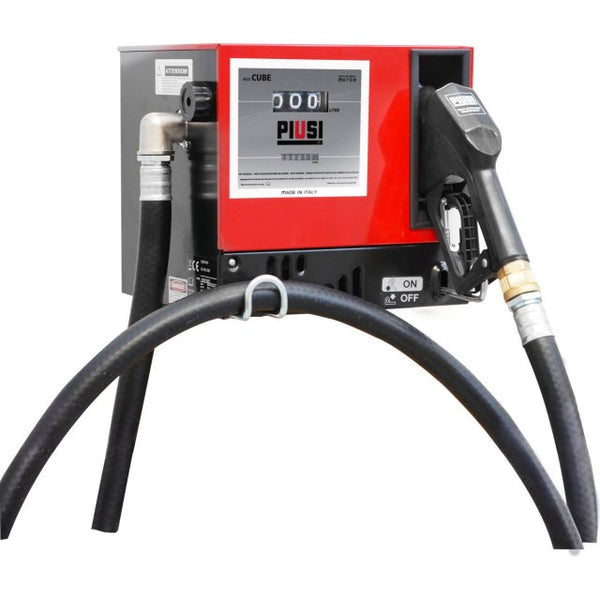
Piusi Cube 70 Diesel Dispensing Unit
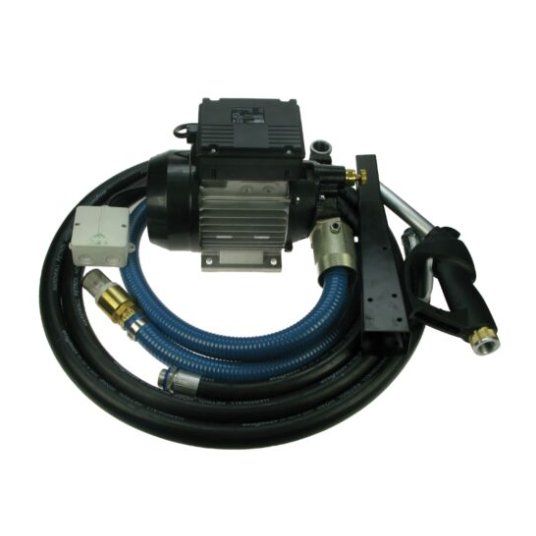
Transfer Pump Kit - 230V 50L/Min
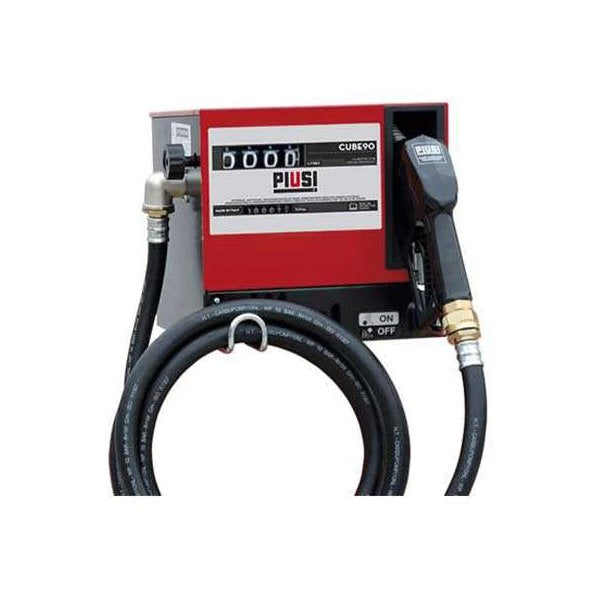
Piusi Cube 90 Diesel Transfer Pump
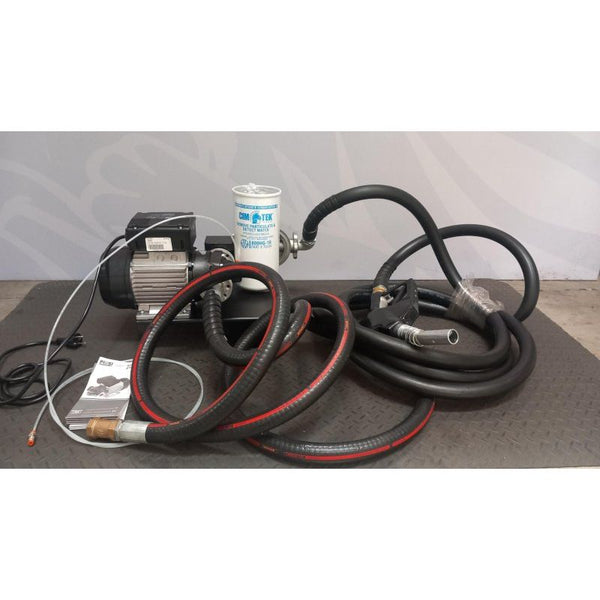
Piusi Panther E120 Diesel Transfer Pump kit 230v with Pulse Outlet
Talk to a specialist.
Sizing, regulations, installation. Our team has been answering these questions for 28 years.
Choosing the right 230V Pump Kits
At Fuel Tank Shop, our high-performance 230v pump kits are engineered for stationary applications that demand consistent, powerful, and precise fuel management. These pump systems are ideal for industrial facilities, agricultural operations, construction sites, and commercial fuel storage locations where standard electrical power is readily available. Designed to handle high-volume fuel transfers with exceptional efficiency, our 230v pump kits offer superior performance compared to portable alternatives, making them the go-to solution for fixed fuel distribution networks. You'll discover a comprehensive range of pump kits featuring advanced flow control, automatic shut-off mechanisms, and durable construction that ensures long-term reliability in demanding environments.
From small-scale workshops to large industrial complexes, these pump kits provide the flexibility to manage fuel transfers with precision and safety. Each kit is engineered to minimise waste, prevent contamination, and streamline your fuel handling processes. For a holistic approach to fuel management, explore our full range of fuel treatment solutions including isolation valves for a comprehensive fuel management approach.
230V Pump Kits FAQs
Why choose 230V over 12V or 24V?
Where mains power is available at the tank, 230V gives higher and more consistent flow, longer duty cycles and no battery drain. It is the standard choice for fixed yard and depot fuel points.
Battery-powered pumps make sense for mobile and remote dispensing; for anything static and regularly used, mains is the better answer.
What flow rates are typical?
Most 230V diesel pump kits deliver between 55 and 90 litres per minute at the pump. Actual flow at the nozzle depends on hose bore, length, filtration and the nozzle rating.
For filling HGVs and larger plant, look at the upper end of that range or move to a three-phase pump.
Does it need to be installed by an electrician?
The fuel-side plumbing can generally be done by a competent person, but the electrical connection should be carried out by a qualified electrician, particularly where a fixed supply, isolator and RCD protection are involved.
Outdoor installations need appropriate IP-rated enclosures and correct cable glanding, which is where DIY installations most often fall short.
Can a 230V pump run dry?
Most vane pumps tolerate brief dry running but will be damaged by sustained running without fuel, as the vanes rely on fuel for lubrication and cooling.
Fitting a low-level switch or an automatic cut-off protects the pump and is worth the small additional cost on any tank that is regularly run low.
What is the duty cycle?
Continuous-rated pumps can run indefinitely; intermittent-rated pumps need a rest period after a stated run time, commonly 30 minutes on and 30 off.
For a busy fuel point filling several vehicles in succession, specify a continuous-duty pump — an intermittent pump used continuously will fail early.
Do I need a bypass valve?
Most quality pumps include one internally. It allows fuel to recirculate when the nozzle is closed, preventing pressure build-up and hose damage when the pump is left running.
If a pump has no bypass, the nozzle must never be closed while the pump runs, which is impractical in normal use.
- Choosing a selection results in a full page refresh.
- Opens in a new window.

New customer offer
£25
off your first order
Minimum spend £500. One code per customer.
Join our mailing list
We'll email your discount code, plus stock updates and trade offers.
We use your email to send your discount code and marketing emails you've opted into. See our privacy policy for how we handle your data.
You're on the list
Check your inbox — your code is on its way. Add us to your safe senders so it doesn't land in spam.