


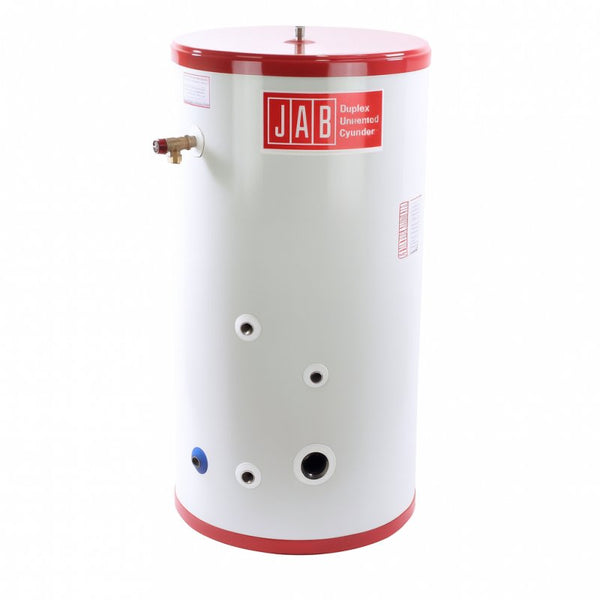
JAB DUC 2 90L Indirect Unvented S/S Cylinder

JAB DUC 2 125L Indirect Unvented S/S Cylinder
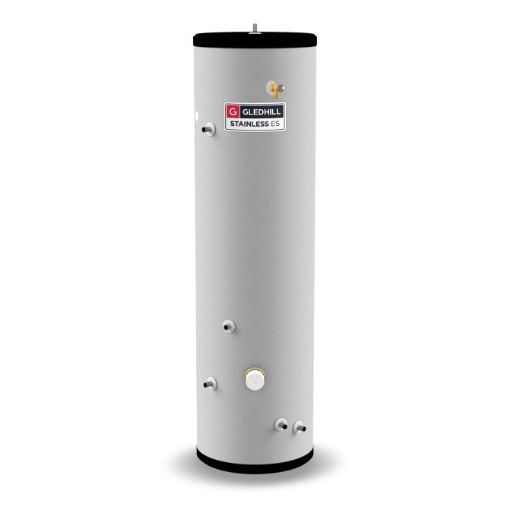
Gledhill Es 90 Litre Indirect Unvented Cylinder
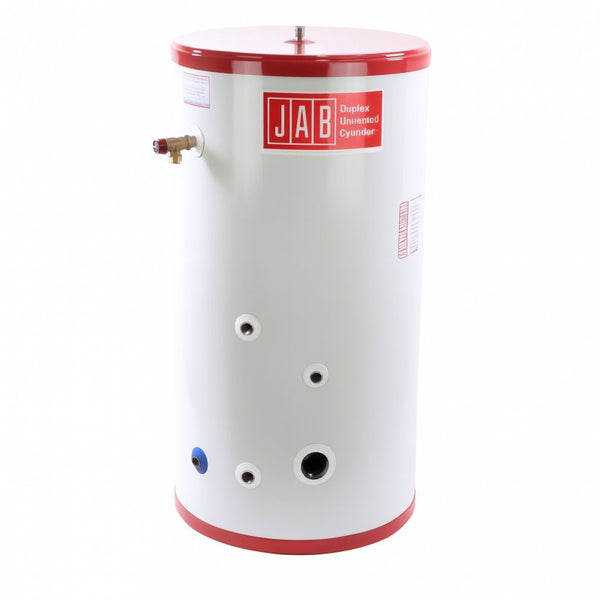
JAB DUC 2 150L Indirect Unvented S/S Cylinder
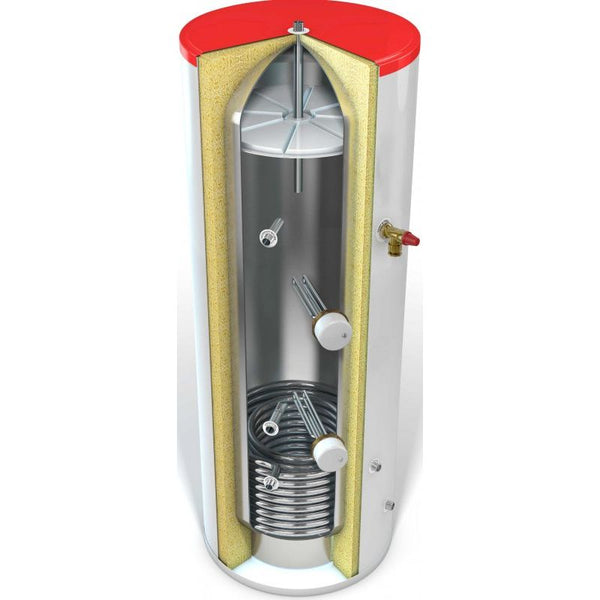
JAB DUC IE Compact 90L Indirect Internal Expansion Unvented Hot Water Cylinder
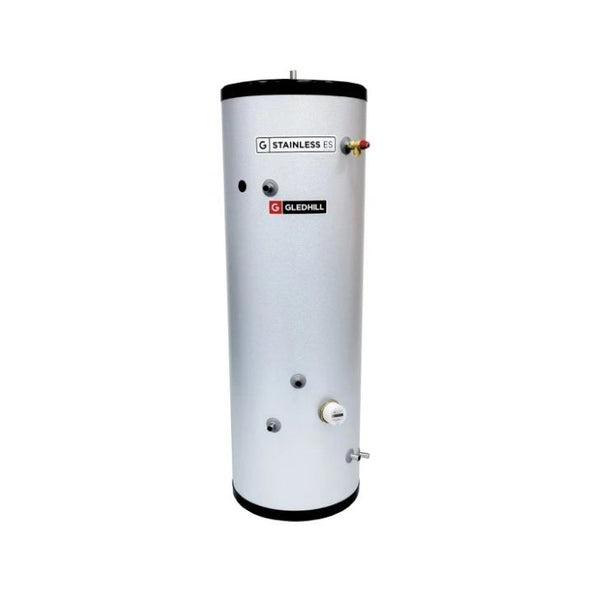
Gledhill Es 120 Litre Indirect Unvented Cylinder
Not sure which tank you need?
Tell us your property, fuel type and typical annual use — one of our experts will spec the right tank for you in 24 hours.
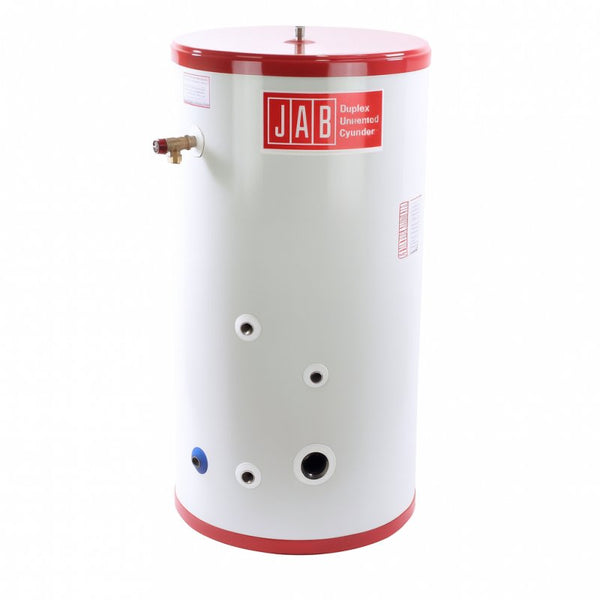
JAB DUC 2 170L Indirect Unvented S/S Cylinder
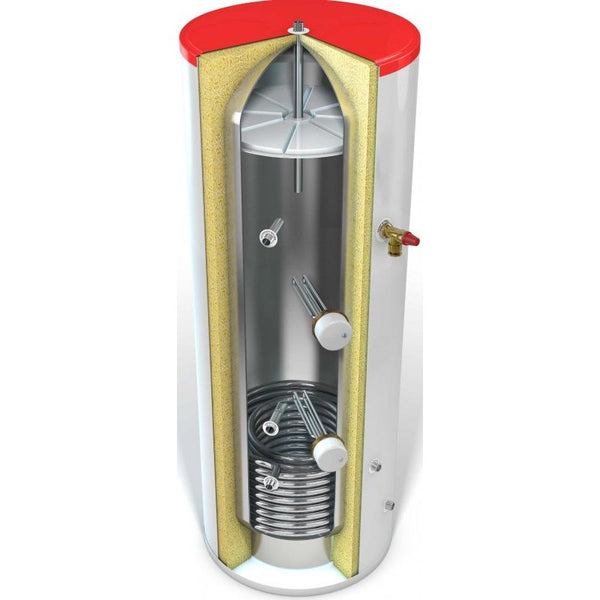
JAB DUC IE Compact 120L Indirect Internal Expansion Unvented Hot Water Cylinder
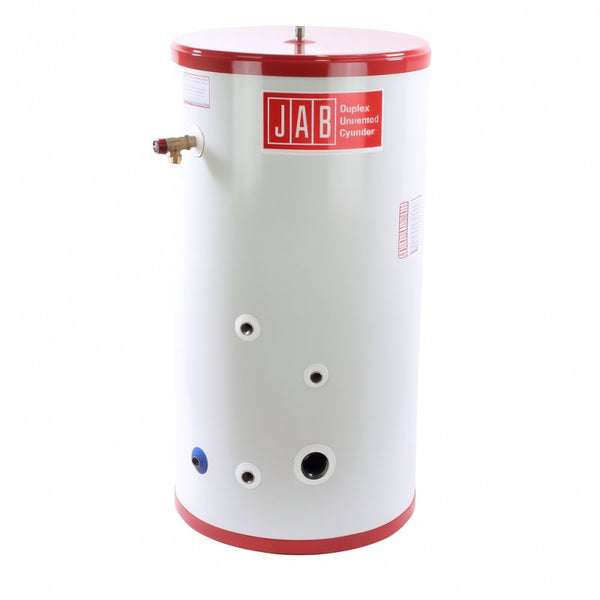
JAB DUC 2 200L Indirect Unvented S/S Cylinder
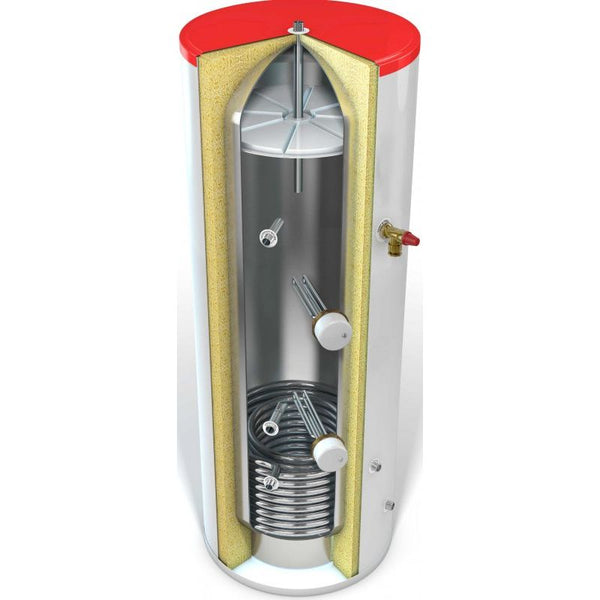
JAB DUC IE Compact 150L Indirect Internal Expansion Unvented Hot Water Cylinder
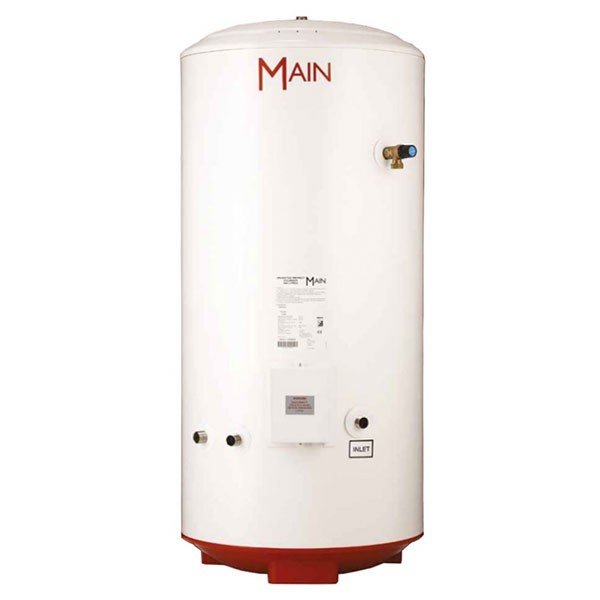
Main Heating 120 Litre Indirect Unvented Hot Water Cylinder
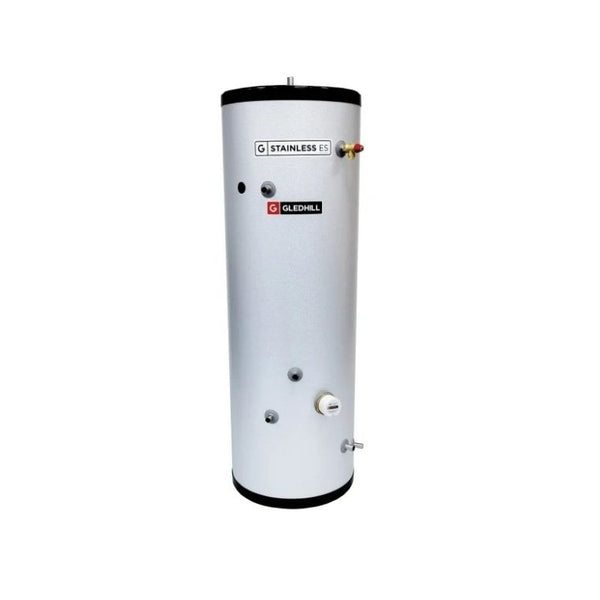
Gledhill Es 170 Litre Indirect Unvented Cylinder
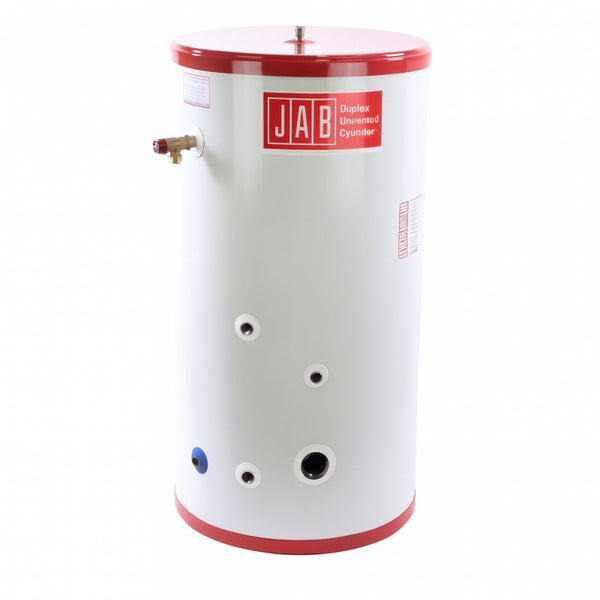
JAB DUC 2 90L Indirect Slim Unvented Cylinder
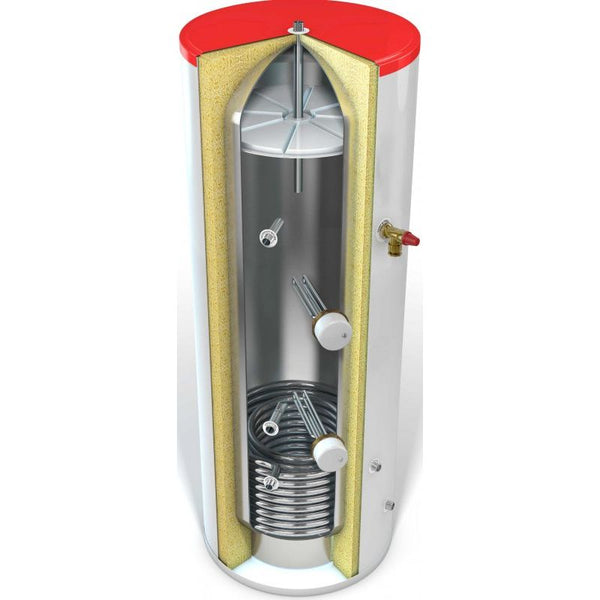
JAB DUC IE Compact 180L Indirect Internal Expansion Unvented Hot Water Cylinder
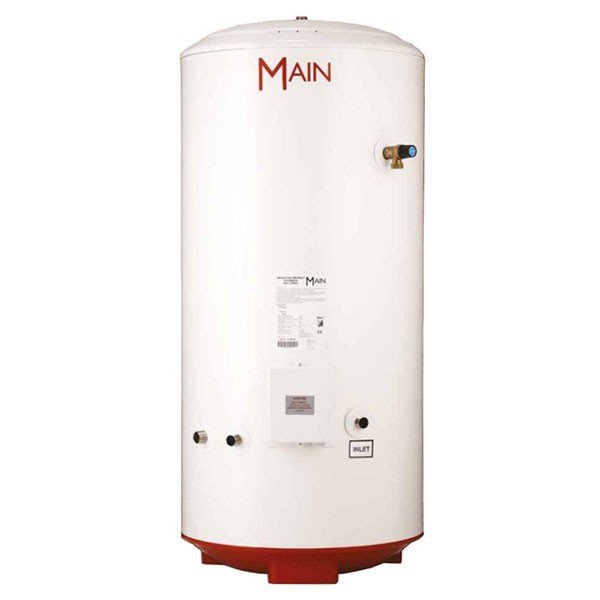
Main Heating 150 Litre Indirect Unvented Hot Water Cylinder

Gledhill Es 200 Litre Indirect Unvented Cylinder
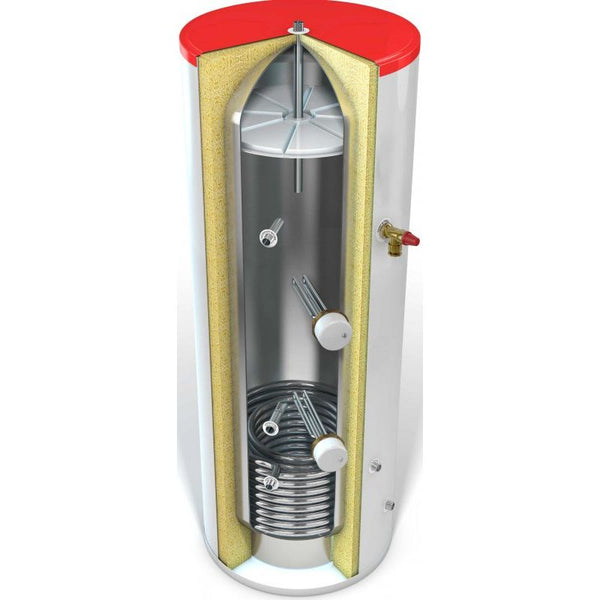
JAB DUC IE Compact 200L Indirect Internal Expansion Unvented Hot Water Cylinder
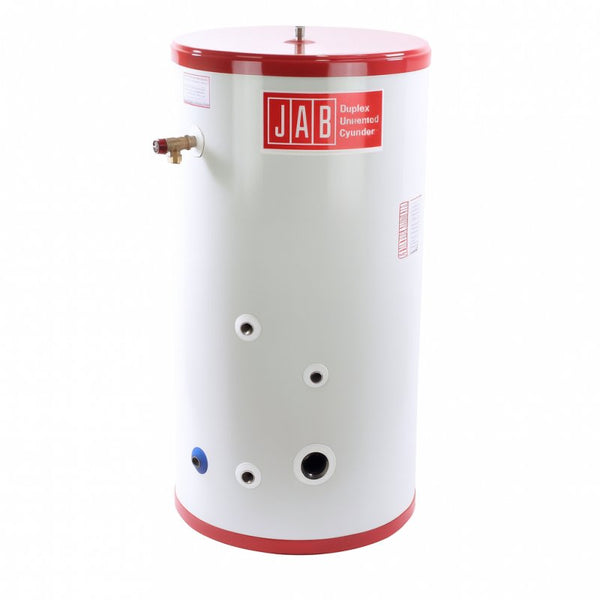
JAB DUC 2 125L Indirect Slim Unvented Cylinder
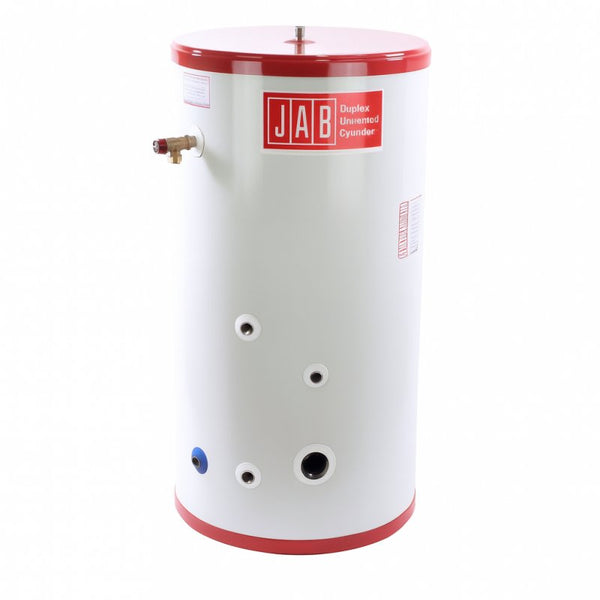
JAB DUC 2 250L Indirect Unvented S/S Cylinder
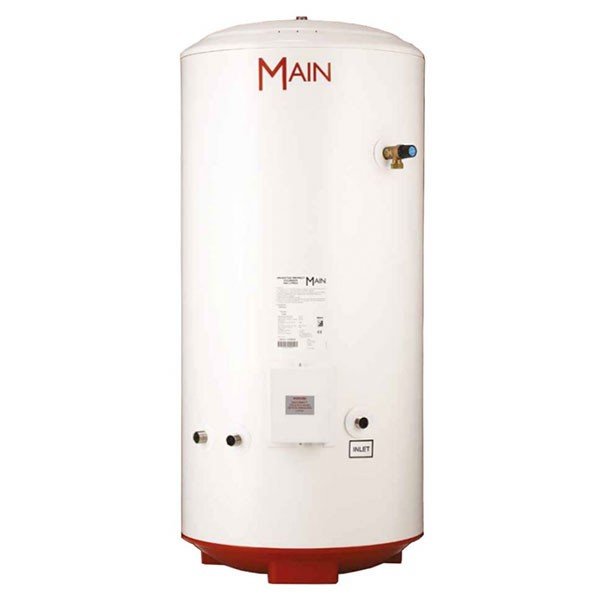
Main Heating 170 Litre Indirect Unvented Hot Water Cylinder
Talk to a specialist.
Sizing, regulations, installation. Our team has been answering these questions for 28 years.
Indirect Unvented FAQs
What is an indirect unvented cylinder?
A cylinder fed at mains pressure that is heated by a coil connected to a boiler or heat pump, usually with an immersion element as backup. It delivers mains-pressure hot water without a cold tank in the loft.
This is the most common configuration in modern UK homes with a system or regular boiler.
Will it work with a heat pump?
Only if the cylinder is specified for heat pump use. Heat pumps run at lower flow temperatures than boilers, so they need a much larger coil surface area to transfer heat effectively. A standard boiler cylinder paired with a heat pump will underperform badly.
Look for cylinders explicitly rated for heat pump duty, which state coil area and reheat times at low flow temperatures.
Can I fit one where I currently have a vented cylinder?
Usually, provided the incoming mains can deliver adequate flow and pressure — typically at least 1.5 bar and around 20 litres per minute. The loft tank and its pipework come out, and a discharge route for the relief valves has to be found.
The discharge pipe routing is generally the deciding practical constraint in a retrofit, particularly in flats and mid-terrace properties.
What is a twin coil cylinder for?
A twin coil has two separate heating coils, allowing two heat sources — most commonly a boiler on one and solar thermal or a heat pump on the other. The lower coil takes the renewable source so it heats the coldest water at the bottom of the cylinder.
If solar thermal or a second heat source is a possibility later, specifying twin coil now is far cheaper than replacing the cylinder afterwards.
Why is my hot water running out faster than it used to?
Usually scale build-up on the coil in hard water areas, a failed thermostat, or thermal stratification breaking down through a faulty valve letting cold water in.
In unvented systems, a waterlogged expansion vessel can also reduce usable capacity. If output has fallen gradually over years, scale is the most likely cause; if suddenly, suspect a control or valve.
Does it need a G3 qualified installer?
Yes — the same as any unvented system. Installation and servicing are notifiable work under Building Regulations Part G and require G3 certification.
Annual servicing is also generally a warranty condition, covering the expansion vessel, relief valves and anode.
- Choosing a selection results in a full page refresh.
- Opens in a new window.

New customer offer
£25
off your first order
Minimum spend £500. One code per customer.
Join our mailing list
We'll email your discount code, plus stock updates and trade offers.
We use your email to send your discount code and marketing emails you've opted into. See our privacy policy for how we handle your data.
You're on the list
Check your inbox — your code is on its way. Add us to your safe senders so it doesn't land in spam.