


Gledhill Es 90 Litre Direct Unvented Cylinder
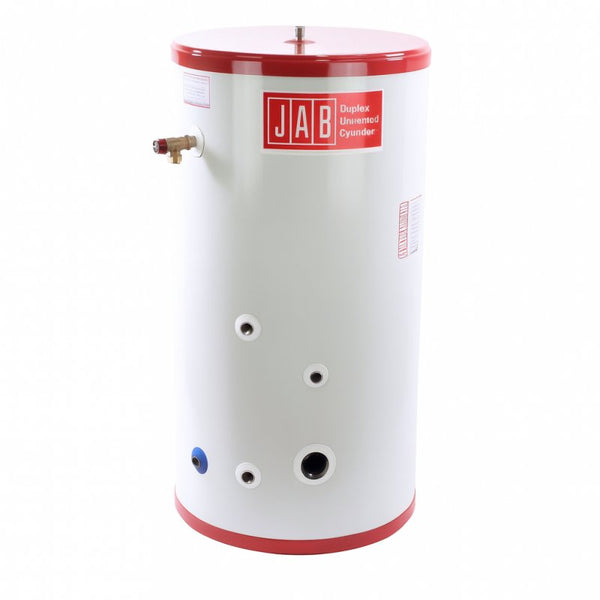
JAB DUC 2 60L Direct Unvented S/S Cylinder

JAB DUC 2 90L Direct Unvented S/S Cylinder
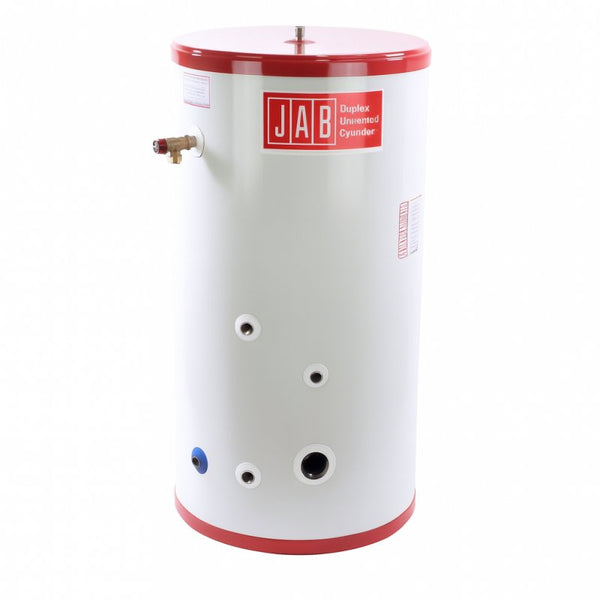
JAB DUC 2 125L Direct Unvented S/S Cylinder
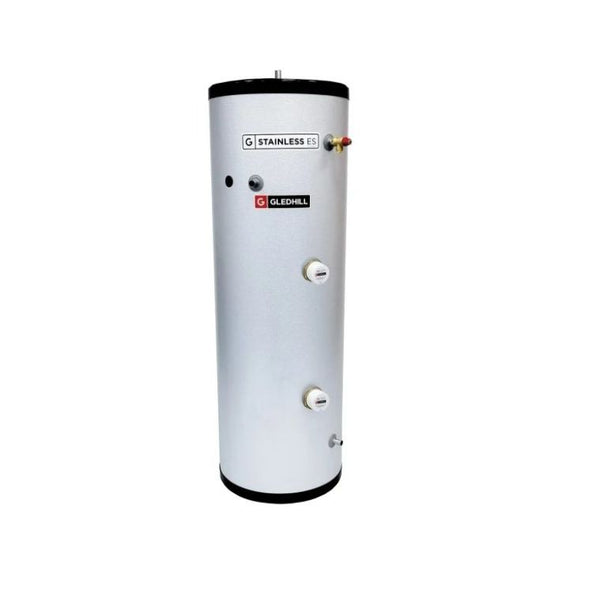
Gledhill Es 120 Litre Direct Unvented Cylinder
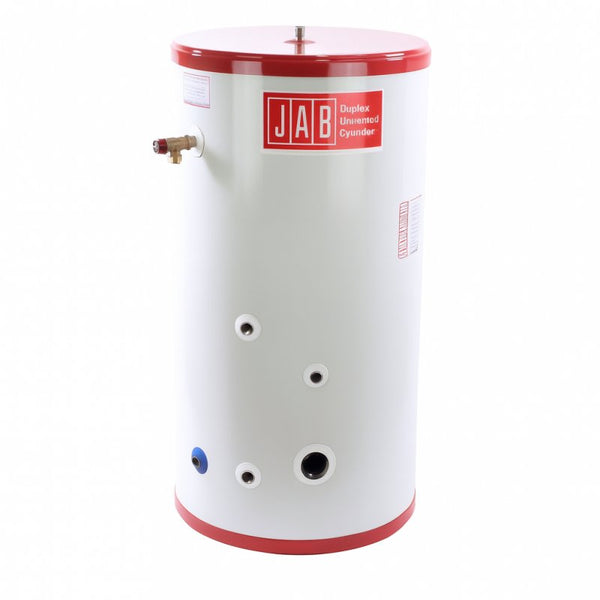
JAB DUC 2 150L Direct Unvented S/S Cylinder
Not sure which tank you need?
Tell us your property, fuel type and typical annual use — one of our experts will spec the right tank for you in 24 hours.
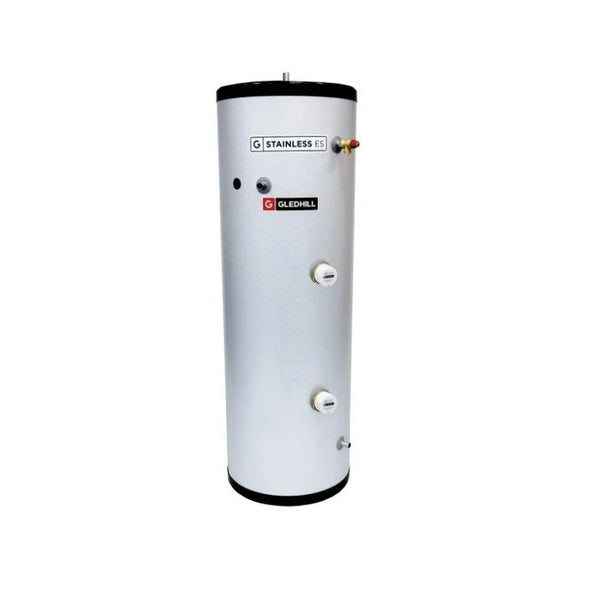
Gledhill Es 150 Litre Direct Unvented Cylinder
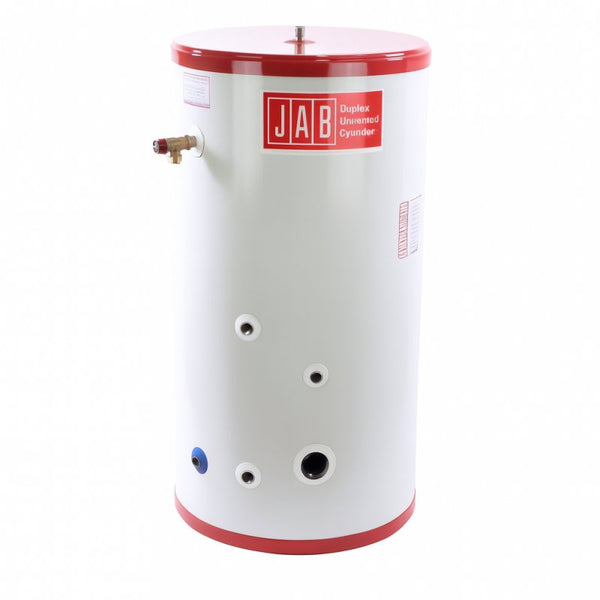
JAB DUC 2 170L Direct Unvented S/S Cylinder
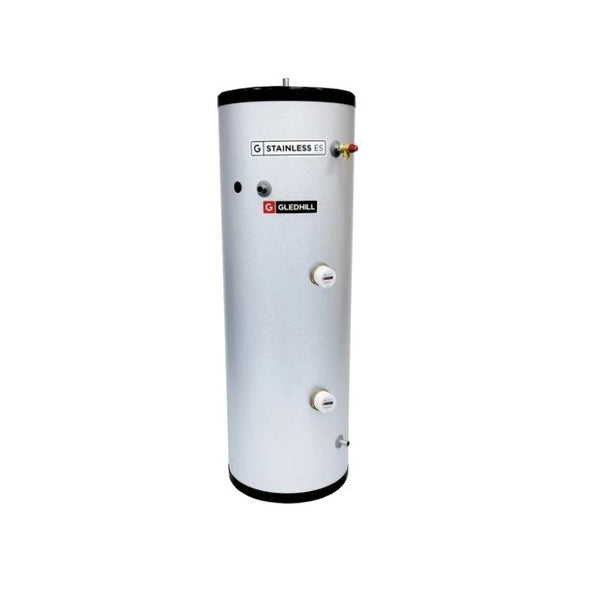
Gledhill Es 170 Litre Direct Unvented Cylinder
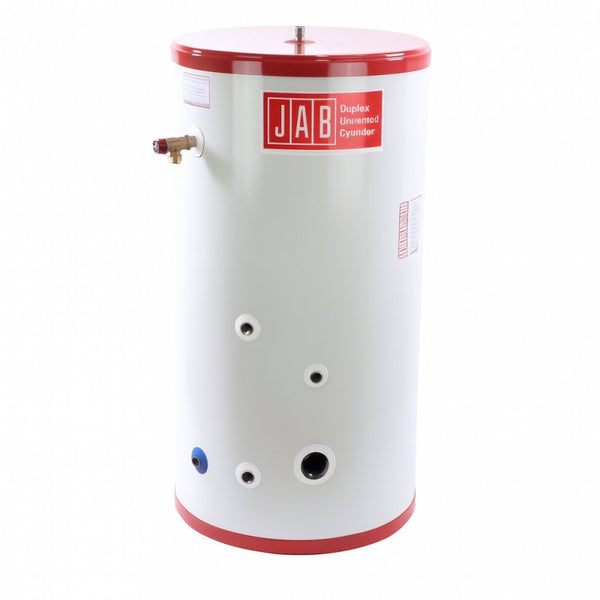
JAB DUC 2 200L Direct Unvented S/S Cylinder
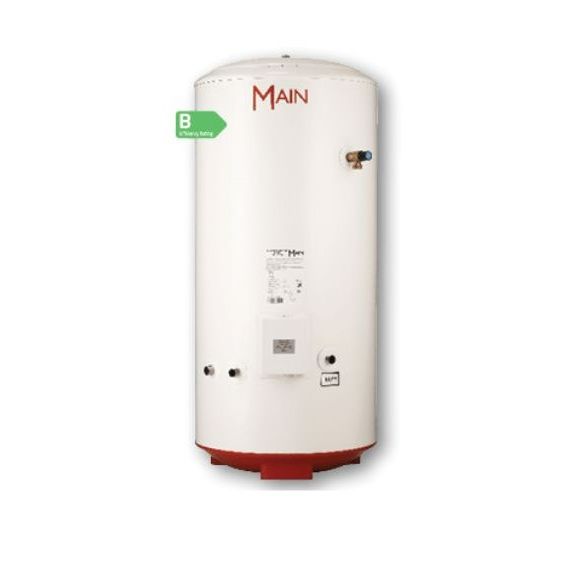
Main Heating 120 Litre Direct Unvented Hot Water Cylinder
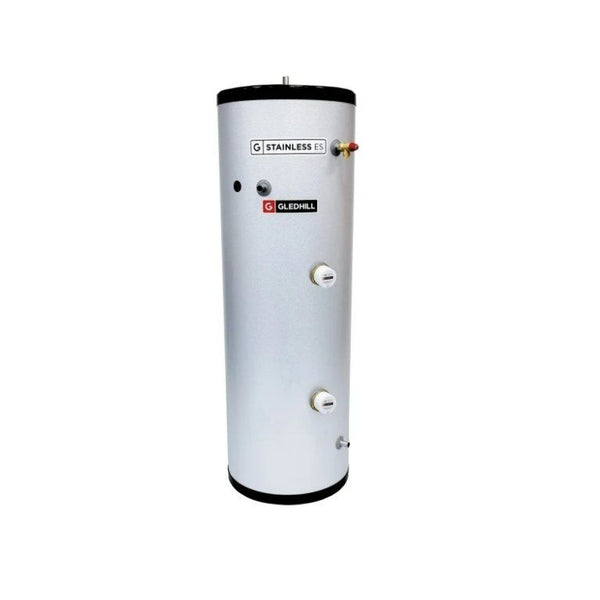
Gledhill Es 200 Litre Direct Unvented Cylinder
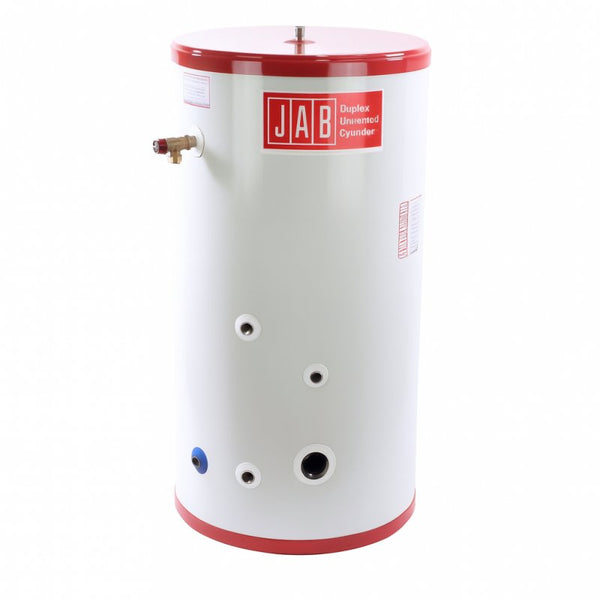
JAB DUC 2 90L Direct Slim Unvented Cylinder
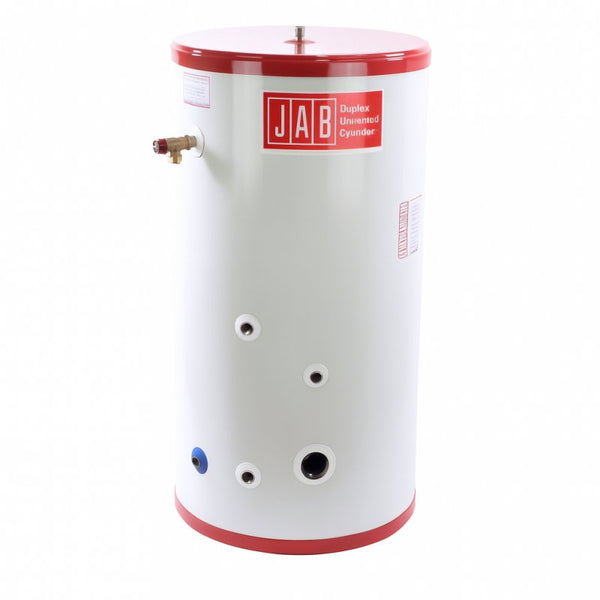
JAB DUC 2 125L Direct Slim Unvented Cylinder
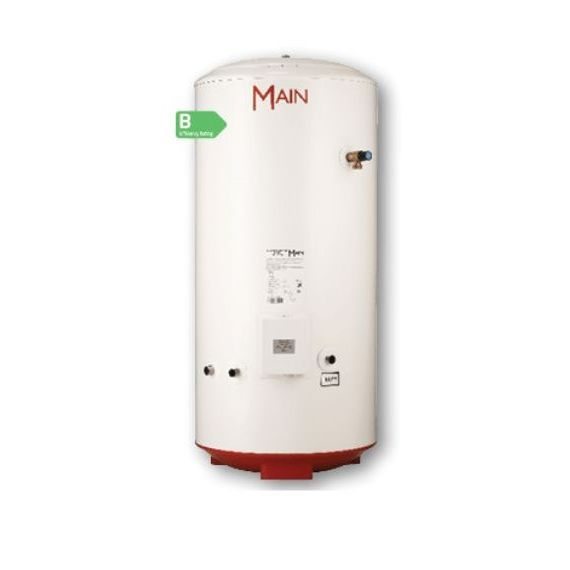
Main Heating 150 Litre Direct Unvented Hot Water Cylinder
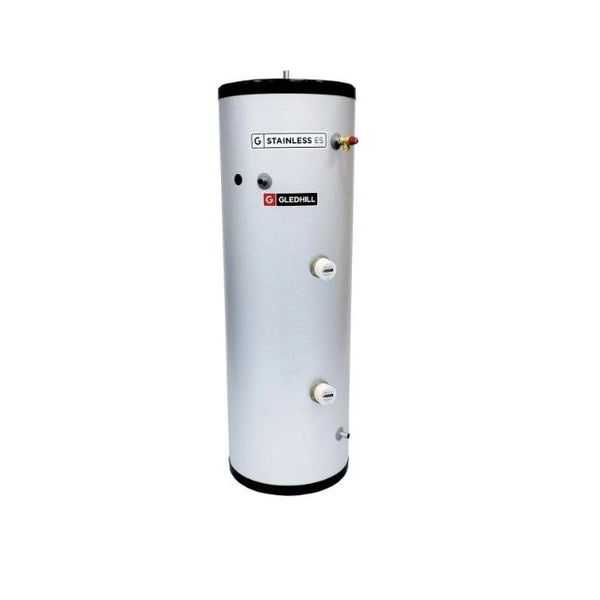
Gledhill Es 250 Litre Direct Unvented Cylinder
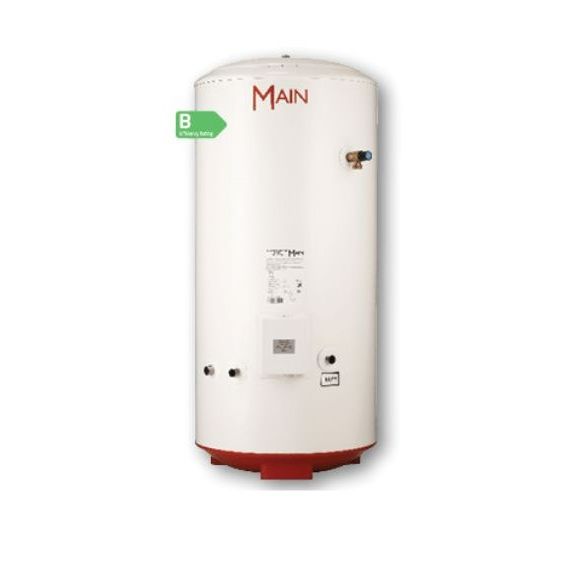
Main Heating 170 Litre Direct Unvented Hot Water Cylinder
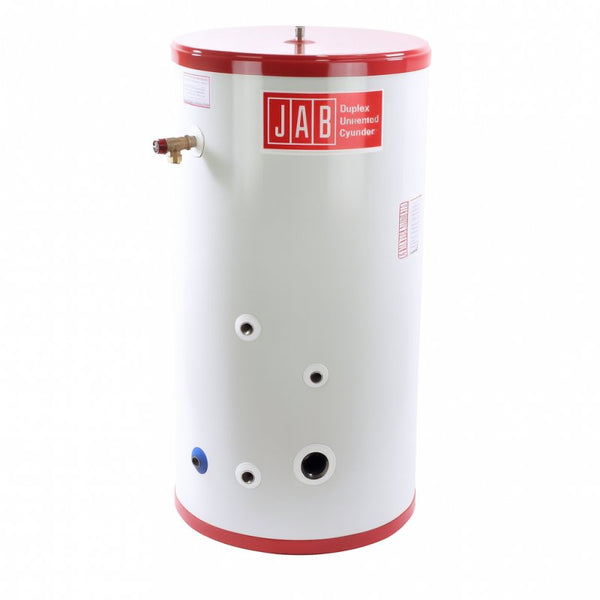
JAB DUC 2 150L Direct Slim Unvented Cylinder
Talk to a specialist.
Sizing, regulations, installation. Our team has been answering these questions for 28 years.
Direct Unvented Cylinders FAQs
What does 'direct unvented' actually mean?
Unvented means the cylinder is fed directly from the mains and delivers hot water at mains pressure, with no cold water tank in the loft. Direct means the water is heated by immersion elements inside the cylinder rather than by a boiler coil.
So a direct unvented cylinder suits properties with no boiler, or where the heat source is electric — including homes on Economy 7 or with solar PV diverting to the immersion.
Do I need a G3 qualified installer?
Yes. Unvented hot water systems are notifiable work under Building Regulations Part G, and installation must be carried out by someone holding a G3 qualification. Installing one without is both unlawful and a genuine safety risk.
The system stores water above 60°C under pressure; the safety devices exist to prevent a stored-energy failure and must be commissioned correctly.
What safety devices does an unvented cylinder need?
A pressure reducing valve, an expansion vessel or internal air gap, a temperature and pressure relief valve, and a discharge pipe routed safely to a visible, frost-free termination.
The discharge arrangement is the part most often got wrong on retrofit installations — it must be sized correctly and terminate where a discharge would be noticed but cause no scald risk.
How does it compare to a vented cylinder?
Unvented gives mains-pressure hot water at every outlet with no loft tank, which usually means better showers and simpler pipework. Vented systems are cheaper, simpler and can be worked on without a G3 qualification, but flow depends on the height of the tank above the outlet.
Unvented needs adequate mains flow and pressure — typically at least 1.5 bar and 20 litres per minute — so check incoming supply before specifying.
What size cylinder should I choose?
Size against peak simultaneous demand and reheat time rather than household size alone. As a rough guide, 150 litres suits a one-bathroom home, 210 to 250 litres a two-bathroom home, and 300 litres and above where there are multiple bathrooms or a high-flow shower.
Direct cylinders reheat more slowly than indirect ones, so err upward if the household showers at the same time each morning.
How often does an unvented cylinder need servicing?
Annually. Servicing checks the expansion vessel charge, the relief valves, the immersion elements and the sacrificial anode where fitted. Manufacturers generally require documented annual servicing to maintain the warranty.
A failed expansion vessel is the most common fault and shows itself as the relief valve discharging intermittently.
- Choosing a selection results in a full page refresh.
- Opens in a new window.

New customer offer
£25
off your first order
Minimum spend £500. One code per customer.
Join our mailing list
We'll email your discount code, plus stock updates and trade offers.
We use your email to send your discount code and marketing emails you've opted into. See our privacy policy for how we handle your data.
You're on the list
Check your inbox — your code is on its way. Add us to your safe senders so it doesn't land in spam.