


Gledhill Es 90 Litre Direct Unvented Cylinder
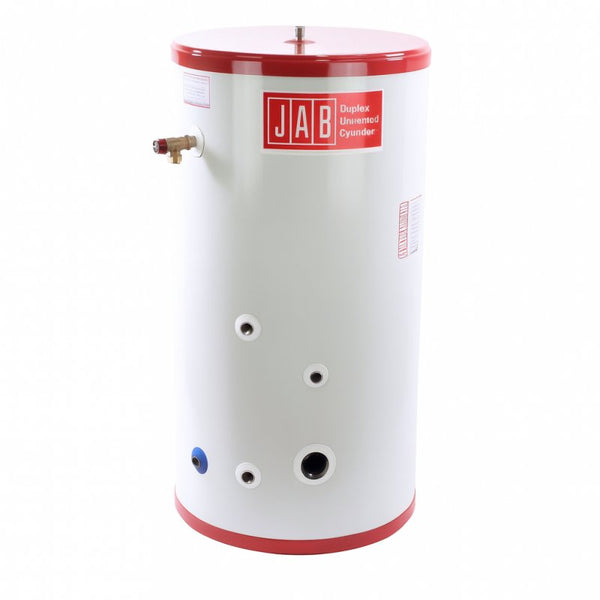
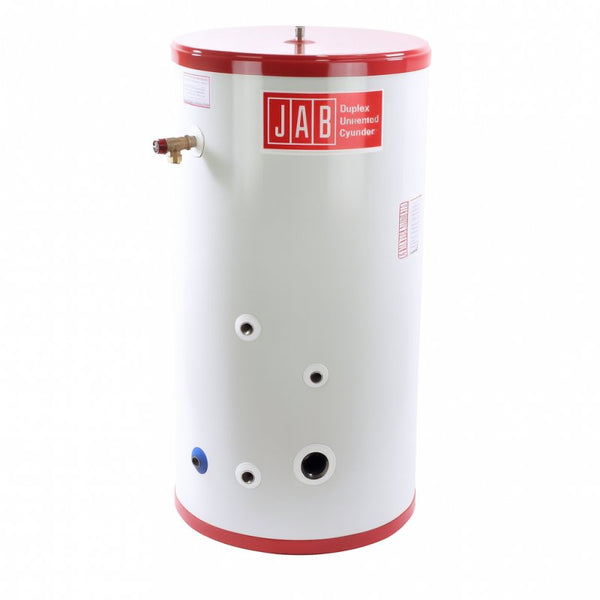
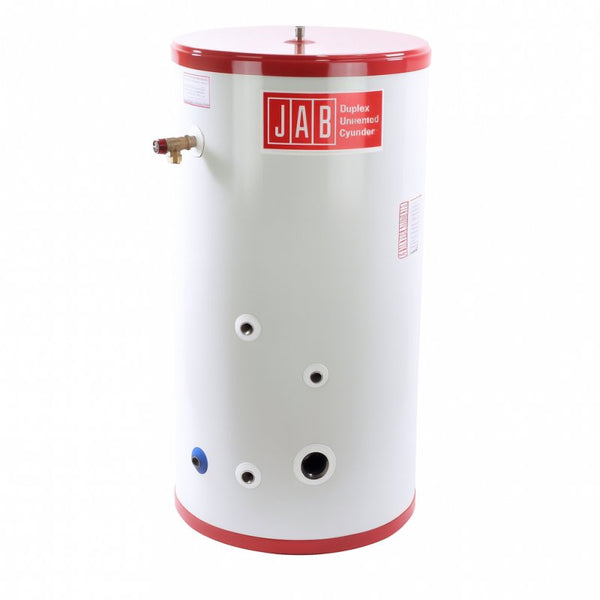
JAB DUC 2 60L Direct Unvented S/S Cylinder

JAB DUC 2 90L Direct Unvented S/S Cylinder
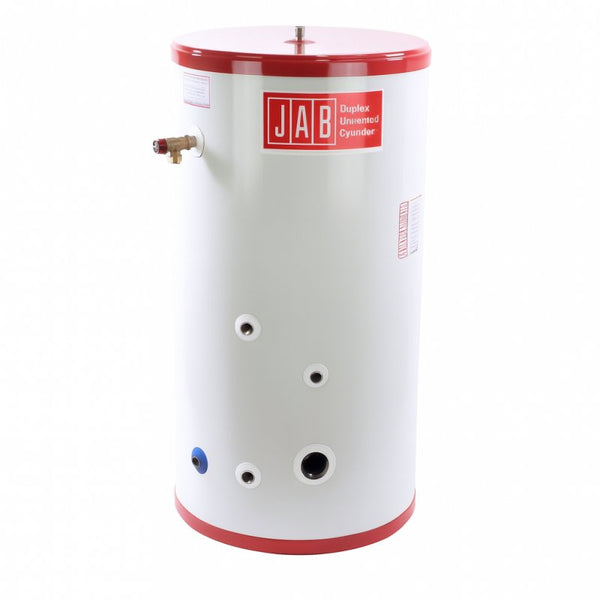
JAB DUC 2 125L Direct Unvented S/S Cylinder
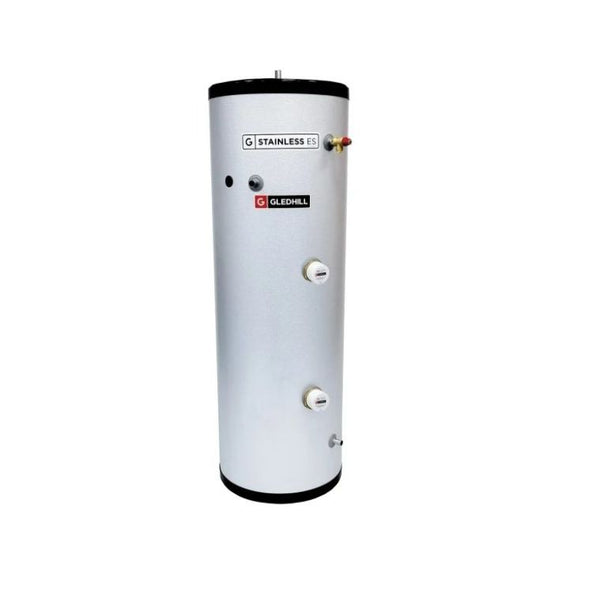
Gledhill Es 120 Litre Direct Unvented Cylinder
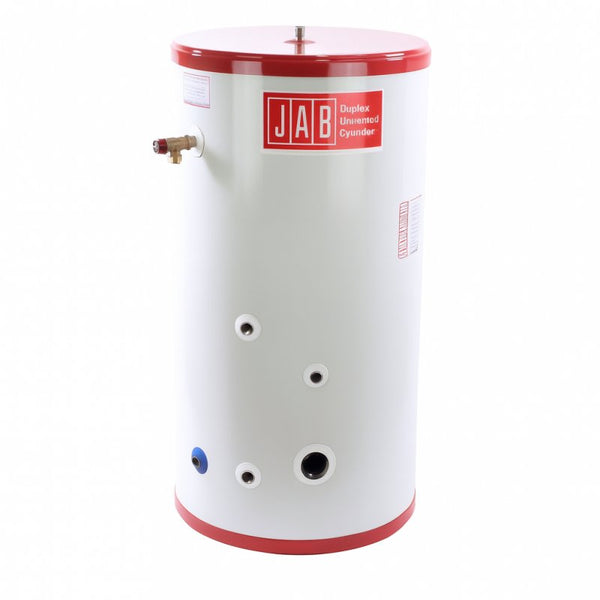
JAB DUC 2 150L Direct Unvented S/S Cylinder
Not sure which tank you need?
Tell us your property, fuel type and typical annual use — one of our experts will spec the right tank for you in 24 hours.
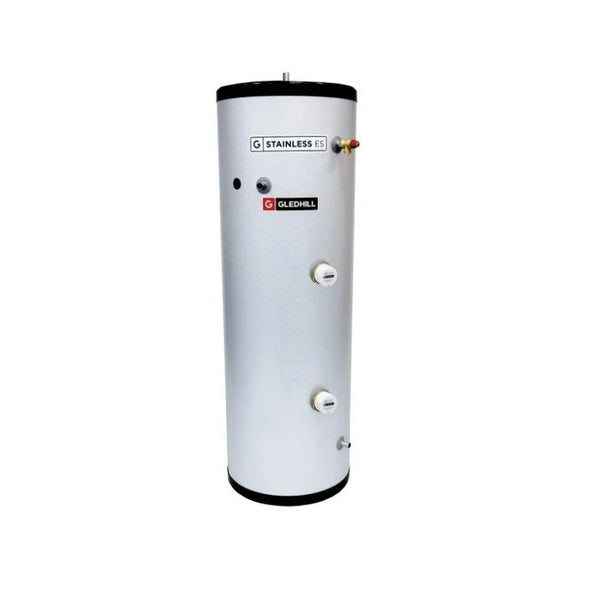
Gledhill Es 150 Litre Direct Unvented Cylinder
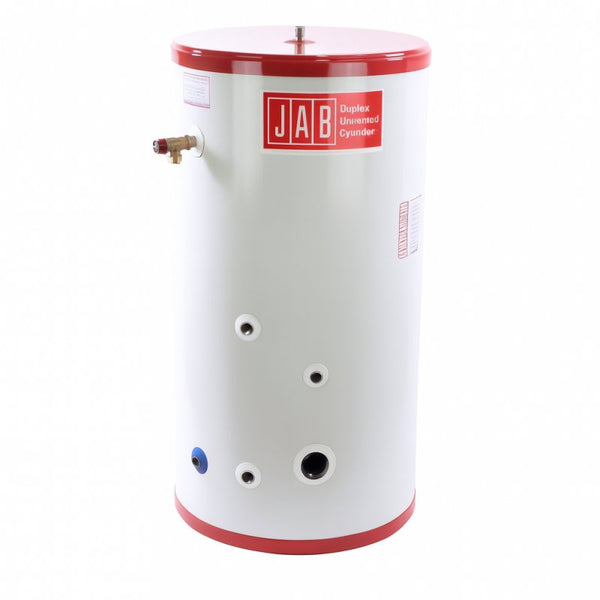
JAB DUC 2 170L Direct Unvented S/S Cylinder
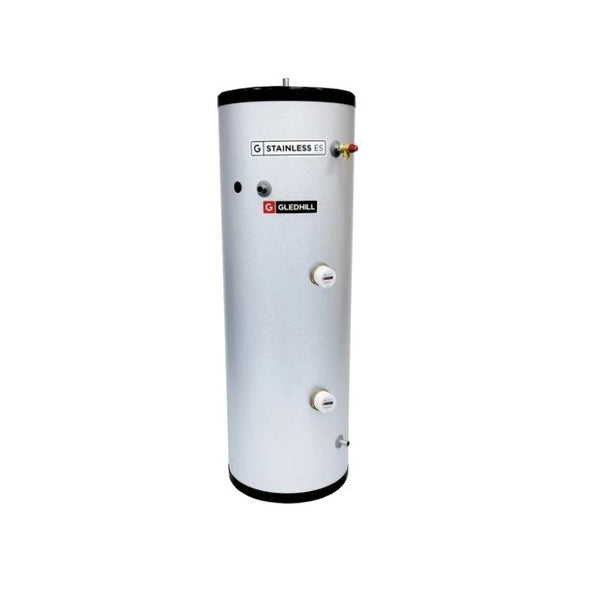
Gledhill Es 170 Litre Direct Unvented Cylinder
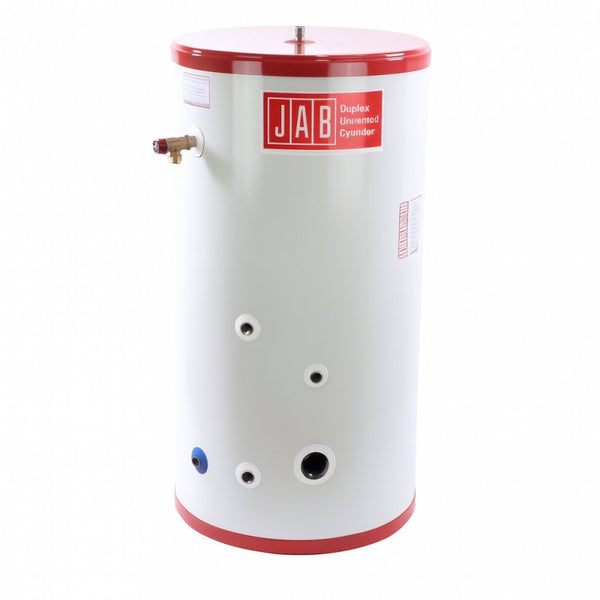
JAB DUC 2 200L Direct Unvented S/S Cylinder
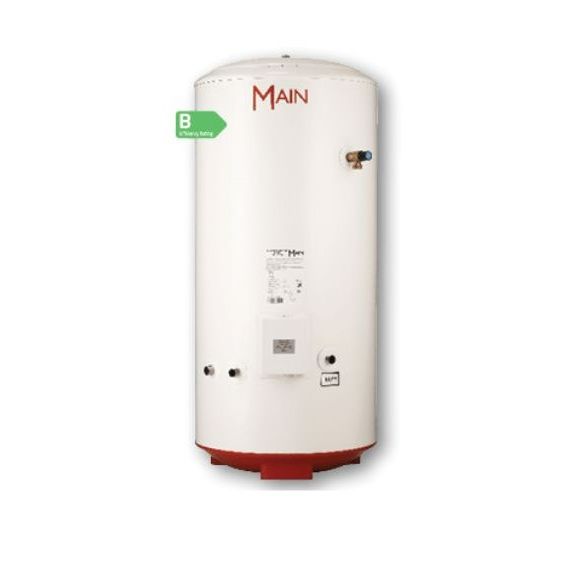
Main Heating 120 Litre Direct Unvented Hot Water Cylinder
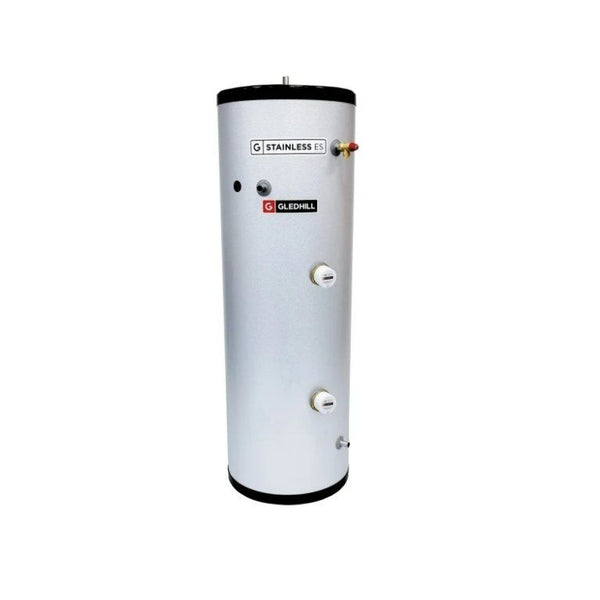
Gledhill Es 200 Litre Direct Unvented Cylinder
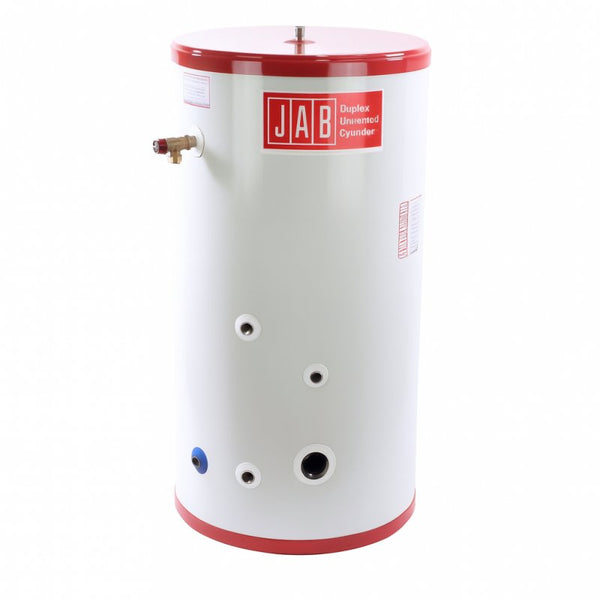
JAB DUC 2 90L Direct Slim Unvented Cylinder
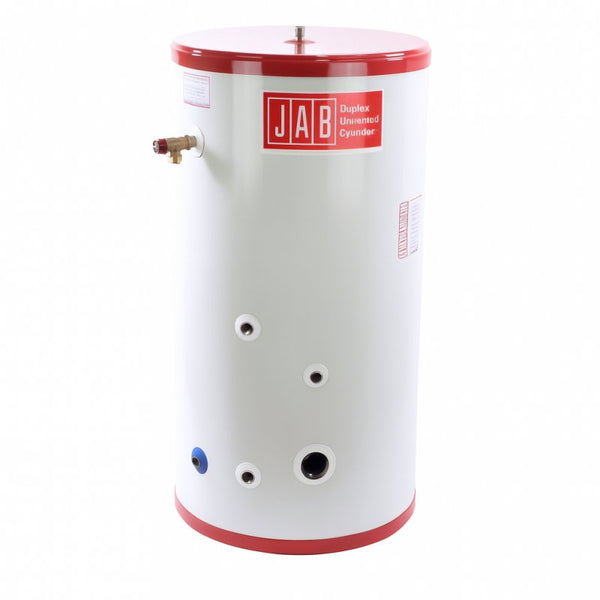
JAB DUC 2 125L Direct Slim Unvented Cylinder
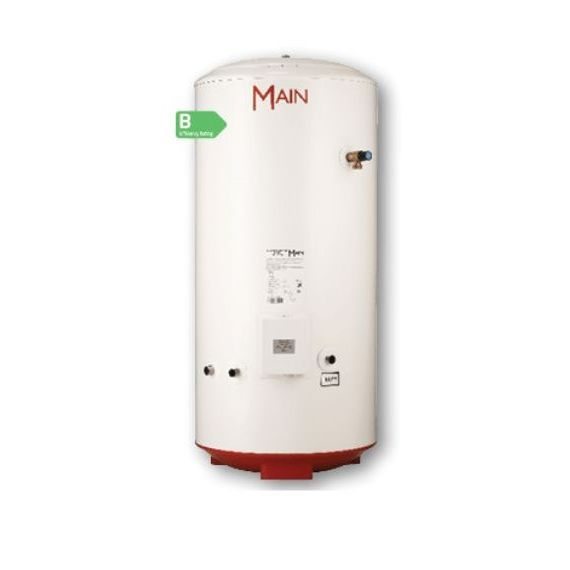
Main Heating 150 Litre Direct Unvented Hot Water Cylinder
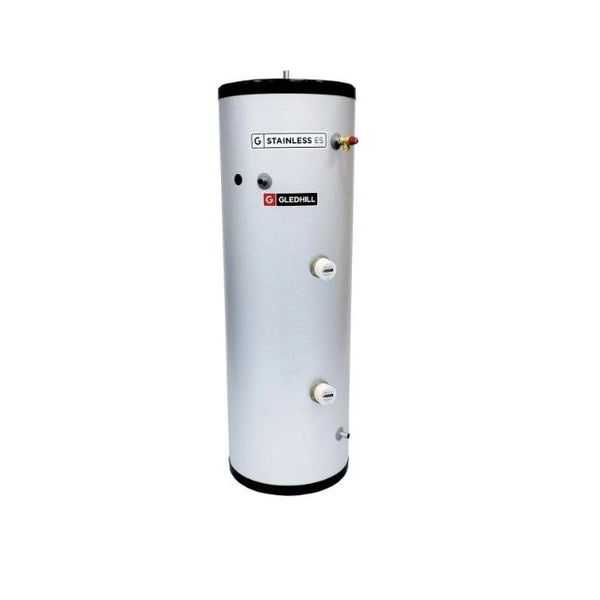
Gledhill Es 250 Litre Direct Unvented Cylinder
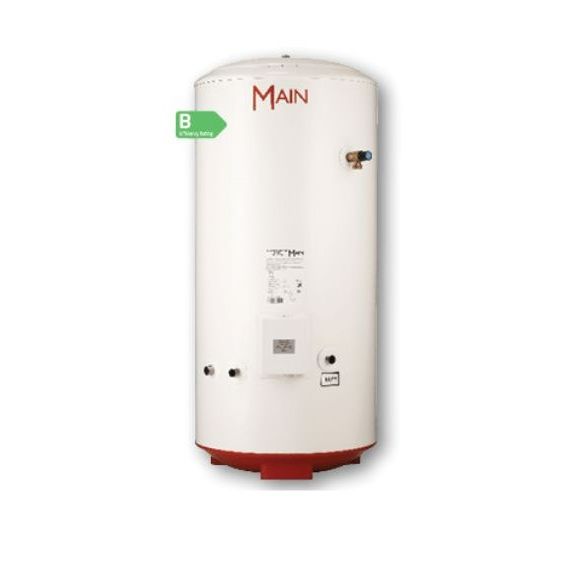
Main Heating 170 Litre Direct Unvented Hot Water Cylinder
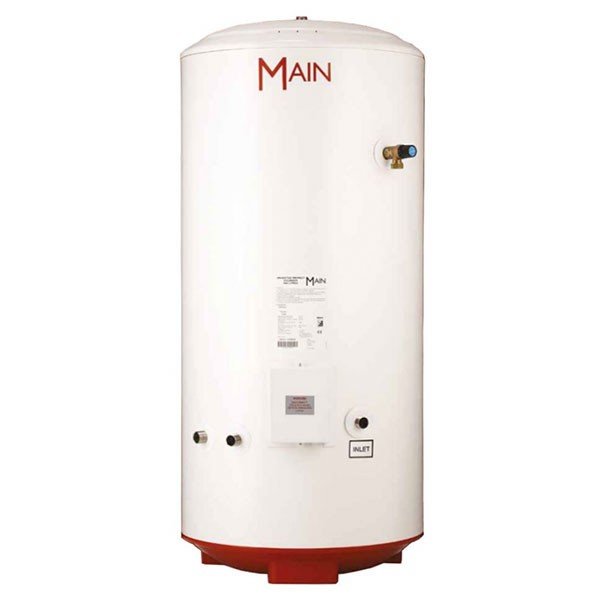
Main Heating 210 Litre Direct Unvented Hot Water Cylinder
Talk to a specialist.
Sizing, regulations, installation. Our team has been answering these questions for 28 years.
Choosing the right Direct Cylinders
Known for their simplicity and efficiency, direct hot water cylinders come equipped with an electric immersion heater or heating element that can heat water rapidly. When you turn on a hot water tap, the immersion heater inside the cylinder quickly heats the water, ensuring you have almost instant access to hot water.
Available in a range of capacities, from 70 to 300 litres, our direct cylinders are easy to install and maintain. Since they do not require a separate heat source like a boiler or external heat pump, there are fewer components and systems involved, making them straightforward and cost-effective to set up. Maintenance usually involves periodic checks and replacement of the immersion heater if needed. dwsdad
Choose a slimline direct unvented hot water cylinder if you are limited on space. By being taller and slimmer, these cylinders don’t necessary compromise on capacity – holding the same amount of hot water as an equivalent capacity cylinder. Be aware, our direct cylinders are heated via an electric immersion and do not work with gas, oil, or heat pump systems.
Do you need help choosing your cylinder?
Do you require some technical advice?
Then call our Cylinders Team On :- 0345 2600258
** CONTACT US FOR BULK ORDER DISCOUNTS **
Direct Cylinders FAQs
What is a direct hot water cylinder?
A cylinder heated by one or more electric immersion elements inside the vessel, rather than by a coil connected to a boiler. Water is heated directly by the element.
They suit properties with no boiler, all-electric homes, and installations where a boiler exists but a separate electric-only hot water circuit is wanted.
Direct or indirect — which do I need?
If you have a boiler and want it to heat your hot water, you need indirect. If you have no boiler, or you are heating water solely by electricity, you need direct.
The two are not interchangeable: a direct cylinder has no coil, so a boiler cannot be connected to it.
Are they expensive to run?
Electricity generally costs more per kWh than oil or gas, so direct cylinders are more expensive to run on a standard tariff. Economy 7 and similar off-peak tariffs improve this significantly, heating a full cylinder overnight at a lower rate.
Good insulation matters more on a direct cylinder than any other type, because every unit of standing loss is replaced at the electricity price.
Can I use one with solar PV?
Yes, and it is one of the better uses of surplus generation. A PV diverter sends excess solar to the immersion element rather than exporting it, effectively storing free energy as hot water.
Twin-element cylinders work well here — the lower element takes the solar surplus, the upper provides a top-up on a timer if needed.
What is a vented direct cylinder?
Vented means it is fed from a cold water storage tank in the loft rather than directly from the mains, with an open vent pipe. Pressure comes from the height of the loft tank.
Vented systems are cheaper and simpler, and do not require a G3 qualified installer — but flow rates are lower than mains-pressure unvented systems.
How long do immersion elements last?
Typically five to ten years, considerably less in hard water areas where scale builds on the element. Failure is usually gradual — longer reheat times before the element eventually stops working.
Incoloy elements resist scale better than copper and are worth specifying in hard water regions.
- Choosing a selection results in a full page refresh.
- Opens in a new window.

New customer offer
£25
off your first order
Minimum spend £500. One code per customer.
Join our mailing list
We'll email your discount code, plus stock updates and trade offers.
We use your email to send your discount code and marketing emails you've opted into. See our privacy policy for how we handle your data.
You're on the list
Check your inbox — your code is on its way. Add us to your safe senders so it doesn't land in spam.