


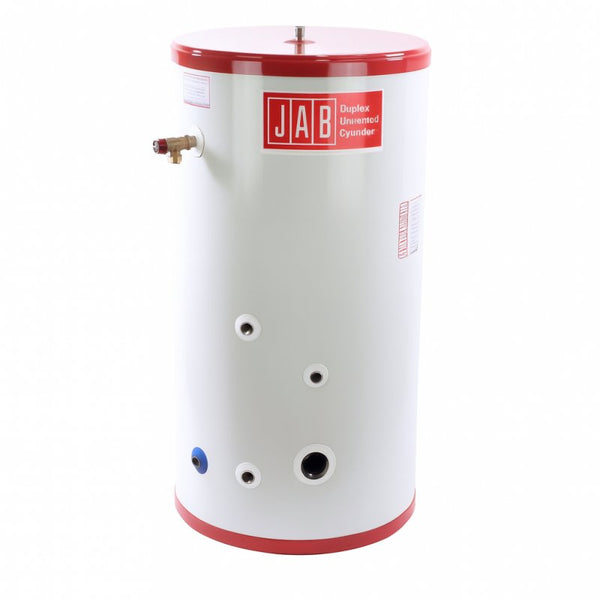
JAB DUC 2 90L Direct Slim Unvented Cylinder
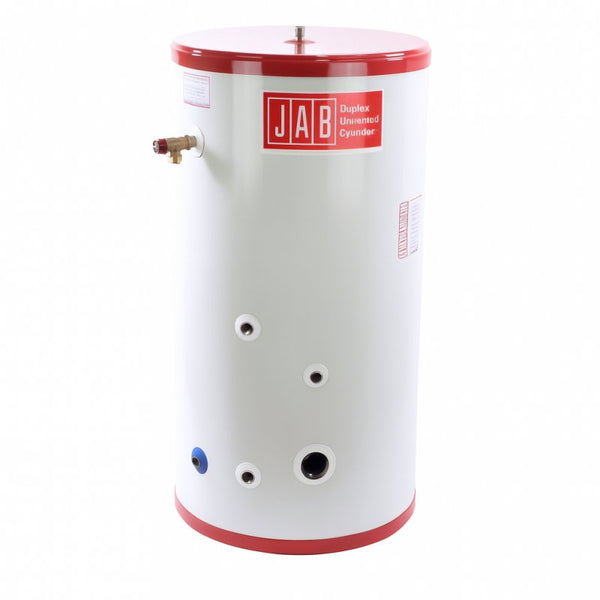
JAB DUC 2 125L Direct Slim Unvented Cylinder
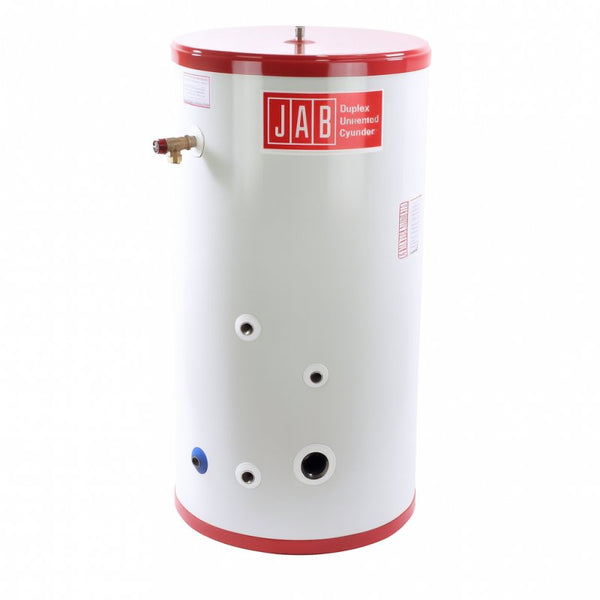
JAB DUC 2 150L Direct Slim Unvented Cylinder
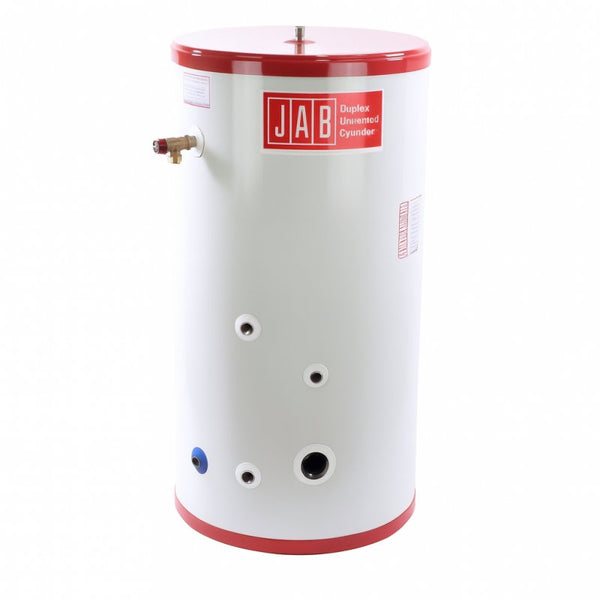
JAB DUC 2 170L Direct Slim Unvented Cylinder
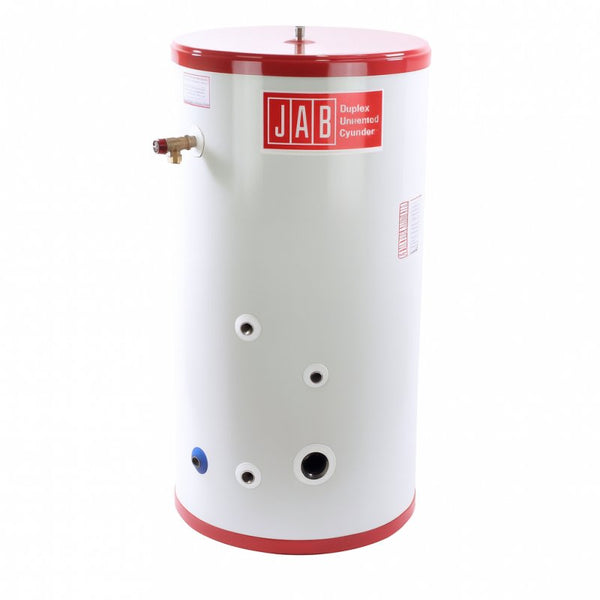
JAB DUC 2 200L Direct Slim Unvented Cylinder
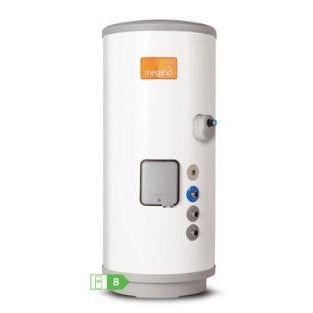
Megaflo Eco Slimline 100 Litre Direct Unvented Hot Water Cylinder
Not sure which tank you need?
Tell us your property, fuel type and typical annual use — one of our experts will spec the right tank for you in 24 hours.
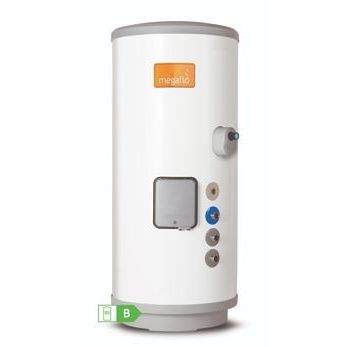
Megaflo Eco Slimline 125 Litre Direct Unvented Hot Water Cylinder
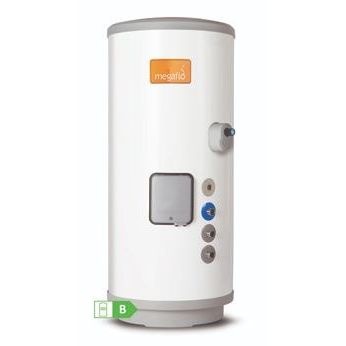
Megaflo Eco Slimline 150 Litre Direct Unvented Hot Water Cylinder
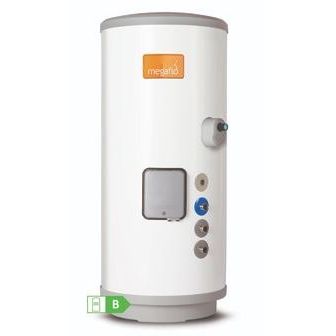
Megaflo Eco Slimline 170 Litre Direct Unvented Hot Water Cylinder
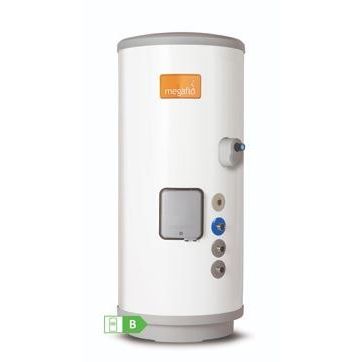
Megaflo Eco Slimline 200 Litre Direct Unvented Hot Water Cylinder
Talk to a specialist.
Sizing, regulations, installation. Our team has been answering these questions for 28 years.
Slimline Direct Unvented Cylinders FAQs
What counts as slimline?
Cylinders with a reduced diameter — commonly around 475mm to 550mm against a standard 545mm to 600mm — designed to fit narrow cupboards, alcoves and apartment plant spaces.
The capacity is preserved by making the cylinder taller, so check available height as carefully as width before ordering.
Do I lose capacity by going slimline?
Not necessarily, but you lose flexibility. A slimline cylinder of the same volume is noticeably taller, so the constraint moves from floor area to ceiling height and the clearance needed to manoeuvre it into position.
Measure the access route as well as the final location — getting a tall cylinder up a stairwell with a turn is often the practical limit.
Does it still deliver mains pressure?
Yes. Slimline refers only to the physical dimensions. An unvented slimline cylinder works exactly as a standard one — fed from the mains, delivering hot water at mains pressure to every outlet.
The same requirement for adequate incoming flow and pressure applies, typically at least 1.5 bar and around 20 litres per minute.
Does it need a G3 installer?
Yes. All unvented hot water systems are notifiable under Building Regulations Part G and must be installed by a G3 qualified person, regardless of size or shape.
The full complement of safety devices is required too — pressure reducing valve, expansion provision, temperature and pressure relief, and a correctly routed discharge.
Why choose direct rather than indirect?
Direct means electric immersion heating with no boiler coil. It suits all-electric properties, flats without a boiler, and installations pairing with solar PV or an off-peak tariff.
If there is a boiler and you want it to heat the water, an indirect slimline is the correct choice instead.
Are reheat times longer on a slimline?
Slightly, in some cases. A taller narrower vessel stratifies well, which helps, but heat-up depends mainly on element rating rather than shape.
Twin-element models let you heat only the upper portion for a quick partial recovery, which is useful where full reheat would take too long.
- Choosing a selection results in a full page refresh.
- Opens in a new window.

New customer offer
£25
off your first order
Minimum spend £500. One code per customer.
Join our mailing list
We'll email your discount code, plus stock updates and trade offers.
We use your email to send your discount code and marketing emails you've opted into. See our privacy policy for how we handle your data.
You're on the list
Check your inbox — your code is on its way. Add us to your safe senders so it doesn't land in spam.