


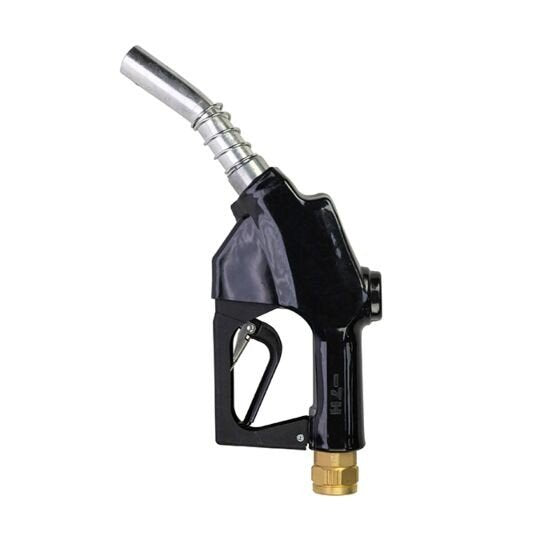
Standard Automatic Diesel Nozzle
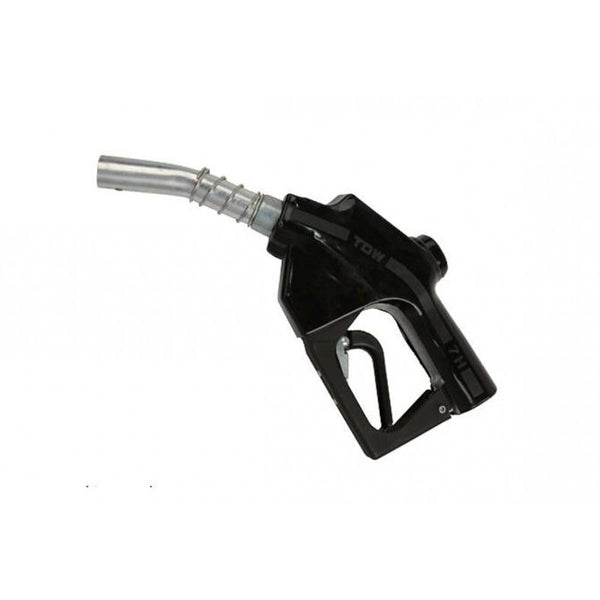
TDW Automatic Nozzle - 60lpm
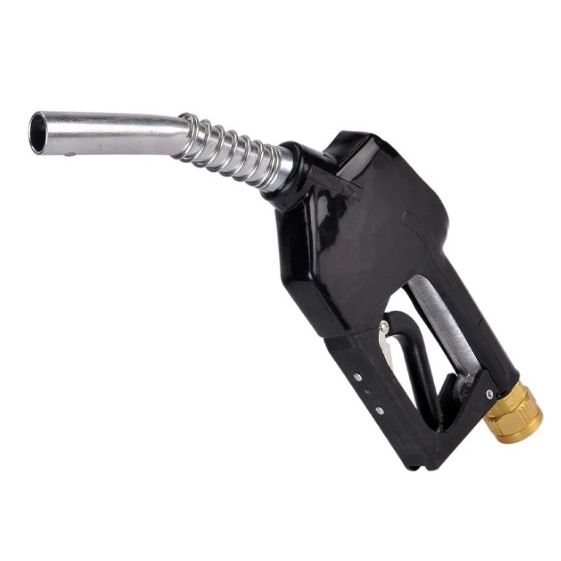
Piusi Standard Automatic Fuel Pump Nozzle Auto 60/80
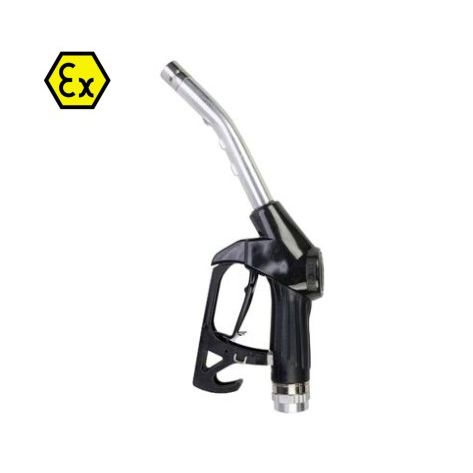
Professional Automatic Diesel Nozzle
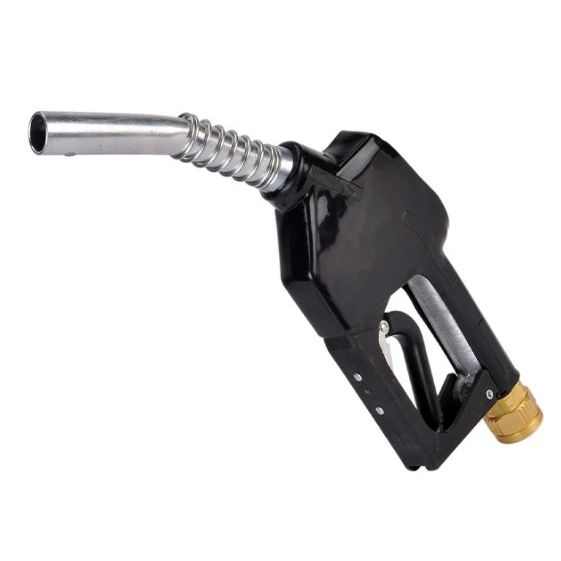
Piusi Standard Automatic Fuel Pump Nozzle Auto 70
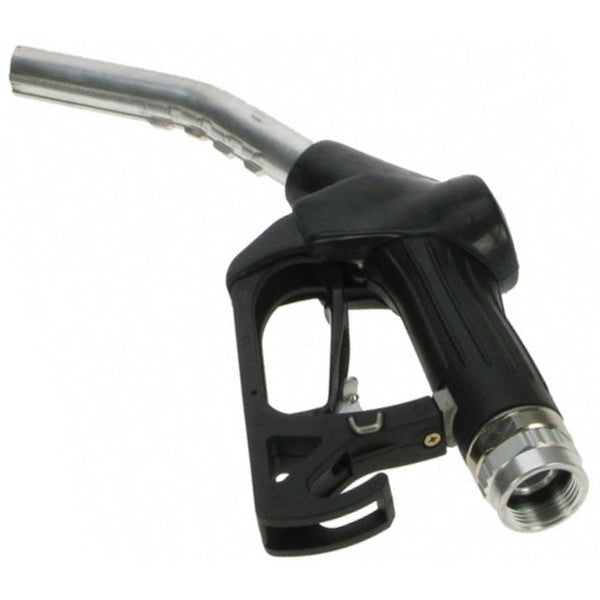
Professional Automatic Diesel Fuel Nozzle
Not sure which tank you need?
Tell us your property, fuel type and typical annual use — one of our experts will spec the right tank for you in 24 hours.
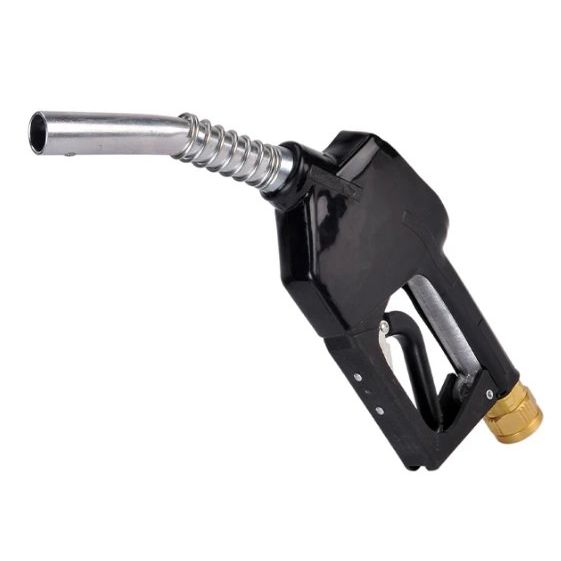
Piusi Standard Automatic Fuel Pump Nozzle Auto 120
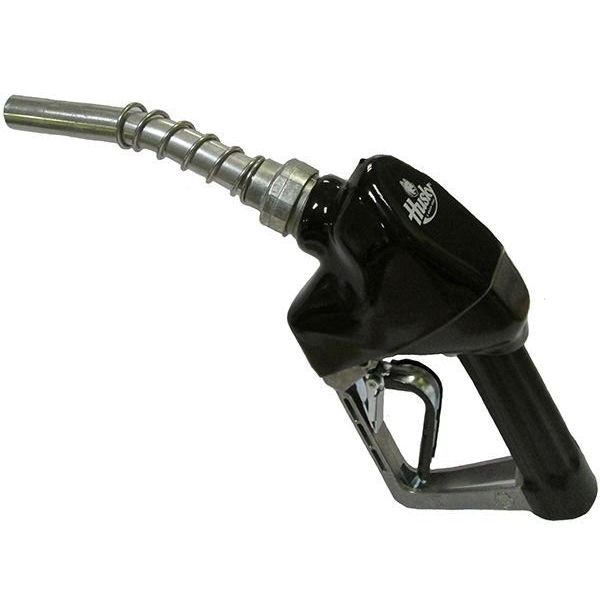
Husky X-Mate Diesel Nozzle
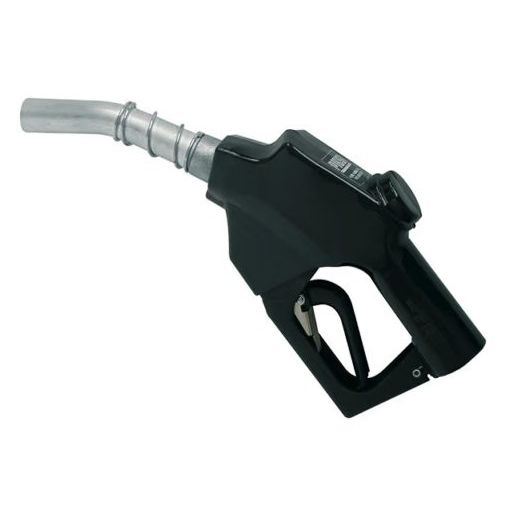
Piusi A140 Standard Automatic Diesel Nozzle 140lpm
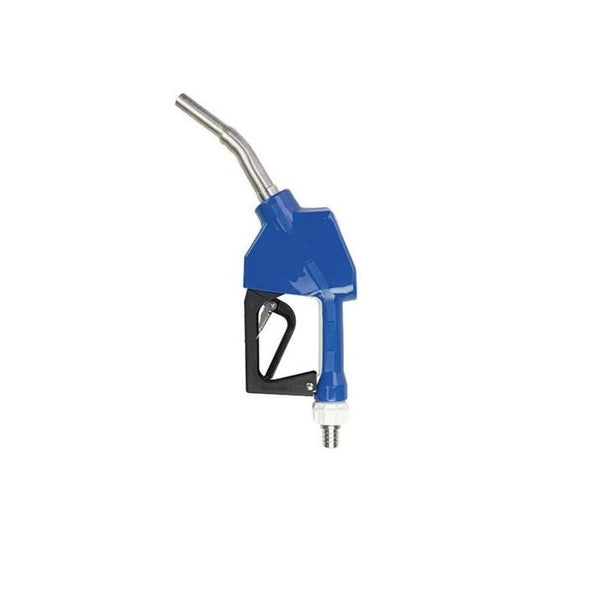
Plastic Body Automatic Nozzle Stainless Steel Spout For AdBlue
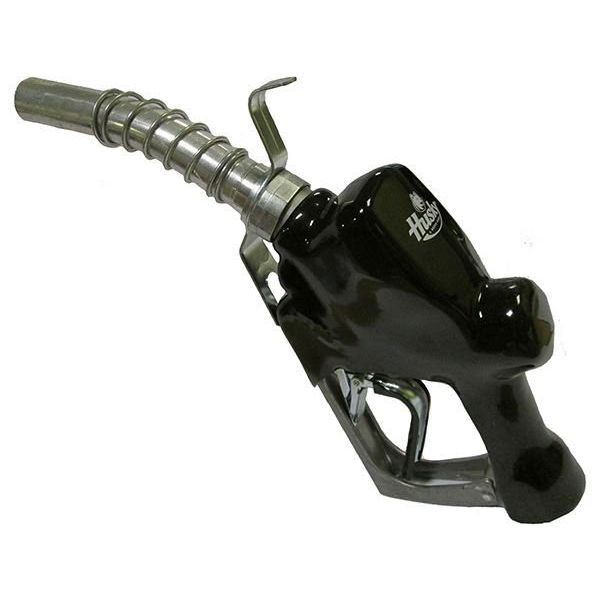
Husky 1GS Diesel Nozzle
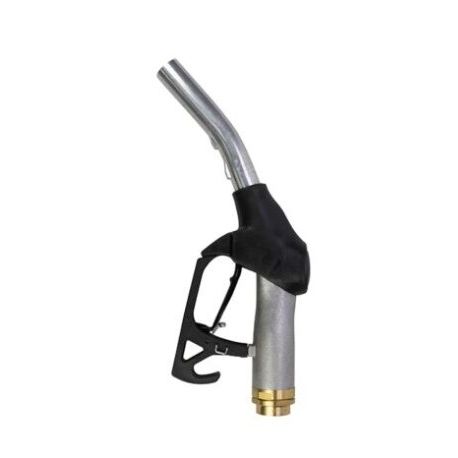
Professional Automatic Diesel Nozzle - High Speed
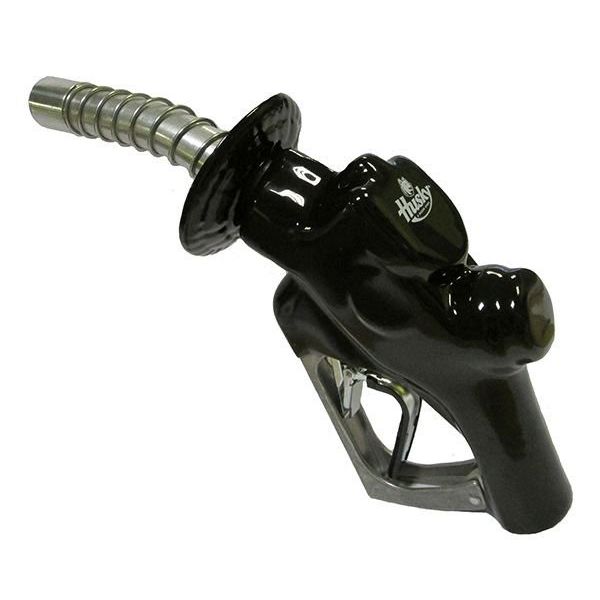
Husky VIII Diesel Nozzle - 250 Litres Per Minute
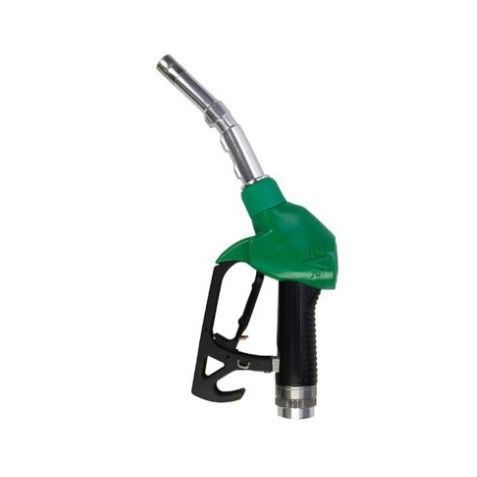
ZVA Slimline 2 Nozzle For Unleaded Petrol
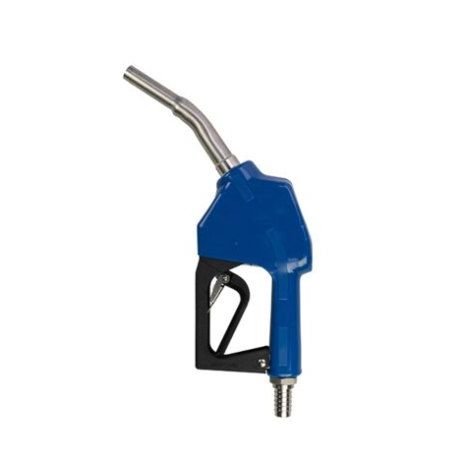
AdBlue Stainless Steel Automatic Nozzle
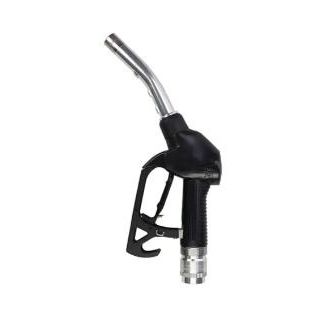
ZVA Slimline 2 Automatic Nozzle Standard Speed With Safety Break Swivel & Magnet
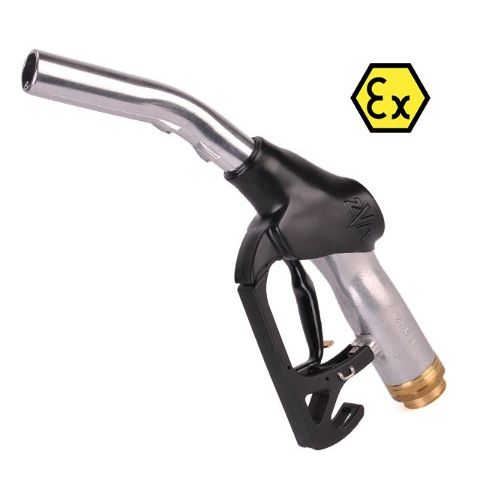
ZVA 25 High Speed Fuel Pump Nozzle
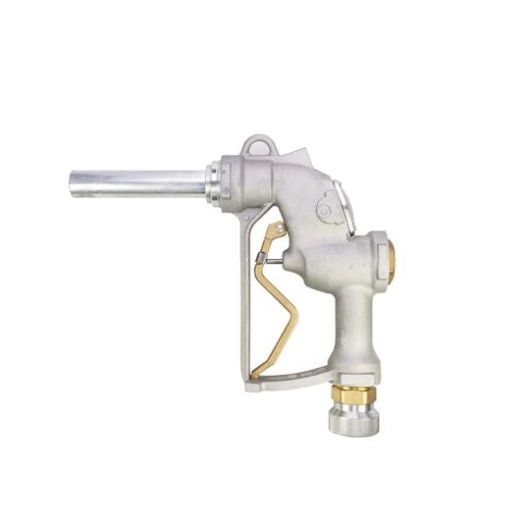
Ultra High Speed Automatic Nozzle
ZVA 25 High Speed Fuel Pump Nozzle With Safety Break Swivel & Magnet
Talk to a specialist.
Sizing, regulations, installation. Our team has been answering these questions for 28 years.
Choosing the right Automatic Nozzle
Our automatic nozzles are engineered to turn off automatically once the vehicle's tank is full, preventing the risks associated with overfilling. Safety and efficiency are paramount when it comes to refuelling, and our automatic shut off nozzles deliver on both fronts. Each nozzle is crafted to provide a seamless refuelling experience, minimising spillage and reducing the risk of accidents. The automatic shut off feature is an essential component, designed to detect when the fuel tank is full and immediately stop the flow of fuel, ensuring that no drop is wasted.
At Fuel Tank Shop, our nozzles are built to withstand heavy use and harsh conditions, ensuring long-lasting performance. From standard refuelling to high-volume industrial applications, our nozzles are designed to provide reliable and consistent service, helping you maintain smooth operations without interruption. Each nozzle is ergonomically designed for comfortable handling and the intuitive shut-off mechanism eliminates any guesswork, allowing you to refuel with confidence. Our nozzles are compatible with a wide range of fuel systems and vehicles, ensuring that you have the flexibility to choose the perfect solution for your specific requirements.
In addition to our automatic shut off nozzles, you’ll also find manual nozzles that provide precise control for specialised applications, as well as essential nozzle accessories to ensure that you have everything you need for a complete refuelling system.
Automatic Nozzle FAQs
How does an automatic nozzle know when to stop?
A small sensing port near the tip is connected to a venturi in the nozzle body. While air can be drawn through the port, fuel keeps flowing. When rising fuel covers the port, the pressure change trips a diaphragm and shuts the valve.
That is why the sensing hole must be kept clear and why the nozzle needs to be inserted far enough into the fill neck to work reliably.
Why does it shut off before the tank is full?
Usually splash-back reaching the sensor because flow is too high for the fill neck, the nozzle is angled so fuel washes over the port, or the receiving tank's vent is restricted so pressure builds.
A blocked sensing port is the other common cause. Check that first, since it is easily cleared.
Do I still need to watch the fill?
Yes. An automatic nozzle is a safeguard, not a substitute for supervision. Mechanisms fail, and the shut-off only responds to the level in the fill neck — it cannot detect a leak or a misdirected fill.
Unattended filling is a leading cause of overfill spills even where auto nozzles are fitted.
What flow rating should I choose?
Match it to the pump and the receiving vehicles. Standard automotive nozzles handle roughly 40 to 80 litres per minute. High-flow nozzles handle 120 plus and suit HGVs and plant with large fill necks.
Putting a high-flow nozzle on a car fill neck causes constant premature shut-off, which is slower in practice than a correctly matched standard nozzle.
Can automatic nozzles be used for filling drums or open containers?
Not effectively. The auto mechanism needs a fill neck for the sensor to work against. Filling an open container will either not trip at all — creating an overfill risk — or trip erratically.
Use a manual nozzle with lever control for decanting into open vessels.
How long do they last?
With reasonable handling, several years. Replace when shut-off becomes unreliable, when the swivel or spout weeps, or after a significant drop, since internal damage is not always visible.
A nozzle that fails to shut off is an overfill and pollution risk, so it is not a component worth extending past its reliable life.
- Choosing a selection results in a full page refresh.
- Opens in a new window.

New customer offer
£25
off your first order
Minimum spend £500. One code per customer.
Join our mailing list
We'll email your discount code, plus stock updates and trade offers.
We use your email to send your discount code and marketing emails you've opted into. See our privacy policy for how we handle your data.
You're on the list
Check your inbox — your code is on its way. Add us to your safe senders so it doesn't land in spam.