


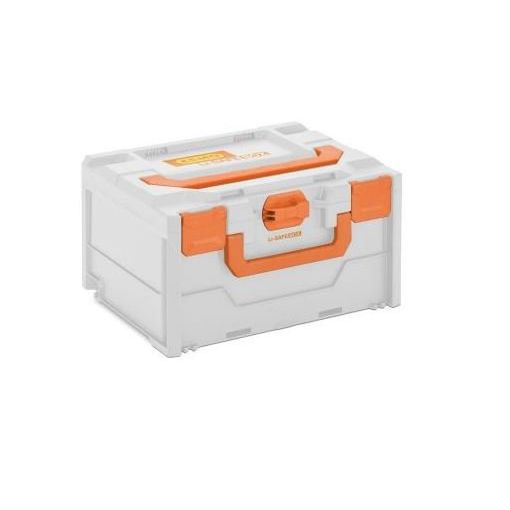
Fire Protection Box for Lithium-Ion batteries (Li-SAFE 2-S)
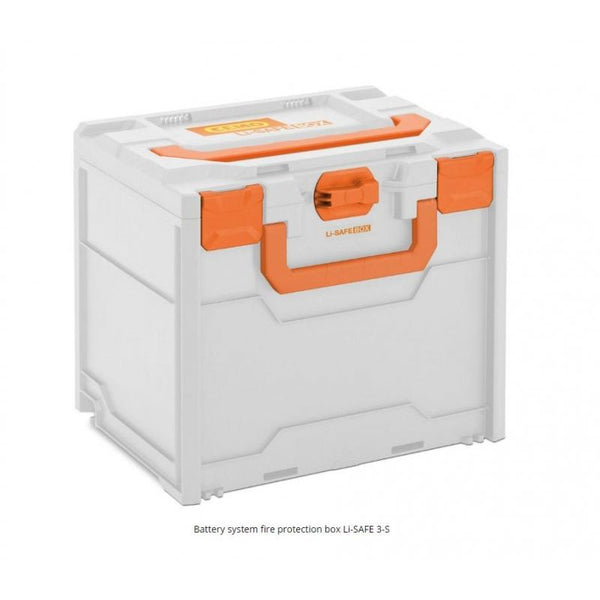
Li-SAFE Cemo Battery System Fire Protection Box - 3-S - 11564
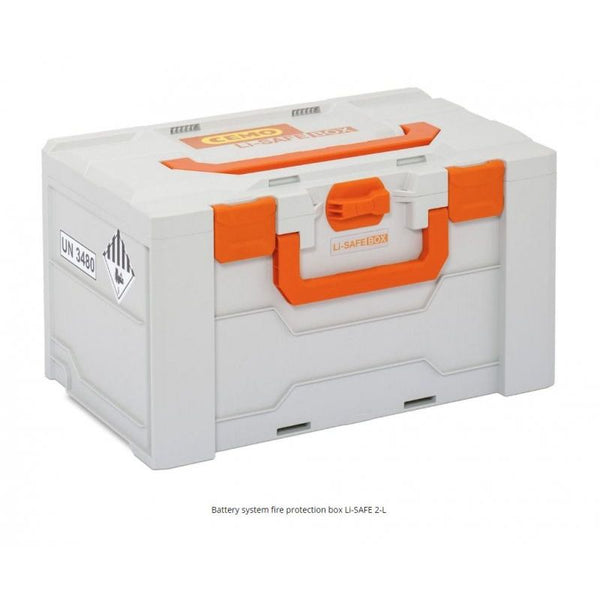
Li-SAFE Cemo Battery System Fire Protection Box - 2-L - 11872
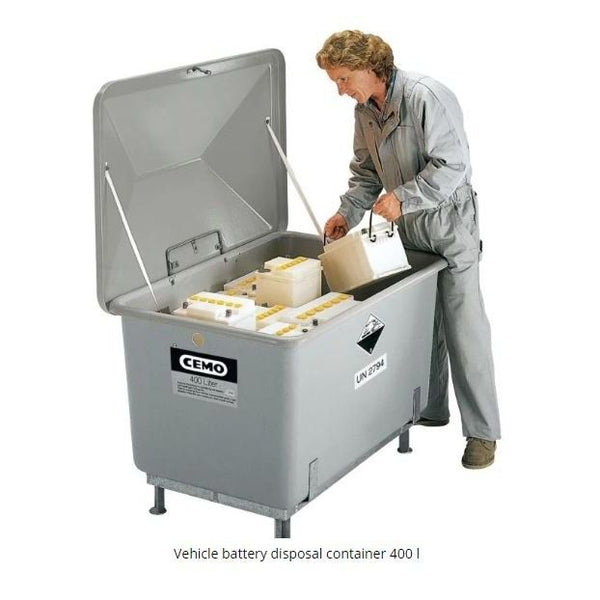
Cemo Vehicle Battery Disposal Container 200 & 400 & 700 Litre
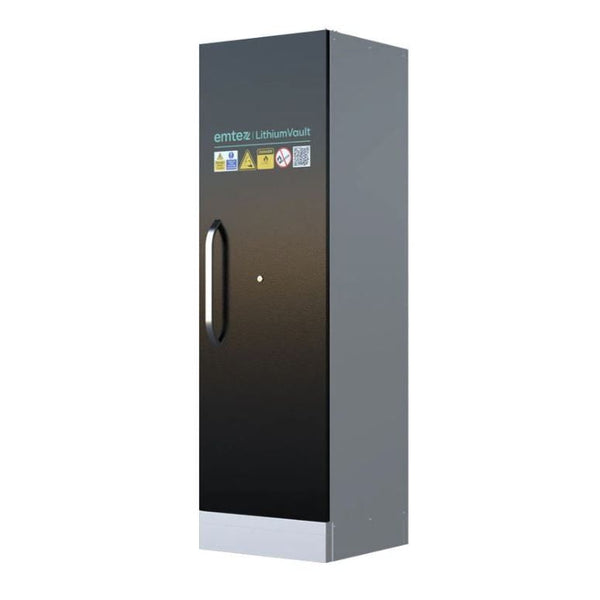
90 Minute 1 Door Lithium-ION Battery Cabinet - CH-L1K
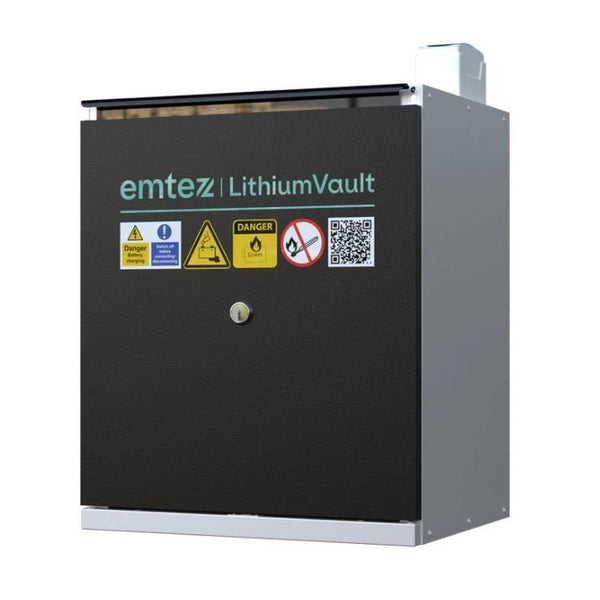
90 Minute 1 Door Small Lithium-ION Battery Cabinet - CH-L6PGK
Not sure which tank you need?
Tell us your property, fuel type and typical annual use — one of our experts will spec the right tank for you in 24 hours.
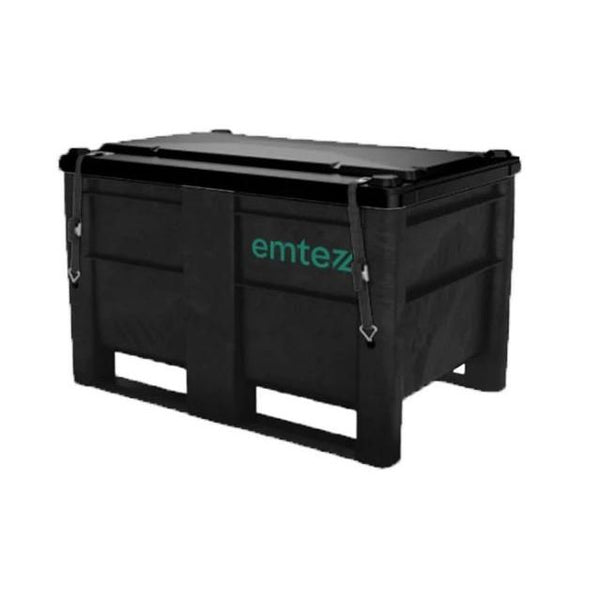
LithiumVault Plastic Transport Box - 500 Litres
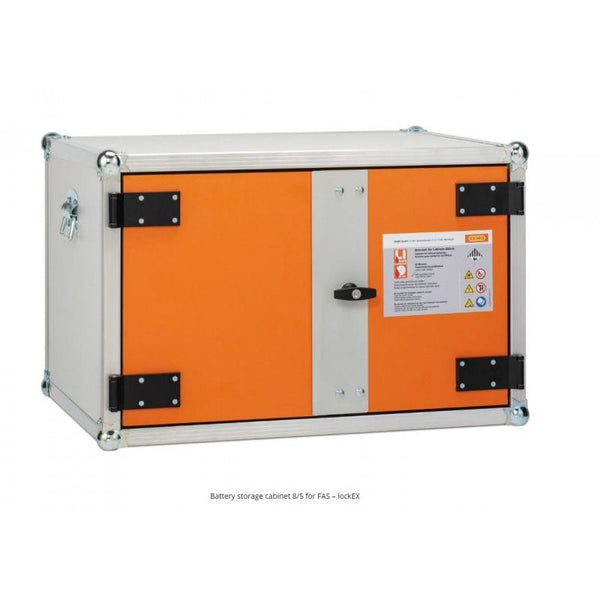
Battery Storage Cabinet 8/5 - lockEX - 11885, Shipping:CEMOPOA
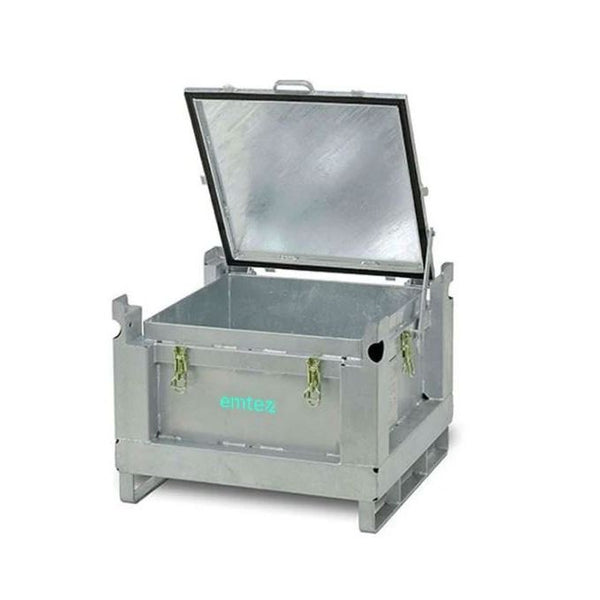
LithiumVault Steel Transport Box - 120 Litre
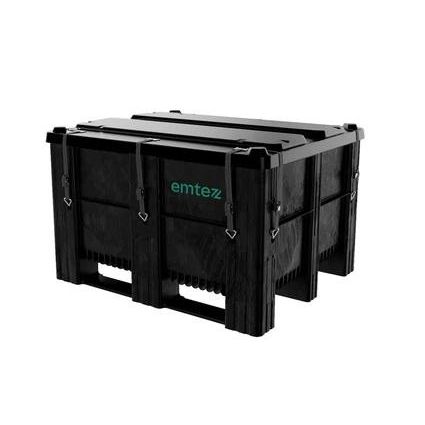
LithiumVault Plastic Transport Box - 620 Litres
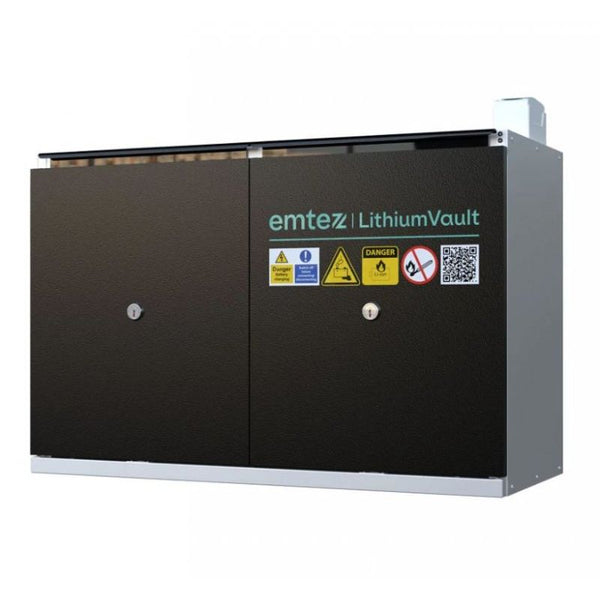
90 Minute Small 2 Door LithiumVault Cabinet with Charging CH-L8PGK
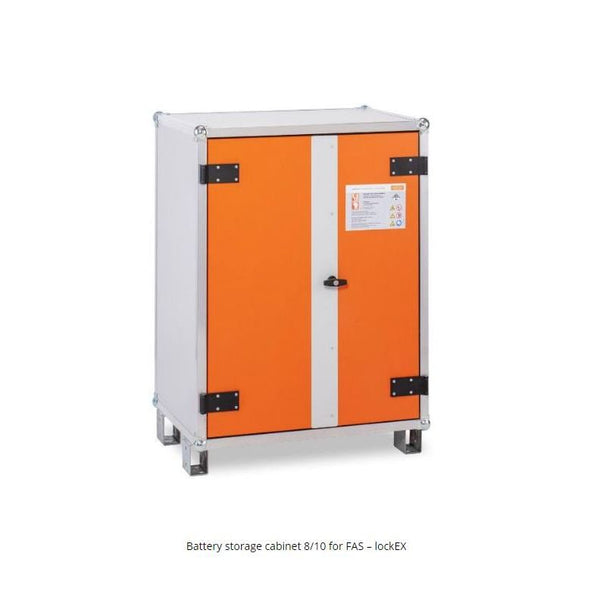
Battery Storage Cabinet 8/10 Fire Alarm System FAS – lockEX - 11886, Shipping:CEMOPOA
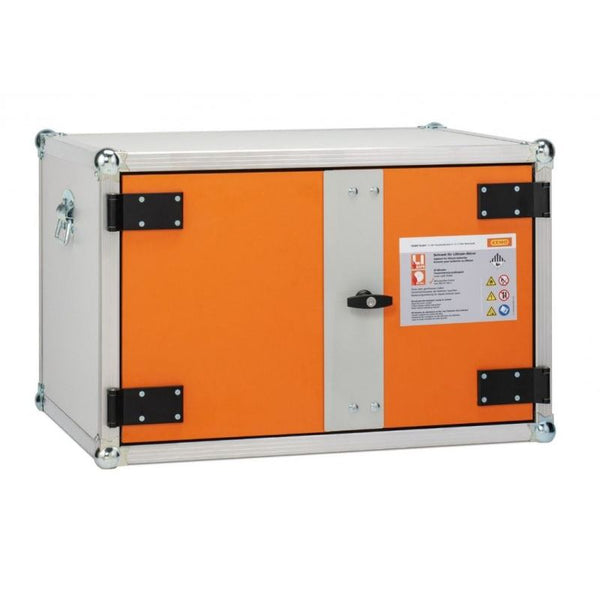
Battery Charging Cabinet Basic 8/5 1-phase for FAS – lockEX - 11887, Shipping:CEMOPOA
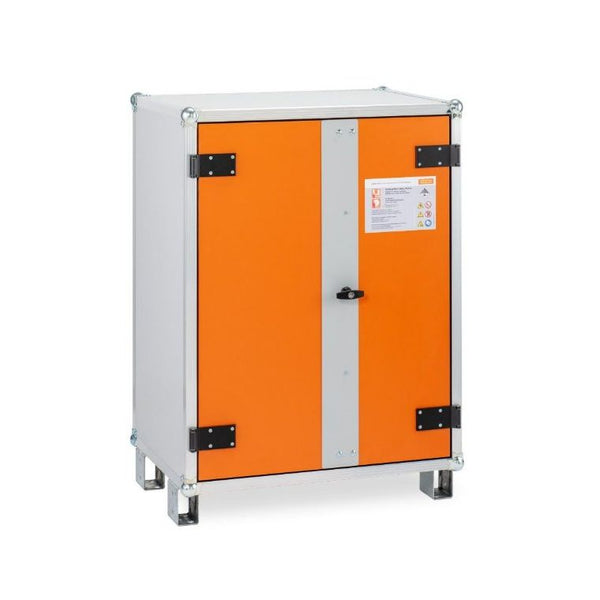
Battery charging cabinet Basic 8/10 with stacking feet, 3-phase – lockEX - 11900, Shipping:CEMOPOA
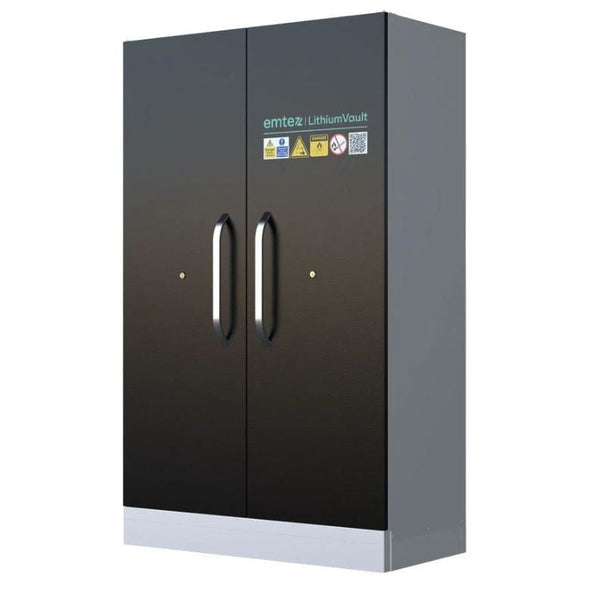
90 Minute 2 Door Lithium-ION Battery Cabinet - CH-L5k
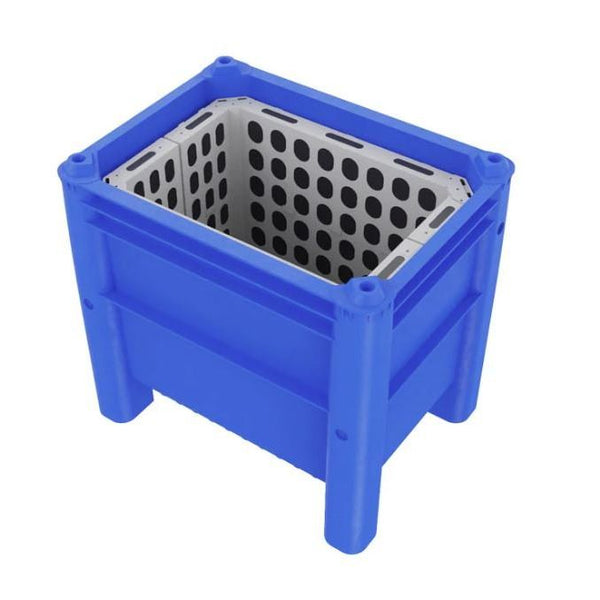
LithiumVault Plastic Transport Box - 120 Litres
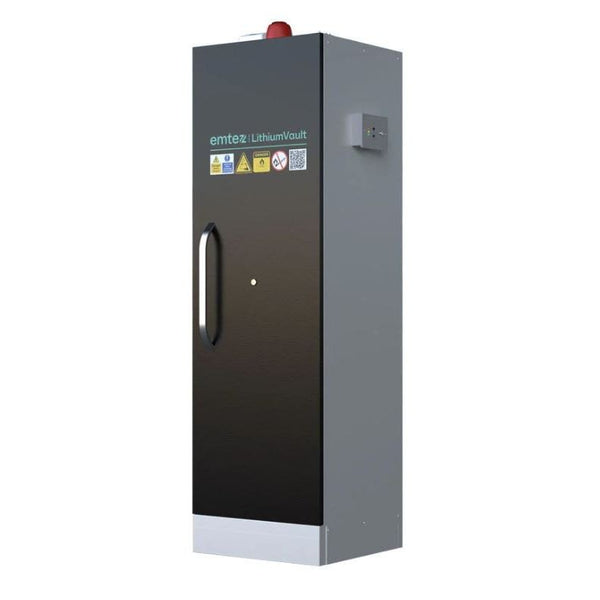
90 Minute 1 Door LithiumVault FirePro Cabinet with Control Panel & Charging - CH-L1F2PG16K
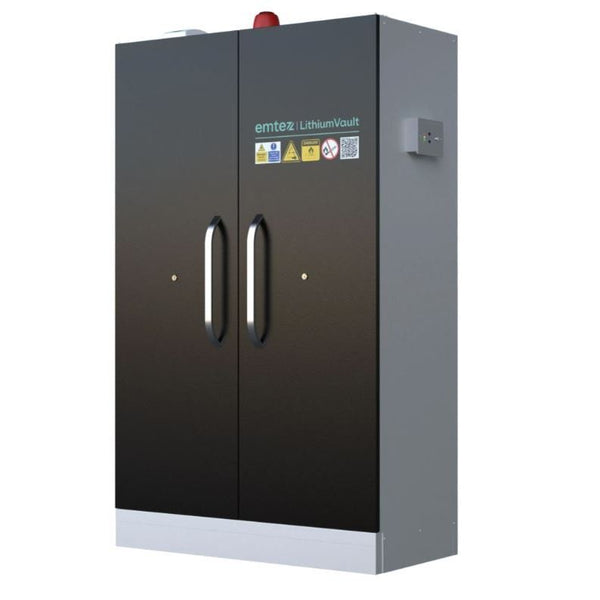
90 Minute 2 Door Lithium-ION Battery Cabinet With Charging & Firepro Suppression & Alarm
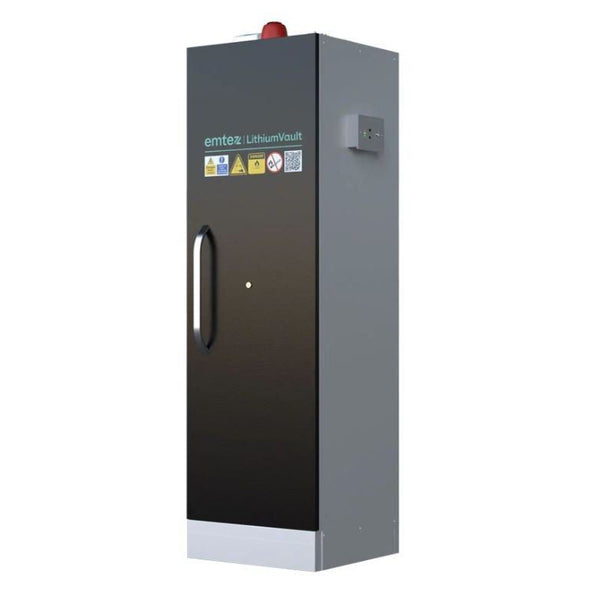
90 Minute 1 Door Lithium-ION Battery Cabinet With Charging & Firepro Suppression - CH-L1F2PGK
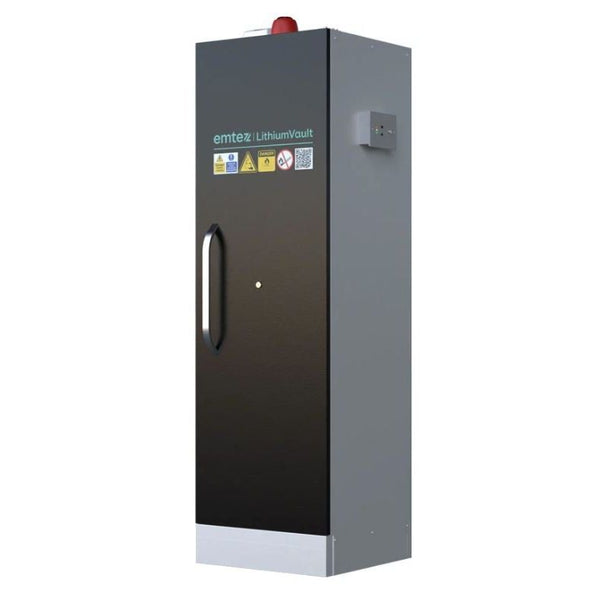
1 Door LithiumVault FirePro Single~Phase Locker Cabinet With Control Panel & Charging - CH-L1F2PG16C
Talk to a specialist.
Sizing, regulations, installation. Our team has been answering these questions for 28 years.
Lithium Ion Battery Cabinets FAQs
Why do lithium-ion batteries need a special cabinet?
Lithium-ion cells can enter thermal runaway if damaged, overcharged or defective — a self-sustaining reaction that produces intense heat, flammable gases and fire that standard extinguishers struggle to control.
A purpose-built cabinet is designed to contain that event, limit fire spread and vent gases safely, rather than simply storing the batteries tidily.
What should I look for in a battery charging cabinet?
Fire-resistant construction with a defined rating, internal charging sockets with individual circuit protection, gas venting or filtration, and separation between compartments so one cell failure does not propagate.
Some cabinets include automatic suppression. For higher-value or higher-risk storage, that is worth specifying.
Can I charge batteries inside the cabinet?
Only in cabinets specifically designed and rated for charging, which have the necessary electrical provision, ventilation and thermal management. Charging inside a storage-only cabinet concentrates the highest-risk activity in an enclosure not designed for it.
Charging is when most thermal runaway events occur, so this distinction matters more than it might appear.
How should damaged or swollen batteries be stored?
Separately, and immediately. A swollen, damaged or water-ingressed cell is at significantly elevated risk and should be isolated from healthy stock, ideally in a dedicated quarantine container designed for defective cells.
Damaged lithium batteries are also classified as hazardous waste and have specific carriage requirements for disposal.
Do battery cabinets need to be indoors?
Not necessarily, but they should be sited away from escape routes, ignition sources and anything that would spread fire. Outdoor siting reduces the consequence of a failure but exposes the cabinet and its electrics to weather.
Where cabinets are indoors, position and fire compartmentation should be covered explicitly in the fire risk assessment.
Does my insurer need to know?
Almost certainly. Many insurers now ask specific questions about lithium-ion storage and charging, and some impose conditions on quantity, location and cabinet specification.
It is worth confirming their requirements before purchasing, as buying to the wrong specification is an expensive mistake to discover at renewal.
- Choosing a selection results in a full page refresh.
- Opens in a new window.

New customer offer
£25
off your first order
Minimum spend £500. One code per customer.
Join our mailing list
We'll email your discount code, plus stock updates and trade offers.
We use your email to send your discount code and marketing emails you've opted into. See our privacy policy for how we handle your data.
You're on the list
Check your inbox — your code is on its way. Add us to your safe senders so it doesn't land in spam.