Category · 2 products

Diamond Tanks.

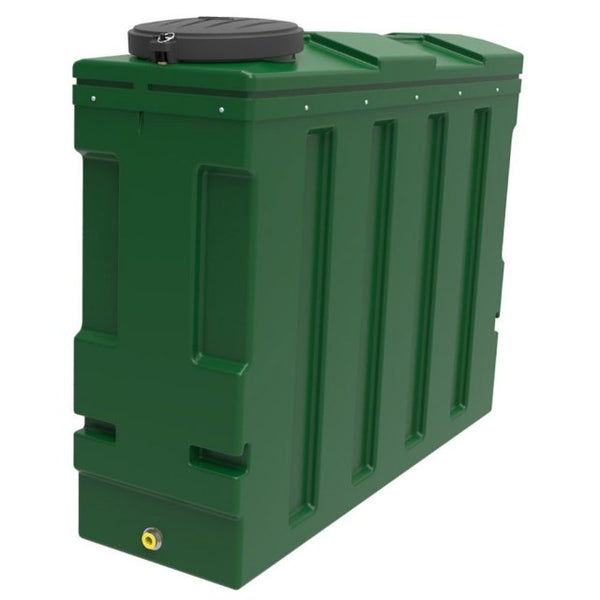
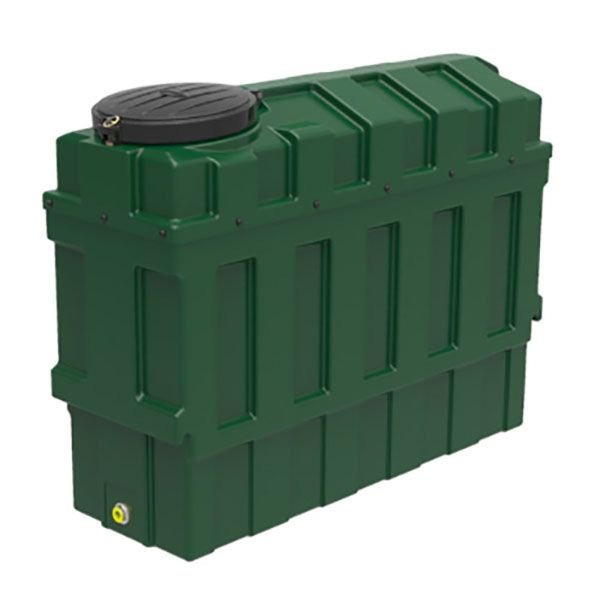
Diamond bunded and single skin oil tanks — compact profiles built for domestic heating oil storage.
2 Models
340+ In stock
24h Brands

Showing 1–2 of 2 products

Need help choosing?

Talk to a specialist.

Sizing, regulations, installation. Our team has been answering these questions for 28 years.

Need help?

Diamond Tanks FAQs

What are Diamond tanks?

A range of moulded polyethylene heating oil tanks in bunded and single skin formats, aimed principally at domestic installations. They cover the common capacities used in UK homes.

Compact and slimline profiles within the range suit properties where a standard tank footprint will not fit.

Bunded or single skin?

Bunded tanks have an integral outer skin that contains a leak from the inner tank. Single skin has no secondary containment and is only appropriate where a risk assessment shows it is acceptable.

Building Regulations and OFTEC guidance require bunding where the tank is near controlled water, near a borehole, where the vent cannot be seen from the fill point, or where a spill could reach a drain.

What base do they need?

Level, non-combustible, and continuously supporting the whole tank footprint with at least 300mm of overhang on all sides. Plastic tanks are unforgiving of point loading and will crack where they span a gap.

Concrete slab or paving slabs on a compacted sub-base are the usual solutions.

How long do plastic oil tanks last?

Typically 15 to 20 years with reasonable care. UV exposure, mechanical damage and poor base support all shorten that considerably.

Look for stress cracking around fittings, distortion, and any change in surface texture. On bunded tanks, liquid in the bund means the inner tank has failed.

Can they be sited against a wall?

Only with the separation distances required under Building Regulations Part J — typically 1.8 metres from non-fire-rated buildings, eaves and boundaries, reducing to 760mm where a suitable fire barrier is provided.

Distances also need checking against openings, flues and combustible boundaries.

What fittings are needed?

A contents gauge, an outlet with a filter and isolation valve, a fill point and vent, and a fire valve on the supply line to the appliance. Bunded tanks may also take a bund alarm.

Fitting kits supplied for the specific tank avoid the mismatched-thread problems that come from assembling parts individually.