


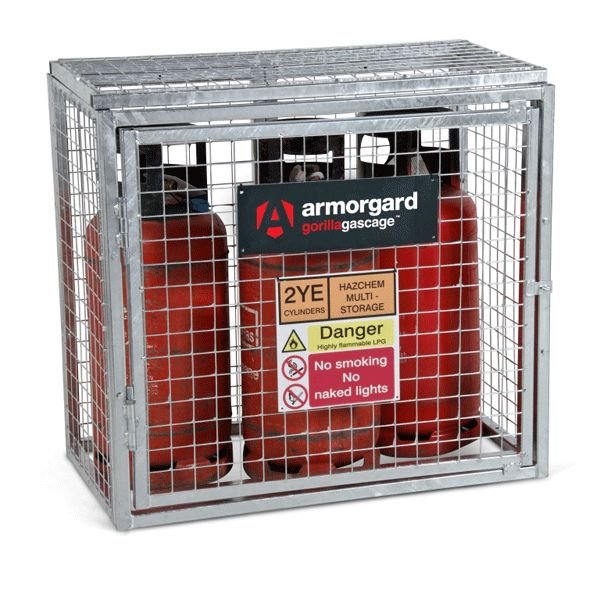
Armorgard Gorilla Gas Cage GGC1 Secure Storage Cage
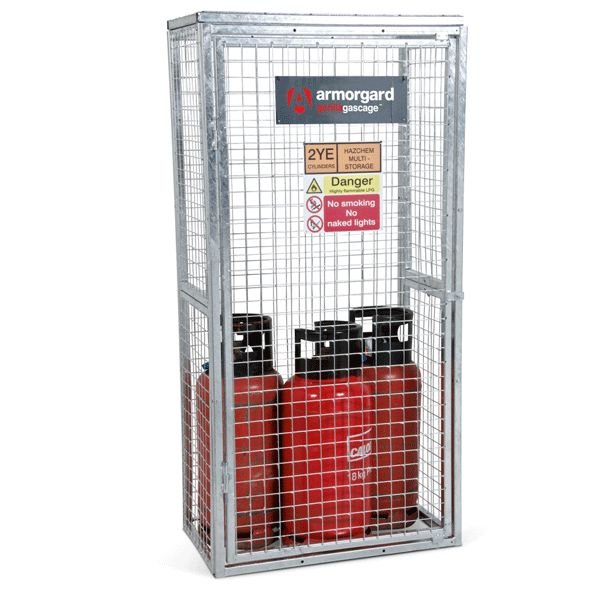
Armorgard Gorilla Gas Cage GGC3 Secure Storage Cage
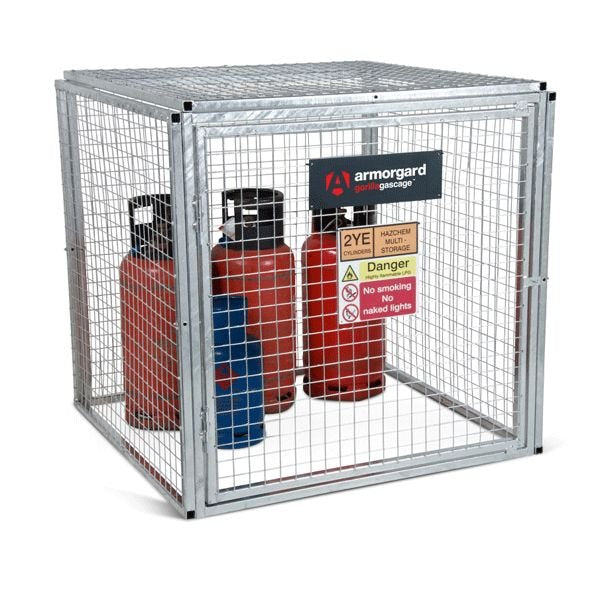
Armorgard Gorilla Gas Cage GGC4 Secure Storage Cage
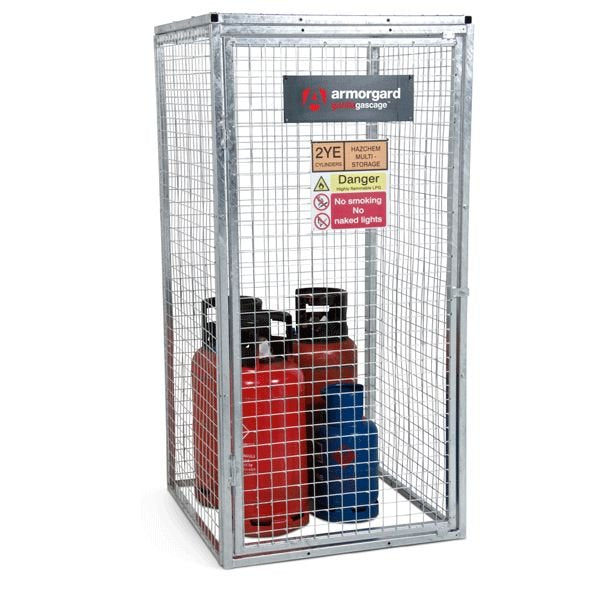
Armorgard Gorilla Gas Cage GGC5 Secure Storage Cage
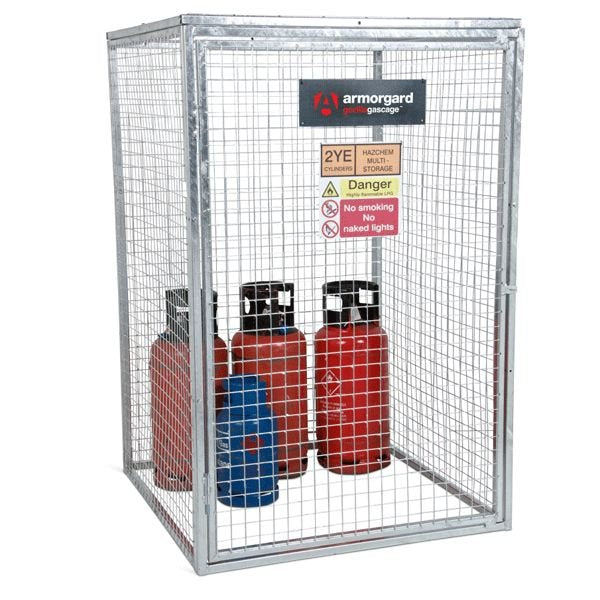
Armorgard Gorilla Gas Cage GGC6 Secure Storage Cage
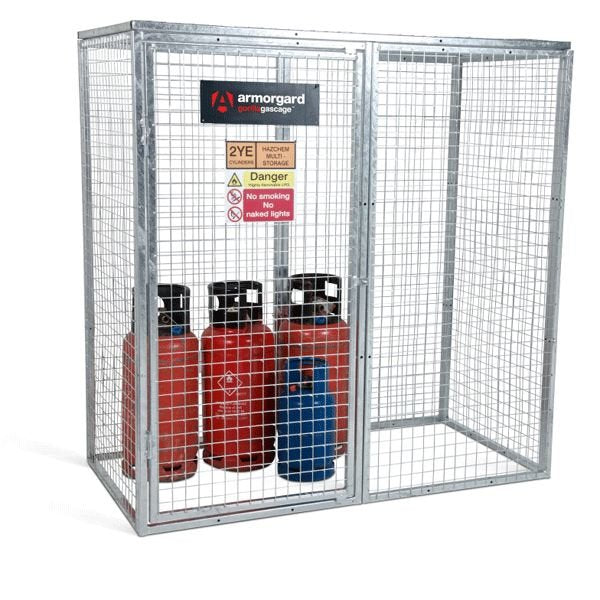
Armorgard Gorilla Gas Cage GGC7 Secure Storage Cage
Not sure which tank you need?
Tell us your property, fuel type and typical annual use — one of our experts will spec the right tank for you in 24 hours.

Armorgard Gorilla Gas Cage GGC8 Secure Storage Cage
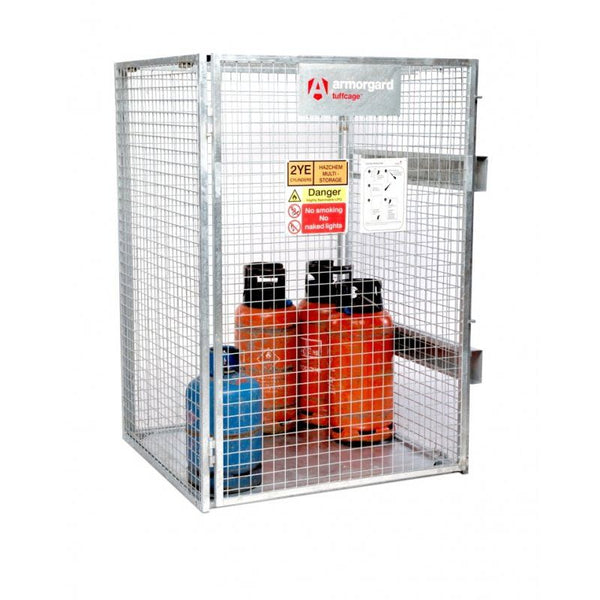
High Security Folding Gas Bottle Storage Cage (TC1.2)
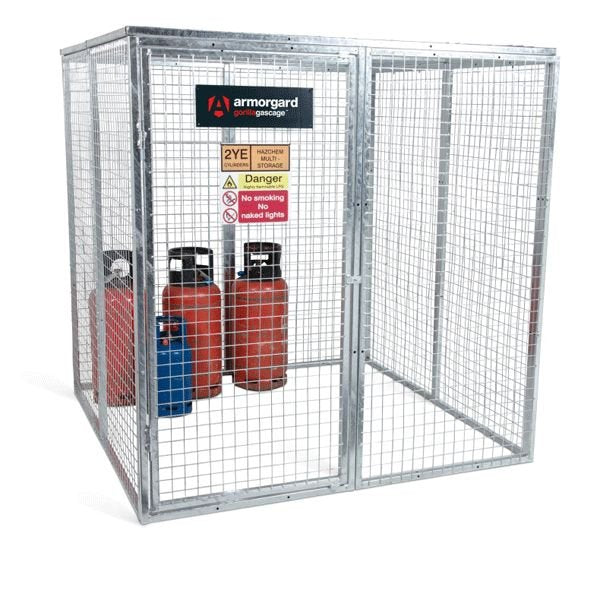
Armorgard Gorilla Gas Cage GGC9 Secure Storage Cage

Armorgard Gorilla Gas Cage GGC11 Secure Storage Cage
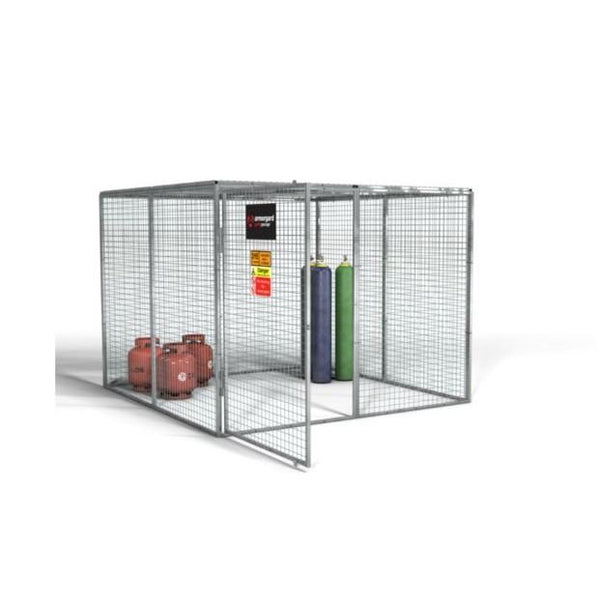
Armorgard Gorilla Gas Cage GGC12 Secure Storage Cage
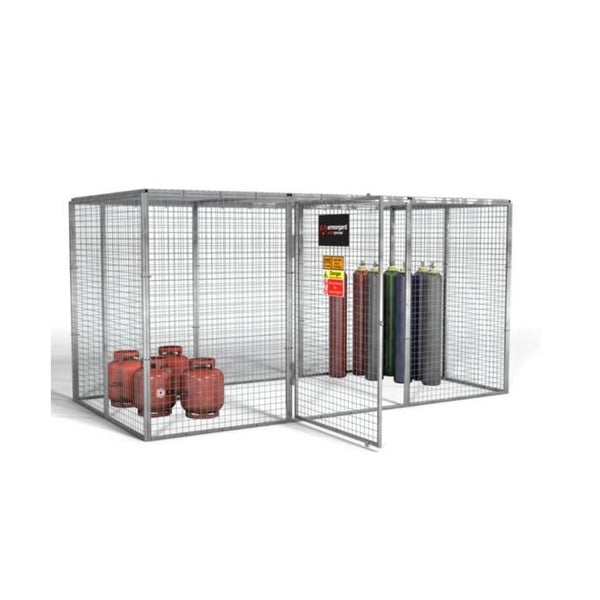
Armorgard Gorilla Gas Cage GGC17 Secure Storage Cage
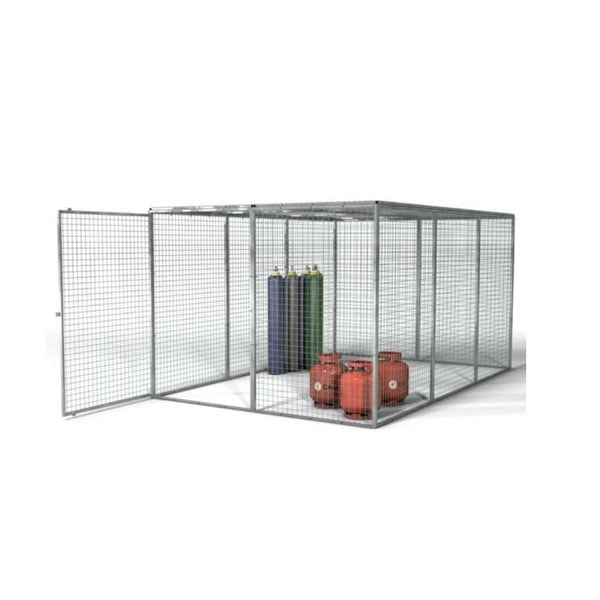
Armorgard Gorilla Gas Cage GGC13 Secure Storage Cage
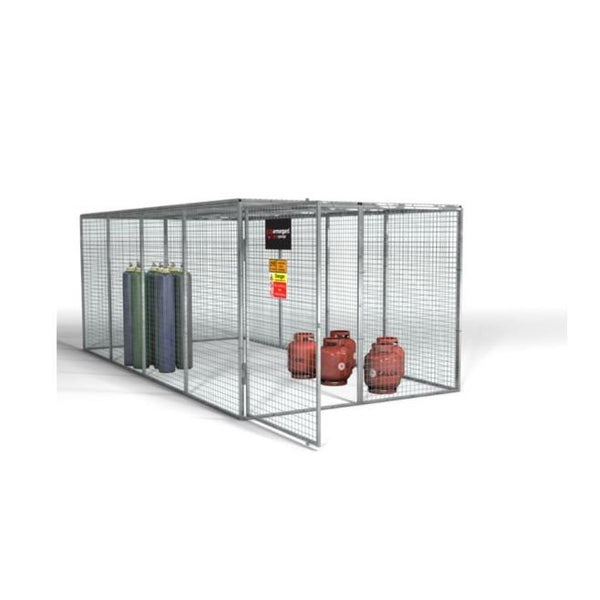
Armorgard Gorilla Gas Cage GGC14 Secure Storage Cage
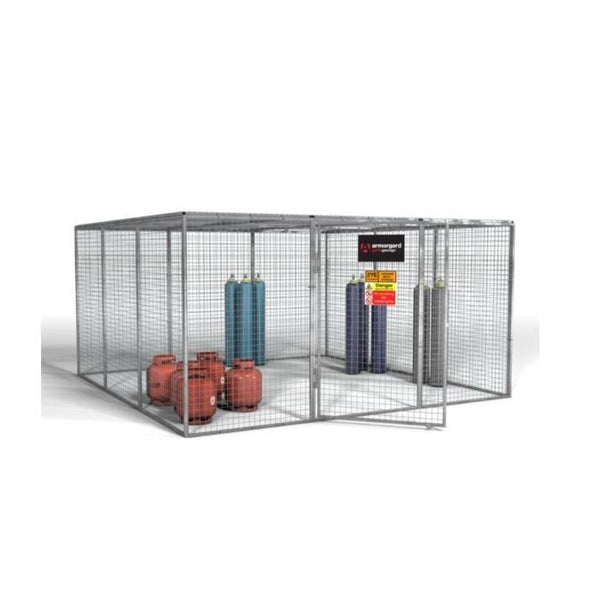
Armorgard Gorilla Gas Cage GGC16 Secure Storage Cage
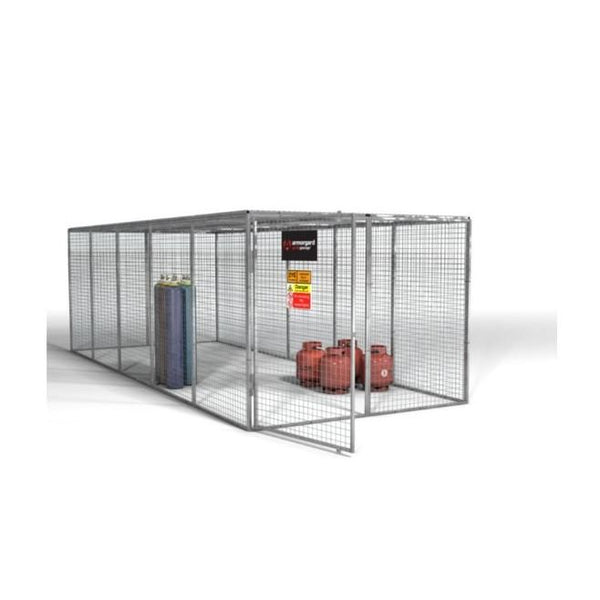
Armorgard Gorilla Gas Cage GGC15 Secure Storage Cage
Talk to a specialist.
Sizing, regulations, installation. Our team has been answering these questions for 28 years.
Choosing the right Gas Bottle Storage
At Fuel Tank Shop, we offer a comprehensive range of gas bottle storage cages designed to provide a secure and reliable storage solutions to protect your property and staff from potential hazards. They are constructed from high-quality steel, offering exceptional durability and weather resistance, with a welded mesh design that allows for ventilation while still providing excellent security. These cages come in a variety of sizes to accommodate your specific storage needs, whether you require a compact unit for a few canisters or a larger cage for a significant collection. We even offer a variety of colours to choose from, allowing you to select a cage that complements your workspace.
Many of our gas bottle storage cages come with pre-drilled holes and fixings for secure wall mounting, ideal for garages or workshops with limited floor space. Additionally, some configurations include health and safety signage. Our gas bottle storage cages boast secure locking mechanisms, deterring unauthorised access and preventing tampering. This is especially important in situations where multiple staff members may be present or where flammable materials are stored nearby.
Gas Bottle Storage FAQs
Do gas cylinders have to be stored outside?
In almost all cases yes. LPG and other compressed gas cylinders should be stored outdoors in a well-ventilated, secure location away from drains, basements and building openings, because leaked LPG is heavier than air and pools in low spaces.
Indoor storage is tightly restricted and generally limited to small quantities in purpose-designed, ventilated arrangements.
What does a compliant gas cage need?
Open mesh construction for continuous natural ventilation, secure locking, a firm level base, cylinder restraint to keep bottles upright, and hazard signage. Separation from boundaries, buildings and ignition sources is set by the quantity stored.
Full and empty cylinders should be segregated within the cage, and stock rotated so older cylinders are used first.
How far from a building should cylinders be stored?
Separation depends on the total quantity and the cylinder type. For modest quantities of LPG, distances commonly start around one to three metres from openings and boundaries, increasing with volume.
Your fire risk assessment and the gas supplier's guidance should determine the actual figure — suppliers will usually advise on siting as part of the account.
Can cylinders be stored lying down?
LPG cylinders must be stored and used upright so the valve stays in the vapour space. Storing them horizontally risks liquid discharge through the valve, which is dangerous.
Some industrial gases have different requirements, so check the supplier's guidance for each gas rather than applying one rule to all cylinders.
Do I need to separate different gases?
Yes. Oxidising gases such as oxygen must be separated from flammable gases such as acetylene and LPG, either by distance or by a fire-resistant barrier.
Mixing them in one cage is a common finding on site inspections and a serious one — an oxygen leak next to a flammable gas leak creates ideal fire conditions.
What about empty cylinders?
Treat them as full. An empty cylinder retains residual gas and vapour and presents much the same hazard, so it needs the same storage, restraint and separation.
Label and segregate empties clearly so they are returned rather than accumulating in the cage.
- Choosing a selection results in a full page refresh.
- Opens in a new window.

New customer offer
£25
off your first order
Minimum spend £500. One code per customer.
Join our mailing list
We'll email your discount code, plus stock updates and trade offers.
We use your email to send your discount code and marketing emails you've opted into. See our privacy policy for how we handle your data.
You're on the list
Check your inbox — your code is on its way. Add us to your safe senders so it doesn't land in spam.