


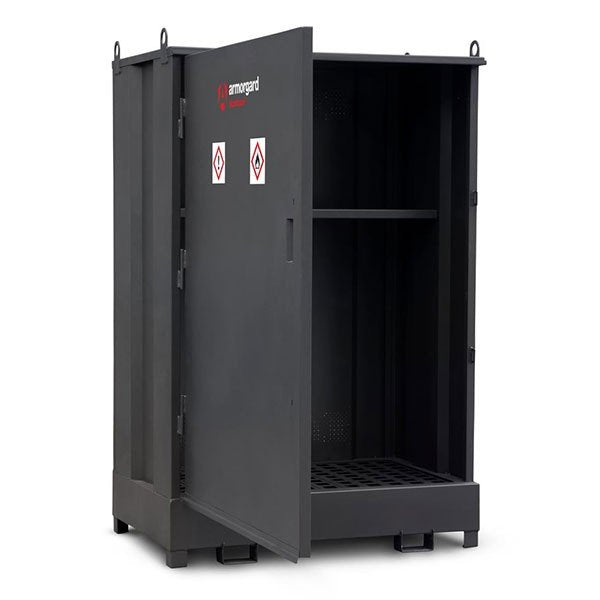
Drum Storage Container – Armorgard DrumBank DB2S
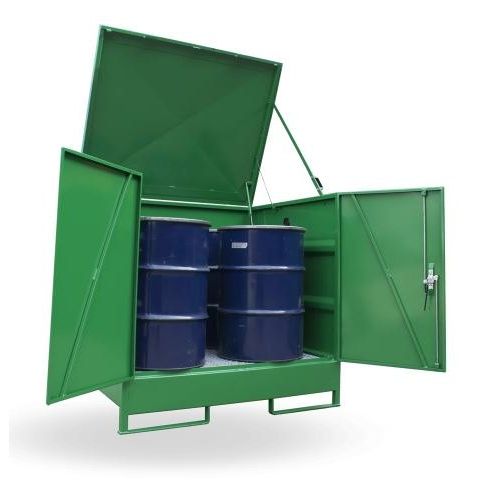
Vertical Bunded Store - VD4D
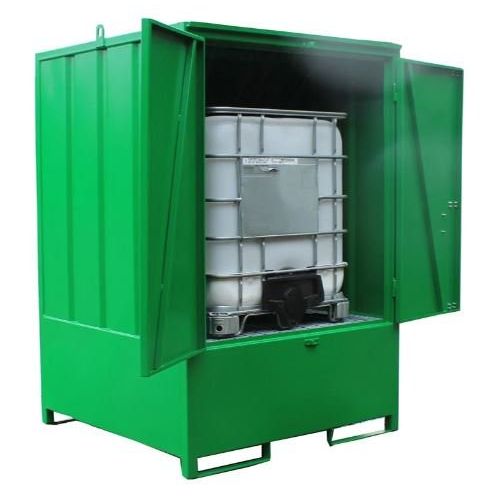
Drum & IBC Storage - DPU4-1
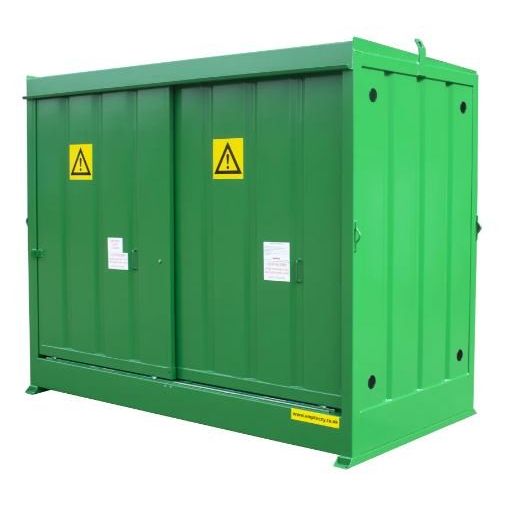
Drum & IBC Store - DPU8-2
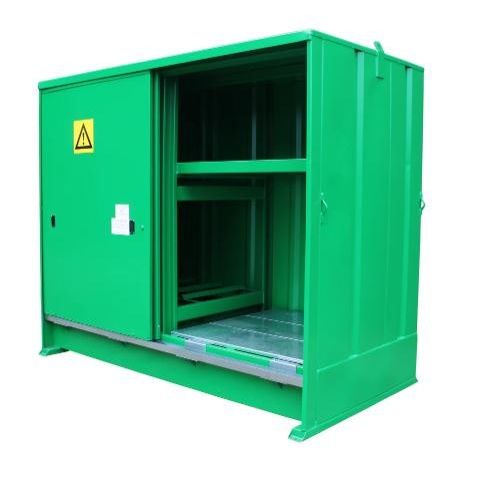
Drum Store - DS8VH
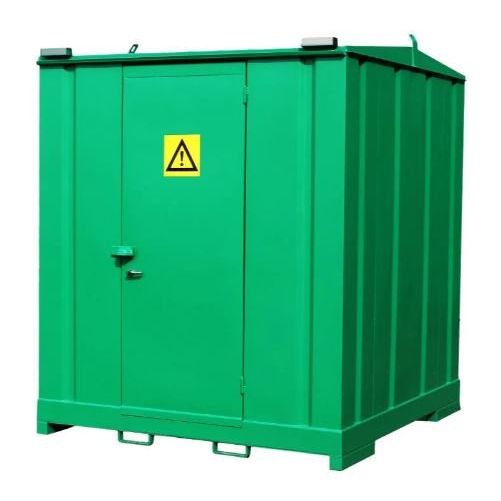
Walk-In Store - CS1
Not sure which tank you need?
Tell us your property, fuel type and typical annual use — one of our experts will spec the right tank for you in 24 hours.
Talk to a specialist.
Sizing, regulations, installation. Our team has been answering these questions for 28 years.
Choosing the right Secure Storage Cabinets
Transform your workspace with professional-grade storage cabinets designed for superior security and organisation, perfect for workshops, industrial facilities, and commercial environments. Our selection includes Armorgard's finest ranges, from the compact PowerStation for charging tools to the comprehensive TuffStor system for larger equipment collections. Each cabinet features adjustable shelving, ventilation systems, and premium powder-coated finishes that resist wear and tear in demanding industrial settings. The multi-point locking systems and reinforced doors provide exceptional security, while thoughtful design elements like cable access points and modular configurations make these cabinets practical for daily use. These cabinets excel in environments where regular access is required, combining quick entry for authorised users with formidable barriers against theft. The ventilated designs allow for storage of battery-powered tools whilst charging, with integrated power distribution systems in selected models. You'll find options ranging from slim-line cabinets perfect for confined spaces to expansive units capable of housing complete tool collections. Every cabinet is constructed from high-grade steel with reinforced corners and anti-lever points, creating a secure environment that meets insurance requirements for valuable equipment storage. For contractors requiring portable options, our secure storage boxes offer similar protection in a mobile format.
Secure Storage Cabinets FAQs
What makes a cabinet genuinely secure rather than just lockable?
Construction gauge, door and frame design, hinge protection and lock specification. A thin-gauge cabinet with an exposed hinge and a cam lock is a deterrent to opportunists only.
Look for welded seams, anti-jemmy returns on doors, concealed or protected hinges, and a five-lever deadlock or equivalent rather than a wafer lock.
Should the cabinet be fixed down?
Wherever possible, yes. A cabinet that can be carried away defeats its own purpose, and most site thefts are of the whole container rather than its contents.
Fixing points should go into a solid floor or wall, and the fixings themselves should be tamper-resistant.
Do I need a fire-rated cabinet?
Only for flammable liquids, hazardous chemicals or lithium batteries. Standard secure cabinets protect against theft, not fire, and storing solvents in one gives no fire protection at all.
If the contents are flammable, specify a purpose-built flammables cabinet with a sumped base and appropriate fire rating.
Indoor or outdoor rated — does it matter?
Considerably. Outdoor cabinets need weatherproof seals, drainage, corrosion protection and lock shields. An indoor cabinet left outside will corrode at the seams and the lock will seize within a season or two.
If a cabinet will spend any time outdoors, specify an outdoor unit from the start.
Will insurance require a specific standard?
Sometimes. Insurers may specify a security rating, attack-test standard or minimum lock specification for tools, equipment or high-value stock, particularly on construction sites.
Confirm requirements before buying — a cabinet that does not meet the policy condition may leave a claim unpaid.
How should keys be managed?
Keyed-alike sets are convenient across multiple cabinets but mean one lost key compromises everything. Individually keyed cabinets are more secure but harder to administer.
For sites with several cabinets, a master-keyed suite is usually the best compromise, with a logged key issue process.
- Choosing a selection results in a full page refresh.
- Opens in a new window.

New customer offer
£25
off your first order
Minimum spend £500. One code per customer.
Join our mailing list
We'll email your discount code, plus stock updates and trade offers.
We use your email to send your discount code and marketing emails you've opted into. See our privacy policy for how we handle your data.
You're on the list
Check your inbox — your code is on its way. Add us to your safe senders so it doesn't land in spam.