


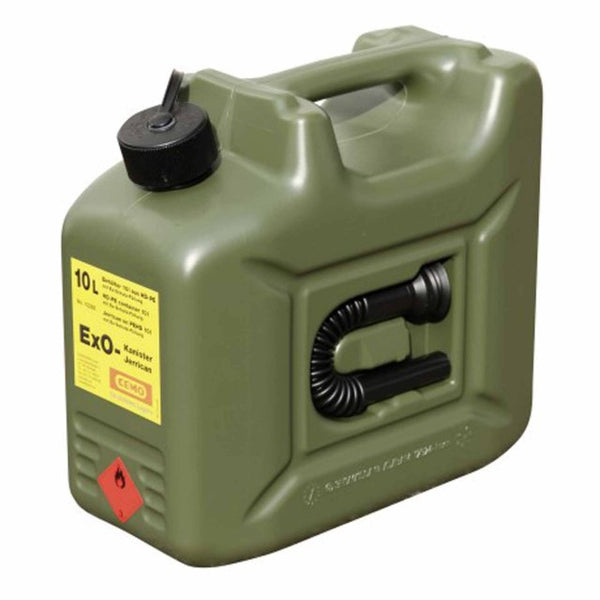
10 Litre Petrol Canister - Cemo ExO Safety Canister
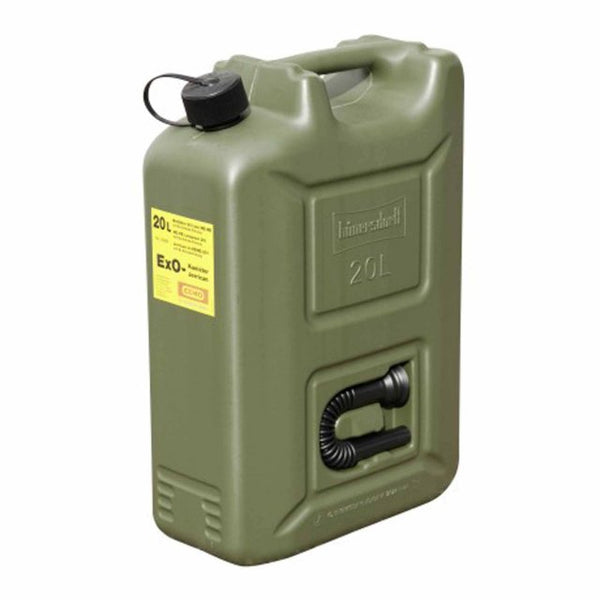
20 Litre Petrol Canister - Cemo ExO Safety Canister
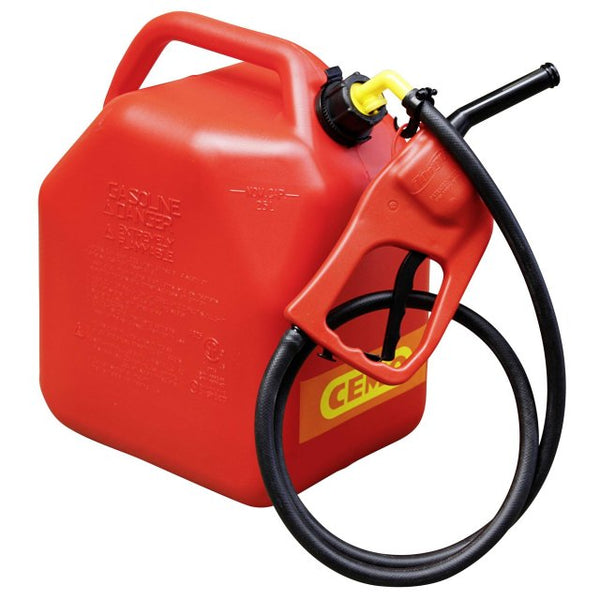
25 Litre Petrol Canister with Nozzle - Cemo
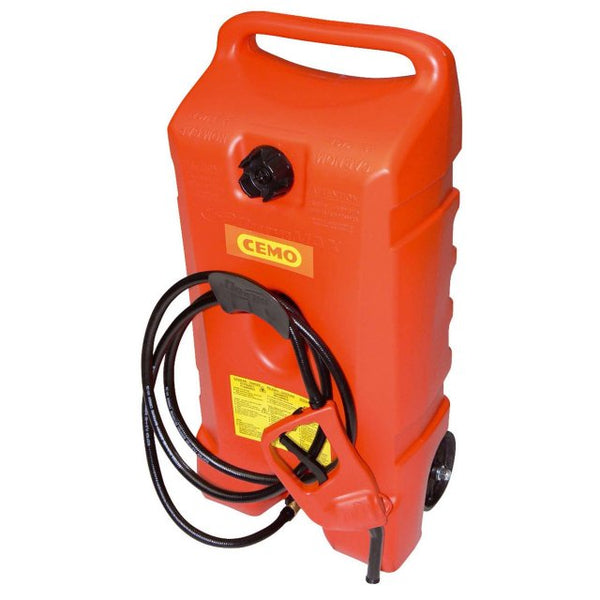
53 Litre Petrol Trolley - Cemo
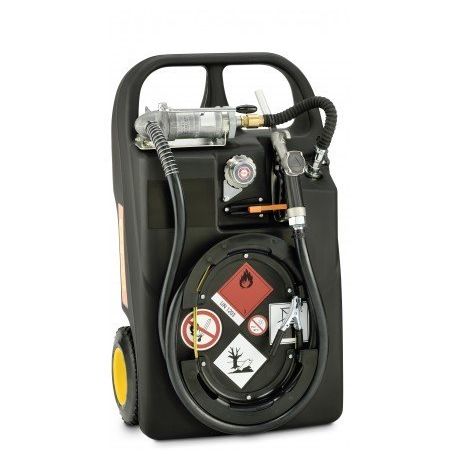
60 Litre Petrol Trolley - Hand Pump - Cemo Fuel Trolley
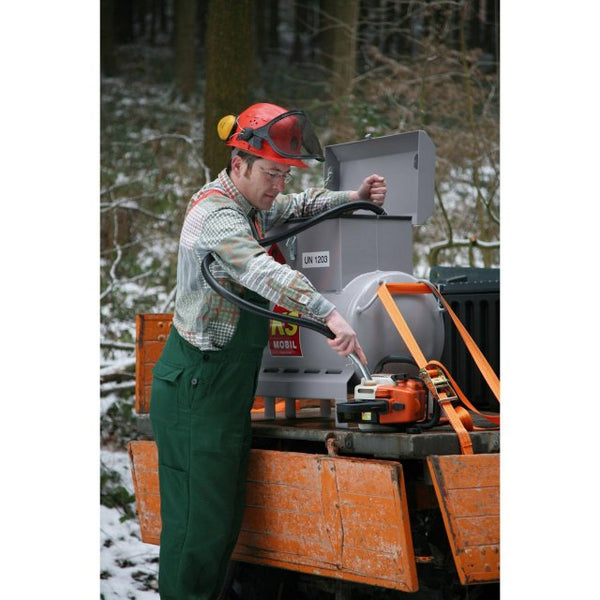
90 Litre ADR Petrol Dispenser - Hand Pump - Cemo KS-Mobile
Not sure which tank you need?
Tell us your property, fuel type and typical annual use — one of our experts will spec the right tank for you in 24 hours.
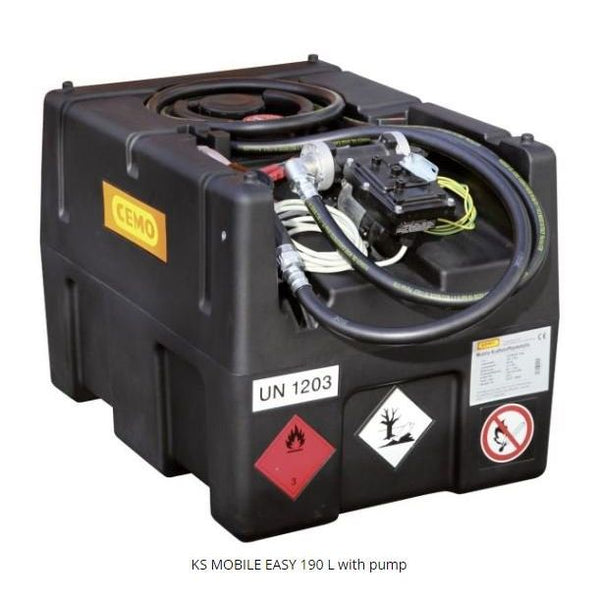
190 Litre ADR Petrol Dispenser - 12v Pump - Cemo KS-Mobile Easy
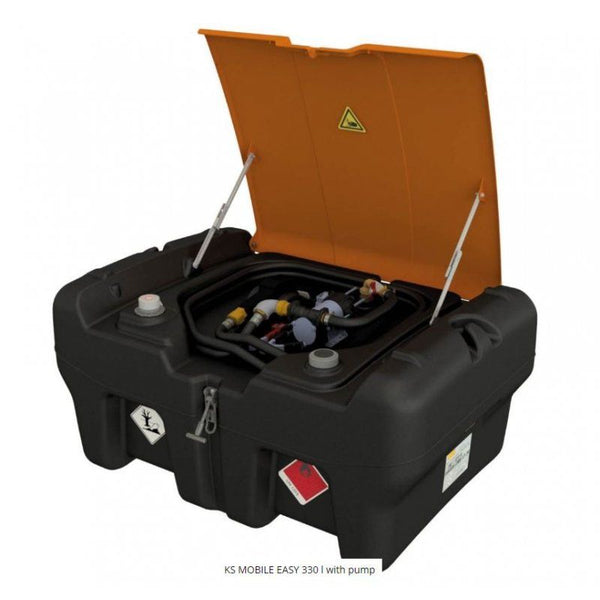
CEMO - 330 Litre ADR Petrol Dispenser - 12v Pump - KS Mobile Easy
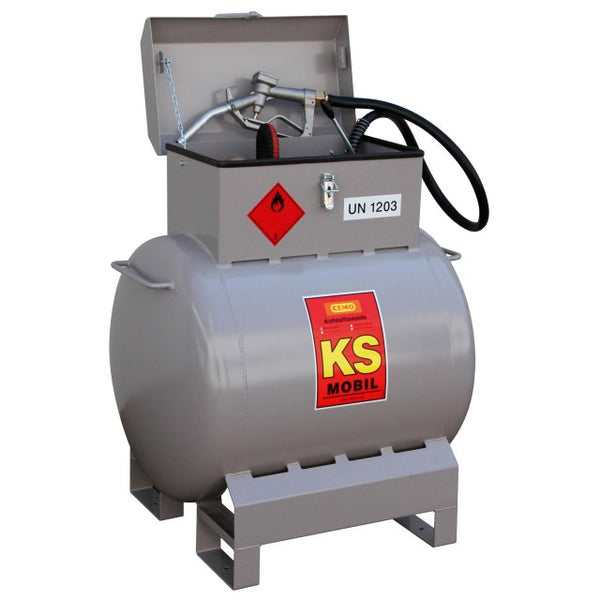
200 Litre Petrol Dispenser - Hand Pump - Cemo KS-Mobile
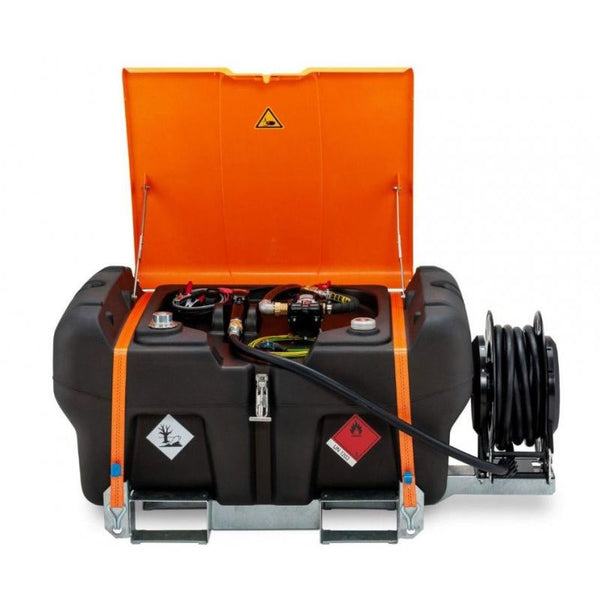
CEMO - 330 Litre ADR Premium Petrol Dispenser - 12v Pump - KS Mobile Easy
Talk to a specialist.
Sizing, regulations, installation. Our team has been answering these questions for 28 years.
Choosing the right Petrol Tanks & Dispensers
At Fuel Tank Shop, we offer a wide range of petrol tanks and dispensers designed to meet the needs of businesses, farms, and industrial operations. Our selection includes high-quality storage solutions ranging from compact 10-litre petrol canisters for small-scale use to large 3,000-litre tanks for substantial fuel storage. Each tank is engineered with safety in mind, featuring a solid construction and compliance with the latest regulatory standards. Many of our tanks are equipped with integrated dispensing systems and electric pumps, offering a complete fuel management solution. Lookout for portable fuelling trolleys, ideal for moving around sites when refuelling tanks, as well as static steel tanks popular with groundskeepers for use on maintenance vehicles and equipment.
Our expert team can guide you through selecting the right combination of tank size, dispenser type, and safety features to create an efficient and compliant petrol storage system. For a comprehensive fuel management setup, don't forget to explore our range of petrol accessories, including specialised hoses, nozzles, and monitoring equipment.
Petrol Tanks & Dispensers FAQs
Can I store petrol on site like diesel?
No. Petrol is a Class 1 flammable liquid and is regulated far more tightly than diesel. Storage is controlled under the Petroleum (Consolidation) Regulations 2014 in Great Britain, and keeping petrol for dispensing generally requires a petroleum storage certificate from the local Petroleum Enforcement Authority.
Diesel equipment is not suitable for petrol — the tank, pump, hoses, nozzle and earthing all differ.
What makes a petrol-rated tank different?
Vapour-tight construction, pressure and vacuum venting, earthing and bonding throughout, ATEX-rated electrical equipment in the hazardous zone, and materials and seals compatible with petrol and its additives.
The hazardous area classification around the tank and dispenser also dictates what other equipment can be sited nearby.
Do I need a licence?
For storage of petrol for dispensing into vehicles, generally yes — via a petroleum storage certificate from your local authority's Petroleum Enforcement Authority. Small quantities kept in approved containers for private use fall under different, lighter rules.
The distinction between keeping petrol and dispensing petrol matters, so it is worth confirming which applies before purchasing equipment.
What separation distances apply?
Distances from buildings, boundaries, ignition sources and drains are set through the hazardous area classification and the enforcing authority's requirements, and vary with tank size and construction.
This should be established at design stage. Retrofitting separation onto an installed tank is rarely practical.
Is static electricity really a risk?
Yes — it is one of the principal ignition sources in petrol handling. All dispensing equipment must be bonded and earthed with a continuous path, and filling into plastic containers on a vehicle bed is specifically hazardous because the container is insulated from earth.
Containers should always be filled on the ground, never in or on a vehicle.
What fire equipment is needed?
Appropriate extinguishers sited at the dispensing point, spill containment, and signage prohibiting smoking, mobile phones and naked flames. Your fire risk assessment should cover the dispensing area specifically.
Foam or dry powder is normally specified for flammable liquid fires; water extinguishers are not suitable.
- Choosing a selection results in a full page refresh.
- Opens in a new window.

New customer offer
£25
off your first order
Minimum spend £500. One code per customer.
Join our mailing list
We'll email your discount code, plus stock updates and trade offers.
We use your email to send your discount code and marketing emails you've opted into. See our privacy policy for how we handle your data.
You're on the list
Check your inbox — your code is on its way. Add us to your safe senders so it doesn't land in spam.