


Manufacturer-trained engineers
Our engineers are trained by the manufacturer.

Agricultural
Shop all AgriculturalLubricant & Oil
Shop all Lubricant & OilDiesel services · Fuel tank decommissioning
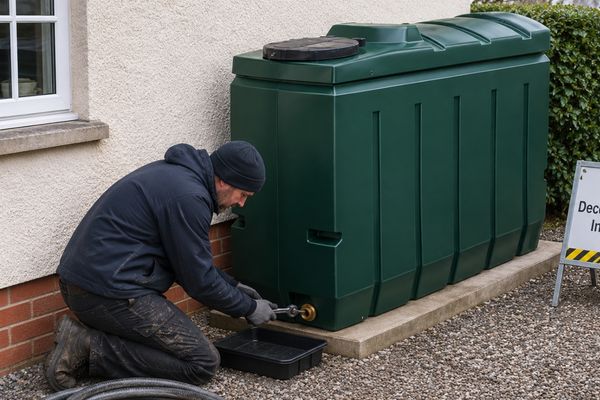
We make redundant fuel tanks safe on commercial and industrial sites. Send us your site details and we will come back to you with a quote.
Prefer to talk? Call 01643 704328 (Mon to Fri, 7:30am to 5pm) or email sales@fueltankshop.co.uk.
Tell us about the tank and the site. A member of the service team will come back to you with advice and a price.
We reply as soon as possible. No obligation.
When to decommission
Why it matters
An unused tank is still a liability. Taking it out of service the right way reduces the risk to your site and the environment.
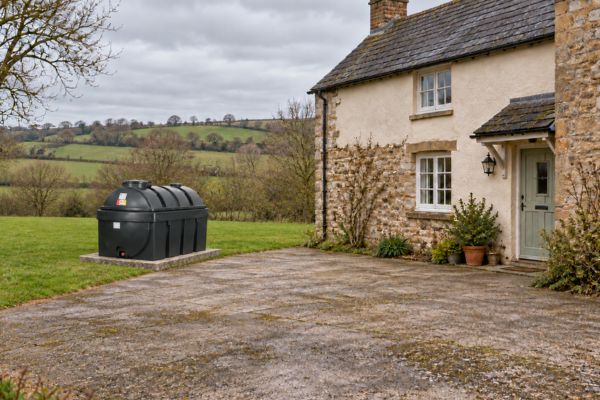
Leftover fuel and sludge can escape and contaminate soil and water.
If a leak happens, your business can be held responsible for the clean-up.
Insurers expect storage to be managed and records kept. Check your own policy terms.
The Control of Pollution (Oil Storage) (England) Regulations 2001 apply to businesses storing oil above ground. Scotland, Wales and Northern Ireland have their own oil storage regulations.
An empty-looking tank can still hold residual vapour. It should not be cut, welded or entered without proper procedures.
Who does the work
Our engineers are trained by the manufacturer.
Engineers are based across the UK and Ireland.
You can arrange decommissioning and a replacement tank in one place.
Common questions
If your question is not here, put it in the enquiry form and we will answer it when we call.
If you no longer need a tank, you should not simply leave it. Unused tanks can still hold residual fuel and vapour, and can leak. Businesses storing oil above ground also have duties under oil storage regulations. A decommissioning engineer can make the tank safe.
Tell us on the form whether you want the tank taken away or left in place, and we will confirm what can be done for your site. Photos of the tank and its location help us give an accurate quote.
Residual fuel has to be handled, reused or disposed of in line with waste rules. Tell us how much fuel is left and what type it is when you enquire, so the engineer can plan for it. Do not try to empty the tank yourself.
Paperwork matters for insurers, regulators and your own site records. When you request a quote, ask which documents you will receive, such as a decommissioning certificate or waste transfer notes. Keep everything you are given with your site records for future inspections and audits.
The time depends on tank size, fuel quantity, access and whether the tank is removed or left in place. Include your capacity, location and timescale on the form, and we will confirm availability with you. Tight deadlines are worth flagging up front.
Call the service team or send an enquiry and we will come back to you with a quote.

New customer offer
£25
off your first order
Minimum spend £500. One code per customer.
We'll email your discount code, plus stock updates and trade offers.
We use your email to send your discount code and marketing emails you've opted into. See our privacy policy for how we handle your data.
Check your inbox — your code is on its way. Add us to your safe senders so it doesn't land in spam.