


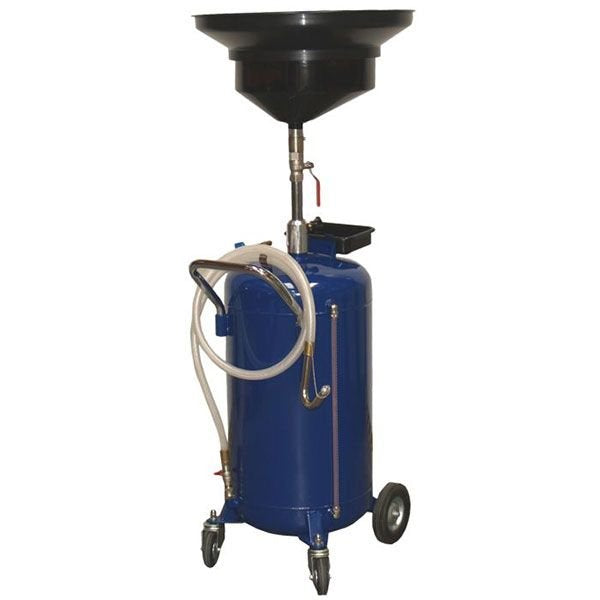
Waste Oil Gravity Drainer - Air Evacuation
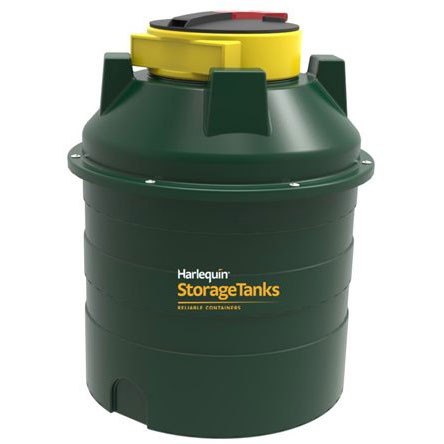
350 Litre Bunded Waste Oil Tank - Harlequin ORB350
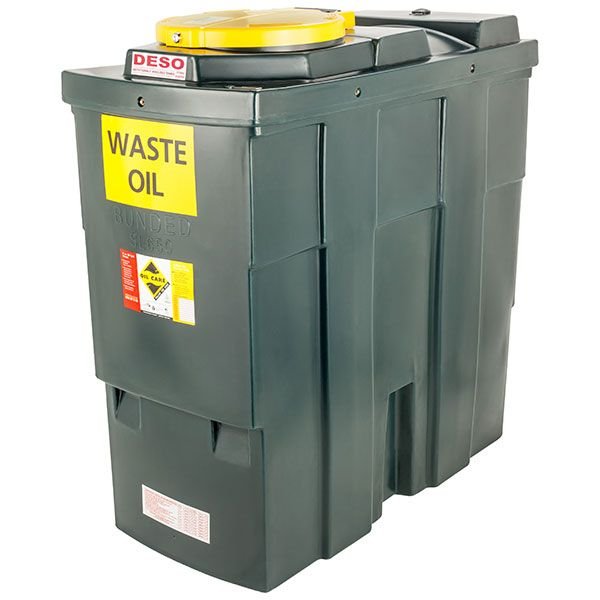
650 Litre Slimline Bunded Waste Oil Tank - Deso SL650WOW
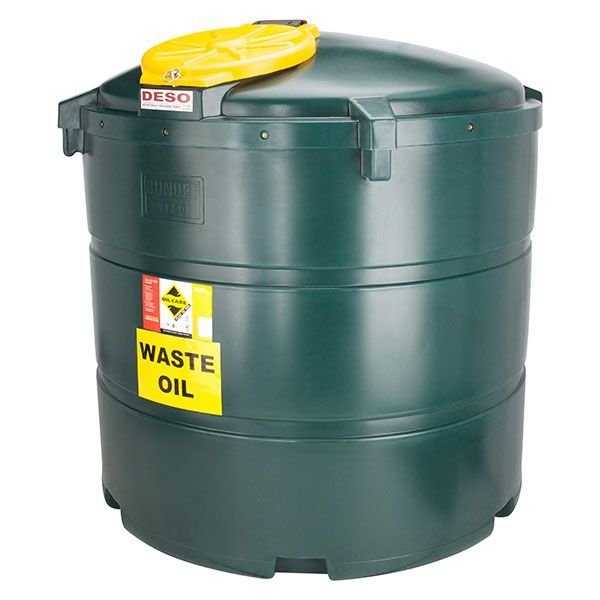
1340 Litre Bunded Waste Oil Tank - Deso V1340WOW
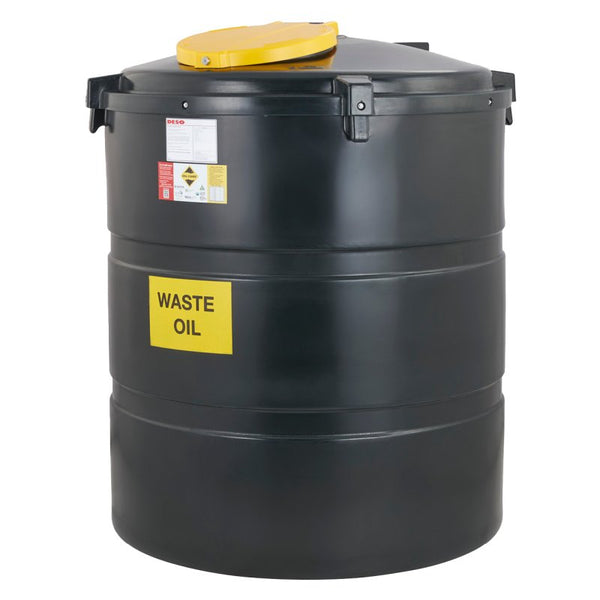
1230 Litre Bunded Waste Oil Tank - Deso V1230WOW
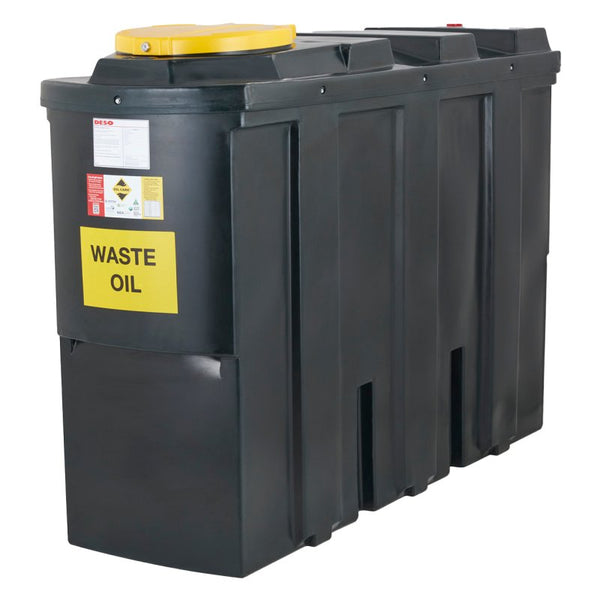
1000 Litre Slimline Bunded Waste Oil Tank - Deso SL1000WOW
Not sure which tank you need?
Tell us your property, fuel type and typical annual use — one of our experts will spec the right tank for you in 24 hours.

1235 Litre Slimline Bunded Waste Oil Tank - Deso SL1235WOW
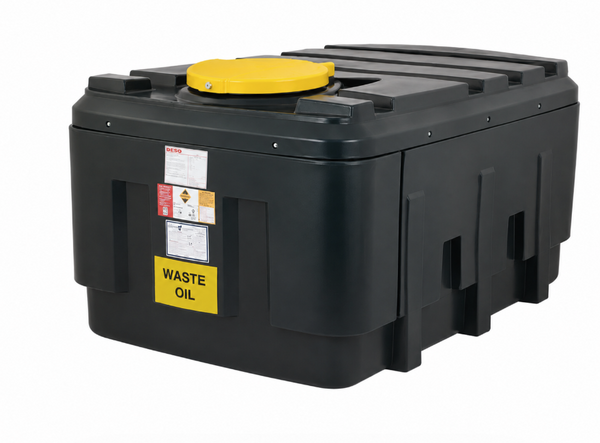
1200 Litre Bunded Waste Oil Tank - Deso LP1200WOW
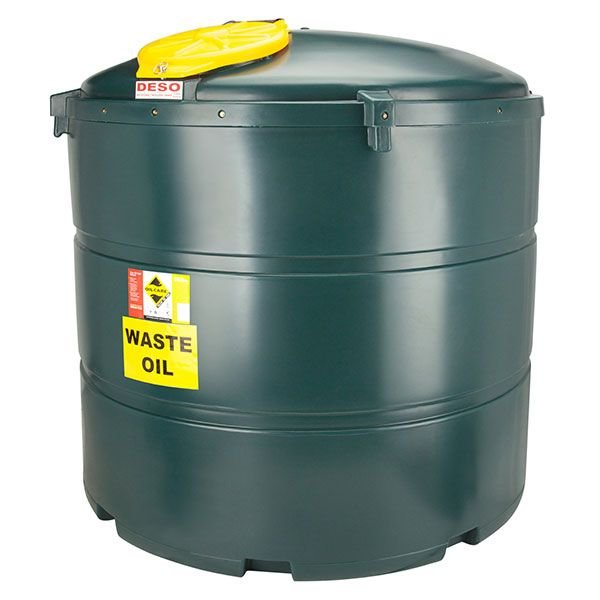
2455 Litre Bunded Waste Oil Tank - Deso V2455WOW
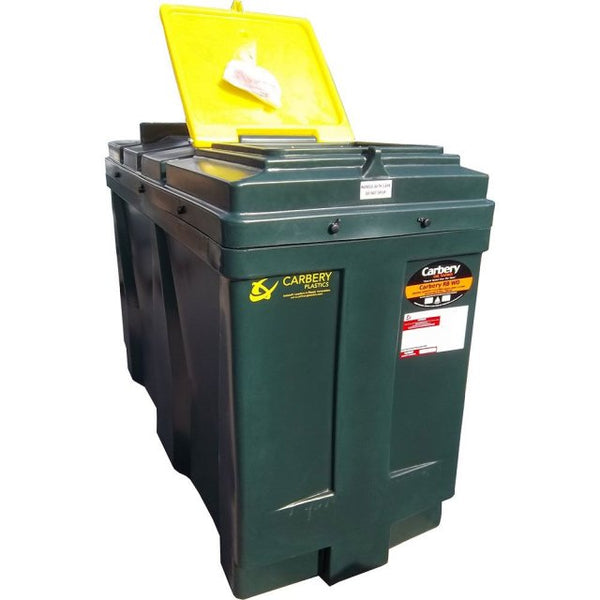
1100 Litre Bunded Waste Oil Tank - Carbery BTGR1100R-WOIL
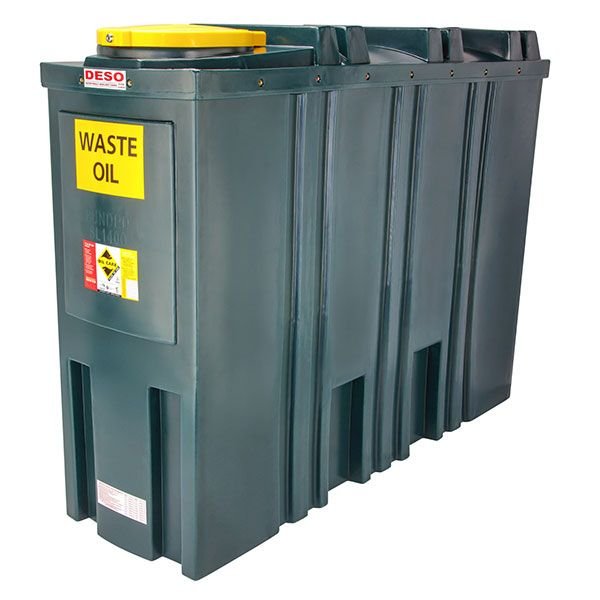
1400 Litre Slimline Bunded Waste Oil Tank - Deso SL1400WOW
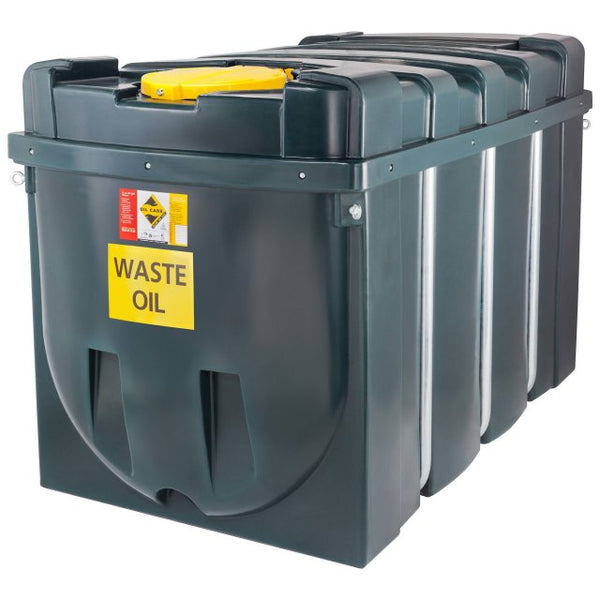
2500 Litre Bunded Waste Oil Tank - Deso H2500WOW
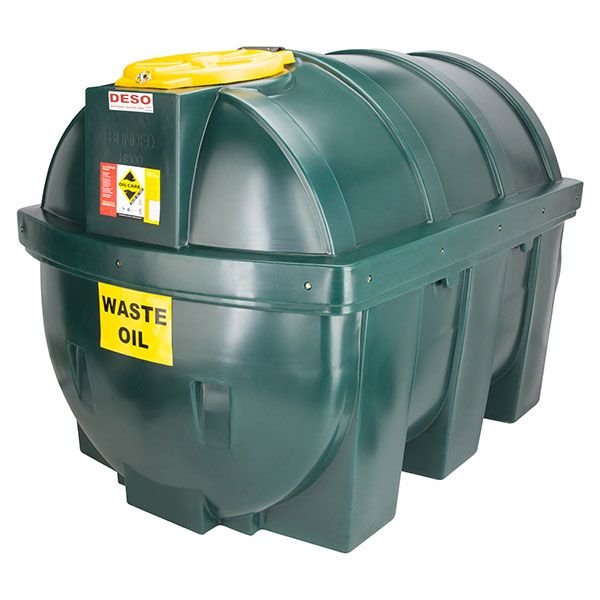
1800 Litre Bunded Waste Oil Tank - Deso H1800WOW
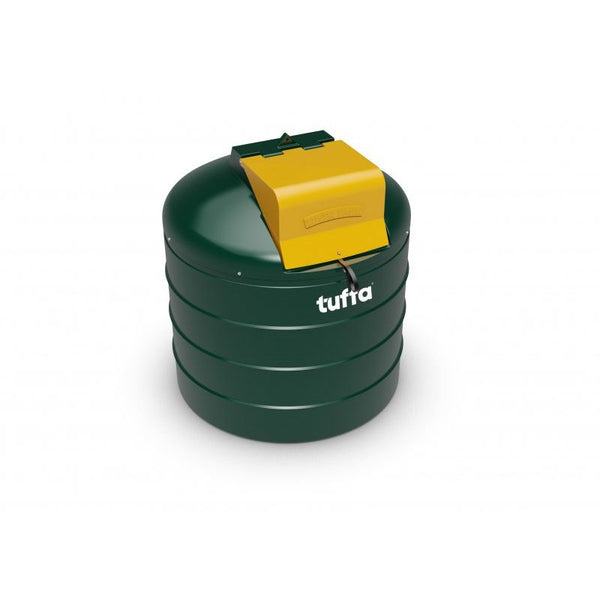
Tuffa 1400 Litre Bunded Waste Oil Tank - 1400VBWOS
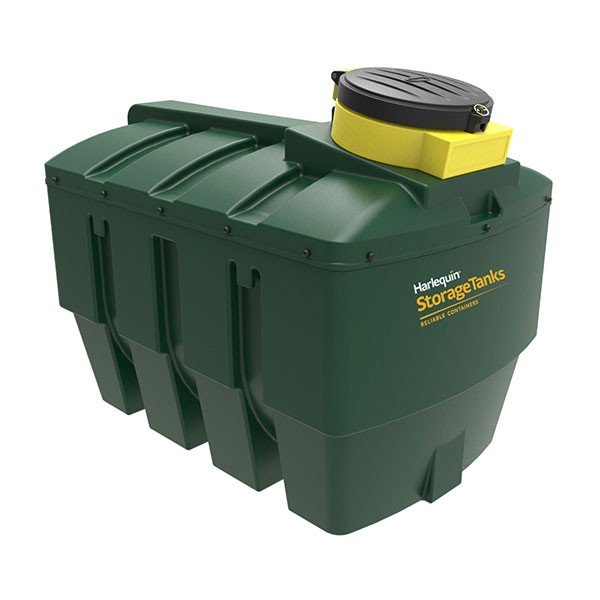
1400 Litre Waste Oil Tank - Harlequin ORB1400
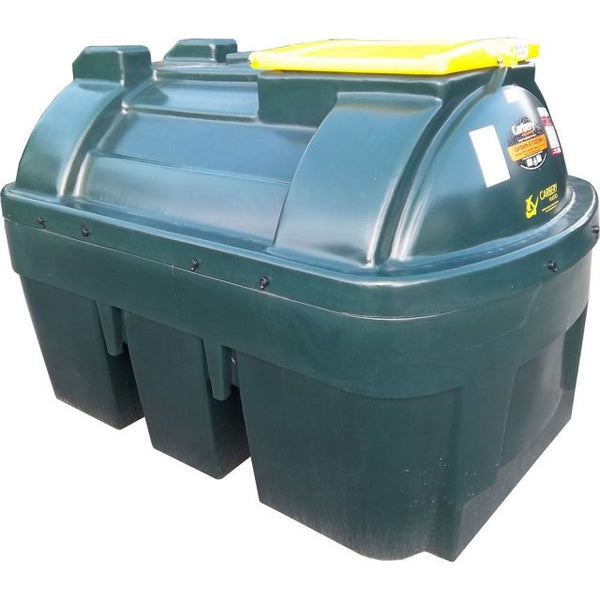
1500 Litre Bunded Waste Oil Well - Carbery BTGR1350H-WOIL
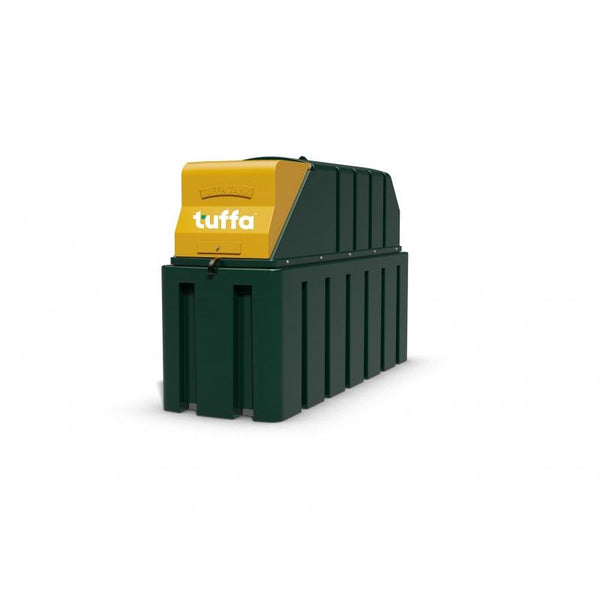
Tuffa 1350 Litre Bunded Waste Oil Tank - 1350SLBWOS
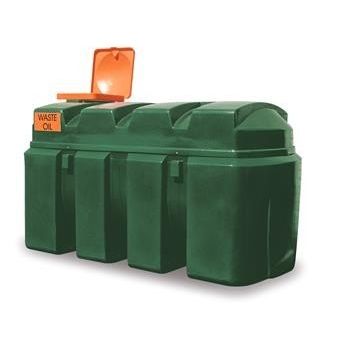
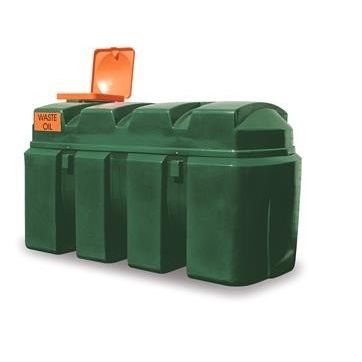
1000 Litre Waste Oil Tank -Titan BOW1000
Talk to a specialist.
Sizing, regulations, installation. Our team has been answering these questions for 28 years.
Choosing the right Plastic Waste Oil Tanks
Managing waste oil effectively is essential for ensuring safety and environmental compliance, and our range of plastic waste oil tanks offer a reliable and cost-effective solution. These tanks are specifically designed to store used oil until it can be safely collected and disposed of, making them an essential component for garages, workshops, and domestic users. With options from leading manufacturers such as Carbery, Deso, and Harlequin, you can trust these tanks to deliver durable performance and easy maintenance.
Plastic tanks are lightweight, resistant to corrosion, and available in a variety of sizes, making them a versatile choice for many applications. Whether you need a compact tank for a small-scale operation or a larger model for higher capacity needs, our plastic tanks come in a variety of sizes from 350-litre to 9,200-litres. If you're looking for a more solid solution for storing larger quantities of waste oil, our steel waste oil tanks provide excellent strength, long-lasting reliability, and added protection against industrial environments.
Plastic Waste Oil Tanks FAQs
Why choose plastic over steel for waste oil?
Polyethylene will not corrode, which matters because waste oil often carries water and acidic combustion products that attack steel from the inside. It is also lighter to position and generally cheaper.
Steel remains preferable where impact risk is high or where the tank is in a hot working environment.
Are they suitable for all waste oils?
Polyethylene handles used engine, hydraulic and gear oils well. Solvents, brake fluid and some synthetic lubricants can degrade or permeate the material.
If waste streams other than mineral oil are involved, check compatibility rather than assuming — and in any case those streams should be segregated for disposal reasons.
Do they have to be bunded?
At commercial premises, above-ground storage over 200 litres needs secondary containment providing 110% of the tank capacity. Integrally bunded plastic tanks build that in.
This applies to waste oil exactly as it does to fresh oil — the regulations do not distinguish.
How do I get the waste oil into the tank?
Pumped transfer from a mobile drainer or a workshop collection point is the cleanest method. Gravity fill points at a convenient working height also work well.
Repeated manual decanting from open containers is where most workshop spills originate, so a fixed transfer arrangement usually pays for itself.
How do I know when it needs emptying?
Fit a level gauge and set a trigger point well below capacity so uplift can be arranged without pressure. Waste oil collection is not always available at short notice.
Running to the point where drums accumulate beside a full tank is exactly the situation that produces spills.
What is the lifespan of a plastic waste oil tank?
Typically 15 to 20 years with reasonable care, though UV exposure and mechanical damage shorten it. Look for stress cracking around fittings, distortion, and any softening or swelling of the material.
Liquid in the bund of an integrally bunded tank means the inner tank has failed and requires immediate attention.
- Choosing a selection results in a full page refresh.
- Opens in a new window.

New customer offer
£25
off your first order
Minimum spend £500. One code per customer.
Join our mailing list
We'll email your discount code, plus stock updates and trade offers.
We use your email to send your discount code and marketing emails you've opted into. See our privacy policy for how we handle your data.
You're on the list
Check your inbox — your code is on its way. Add us to your safe senders so it doesn't land in spam.