


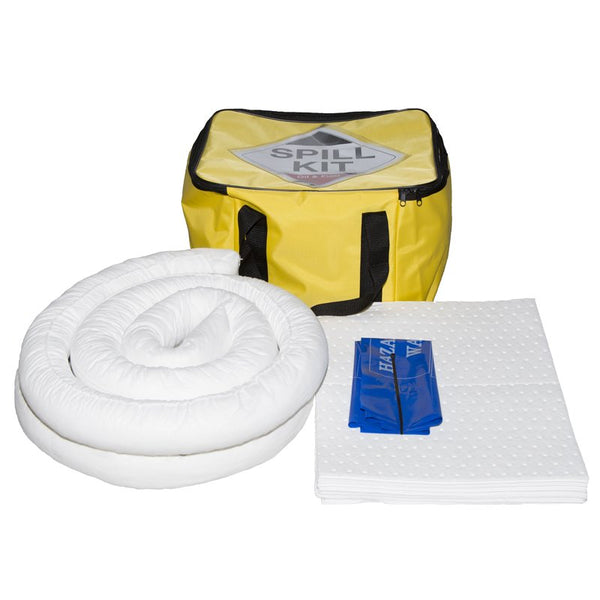
35 Litre Fuel Spill Kit - Cube Bag (OSKC)
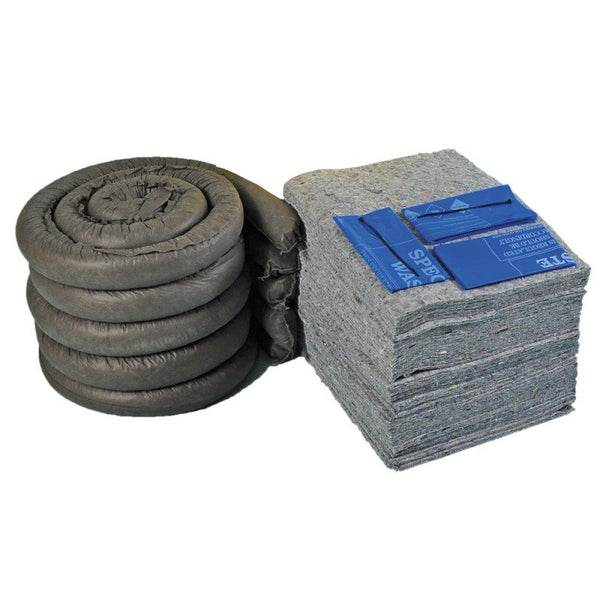
EVO Recycled - 120 Litre Spill Kit In Yellow Wheelie-Bin - REFILL KIT - EVO-SK120
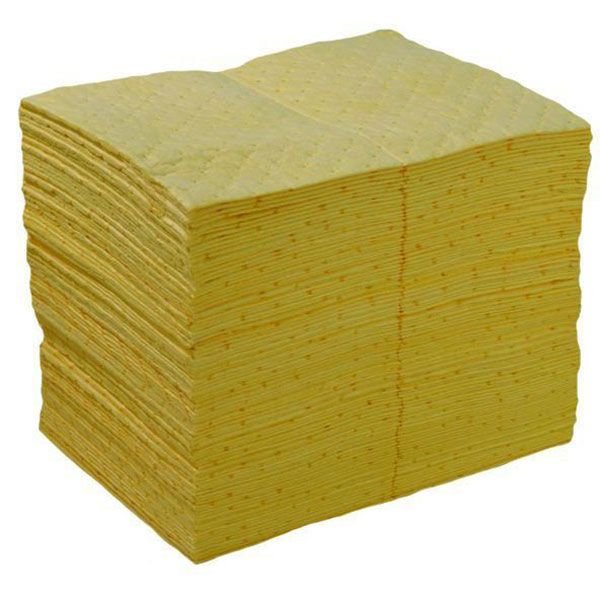
80 Litre Chemical Spill Pads
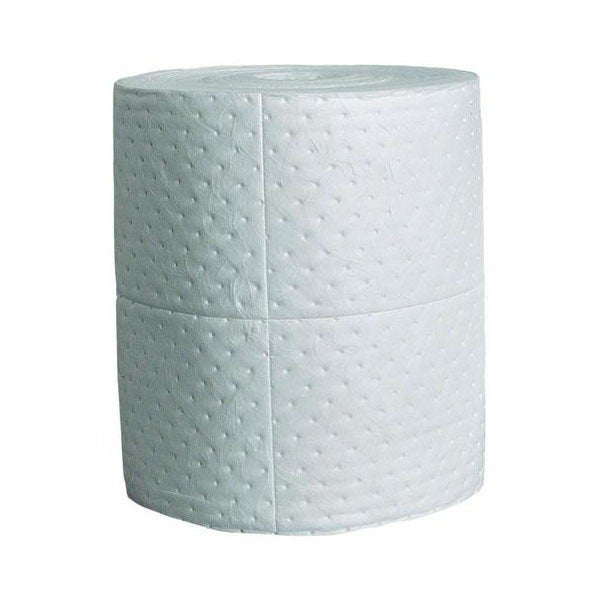
Oil Absorbent Roll 80 Litres
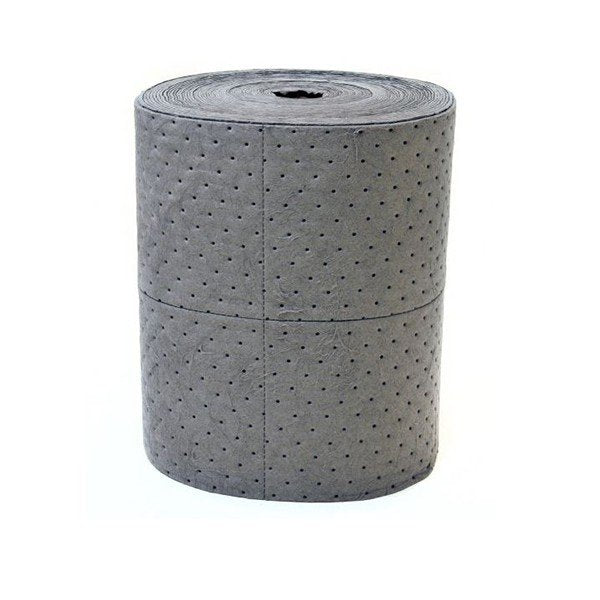
80 Litre General Purpose Spill Roll
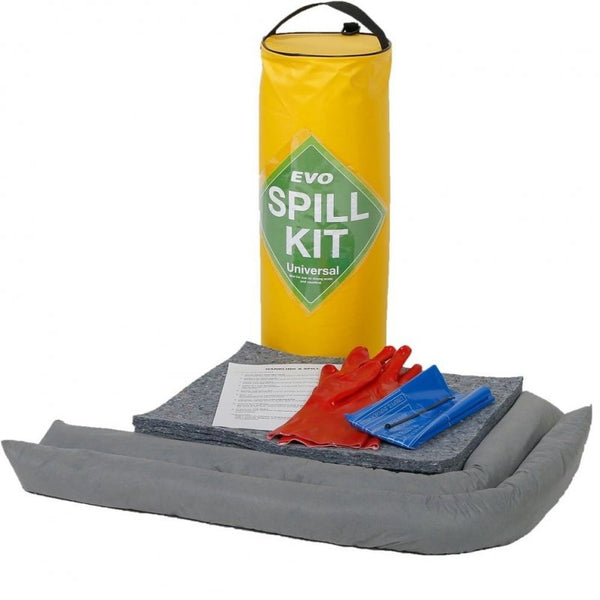
EVO Recycled - 20 Litre Cab Spill Kit - EVO-SKFT
Not sure which tank you need?
Tell us your property, fuel type and typical annual use — one of our experts will spec the right tank for you in 24 hours.
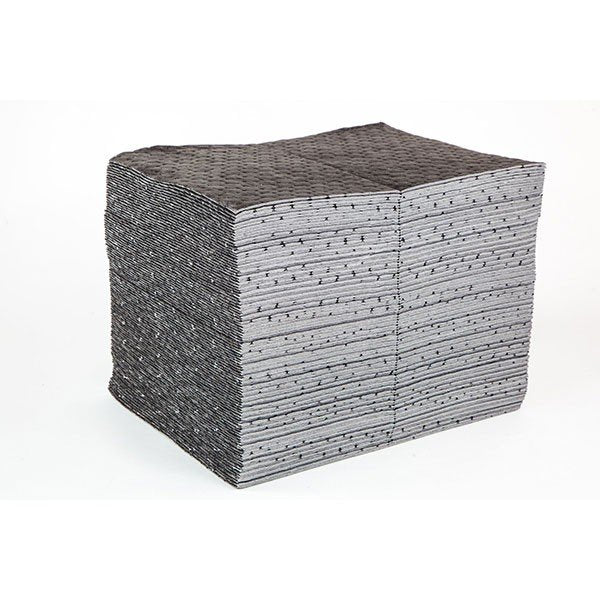
80 Litre General Purpose Spill Pads
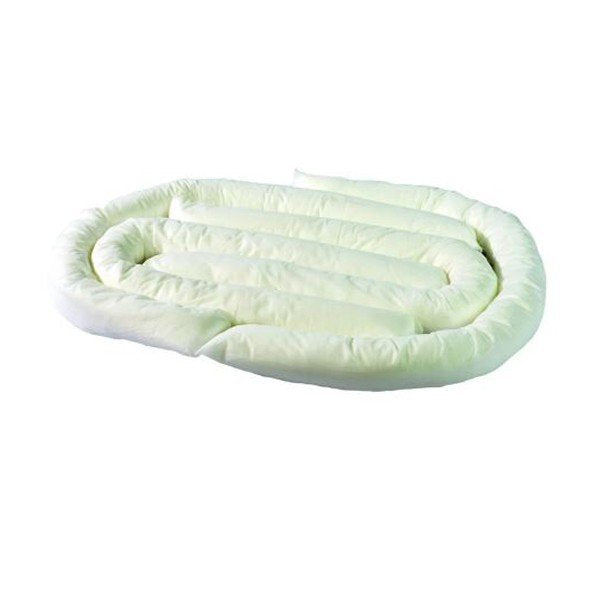
90 Litre Oil Spill Sock
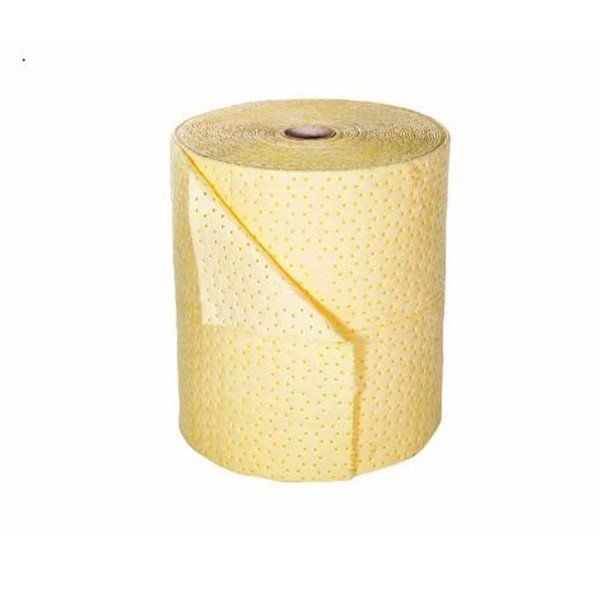
80 Litre Chemical Spill Roll
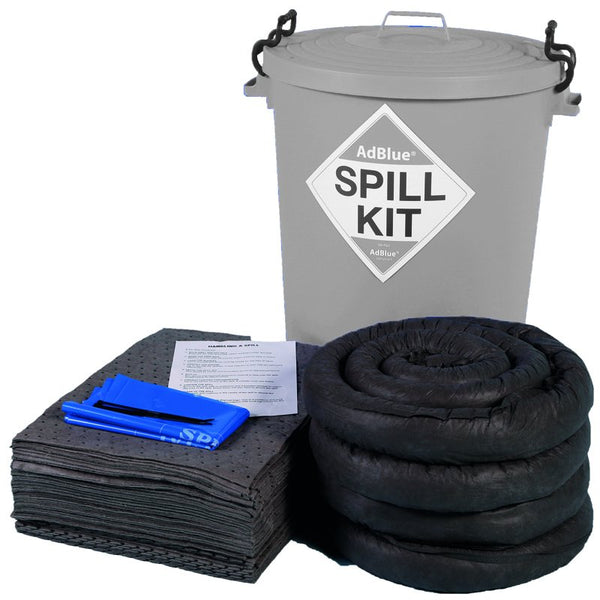
100 Litre Refill Pack for the 100L Blue Drum (ABRF100)
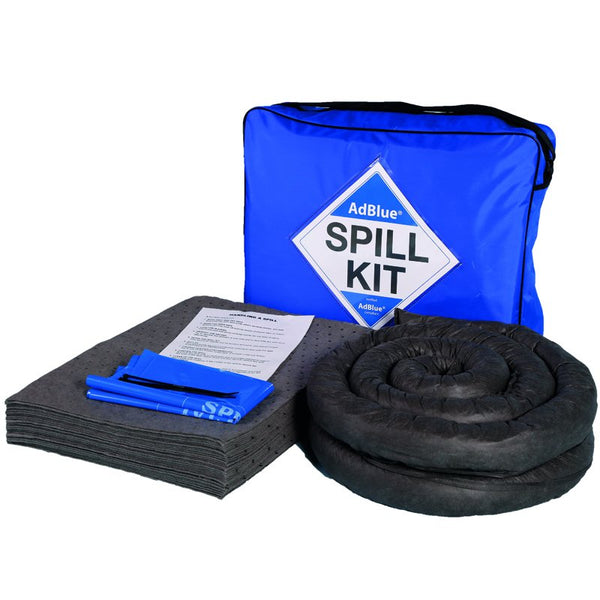
50 litre AdBlue spill kit in blue shoulder bag (ABK50)
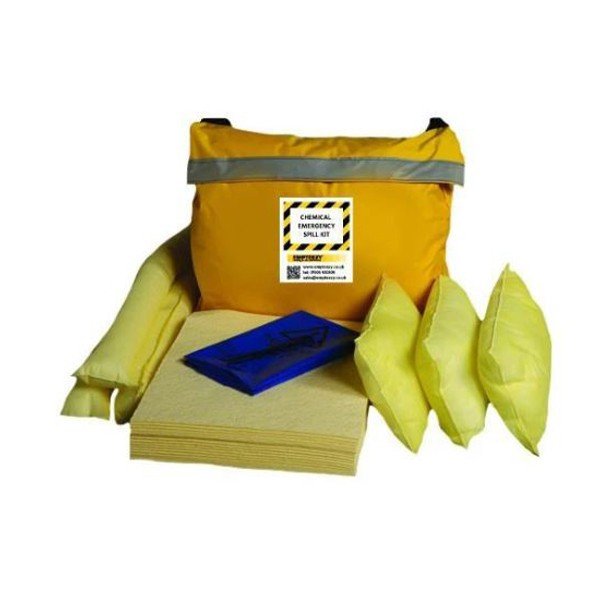
50 Litre Chemical Spill Kit
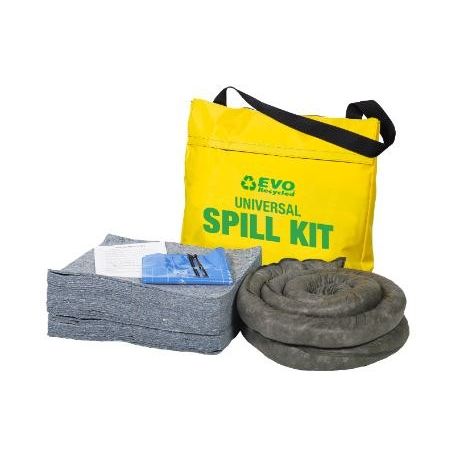
EVO Recycled - 50 Litre General Purpose Flap Bag - EVO-SK50FB
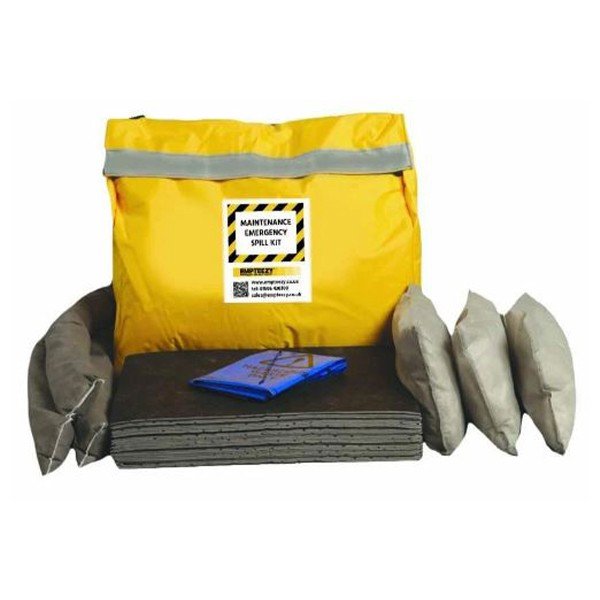
50 Litre General Purpose Spill Kit
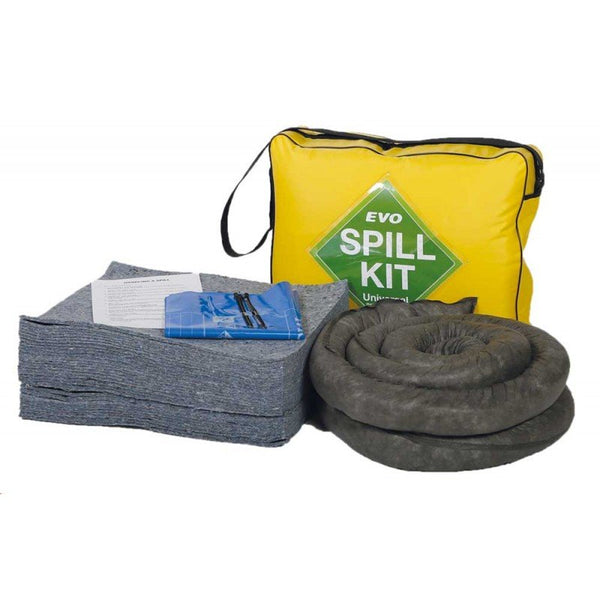
EVO Recycled - 50 Litre Spill Kit In Shoulder Bag - EVO-SK50
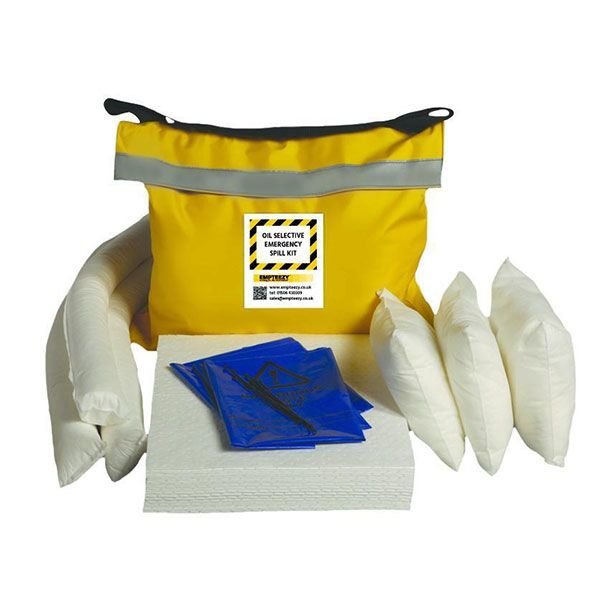
50 Litre Portable Oil Spill Kit - Grab Bag Oil Spill Kit
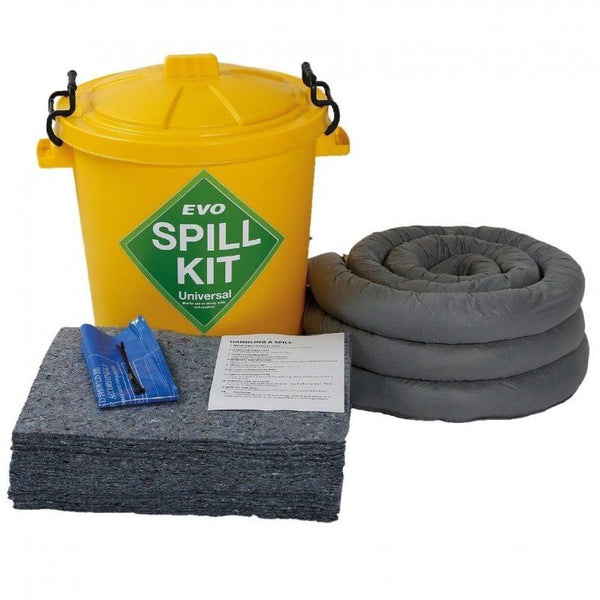
EVO Recycled - 60 Litre Spill Kit In Plastic Drum - EVO-SK60
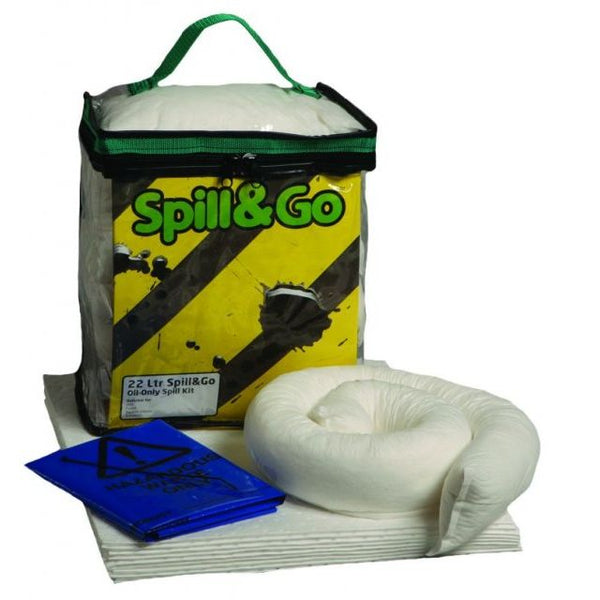
20 Litre Oil Spill Kit In A Carry Case
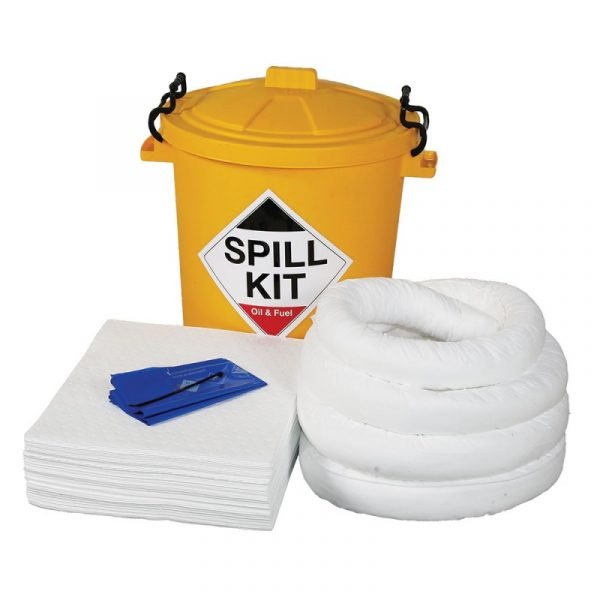
Talk to a specialist.
Sizing, regulations, installation. Our team has been answering these questions for 28 years.
Choosing the right Pads, Rolls, Cushions & Socks
In the world of spill control, precision and flexibility are key to effective liquid containment and cleanup. Our range of pads, rolls, cushions, and socks provides you with versatile tools that can be adapted to virtually any spill scenario you might encounter. Whether you're dealing with small leaks, managing ongoing drips, or creating barriers to prevent liquid spread, these specialised absorption products offer unparalleled performance and reliability.
Our products come in various sizes and absorption capacities, allowing you to create custom containment solutions for your specific workplace needs. These items work perfectly in conjunction with our oil spill kits and can be easily stored in our spill kit cabinets, ensuring you're always prepared for unexpected liquid incidents. From environmental booms that can contain large surface spills to precision-engineered socks that can wrap around machinery or create protective barriers, our range offers a comprehensive approach to workplace liquid management that prioritises safety and efficiency.
Pads, Rolls, Cushions & Socks FAQs
What is each format actually for?
Pads suit drips, small spills and wiping down. Rolls cover walkways, work areas and machinery and can be cut to length. Socks contain and direct a spill or ring a leaking container. Cushions absorb larger volumes in one place, such as under a persistent leak.
A typical response uses socks to contain the perimeter first, then pads to recover from the middle.
Which grade should I buy?
Oil-only (white) for hydrocarbons and anywhere a spill could reach water. Chemical (yellow) for aggressive liquids. General purpose or maintenance (grey) for mixed workshop fluids including water and coolant.
The colour convention is widely followed and is worth relying on, since it prevents the wrong grade being grabbed under pressure.
What do the weights mean?
Absorbents are commonly described as light, medium or heavy weight, referring to the material thickness. Heavier grades hold more per pad and are more durable underfoot; lighter grades are cheaper and suit small drips.
For walkways and areas with foot traffic, a heavier bonded roll lasts considerably longer than a light one.
Are bonded or dimpled absorbents worth the extra?
Bonded absorbents have a reinforced backing that stops them shredding underfoot and prevents wicking through to the floor. Dimpling helps the material take up liquid faster.
For maintenance matting in trafficked areas, bonded is worth it. For one-time spill response, standard pads are fine.
How do I store them?
Sealed, dry and out of sunlight. Absorbents that have gone damp in storage lose much of their capacity before they are ever used, and UV degrades the polypropylene.
Keeping them in a cabinet rather than a stack on a shelf also stops them being taken for general cleaning.
How are used absorbents disposed of?
As hazardous waste where they have taken up oil or chemicals, in sealed and labelled containers collected by a licensed carrier under a consignment note.
Keep waste from different substances separate — mixed hazardous waste costs more to dispose of and incompatible residues can react.
- Choosing a selection results in a full page refresh.
- Opens in a new window.

New customer offer
£25
off your first order
Minimum spend £500. One code per customer.
Join our mailing list
We'll email your discount code, plus stock updates and trade offers.
We use your email to send your discount code and marketing emails you've opted into. See our privacy policy for how we handle your data.
You're on the list
Check your inbox — your code is on its way. Add us to your safe senders so it doesn't land in spam.