SKU · ECE026SLM
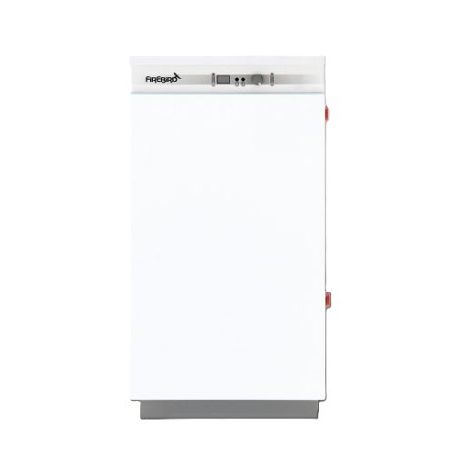
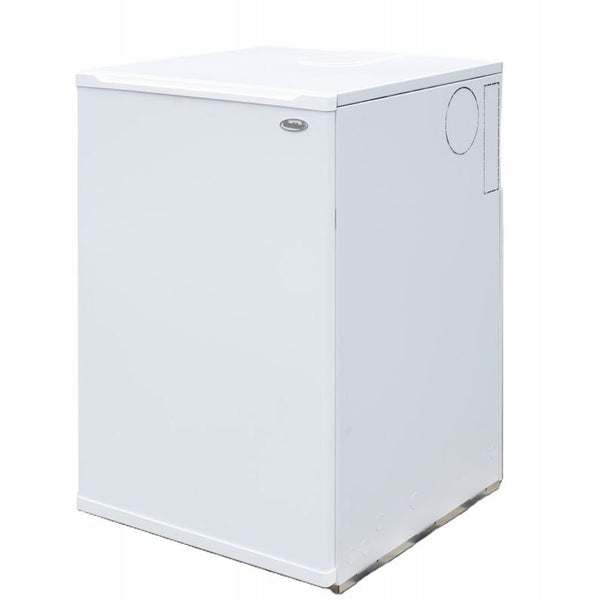
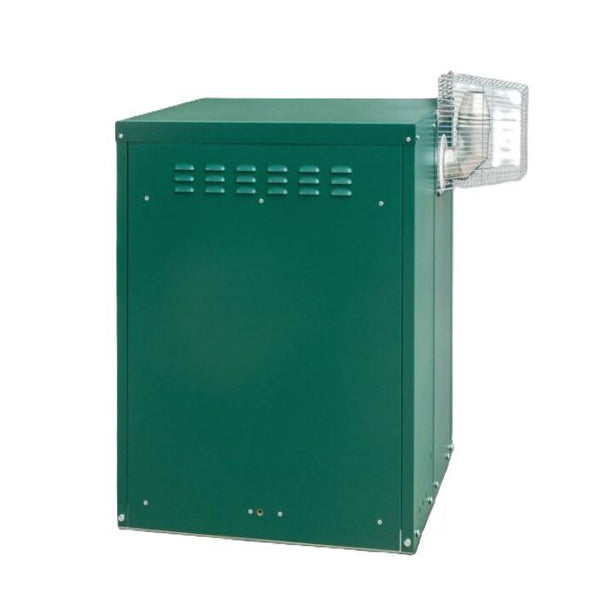
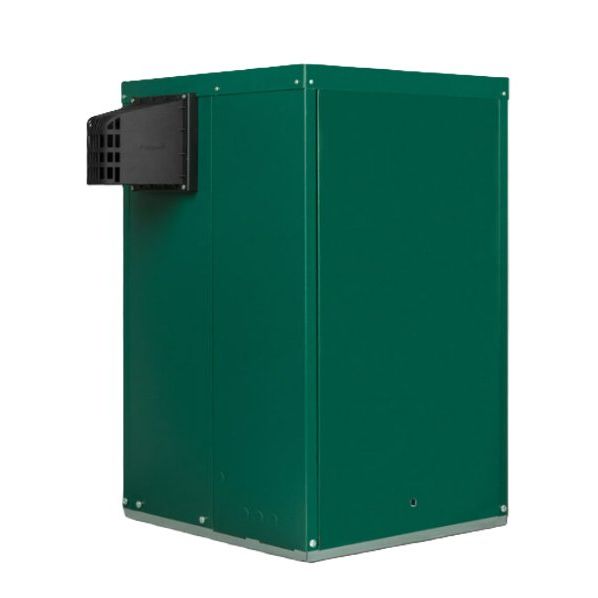
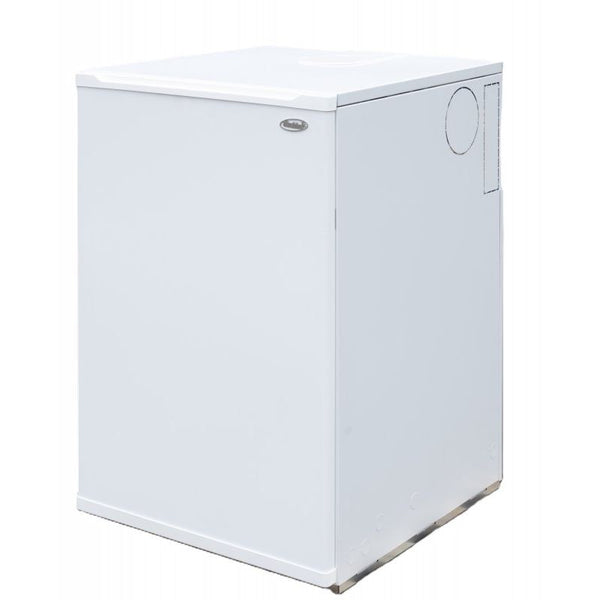
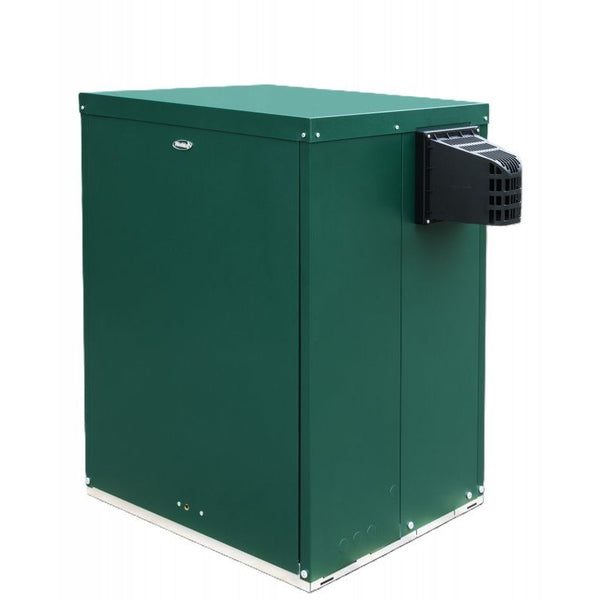
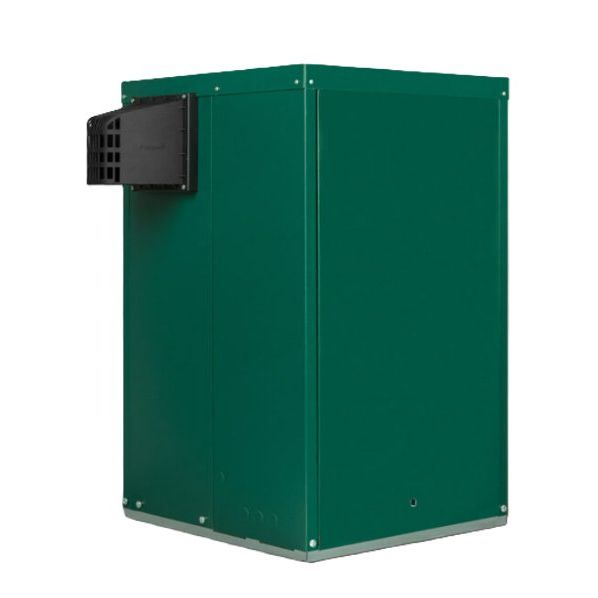
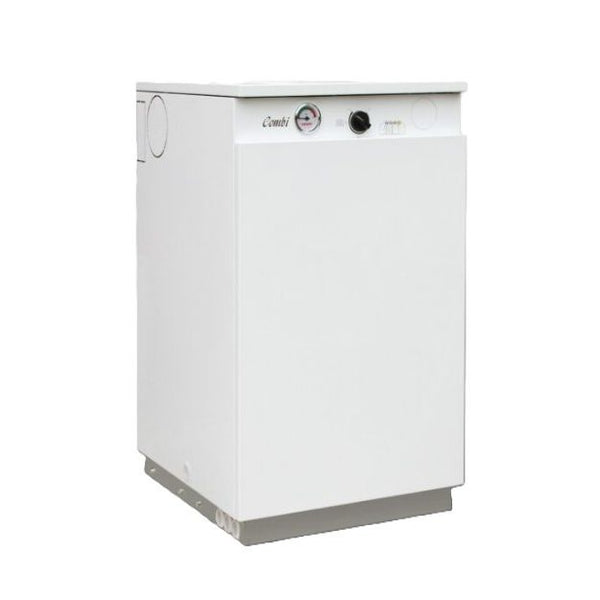
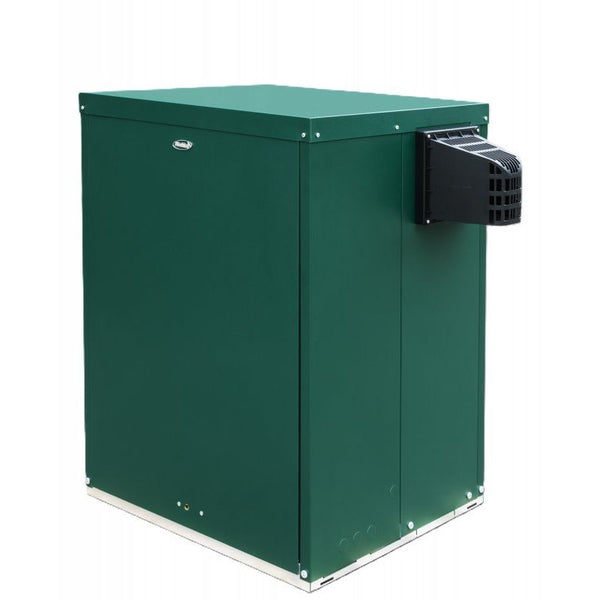
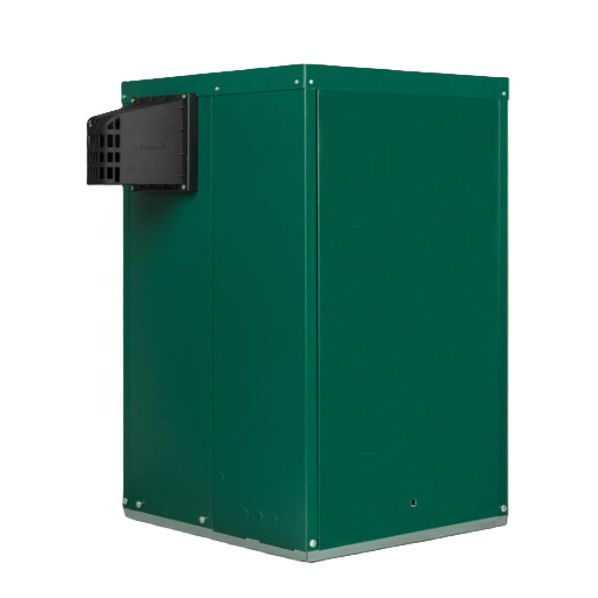
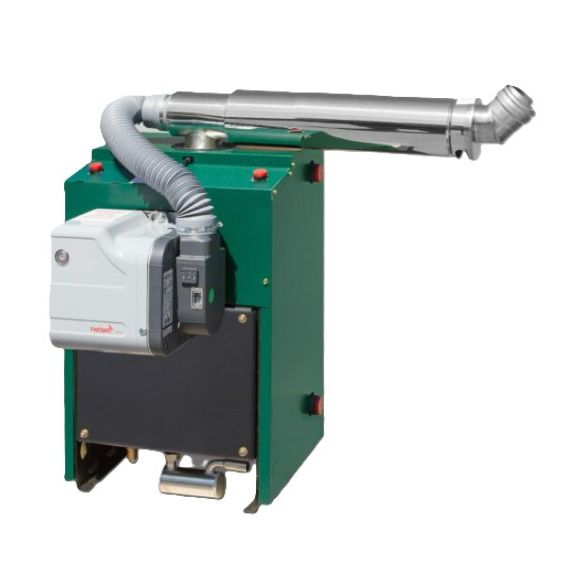
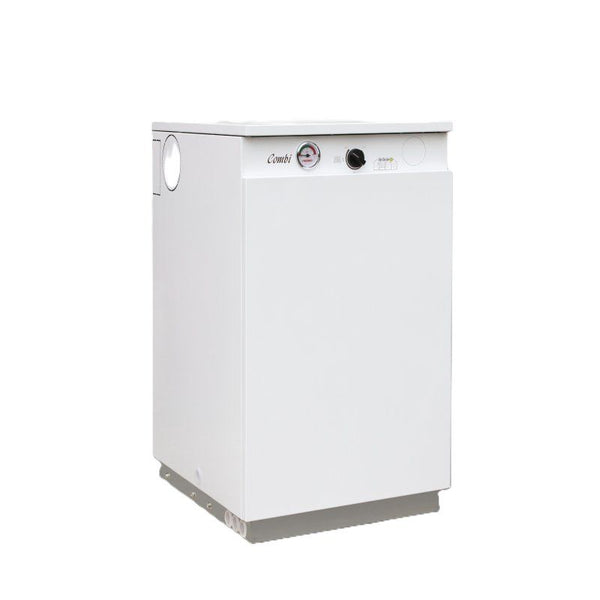
Firebird Envirogreen Slimline Combi Internal Oil Boiler 20-26kW
£2,457.22£2,948.66
ex. VAT
inc. VAT
Not sure which tank you need?
Tell us your property, fuel type and typical annual use — one of our experts will spec the right tank for you in 24 hours.
Sizing, regulations, installation. Our team has been answering these questions for 28 years.
Oil boilers are a reliable choice for many households, particularly in areas where gas mains are not available. These units work by heating oil stored in a tank and using it to warm water, which then circulates through your radiators or underfloor heating system. We have a wide selection of Firebird oil boilers for sale that you can depend on for consistent performance. Firebird’s focus on fuel efficiency and sustainability ensures that these products meet modern needs while keeping running costs manageable.
Our condensing oil boilers are particularly efficient because they capture and reuse heat that would otherwise be lost through the flue. This means you get more warmth from every litre of oil, which can help reduce your energy bills over time. Firebird has also ensured that all their condensing oil boilers are ready to use hydrotreated vegetable oil (HVO), a more sustainable fuel option, giving you flexibility for the future. With low electrical consumption and features like superior flue gas recirculation, these boilers keep emissions down, making them a sensible choice for environmentally conscious homeowners. They comply with strict standards, exceeding the second phase of the Ecodesign Directive, and are low NOx compliant, meaning they produce significantly fewer nitrogen oxide emissions. Carbon monoxide emissions are kept extremely low too, which adds to the safety and cleanliness of your heating system.
Boiler output should be matched to the heat loss of the property, not to its floor area or the size of the old boiler. An oversized boiler cycles frequently, which wastes fuel and shortens component life.
A proper heat loss calculation by a qualified installer is the only reliable method. If the property has been insulated since the last boiler was fitted, the required output is very likely lower than before.
An internal boiler sits inside the property — typically in a utility room, garage or plant room — and needs a flue and adequate ventilation. An external boiler is weatherproofed and sits outside, freeing up internal space and moving combustion noise away from the building.
External units cost slightly more and can be marginally less efficient in very cold weather, but they avoid the flue and ventilation work an internal installation requires.
A regular (heat only) boiler works with a hot water cylinder and a feed and expansion tank. A system boiler works with a cylinder but has the expansion vessel and pump built in, simplifying the installation. A combi heats water on demand with no cylinder at all.
Combi boilers suit smaller properties with one bathroom; larger homes with simultaneous hot water demand are usually better served by a system or regular boiler and a well-sized cylinder.
Yes. Annual servicing by an OFTEC-registered technician is strongly recommended and is usually a condition of both the manufacturer's warranty and your home insurance. Oil boilers accumulate combustion deposits that reduce efficiency and can cause lockouts.
A service typically includes nozzle replacement, filter change, combustion analysis and a check of the fire valve and oil supply line.
Some boilers are HVO-compatible or can be converted with a manufacturer-approved kit, typically involving a new burner head, nozzle and seals. Others cannot be converted at all.
If HVO is part of your longer-term plan, check compatibility before purchase rather than after — retrofitting an incompatible appliance is rarely economic.
A well-maintained oil boiler typically lasts 15 to 20 years, and often longer for external units on light domestic duty. Efficiency declines gradually over that period as heat exchangers foul and components wear.
Frequent lockouts, rising fuel consumption for the same heat output, and difficulty sourcing spares are the usual signals that replacement is more sensible than further repair.

New customer offer
£25
off your first order
Minimum spend £500. One code per customer.
We'll email your discount code, plus stock updates and trade offers.
We use your email to send your discount code and marketing emails you've opted into. See our privacy policy for how we handle your data.
Check your inbox — your code is on its way. Add us to your safe senders so it doesn't land in spam.