
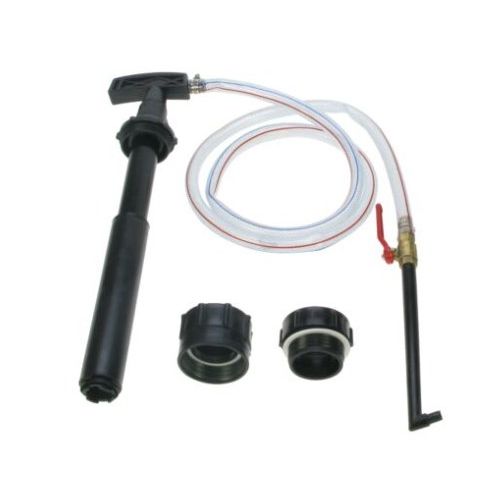
Lift Pump For Gear Oil
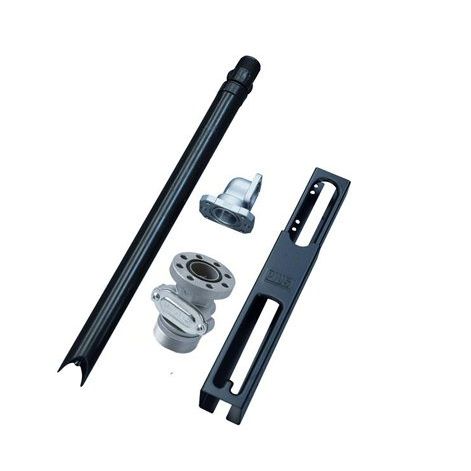
Piusi BP3000 Drum Kit
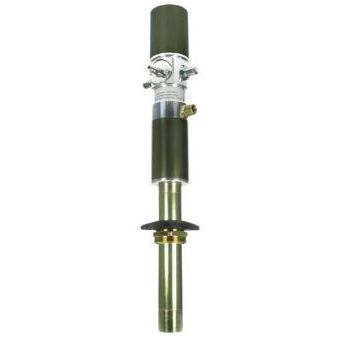
Air Operated Oil Pumps
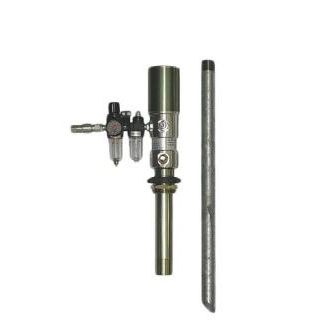
Air Operated Oil Pump Kits for 4ft Tanks
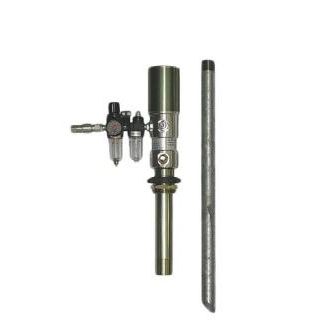
Air Operated Oil Pump Kits for 205L Drums
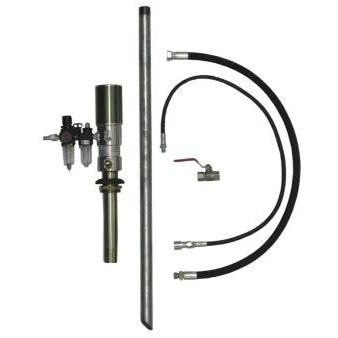
Air Operated Oil Pump Full Kit for 205l Drums 3:1 Ratio
Not sure which tank you need?
Tell us your property, fuel type and typical annual use — one of our experts will spec the right tank for you in 24 hours.
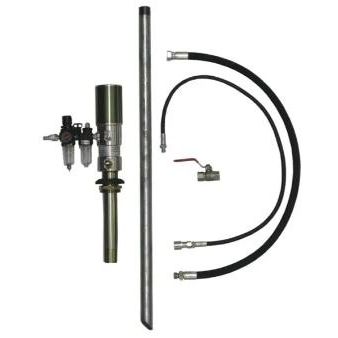
Air Operated Oil Pump Full Kits for 4ft Tanks
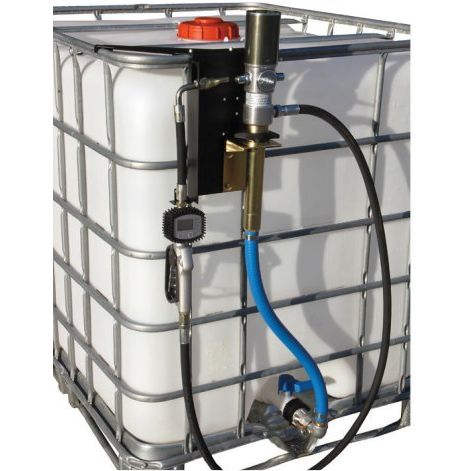
Air Operated Oil Pump Kit - IBC Mount
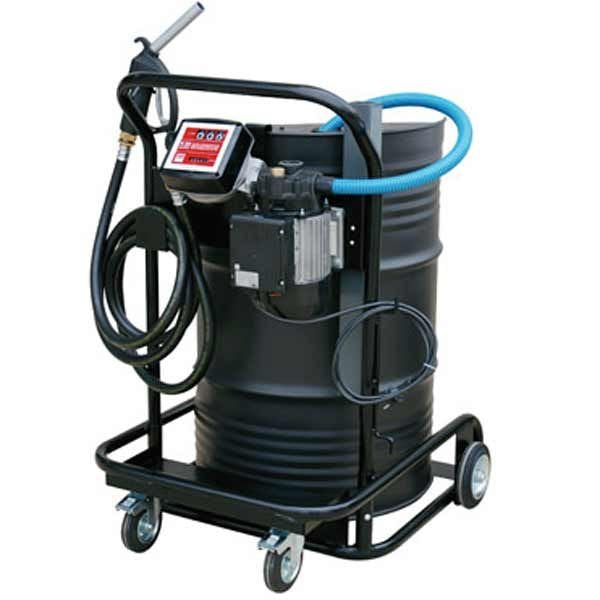
Piusi Viscotroll 230V Oil Transfer Pump
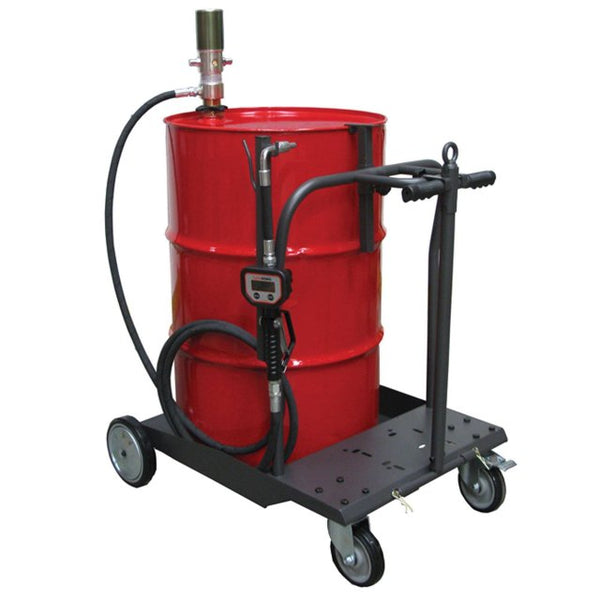
Mobile Oil Dispenser
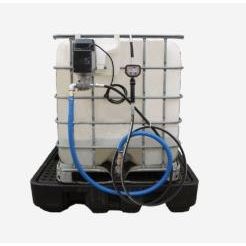
Oil Dispensing Pump Kit IBC Mount 230V
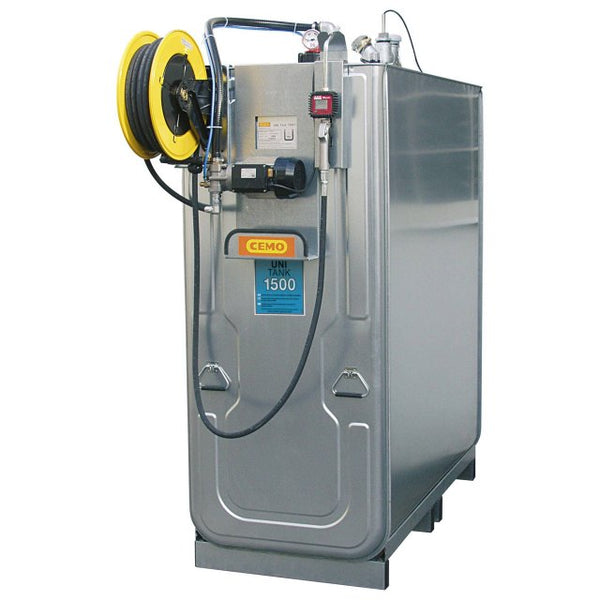
750 Litre Electric Lubricant Dispenser with Hose Reel
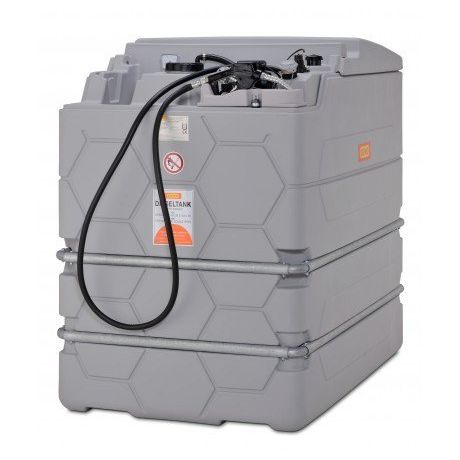
1000 Litre Cube Lubricant Tank - Indoor Basic
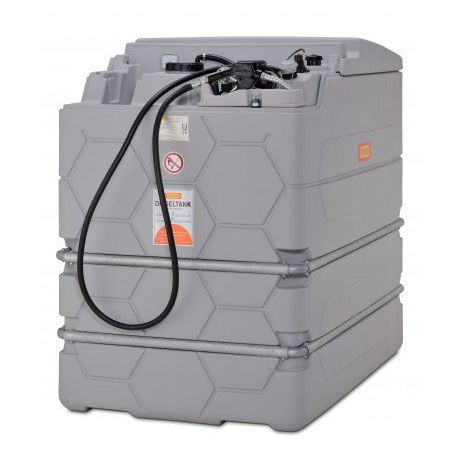
1500 Litre Cube Lubricant Tank - Indoor Basic
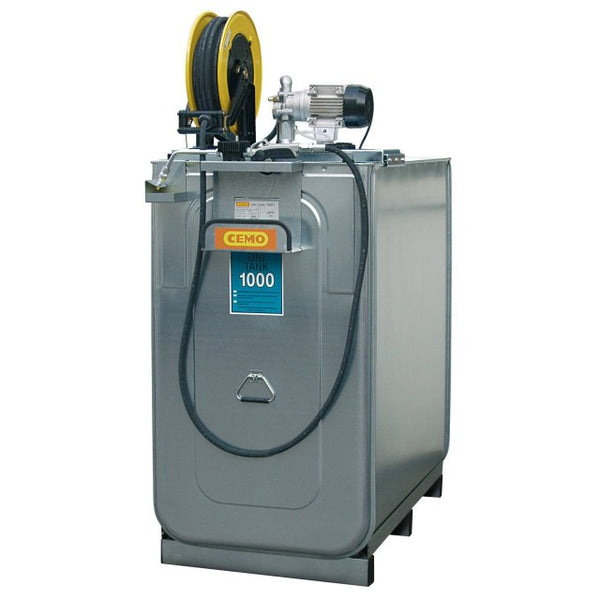
1000 Litre Electric Lubricant Dispenser with Hose Reel
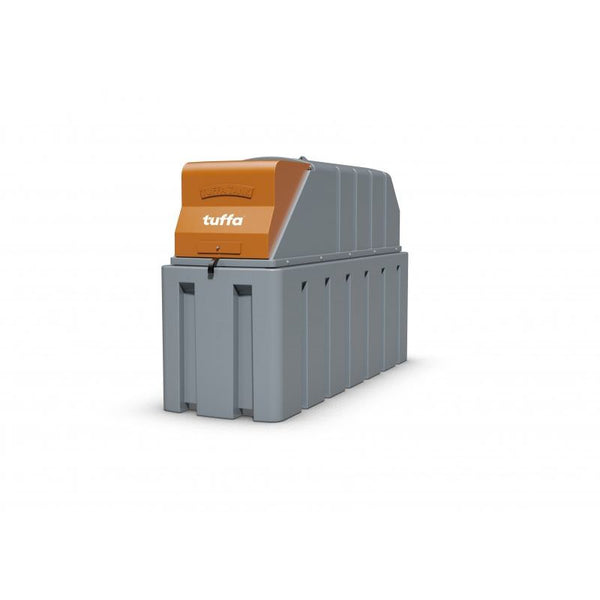
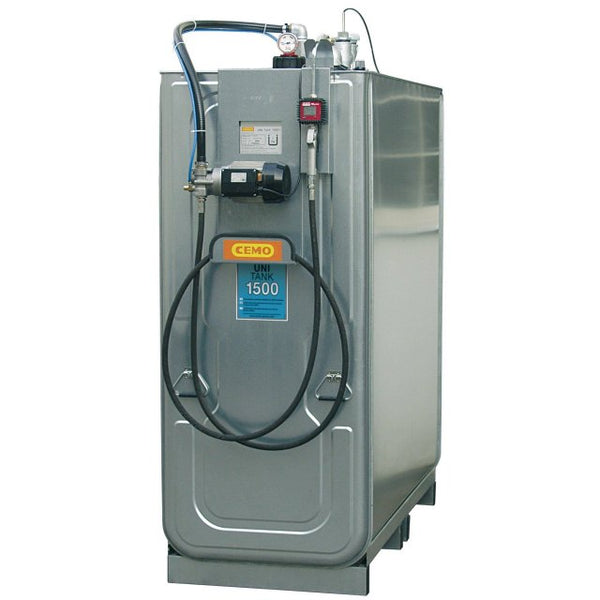
1350 Litre Electric Operated Lube Oil Tank
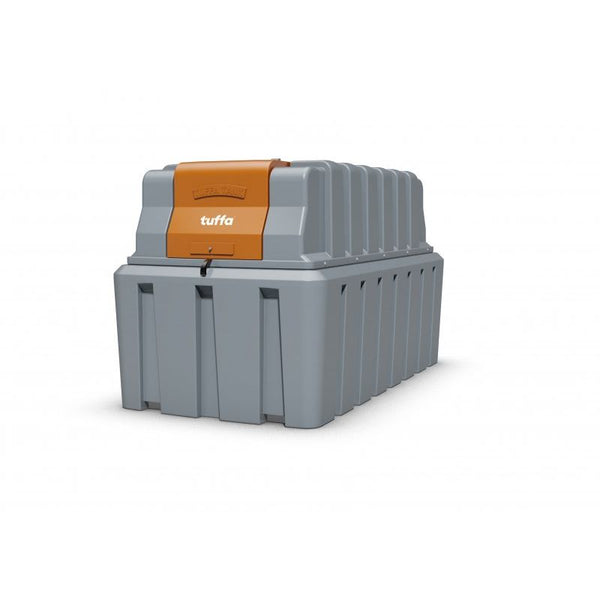
2500 Litre Air Operated Lube Oil Tank
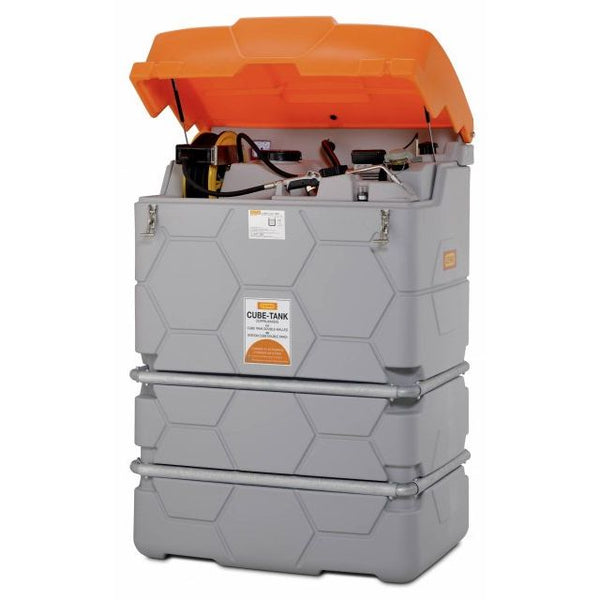
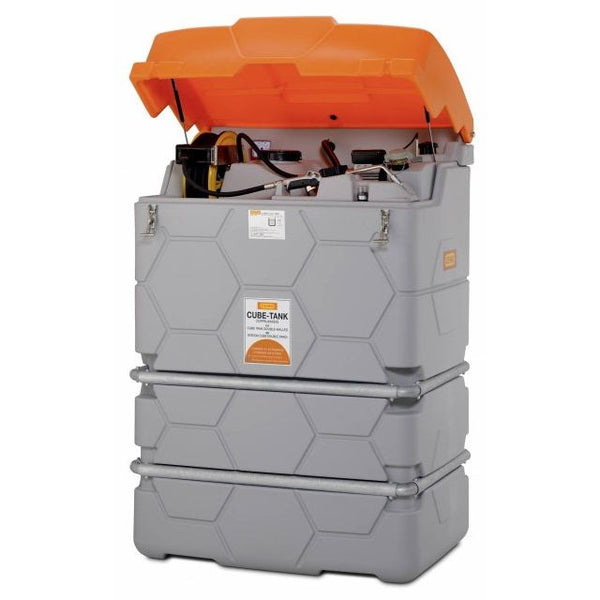
1000 Litre Cube Lubricant Tank - Premium
Talk to a specialist.
Sizing, regulations, installation. Our team has been answering these questions for 28 years.
Choosing the right Lubricant Tanks & Dispensers
Our comprehensive range of lubricant dispensers and tanks are designed to give you a professional, efficient system for managing your workshop's lubrication needs. From air-operated and electric oil dispensers to mobile lubrication systems and specialised waste oil management solutions, you'll discover equipment designed to streamline your workflow, reduce mess, and ensure consistent, controlled oil delivery across various industrial and automotive applications.
Whether you're running a busy automotive garage or working in an industrial maintenance facility, these dispensers offer you unparalleled convenience and professionalism. Air-operated systems provide powerful, consistent dispensing with minimal effort, while electric models offer precise control and reduced physical strain. Our mobile lubricant systems give you incredible flexibility, allowing you to bring lubrication solutions directly to your work area, while dedicated waste oil systems help you manage used oils safely and efficiently. You might also be interested in checking out our extensive range of lubricant accessories that provide the perfect additional tools to complete your setup.
Lubricant Tanks & Dispensers FAQs
Why store lubricants in bulk rather than drums?
Cost per litre falls substantially in bulk, and dispensing from a fixed installation is cleaner and faster than repeatedly opening drums. It also reduces drum handling, which is a common source of workshop injuries and spills.
Bulk only makes sense where throughput justifies it — oil that sits for years degrades regardless of how it is stored.
Do lubricant tanks need bunding?
Oil storage over 200 litres at commercial premises requires secondary containment of 110% of the tank capacity, and lubricating oils are caught by this as much as fuels.
Integrally bunded tanks build the containment in, which is simpler than constructing a separate bund around a single-skin tank.
How is lubricant dispensed accurately?
Through a metered gun or a preset meter on the delivery line. Digital meters allow batching to a preset volume, which matters where oil is charged to jobs.
Viscosity affects meter accuracy, so meters should be specified for the grade being dispensed rather than assumed interchangeable with fuel meters.
Does lubricant need heating in winter?
Higher-viscosity grades become difficult to pump at low temperatures, and outdoor installations may need trace heating or insulation to maintain flow.
For most workshop installations kept indoors this is not an issue, but external bulk tanks holding heavy grades often need it.
Can one system handle multiple grades?
Only with separate tanks, lines and dispensing points per grade. Cross-contamination between grades is a real problem and difficult to detect until it causes a warranty dispute.
Colour-coding the reels, guns and tank labels is standard practice and prevents most mistakes.
How do I keep bulk oil clean?
Filtration on filling and on dispensing, a sealed tank with a desiccant breather, and drawing from above the tank base so settled contaminants are not disturbed.
New oil is not necessarily clean oil — it is worth filtering on delivery as well as on dispensing.
- Choosing a selection results in a full page refresh.
- Opens in a new window.

New customer offer
£25
off your first order
Minimum spend £500. One code per customer.
Join our mailing list
We'll email your discount code, plus stock updates and trade offers.
We use your email to send your discount code and marketing emails you've opted into. See our privacy policy for how we handle your data.
You're on the list
Check your inbox — your code is on its way. Add us to your safe senders so it doesn't land in spam.