


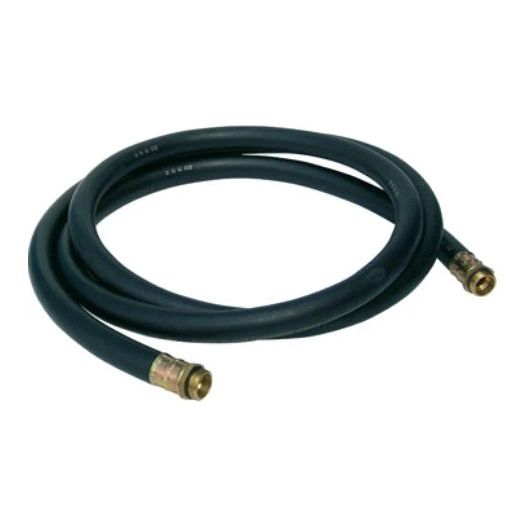
Premium Diesel Delivery Hose
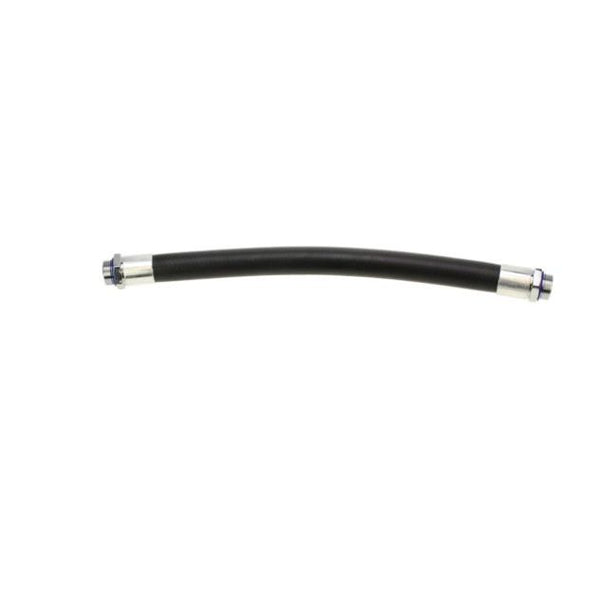
Statically Bonded Safety Break Hose Assembly 3/4'
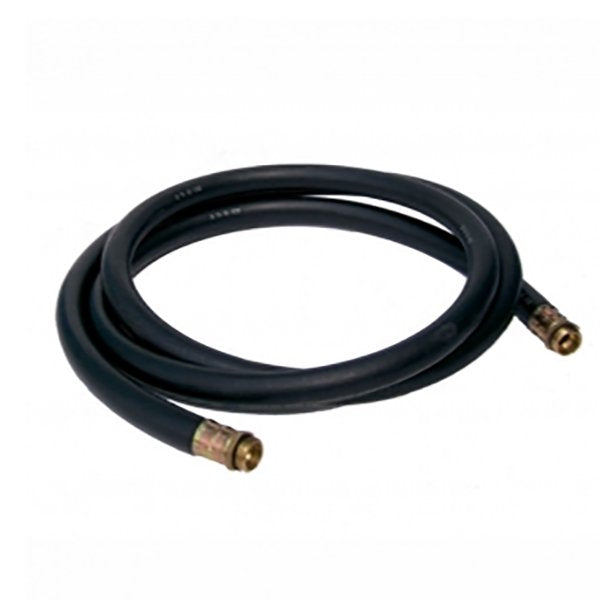
Parker Diesel Delivery Hose
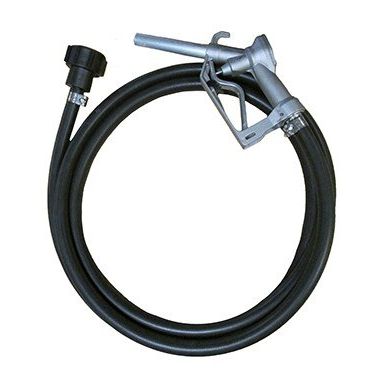
IBC Diesel Gravity Hose Kit
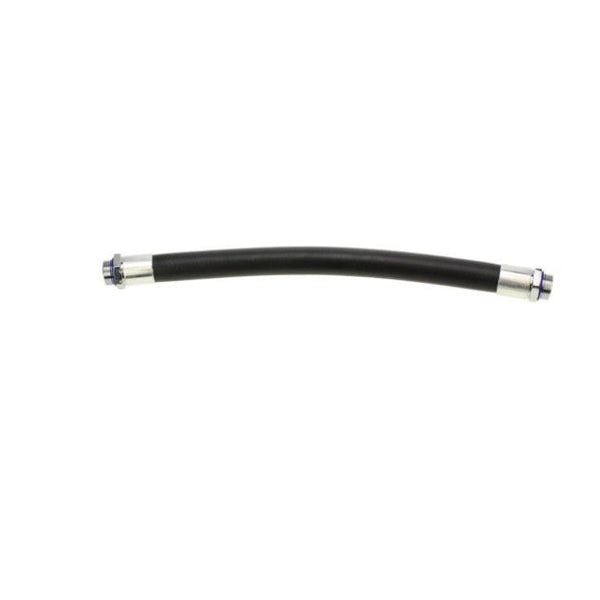
Statically Bonded Safety Break Hose Assembly 1'
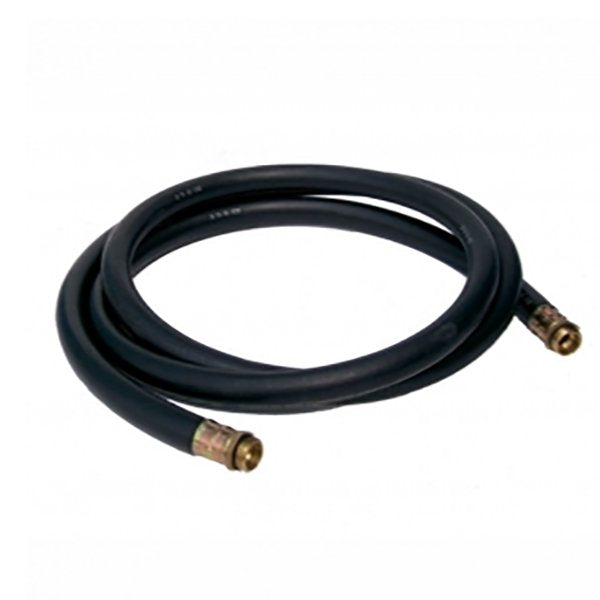
Parker Diesel Delivery Hose
Not sure which tank you need?
Tell us your property, fuel type and typical annual use — one of our experts will spec the right tank for you in 24 hours.
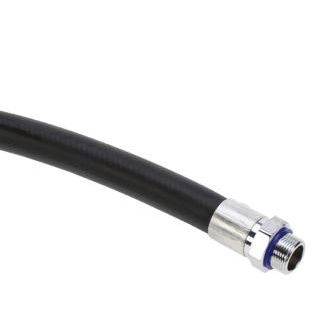
Steel Braided Fuel Dispensing Hose Assemblies Statically Bonded 3/4' M BSPP
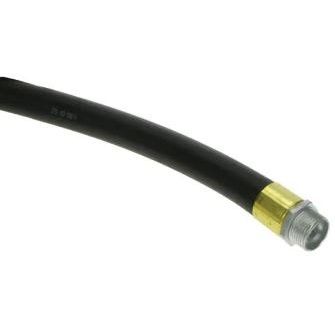
Continental Soft Wall Fuel Dispensing Hoses – Statically Bonded 3/4 inch Ends
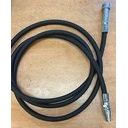
Generator hose set 4m x 3/8' QR
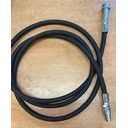
Generator hose set 4m x 1/2' QR
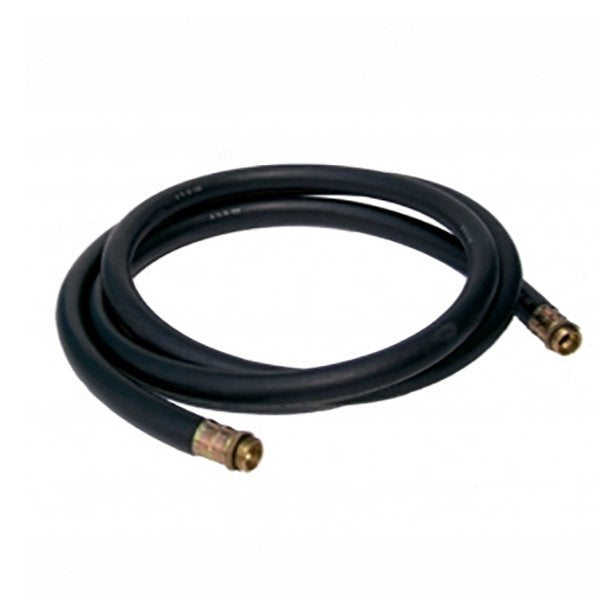
Parker Diesel Delivery Hose
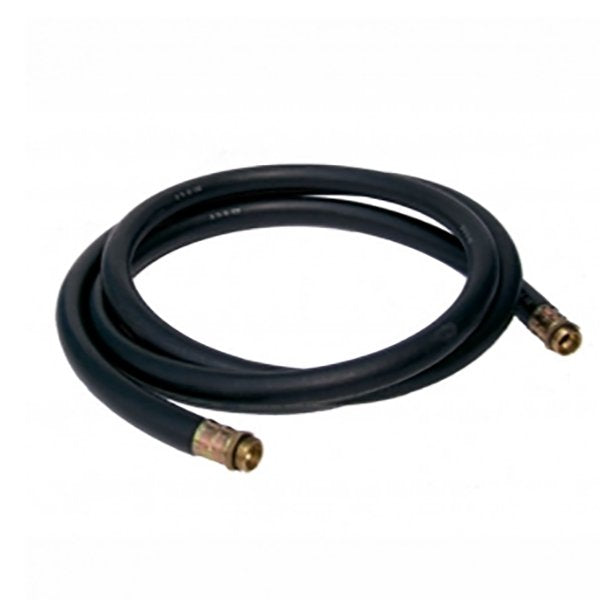
Parker Diesel Delivery Hose
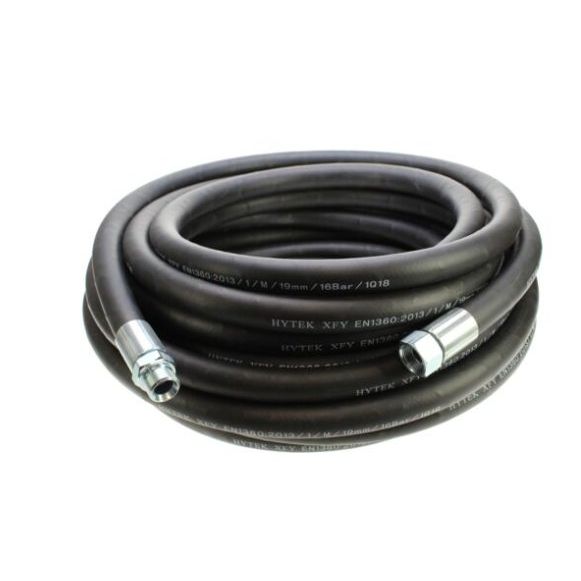
Replacement 8m Hose assembly for Hose Reel - 3/4' F BSPP Swivel/ 3/4' M BSPP
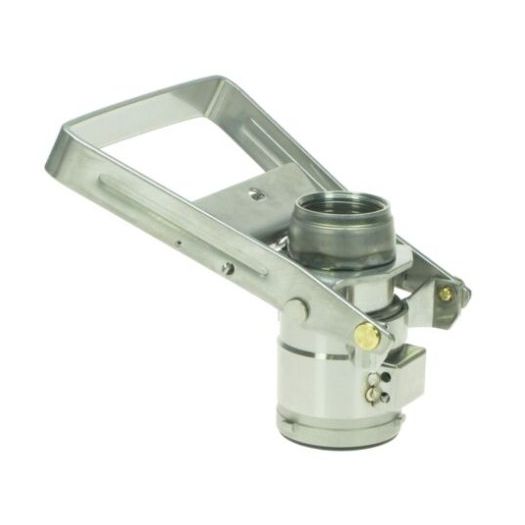
Drum/IBC Valve Coupler - Self Venting - Micromatic
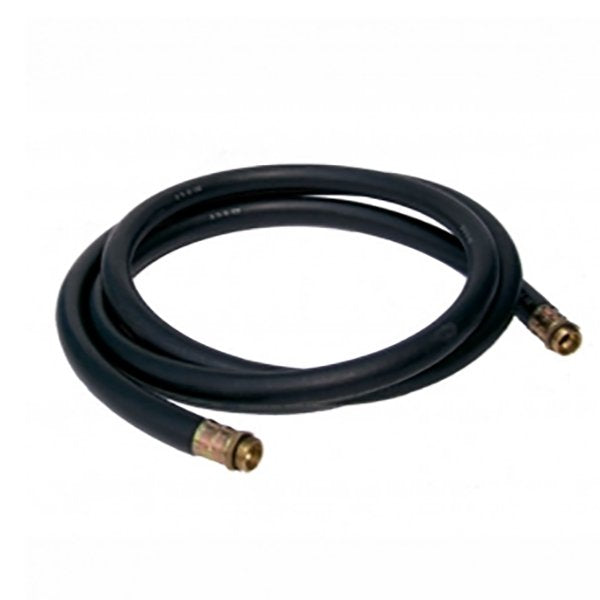
Parker Diesel Delivery Hose
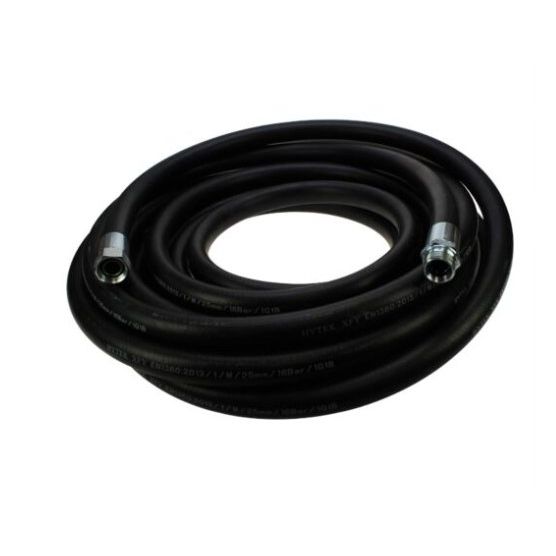
Replacement 8m Hose assembly for Hose Reel - 1' F BSPP Swivel/ 1' M BSPP
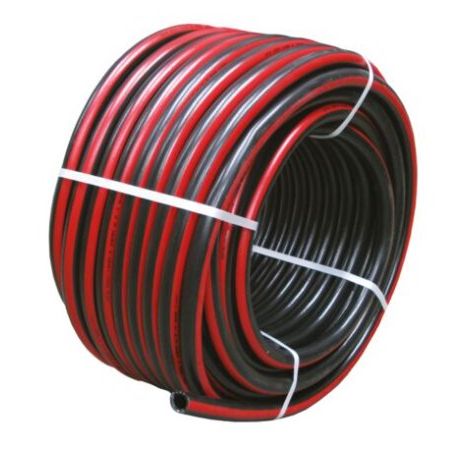
Replacement 1' Soft Wall Delivery Hose - 50m Coil
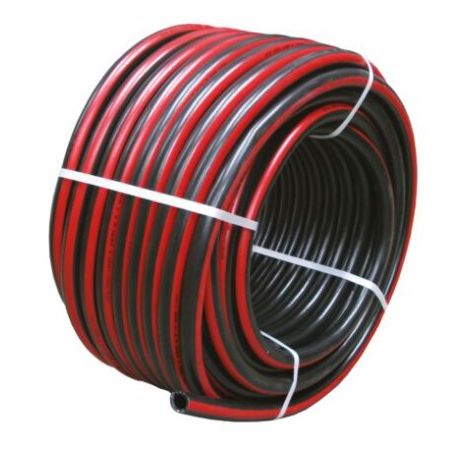
3/4' Soft Wall Delivery Hose - 60m Coil
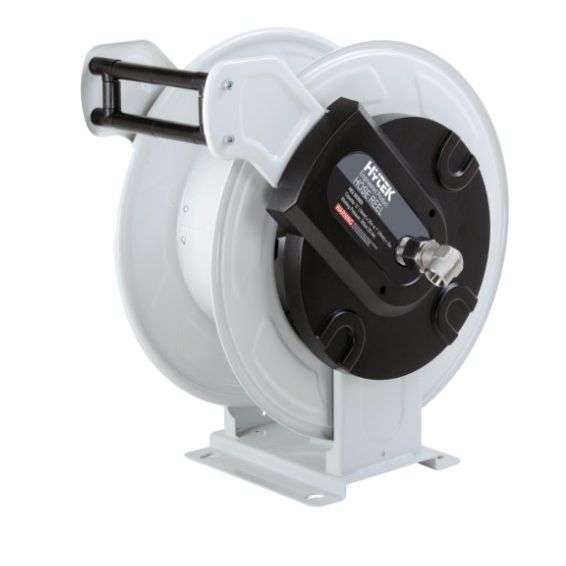
Hose Reel Bare 3/4'

Replacement 14m Hose assembly for Hose Reel - 1' F BSPP Swivel/ 1' M BSPP
Talk to a specialist.
Sizing, regulations, installation. Our team has been answering these questions for 28 years.
Choosing the right Diesel Hoses
Looking for a reliable way to transfer your diesel fuel safely and efficiently? Whether you're refuelling vehicles, equipment, or machinery, our diesel hoses provide the durability, flexibility, and reliability to get the job done. Constructed from premium materials and engineered for durability, our fuel hoses offer resilience and long-lasting performance in demanding environments. Made from high-quality rubber or synthetic materials, our hoses are resistant to abrasion, weathering, and chemicals, ensuring reliable performance even in harsh conditions.
With options available in various lengths, diameters, and configurations, we offer hoses to suit different fuelling requirements and equipment setups, from small pumps to large fuelling systems.
Manufactured to comply with relevant standards such as EN1360 and EN1361, our diesel delivery hoses are engineered to meet or exceed industry standards and regulatory requirements for fuel transfer equipment and undergo rigorous testing and quality control measures to ensure safety, reliability, and performance. With their flexible construction and lightweight design, our hoses are easy to handle, manoeuvre, and install, allowing for quick and hassle-free fuelling operations. You’ll enjoy the flexibility and efficiency you need to streamline your fuelling processes and maximise productivity, whether you're refuelling vehicles in a fleet, transferring fuel between tanks, or dispensing fuel at a construction site.
Diesel Hoses FAQs
What is the difference between delivery and suction hose?
Delivery hose carries fuel under positive pressure from the pump to the nozzle. Suction hose is reinforced to resist collapse under vacuum when the pump draws fuel from the tank.
Using delivery hose on the suction side is a common error — it collapses under vacuum and starves the pump, which then cavitates and wears prematurely.
What bore size should I use?
Match the bore to the pump outlet and the flow rate. Undersized hose throttles flow and increases pressure drop; oversized hose is heavy, holds more fuel and is harder to handle.
Nineteen millimetre (3/4") is the common size for standard dispensing; 25mm (1") for higher flow rates and longer runs.
How long should a dispensing hose be?
Long enough to reach the furthest realistic fill position and no longer. Excess length adds pressure drop, weight and drainage volume, and increases the chance of the hose being dragged and damaged.
Six to ten metres suits most fixed points. If longer runs are needed regularly, relocating the dispensing point is usually better than extending the hose.
Is diesel hose suitable for AdBlue or petrol?
No to both. AdBlue requires hose with compatible inner liner and fittings that will not corrode in urea solution. Petrol requires hose rated for Class 1 flammable liquids with appropriate electrical continuity.
Using diesel hose for either creates a contamination or safety problem, and in the case of petrol a genuine ignition risk.
How do I know when a hose needs replacing?
Look for cracking or crazing of the outer cover, soft spots, kinks that have taken a permanent set, blistering, and any weeping at the fittings. Hose that has been driven over should be replaced regardless of appearance.
Fittings are the usual failure point, so inspect the crimp area closely rather than just the hose length.
Should hoses be stored on a reel?
Wherever practical, yes. Reeled hose is protected from being dragged, driven over and left in standing water, all of which shorten its life considerably.
Hose left coiled on the ground also collects grit at the nozzle, which then finds its way into the vehicle being filled.
- Choosing a selection results in a full page refresh.
- Opens in a new window.

New customer offer
£25
off your first order
Minimum spend £500. One code per customer.
Join our mailing list
We'll email your discount code, plus stock updates and trade offers.
We use your email to send your discount code and marketing emails you've opted into. See our privacy policy for how we handle your data.
You're on the list
Check your inbox — your code is on its way. Add us to your safe senders so it doesn't land in spam.