


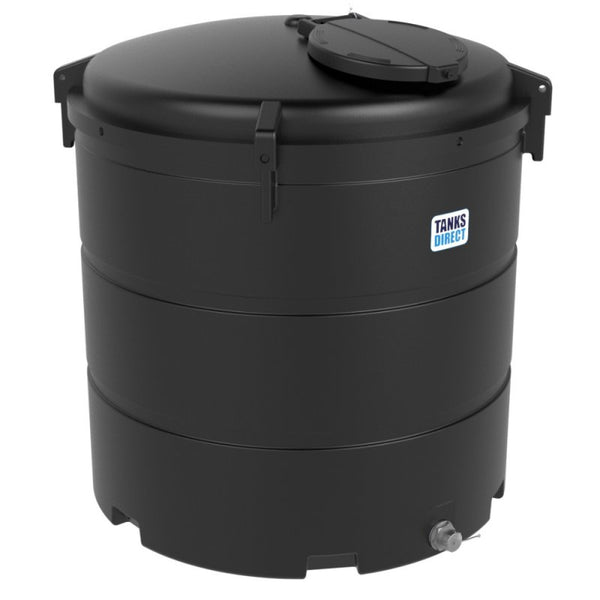
2000 Litre Non-Potable Round Water Tank
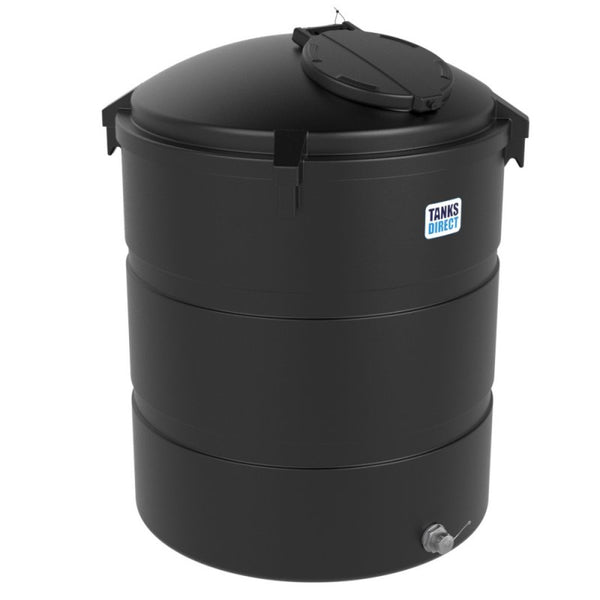
1600 Litre Non-Potable Round Water Tank
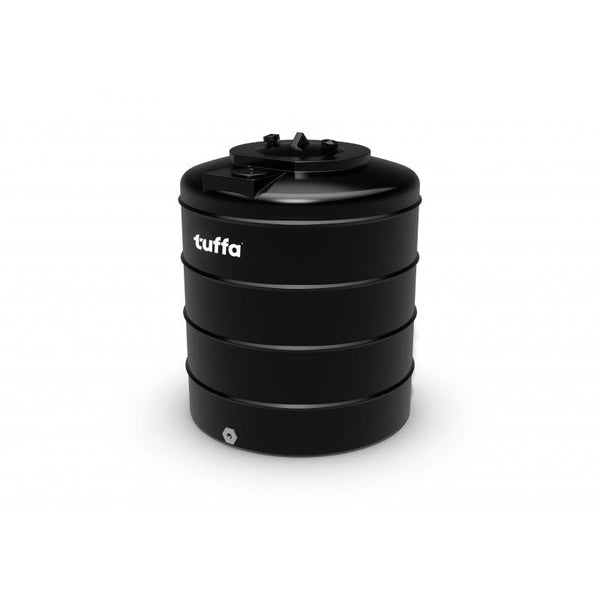
1400 Litre Non-Potable Water Tank - With Optional 2' Outlet
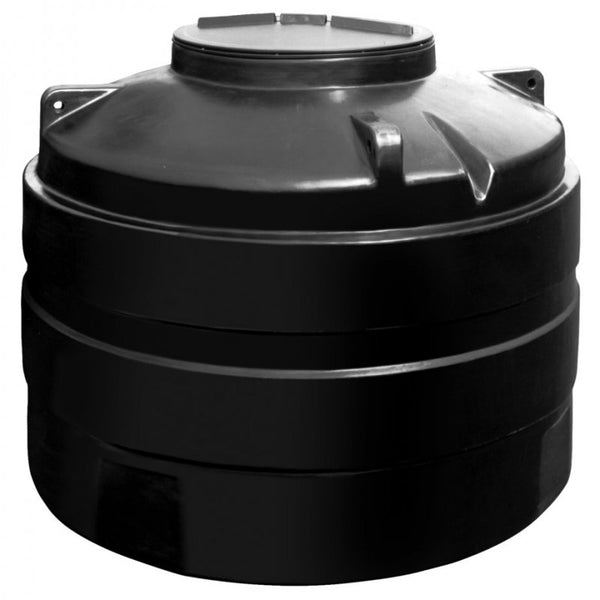
Paxton Potable 900 Litre Water Tank - CT0200JA
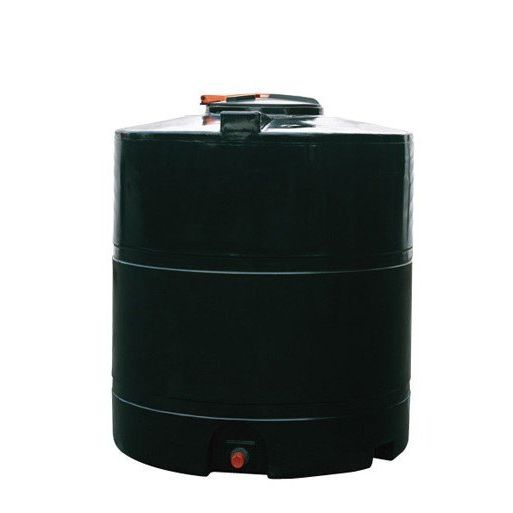
1300 Litre Potable Water Tank With 2' Bottom Outlet - V1300WP
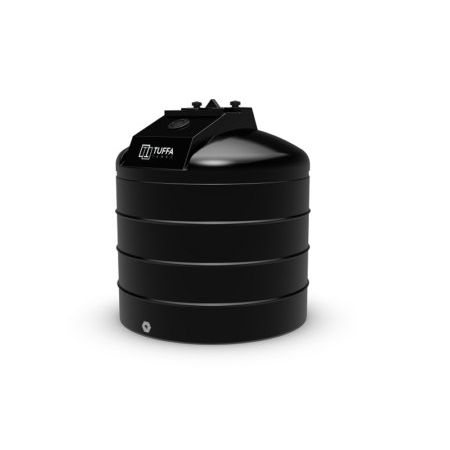
2500 Litre Non-Potable Vertical Water Tank - With Optional 2' Outlet
Not sure which tank you need?
Tell us your property, fuel type and typical annual use — one of our experts will spec the right tank for you in 24 hours.
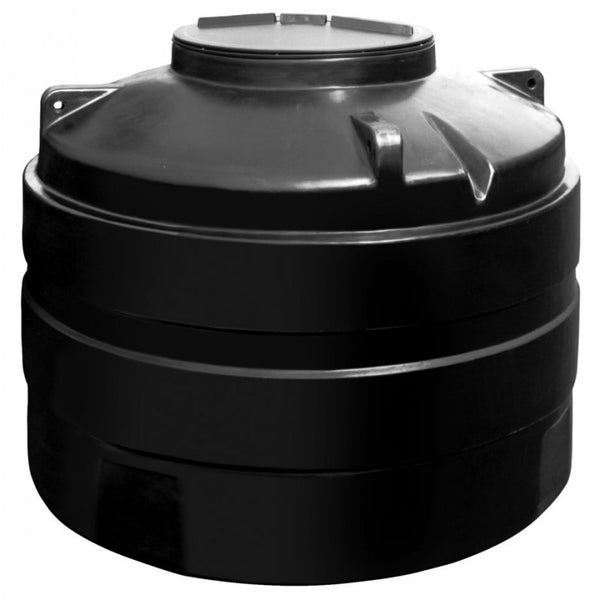
Paxton Potable Below Ground 900 Litre Water Tank - CT0200JB
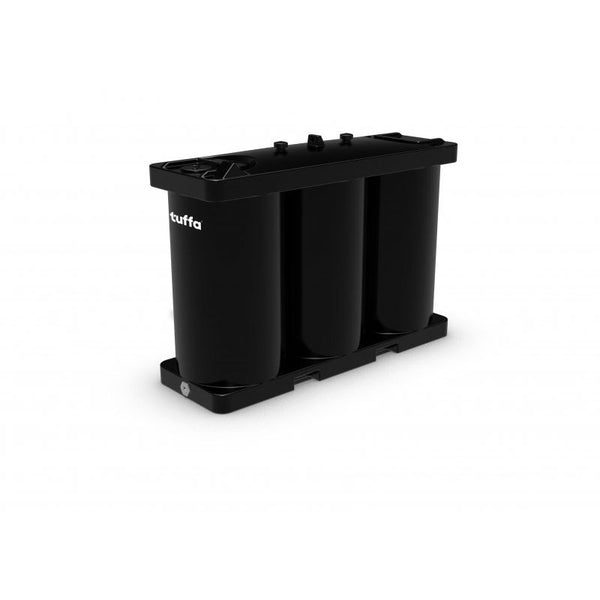
1350 Non-Potable Plastic Water Tank - With Optional 1' Outlet
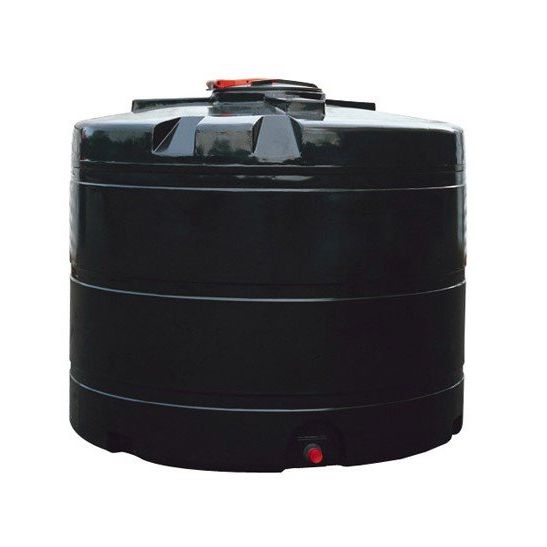
2500 Litre Non-Potable Water Tank With 2' Bottom Outlet - V2500W
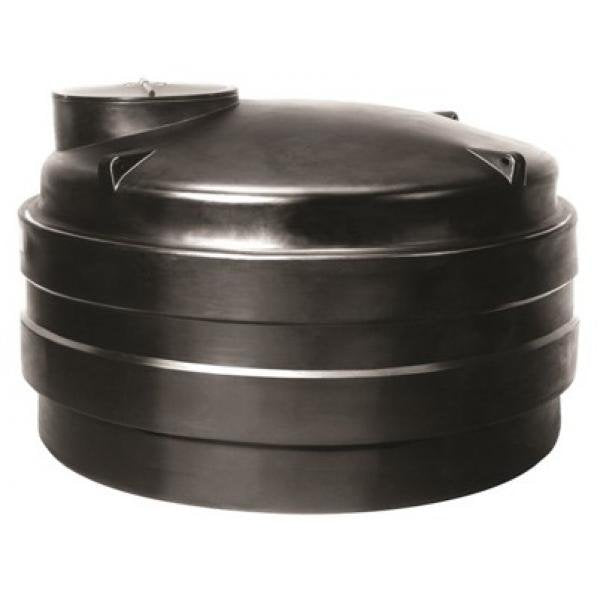
Paxton Potable 2700 Litre Water Tank - CT0600JA
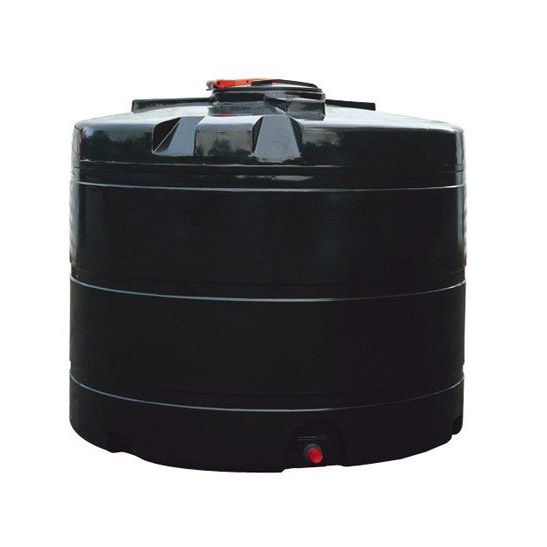
2500 Litre Potable Water Tank With 2' Bottom Outlet - V2500WP
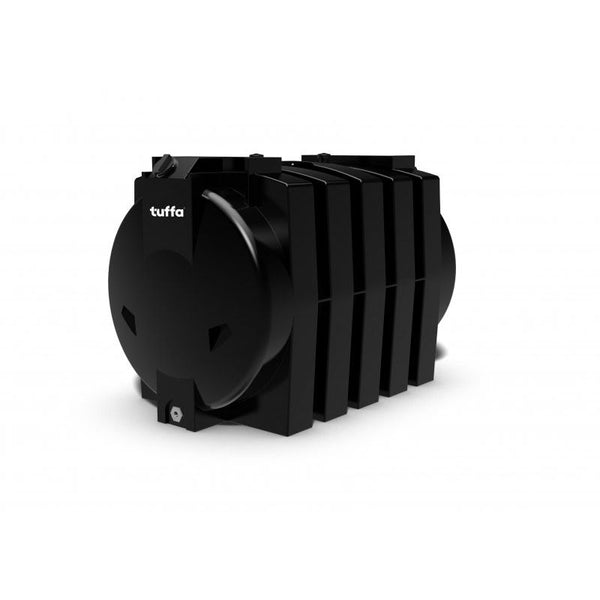
2500 Litre Non-Potable Water Tank - With Optional 2' Outlet
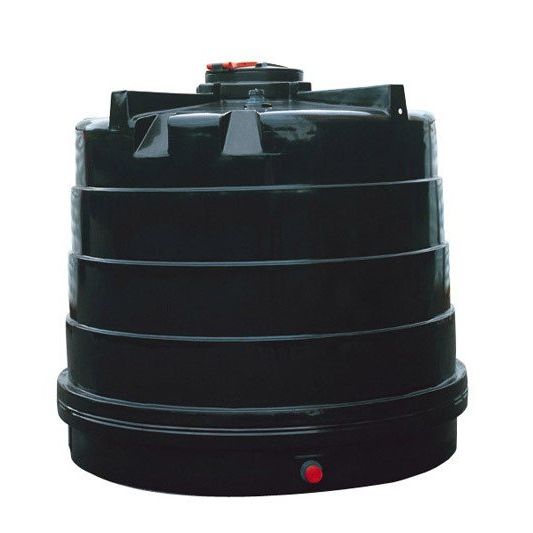
3600 Litre - Non-Potable Water Tank - V3600W
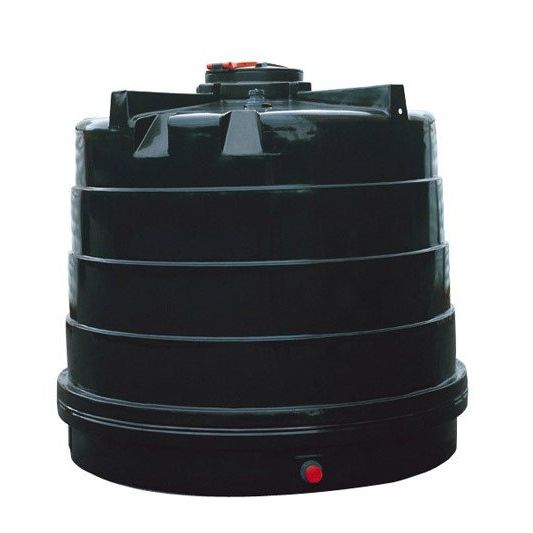
3600 Litre Potable Water Tank With 2' Bottom Outlet - V3600WP
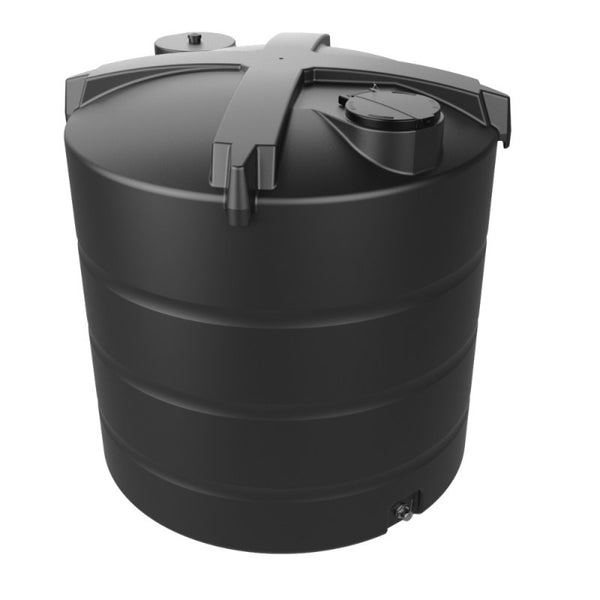
10,000 Litre Non-Potable Round Water Tank
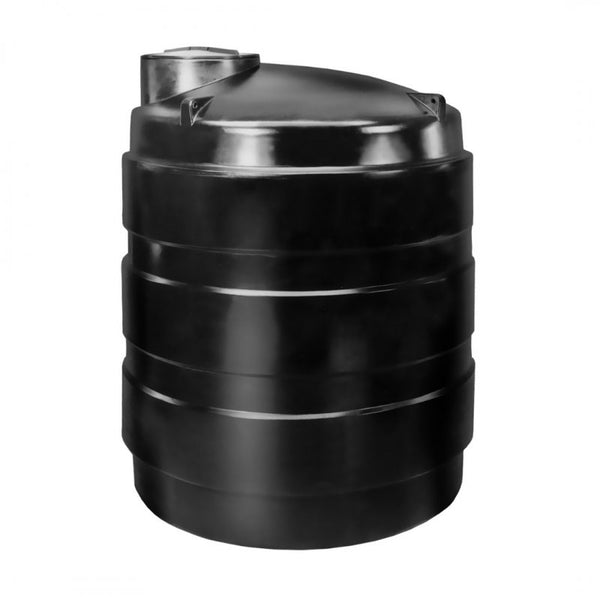
Paxton Potable 4546 Litre Water Tank - CT1000JA
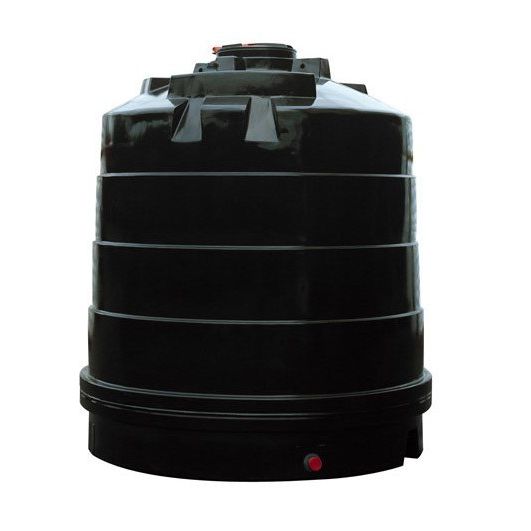
5000 Litre - Non-Potable Water Tank - 2' Bottom Outlet - V5000W
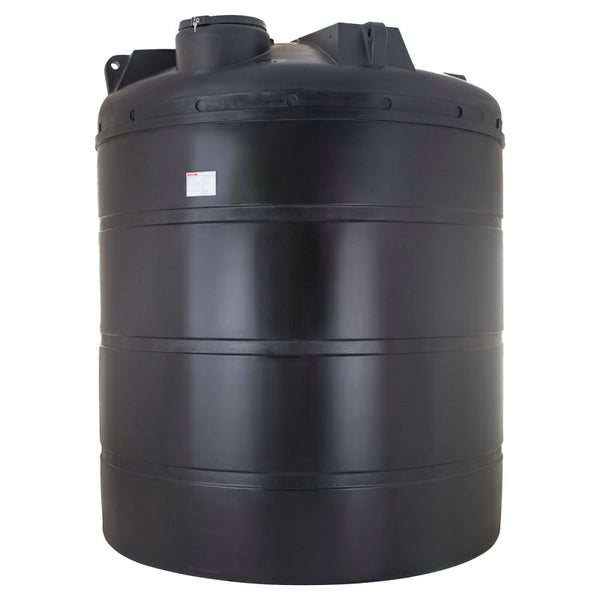
12,000 Litre Non-Potable Water Tank With Optional Outlet - V12000BLKWT
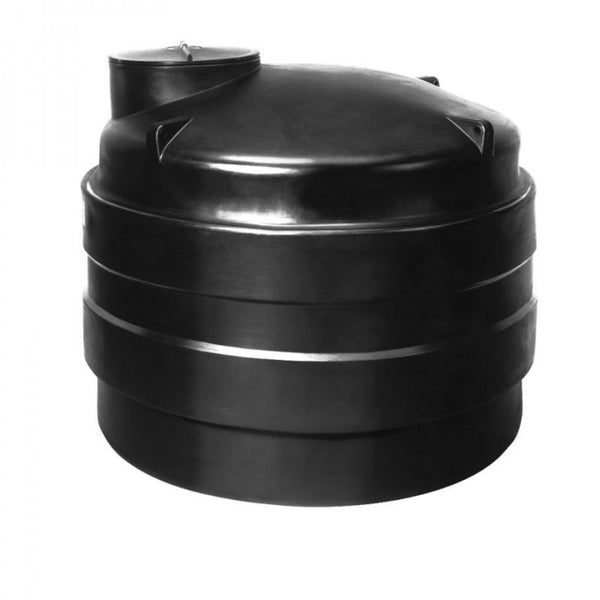
Paxton Potable Below Ground 2700 Litre - CT0600JB
Talk to a specialist.
Sizing, regulations, installation. Our team has been answering these questions for 28 years.
Choosing the right Cold Water Storage Tanks And Accessories
Brand leader in cold water storage for nearly 40 years, Kingspan Ferham Cold Water Tanks are renowned for their robust design and manufacturing quality.
Kingspan Ferham tanks are ideal for the hygienic storage and supply of cold potable water to an open vented cylinder when used in conjunction with a Byelaw 30 fittings kit and installed in line with Building Regulations. They can also be used as expansion tanks in vented heating systems.
You can be assured that purchasing from us is safe. All of our card transactions are processed securely by adyen.





Copyright © 2026 Fuel Tank Shop trading under Kingspan Water & Energy Limited
Registered office: 180 Gilford Road, Portadown, Co Armagh, BT63 5LF. Company No. NI017631 Registered in Northern Ireland
VAT No GB412 512 403
Cold Water Storage Tanks And Accessories FAQs
What is a cold water storage cistern for?
It provides a reserve of cold water and, in vented systems, the head of pressure that feeds the hot water cylinder and cold taps. It also buffers supply against mains interruption.
In modern unvented and combi installations there is no cistern, since everything runs at mains pressure.
Do cisterns need a lid?
Yes, and a properly fitting one. Byelaws require storage cisterns to be covered to keep out light, insects, dust and vermin. Light encourages algal growth and contamination risks are real.
Vents and overflows should be screened for the same reason, and the overflow must discharge where it will be noticed.
What size cistern do I need?
For domestic vented systems, capacity is usually matched to the hot water cylinder plus a reserve — 227 litres (50 gallons) is a long-standing standard for a typical house.
Oversizing has a downside: water that sits for extended periods deteriorates, so bigger is not automatically better.
How should a cistern be supported?
On a continuous, level platform that supports the full base, not on joists alone. A 227 litre cistern weighs over 230kg when full and will distort or split if it spans unsupported gaps.
Boarding across joists, sized to distribute the load, is the standard approach in a loft installation.
Do cisterns need insulating?
In a loft, yes — the tank, the lid and all associated pipework. An uninsulated loft cistern is a common cause of burst pipes and frozen supply in cold snaps.
Do not insulate the loft floor directly beneath the cistern, as residual heat rising from the house helps keep it from freezing.
How often should a cistern be cleaned?
Inspect annually and clean and disinfect when the inspection shows it is needed — typically if there is sediment, biofilm, debris or evidence of insect or vermin ingress.
A well-sealed cistern with a screened vent needs cleaning far less often than an open or poorly covered one.
- Choosing a selection results in a full page refresh.
- Opens in a new window.

New customer offer
£25
off your first order
Minimum spend £500. One code per customer.
Join our mailing list
We'll email your discount code, plus stock updates and trade offers.
We use your email to send your discount code and marketing emails you've opted into. See our privacy policy for how we handle your data.
You're on the list
Check your inbox — your code is on its way. Add us to your safe senders so it doesn't land in spam.