


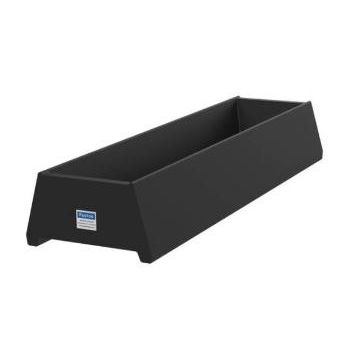
1 Meter Floor Standing Feed Trough - LF100
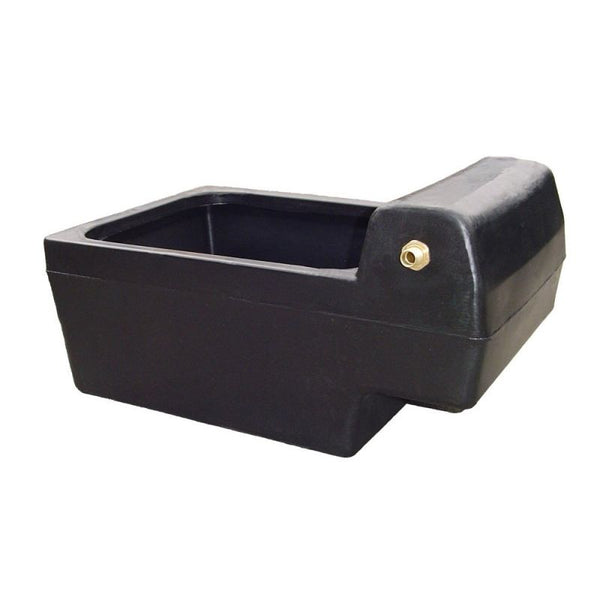
58 Litre Animal Drinker - AD01
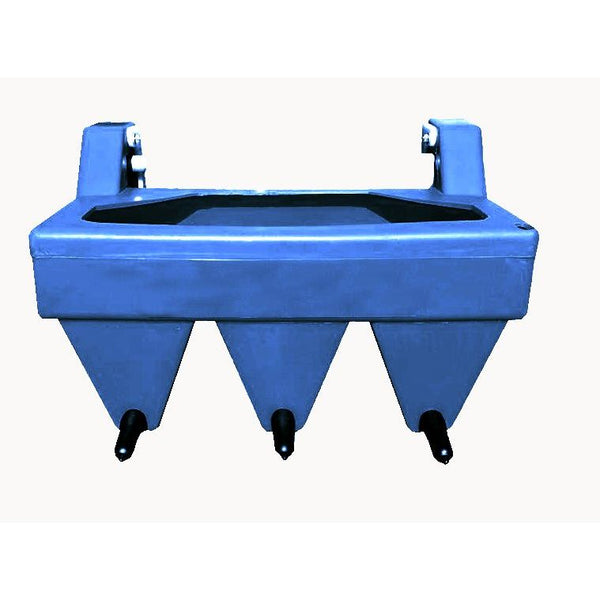
3 Milk Feeder
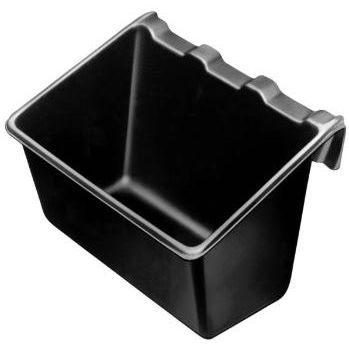
Paxton 28 Litre Hanging Feed Trough - LF6
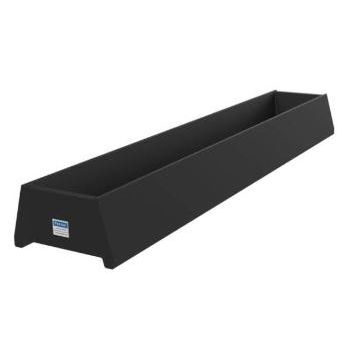
2 Meter Floor Standing Feed Trough - LF200
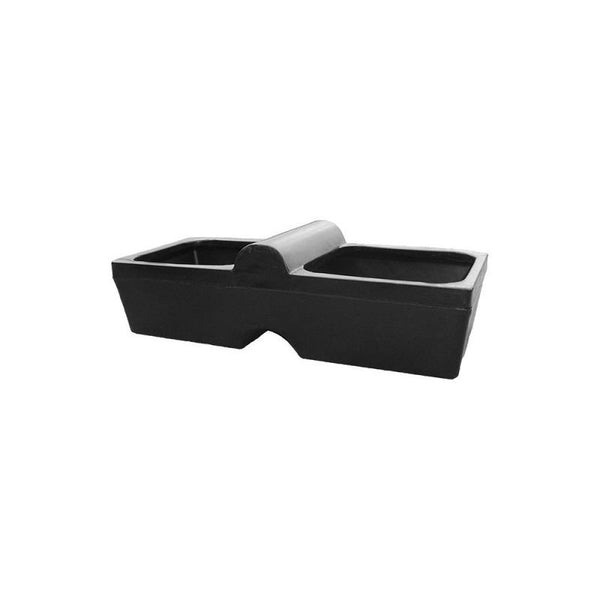
126 Litre Animal Drinker - AD02
Not sure which tank you need?
Tell us your property, fuel type and typical annual use — one of our experts will spec the right tank for you in 24 hours.
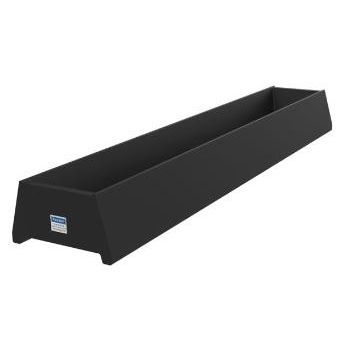
2.8 Meter Floor Standing Feed Trough - LF280
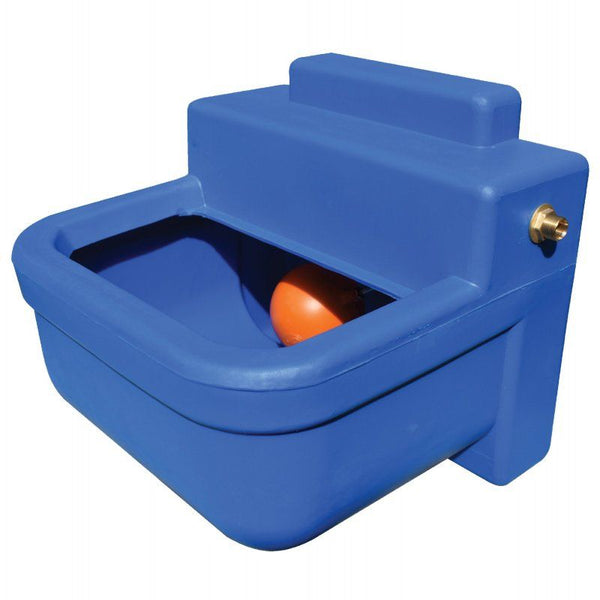
Livestock Drinker - CD5
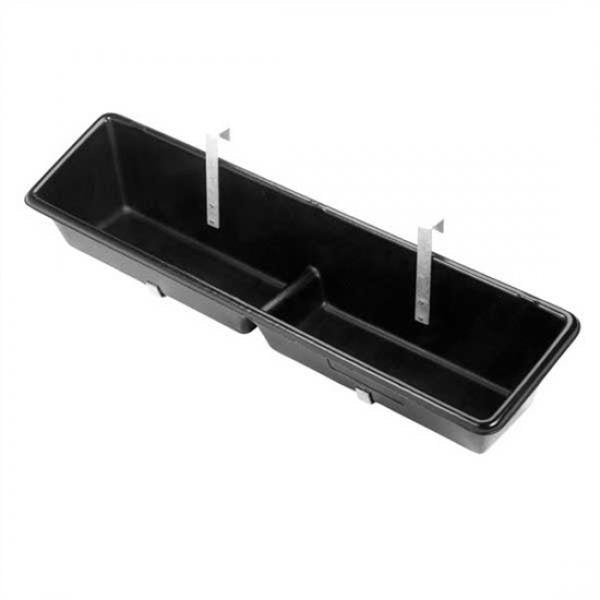
Paxton 73 Litre Hanging Feed Trough - LF4
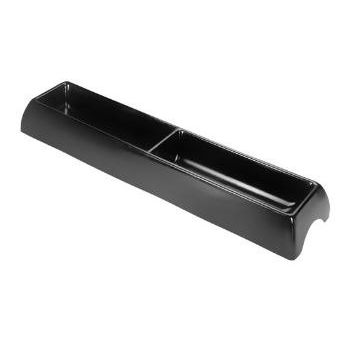
Floor Standing Feed Trough - LF5

136 Litre Fast Fill Animal Drinker - AD122
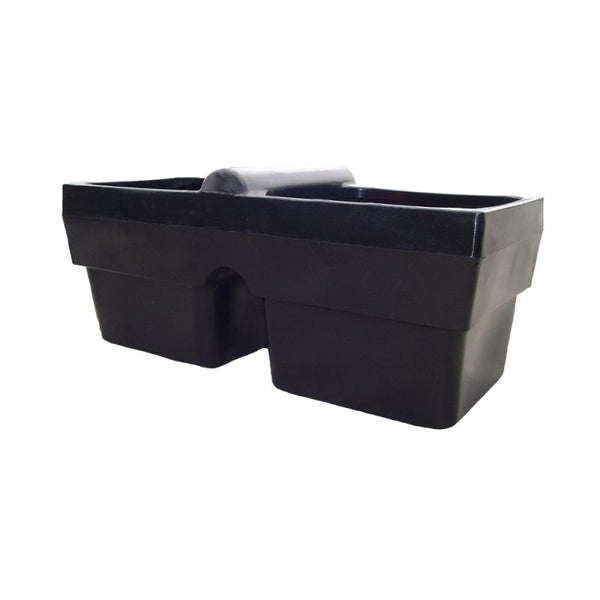
Animal Drinker - 58 Litre 90 Gallon Capacity - AD03
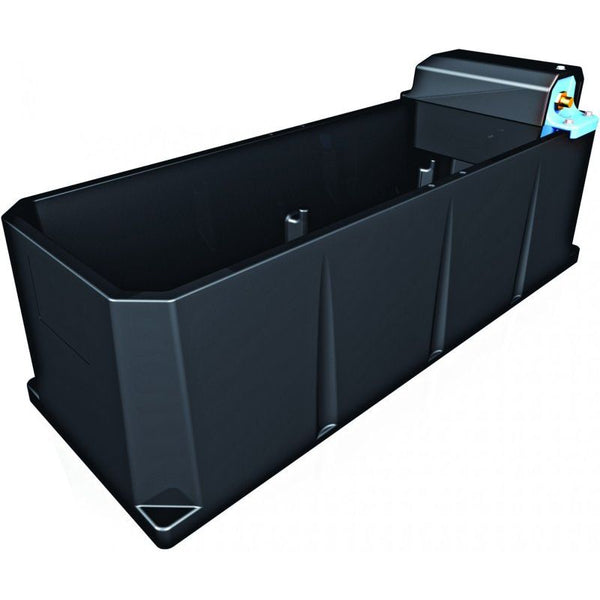
Paxton 120 Litre Drinking Trough - WT120-R
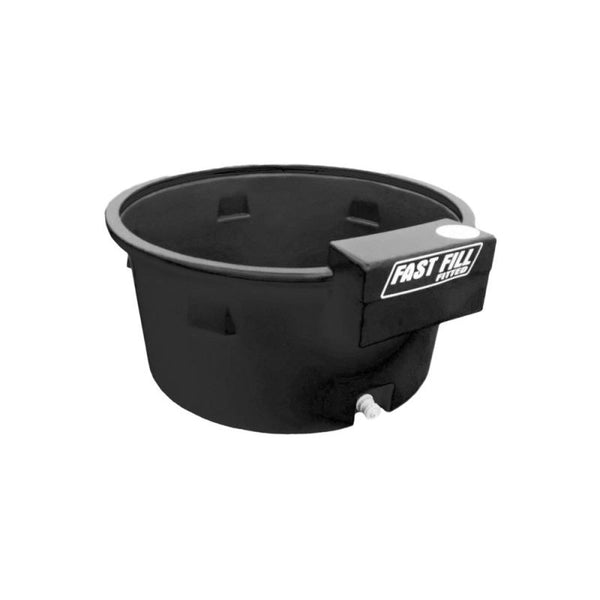
Fast Fill Animal Drinker - AD93
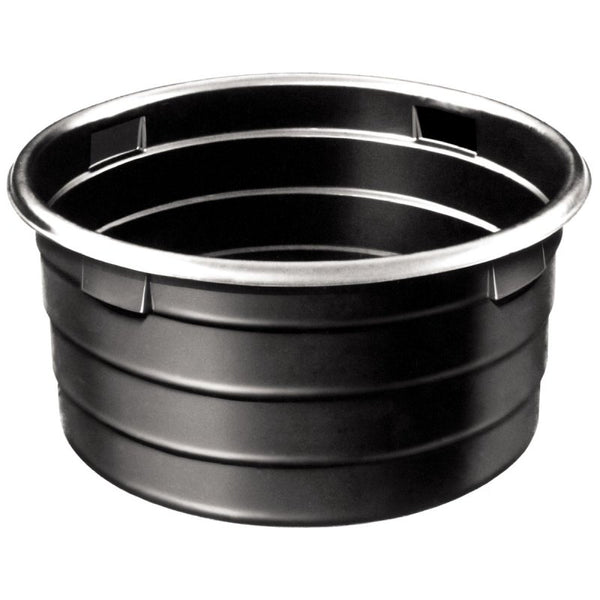
Paxton Circular 600 Litre Drinking Trough - AT8
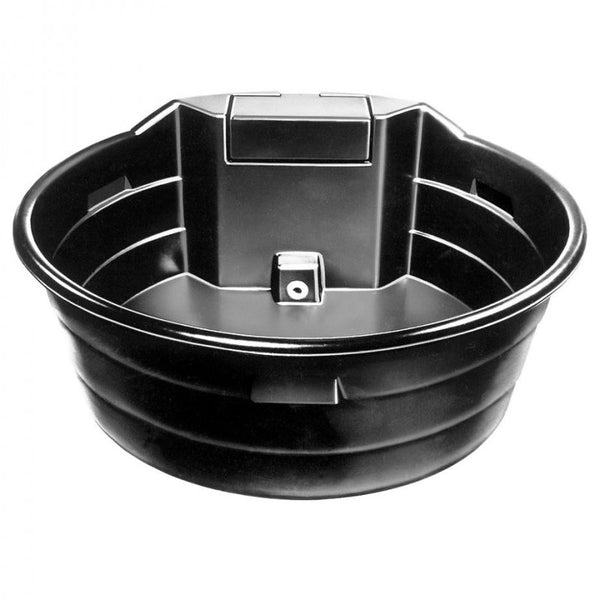
Paxton Circular 680 Litre Drinking Trough - AT15
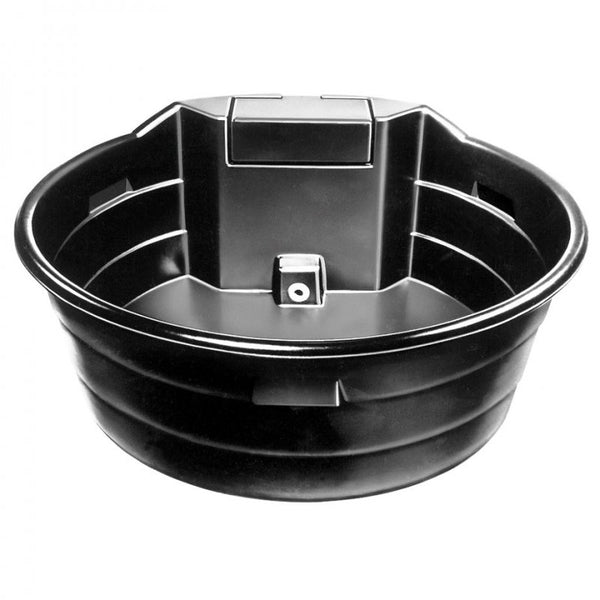
Paxton Circular 900 Litre Drinking Trough - AT6
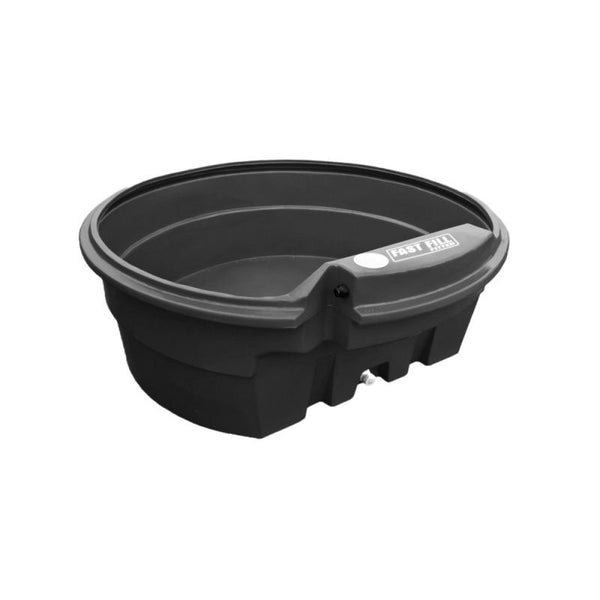
Fast Fill Animal Drinker - AD95


Talk to a specialist.
Sizing, regulations, installation. Our team has been answering these questions for 28 years.
Choosing the right Animal Drinkers And Feeders
A Wide range of Kingspan and Paxton Feeders and Drinkers - Suitable for all livestock
Animal Drinkers And Feeders FAQs
How much water do livestock need?
Intake varies substantially by species, size, diet and weather. Dairy cattle in milk can drink well over 100 litres a day, beef cattle considerably less, and sheep in the region of 5 to 10 litres.
Hot weather and dry feed both increase intake sharply, so sizing on average consumption leaves troughs short exactly when it matters.
What is the difference between a fast-fill and a standard drinker?
Fast-fill drinkers use a high-capacity valve to refill quickly, which matters where a group of animals drinks at once — after milking, for instance. Standard drinkers refill more slowly and suit smaller groups.
If animals are queuing at a trough, the refill rate is usually the constraint rather than the trough volume.
Plastic or galvanised steel troughs?
Polyethylene will not corrode, is lighter to position, and tolerates freeze-thaw better than steel, which splits at the seams. Galvanised steel resists damage from stock pushing and is longer-lived under heavy use.
For cattle, steel or heavy-duty plastic is worth the extra; for sheep, lighter plastic is generally adequate.
How do I stop drinkers freezing?
Insulated drinkers, ball-float covers and heated units all help. Keeping the supply pipe below frost depth and lagging any exposed run prevents most problems.
In practice the supply pipe freezes before the trough does, so pipework insulation is usually the higher-value intervention.
How often should troughs be cleaned?
Regularly enough to prevent algae, biofilm and fouling — weekly in warm weather is common practice. Palatability affects intake, and intake affects performance.
Fitting a drain plug makes cleaning quick enough that it actually gets done, which is the main practical consideration.
Where should drinkers be positioned?
Where stock can reach them without crowding, on firm ground that will not poach, and ideally not in a corner where dominant animals can block access.
For grazing groups, more than one drinking point reduces bullying and keeps intake up across the whole group.
- Choosing a selection results in a full page refresh.
- Opens in a new window.

New customer offer
£25
off your first order
Minimum spend £500. One code per customer.
Join our mailing list
We'll email your discount code, plus stock updates and trade offers.
We use your email to send your discount code and marketing emails you've opted into. See our privacy policy for how we handle your data.
You're on the list
Check your inbox — your code is on its way. Add us to your safe senders so it doesn't land in spam.