


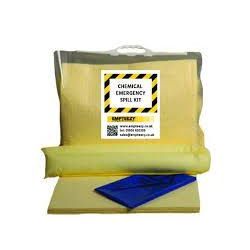
15 Litre Chemical Spill Kit
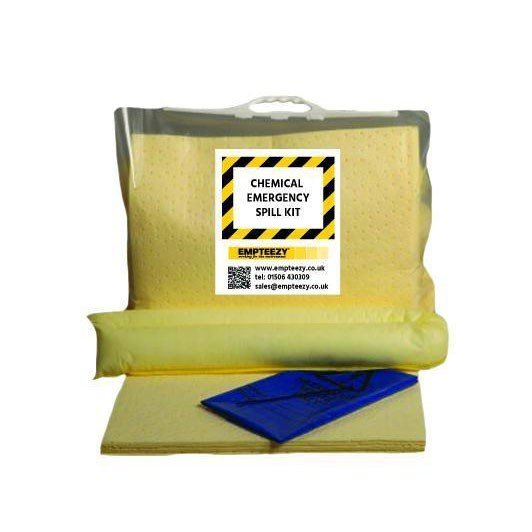
30 Litre Chemical Spill Kit With Carry Handle
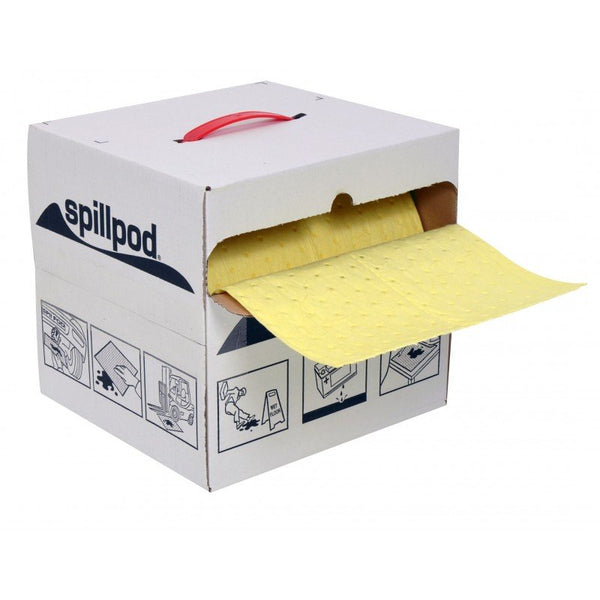
38 Litre Chemical Quick-rip roll Dispensing Box (BX0774)
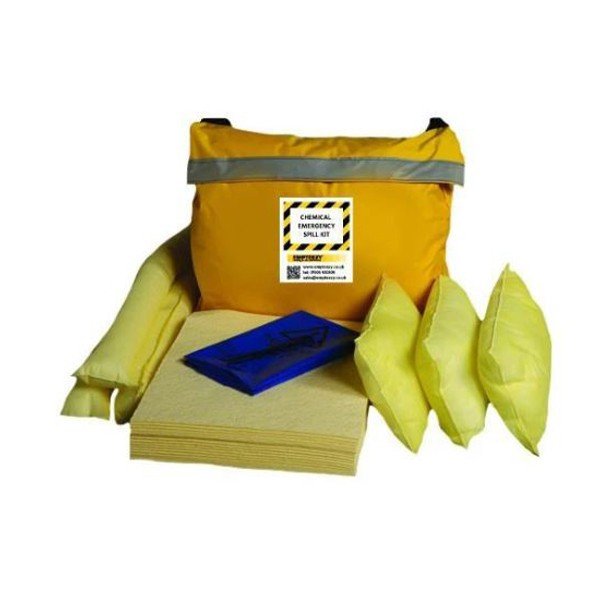
50 Litre Chemical Spill Kit
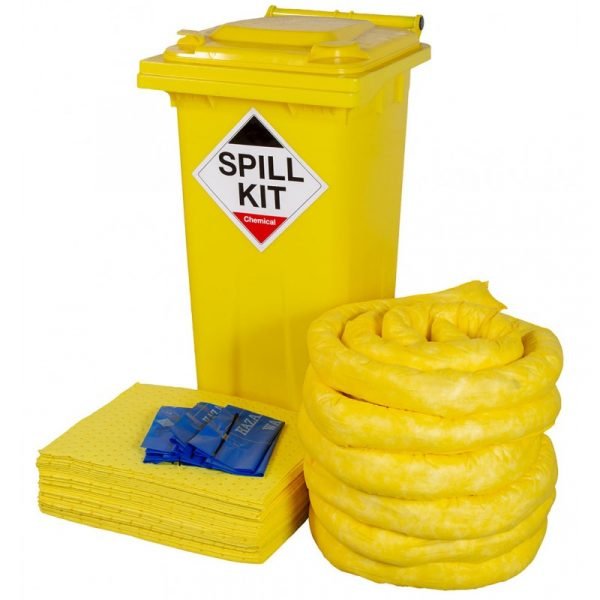
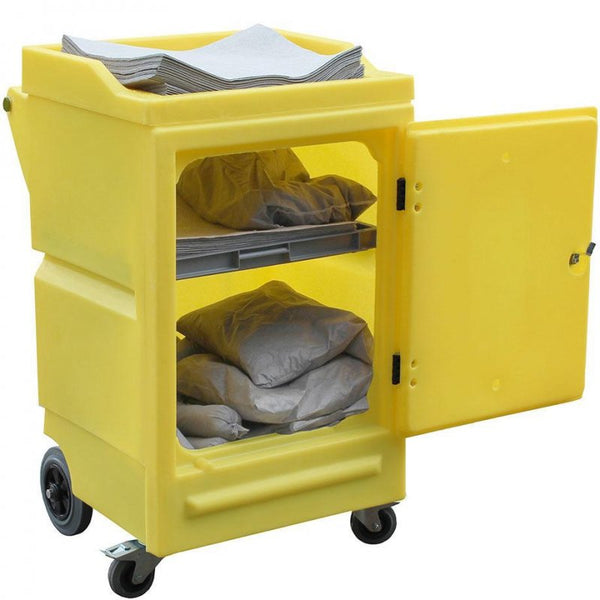
120 Litre Wheelie Bin Chemical Spill Kit
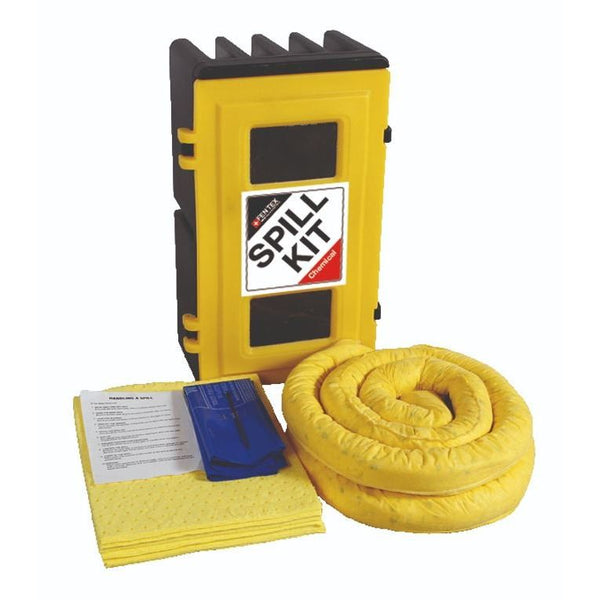
50 Litre Chemical - Wall Cabinet
Not sure which tank you need?
Tell us your property, fuel type and typical annual use — one of our experts will spec the right tank for you in 24 hours.
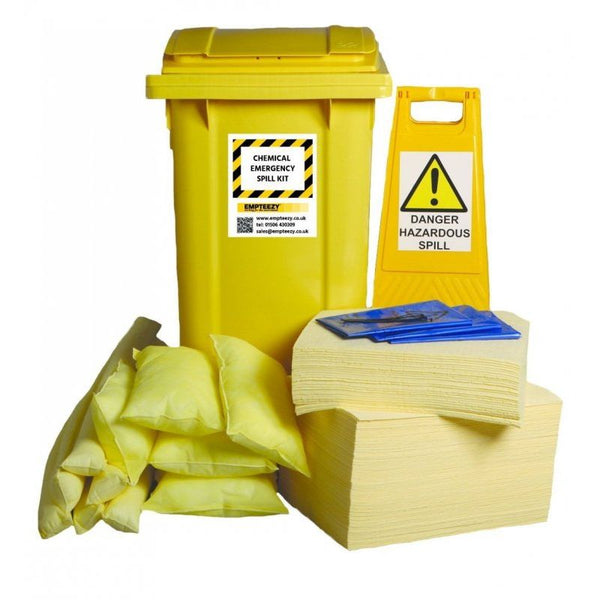
240 Litre Wheelie Bin Chemical Spill Kit
Talk to a specialist.
Sizing, regulations, installation. Our team has been answering these questions for 28 years.
Choosing the right Chemical Spill Kits
Our chemical spill kits are designed to provide comprehensive, rapid response capabilities for a wide range of chemical incidents. From acids and alkalis to challenging solvents, these kits offer you the tools and confidence to contain, absorb, and neutralise potentially dangerous liquid spills quickly and safely. Large-scale chemical spills demand equally robust response strategies. Our kits come in wheeled bins and carts specifically designed to be transported directly to contaminated areas, ensuring you can intervene rapidly and effectively. These solutions integrate seamlessly with our spill containment systems and can be stored in our specialised spill kit cabinets, providing a comprehensive approach to chemical spill management.
While these kits provide exceptional coverage, it's crucial to remember they are not designed for oxidisers, and you should always consult specific safety guidelines for your particular chemical handling needs. By complementing these kits with our spill control solutions, you create a comprehensive safety strategy.
Chemical Spill Kits FAQs
How is a chemical spill kit different from a universal one?
The absorbent material is chosen to resist aggressive liquids — acids, alkalis, solvents and oxidisers — that would degrade or react with standard polypropylene absorbents. Chemical absorbents are conventionally yellow so they are not confused with other grades.
The PPE supplied is also different, typically including chemical-resistant gloves and eye or face protection rather than general handling gloves.
Will one chemical kit cover everything I store?
Not necessarily. Chemical absorbents are broadly resistant but not universally compatible — hydrofluoric acid, strong oxidisers and some solvents need specific handling.
Check the safety data sheet for each substance against the absorbent manufacturer's compatibility chart. Where a substance is not covered, a dedicated kit or neutralising agent is needed.
Should I neutralise a chemical spill before absorbing it?
Only where a suitable neutralising agent is specified for that substance and staff are trained to use it. Neutralisation is exothermic and can produce gas, so done wrongly it makes the situation worse.
For most sites, containing and absorbing is the safer response, with neutralisation reserved for specific known chemicals where it is planned in advance.
What PPE is needed for a chemical spill response?
At minimum chemical-resistant gloves and eye protection, with the substance's safety data sheet dictating whether respiratory protection, a face shield, apron or suit is also required.
Anyone responding needs to know before the incident which substances require respiratory protection — that is not a decision to make while standing over a spill.
Where should chemical spill kits be kept?
Adjacent to the chemical store and at any decanting or point-of-use location, in a cabinet that keeps contents dry and identifiable. Signage matters because in an incident an unfamiliar responder may need to find it.
Keep chemical kits visually distinct from oil and universal kits so the wrong grade is not grabbed under pressure.
How is chemical spill waste disposed of?
As hazardous waste, classified according to the substance absorbed, in sealed and labelled containers collected by a licensed carrier under a consignment note.
Do not mix waste from different chemical spills in one container — incompatible residues can react, and mixed waste is more expensive to dispose of.
- Choosing a selection results in a full page refresh.
- Opens in a new window.

New customer offer
£25
off your first order
Minimum spend £500. One code per customer.
Join our mailing list
We'll email your discount code, plus stock updates and trade offers.
We use your email to send your discount code and marketing emails you've opted into. See our privacy policy for how we handle your data.
You're on the list
Check your inbox — your code is on its way. Add us to your safe senders so it doesn't land in spam.