
- SKU · 7034087
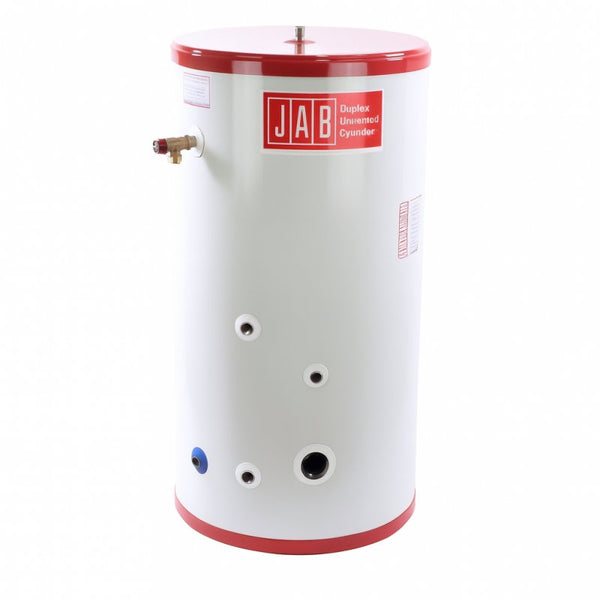
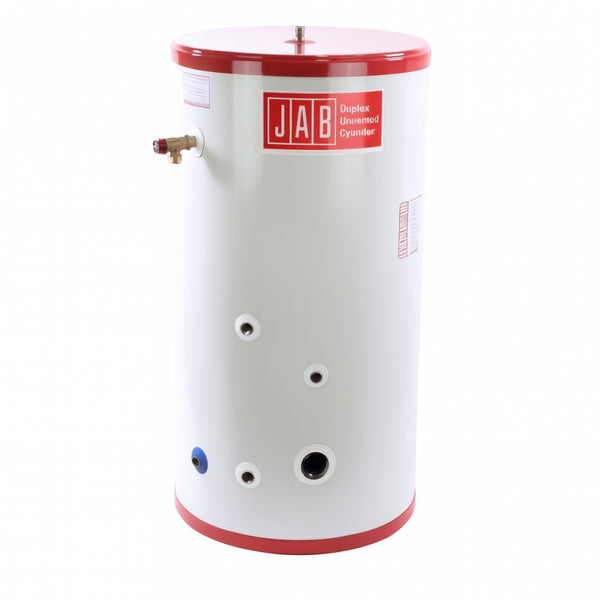
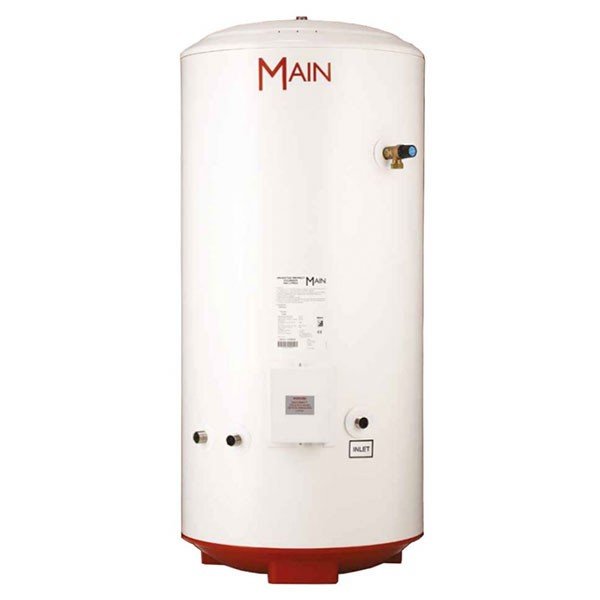
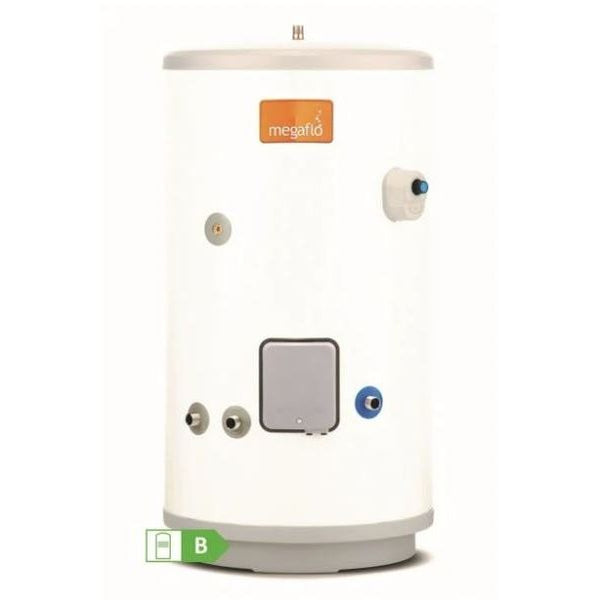
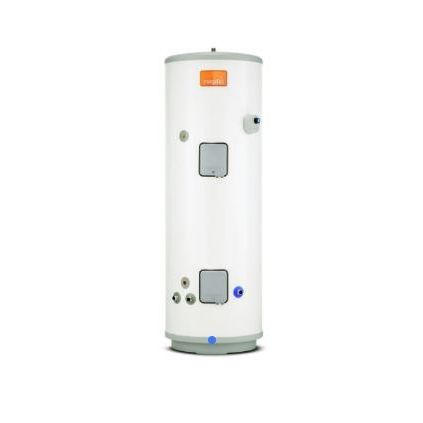
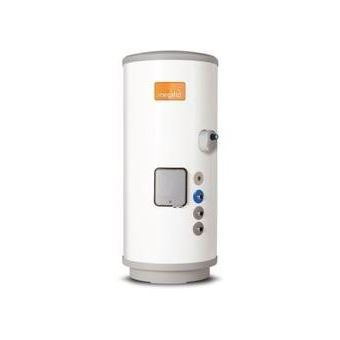
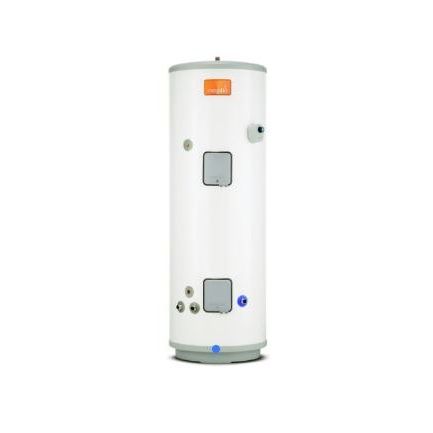
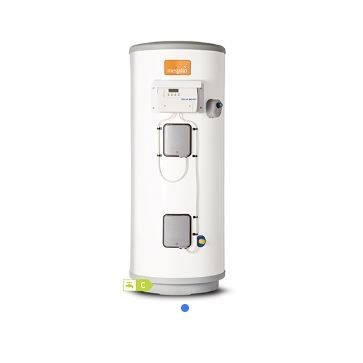
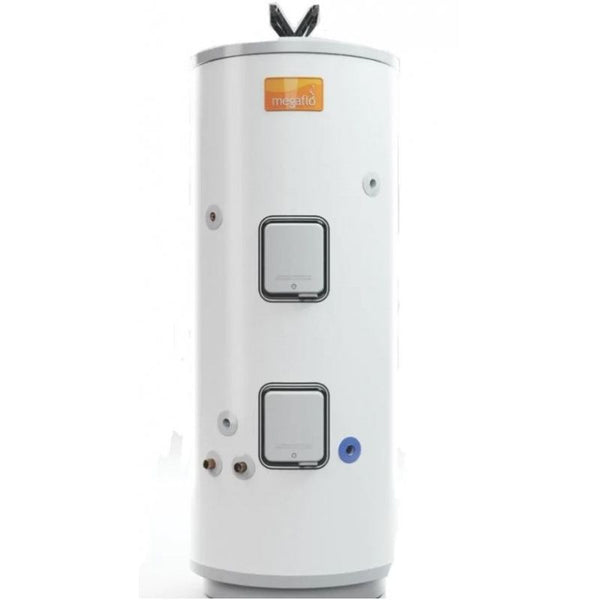
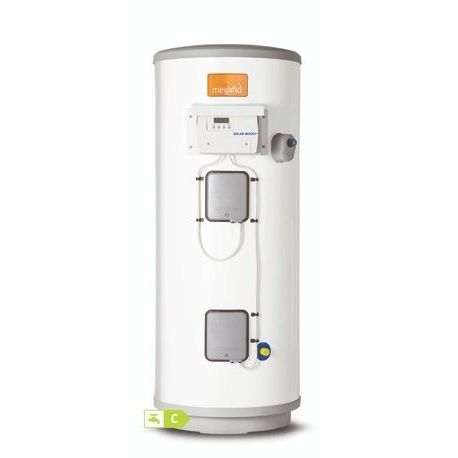
Megaflo Eco 100 Litre Slimline Indirect Unvented Hot Water Cylinder
£1,271.00£1,525.20 -
Get a spec →
Not sure which tank you need?
Tell us your property, fuel type and typical annual use — one of our engineers will spec the right tank for you in 24 hours.
- SKU · 7034088
Megaflo Eco 125 Litre Slimline Indirect Unvented Hot Water Cylinder
£1,414.00£1,696.80 - SKU · 7034089
Megaflo Eco 150 Litre Slimline Indirect Unvented Hot Water Cylinder
£1,579.00£1,894.80 - SKU · 7034090
Megaflo Eco 170 Litre Slimline Indirect Unvented Hot Water Cylinder
£1,694.00£2,032.80
Need help choosing?
Talk to a specialist.
Sizing, regulations, installation. Our team has been answering these questions for 28 years.
Phone
01643 704328Mon–Fri 8am–6pm
WhatsApp
Message usTap to open WhatsApp
Email
sales@fueltankshop.co.ukReply within 2 hoursNeed help?
Indirect Unvented FAQs
What is an indirect unvented cylinder?
A cylinder fed at mains pressure that is heated by a coil connected to a boiler or heat pump, usually with an immersion element as backup. It delivers mains-pressure hot water without a cold tank in the loft.
This is the most common configuration in modern UK homes with a system or regular boiler.
Will it work with a heat pump?
Only if the cylinder is specified for heat pump use. Heat pumps run at lower flow temperatures than boilers, so they need a much larger coil surface area to transfer heat effectively. A standard boiler cylinder paired with a heat pump will underperform badly.
Look for cylinders explicitly rated for heat pump duty, which state coil area and reheat times at low flow temperatures.
Can I fit one where I currently have a vented cylinder?
Usually, provided the incoming mains can deliver adequate flow and pressure — typically at least 1.5 bar and around 20 litres per minute. The loft tank and its pipework come out, and a discharge route for the relief valves has to be found.
The discharge pipe routing is generally the deciding practical constraint in a retrofit, particularly in flats and mid-terrace properties.
What is a twin coil cylinder for?
A twin coil has two separate heating coils, allowing two heat sources — most commonly a boiler on one and solar thermal or a heat pump on the other. The lower coil takes the renewable source so it heats the coldest water at the bottom of the cylinder.
If solar thermal or a second heat source is a possibility later, specifying twin coil now is far cheaper than replacing the cylinder afterwards.
Why is my hot water running out faster than it used to?
Usually scale build-up on the coil in hard water areas, a failed thermostat, or thermal stratification breaking down through a faulty valve letting cold water in.
In unvented systems, a waterlogged expansion vessel can also reduce usable capacity. If output has fallen gradually over years, scale is the most likely cause; if suddenly, suspect a control or valve.
Does it need a G3 qualified installer?
Yes — the same as any unvented system. Installation and servicing are notifiable work under Building Regulations Part G and require G3 certification.
Annual servicing is also generally a warranty condition, covering the expansion vessel, relief valves and anode.