
Need help choosing?
Talk to a specialist.
Sizing, regulations, installation. Our team has been answering these questions for 28 years.
Phone
01643 704328Mon–Fri 8am–6pm
WhatsApp
Message usTap to open WhatsApp
Email
sales@fueltankshop.co.ukReply within 2 hoursAbout + buying guide
Choosing the right Equipment And Tool Storage
Keeping the tools and equipment in your facility secure and organised can sometimes feel like an impossible feat but, here at Fuel Tank Shop, we stock a wide range of heavy-duty storage solutions designed to do just that. Our focus is on maximising space and optimising accessibility for your operation. We offer industrial-grade tool chests and cabinets constructed from high-gauge steel, built to handle heavy equipment and frequent use. Many of our chests boast features like forklift pockets for easy transportation and load capacities exceeding several tons. Lockable drawers and internal organisers ensure valuable tools remain secure and readily identifiable
Proper organisation translates into time and cost savings for your operation. Easy access to tools and equipment eliminates wasted time searching, streamlining workflows and boosting productivity. You’ll minimise the risk of work-place accidents caused by cluttered work areas.
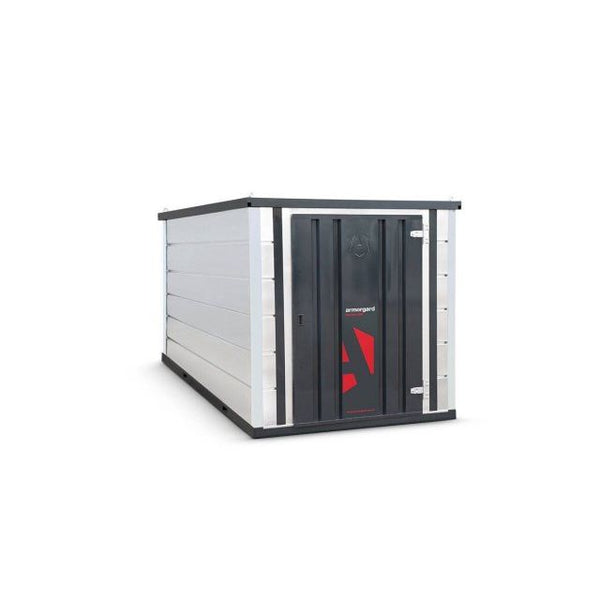
Whether you need to secure valuables on the go with a secure in-vehicle storage box, protect tools and equipment with a secure storage cabinet, or safeguard larger items in a secure walk-in store, we have the perfect solution for your security needs. Browse our extensive selection of secure storage boxes to find the ideal fit for your vehicle or workspace.
Need help?
Equipment And Tool Storage FAQs
What should I look for in a site tool store?
Heavy-gauge steel, welded seams, anti-jemmy lid or door returns, protected hinges and a high-specification lock in a shrouded housing. Weight itself is a genuine deterrent.
Forklift pockets and lifting eyes matter if the unit will move between sites, and the empty weight determines whether that is a machine job or a two-person lift.
How do I stop tools rusting in storage?
Ventilation and moisture control. A sealed box in a cold yard collects condensation, which rusts tooling steadily. Drainage holes, a desiccant, or a small vent path all help.
Storing tools dry before they go in makes more difference than anything else — putting damp tools into a sealed box guarantees corrosion.
Should tool stores be fixed down?
Wherever possible. Most site theft involves taking the whole container, so a box that can be dragged or craned onto a flatbed remains vulnerable however good the lock.
Ground anchors, chaining to a fixed structure, or bolting through the base are all effective.
Do insurers specify a standard?
Frequently, particularly for tools on construction sites. Policies may require a specific lock type, an attack-test rating, or that the unit is anchored.
Check the policy wording before purchasing. A unit that does not meet the condition can leave a claim unpaid regardless of how secure it seemed.
What about organisation inside?
Shelving, dividers and drawer inserts make a substantial difference to how quickly tools are found and how likely they are to be returned. Loose tools in a large box get damaged and lost.
Shadow boards or foam inserts also make it immediately obvious when something is missing, which reduces walk-off losses considerably.
One large store or several smaller ones?
Several smaller units positioned near work areas usually beat one large central store, because people are more likely to return tools to something close by.
It also limits the loss if one unit is broken into, and keeps individual units within manual handling limits.