
Browse by type
Waste Oil sub-categories


- SKU · TAN.GES-5000
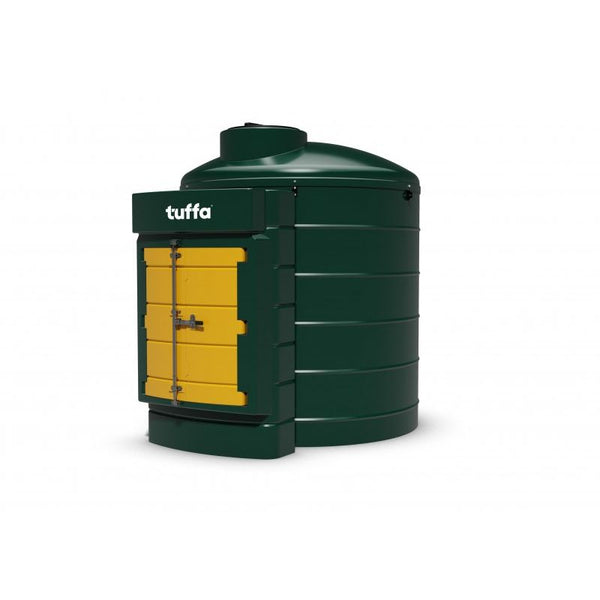
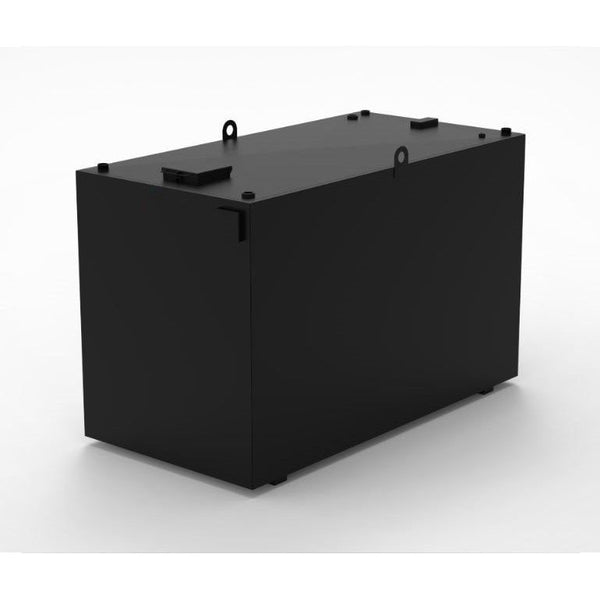
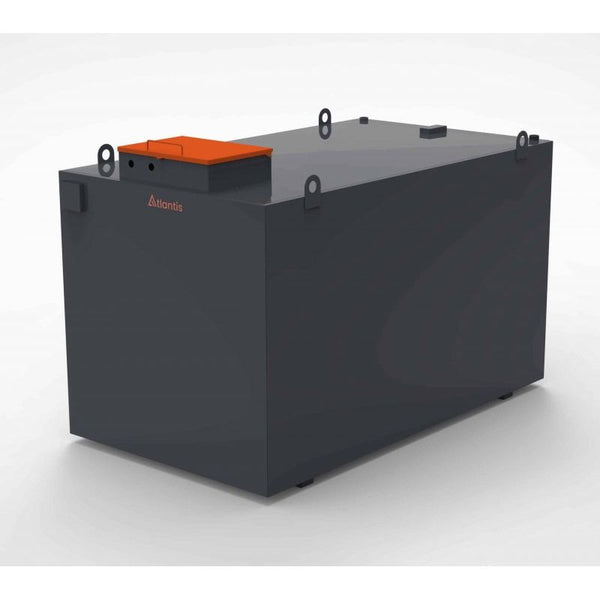
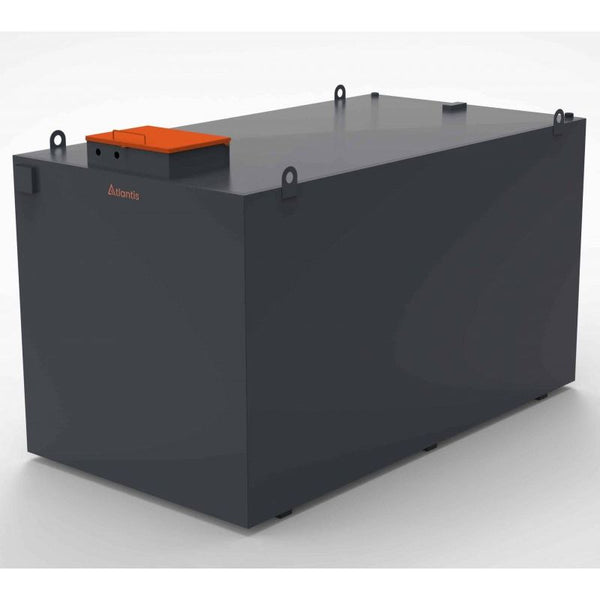
Atlantis StoraFuel 5000 Litre Steel Bunded Diesel Generator Tank
£5,733.00£6,879.60 -
Get a spec →
Not sure which tank you need?
Tell us your property, fuel type and typical annual use — one of our engineers will spec the right tank for you in 24 hours.
- SKU · LLWOB1200-E240VODWOP
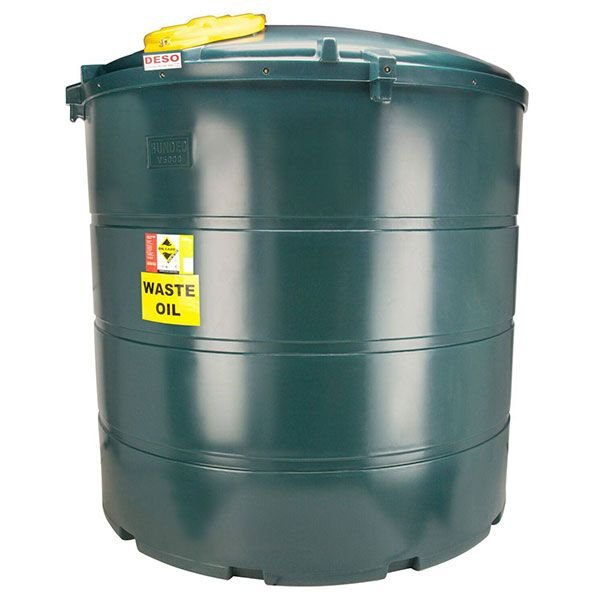
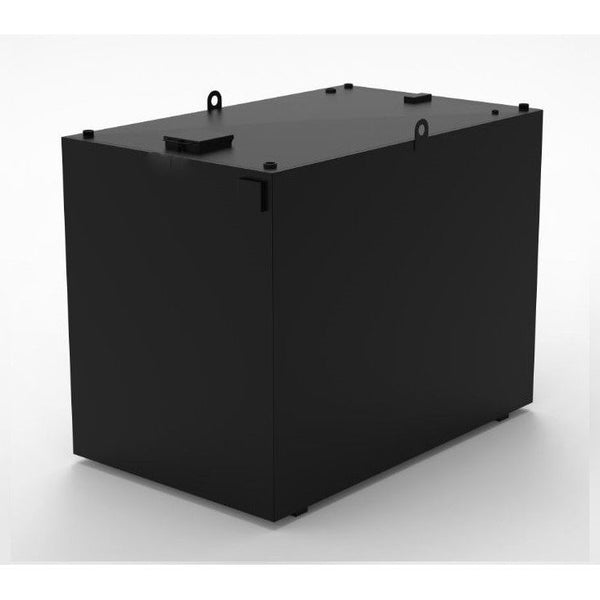
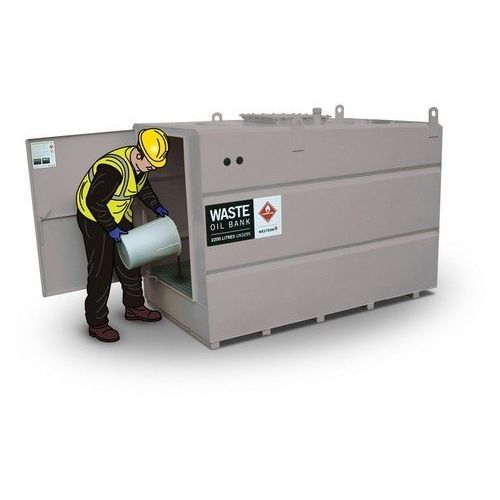
Western Envirobulka 5300 Litre Low Level Waste Oil Bank
Optionsfrom £9,015.00£10,818.00 - SKU · TAN.GES-10000
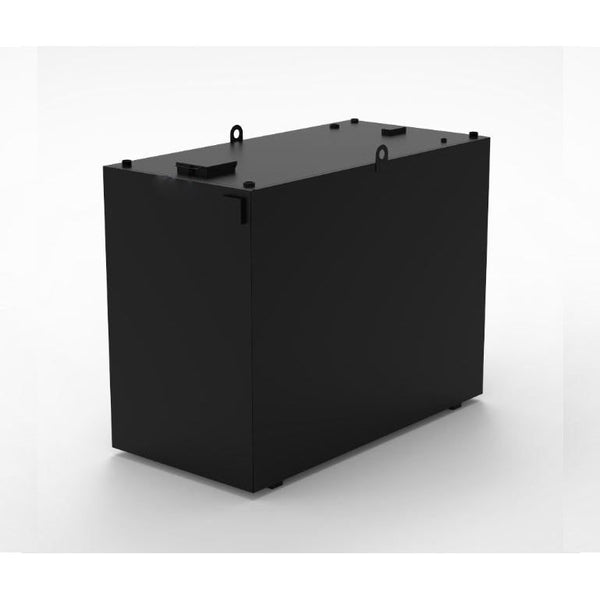
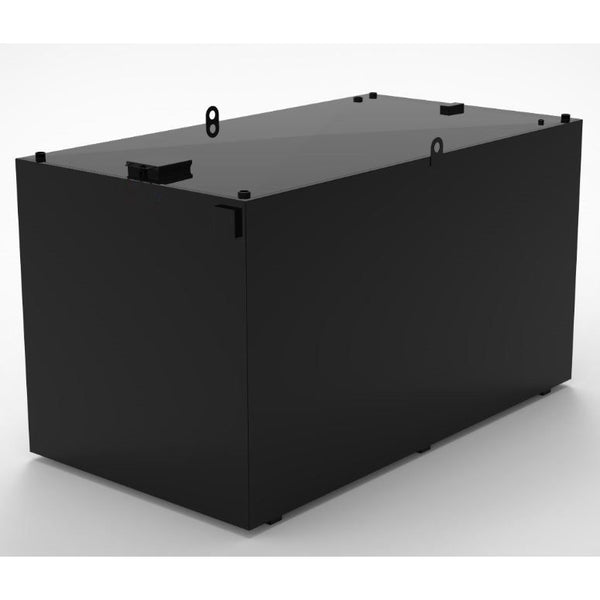
Atlantis StoraFuel 10000 Litre Steel Bunded Diesel Generator Tank
£10,316.00£12,379.20 - SKU · LLWOB2000-E240VODWOP
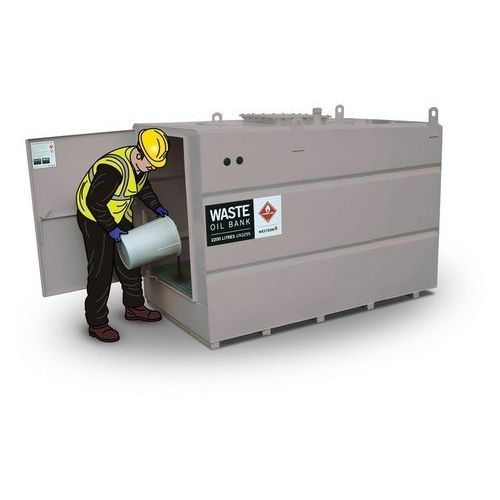
Western Envirobulka 9000 Litre Low Level Waste Oil Bank
Optionsfrom £15,375.00£18,450.00

Need help choosing?
Talk to a specialist.
Sizing, regulations, installation. Our team has been answering these questions for 28 years.
Phone
01643 704328Mon–Fri 8am–6pm
WhatsApp
Message usTap to open WhatsApp
Email
sales@fueltankshop.co.ukReply within 2 hoursAbout + buying guide
Choosing the right Waste Oil
At Fuel Tank Shop, we understand the importance of safe and compliant storage for waste oil, whether you’re a homeowner, contractor, or business owner managing regular oil disposal. Our comprehensive range of waste oil tanks will ensure you find a solution that fits your specific requirements. From trusted manufacturers such as Deso and Titan, these tanks are available in various formats, including slim, regular, and vertical designs, offering flexibility to suit any space or application.
The high-quality tanks we offer are bunded, which means they provide an additional layer of protection to prevent leaks and spills, helping to keep your site safe and meeting all environmental regulations. Whether you need a compact tank for domestic use or a larger, more substantial model for an industrial site, our collection has you covered. Choose from plastic waste oil tanks that are lightweight, corrosion-resistant, and cost-effective, making them ideal for smaller-scale storage, or steel waste oil tanks that offer superior durability and strength, suitable for heavy-duty industrial use.
Need help?
Waste Oil FAQs
Is waste oil classed as hazardous waste?
Yes. Used engine, hydraulic and gear oils are classified as hazardous waste in the UK. They must be stored securely, kept separate from other wastes, and collected by a registered waste carrier with a consignment note retained for your records.
You must not mix waste oil with other substances — contamination with solvents, coolant or water can make it far more expensive to dispose of, and in some cases prevents recovery entirely.
Does a waste oil tank need to be bunded?
In almost all commercial cases, yes. The Oil Storage Regulations apply to waste oil as well as fresh oil, so above-ground storage over 200 litres at a business premises needs secondary containment holding 110% of the tank's capacity.
Integrally bunded tanks are the simplest way to meet this, since the containment is built in and cannot be omitted or degraded during installation.
What size waste oil tank do I need?
Size it against your collection interval rather than your annual volume. A workshop generating 200 litres a month with quarterly uplift needs at least 600 litres of capacity plus headroom — so a 1,000-litre tank rather than a 700.
Undersizing leads to drums standing next to a full tank, which is exactly the situation that produces spills and enforcement attention.
Can I burn waste oil for heating?
Waste oil heaters exist and are used in some workshops, but burning waste oil is regulated. Appliances must meet emissions requirements and, depending on the volume and the appliance, you may need a permit from your local authority or environmental regulator.
It is worth confirming the position for your specific site and appliance before committing, as requirements differ across England, Scotland, Wales and Northern Ireland.
How should waste oil be collected from vehicles and plant?
Drainers, decanting pumps and transfer units keep the process closed and reduce spillage. A mobile drainer with a bunded base moves to the vehicle rather than carrying open containers across a workshop.
Pumped transfer into a fixed bulk tank is generally cleaner than repeated manual decanting, and it keeps the waste in one place for uplift.
What are the signs a waste oil tank needs replacing?
Look for corrosion at the base and around fittings on steel tanks, stress cracking or distortion on plastic, staining inside the bund, and any weeping at outlets or gauges. Sludge build-up that cannot be drawn off also reduces effective capacity over time.
Any liquid found in the bund of an integrally bunded tank should be investigated immediately — it usually means the inner tank has failed.