
- SKU · TAN.GES-4000
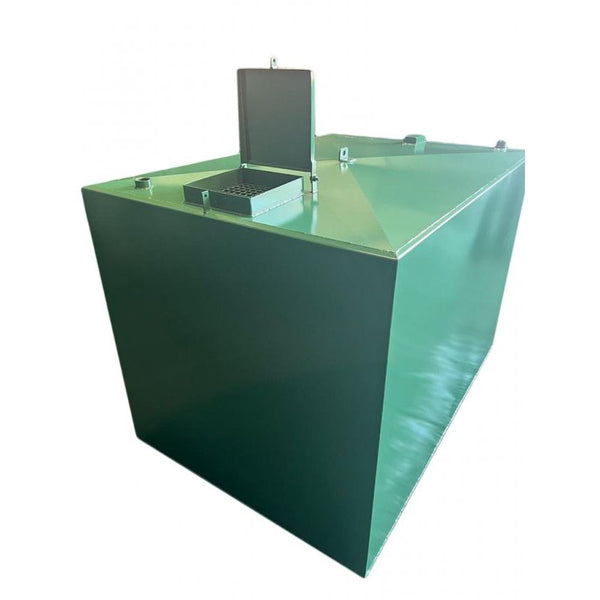
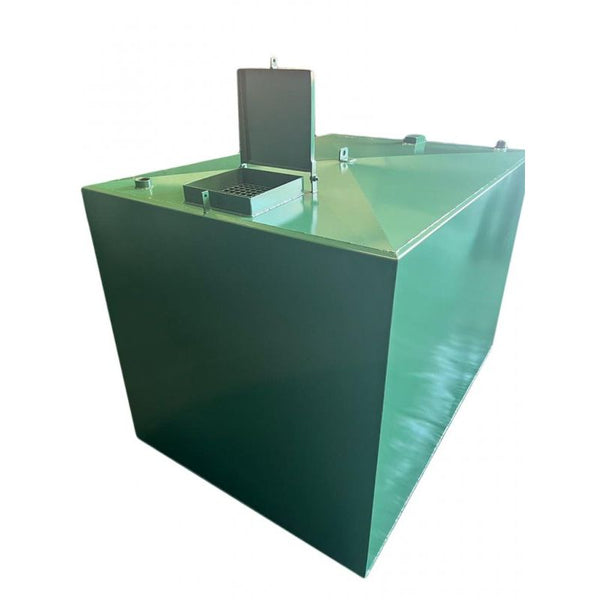
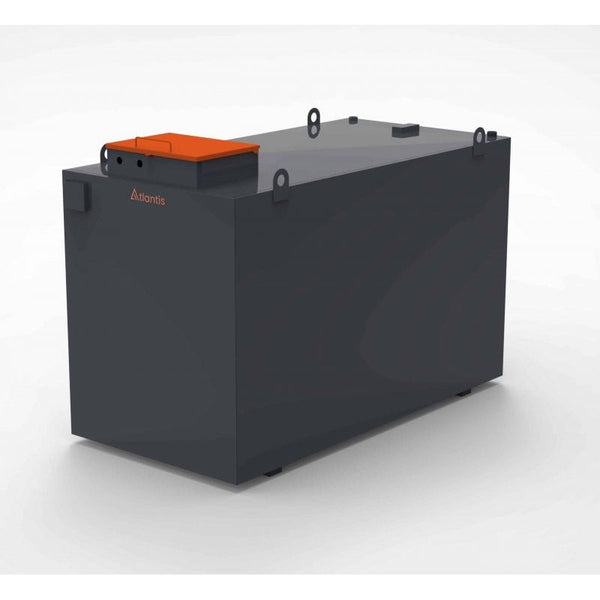
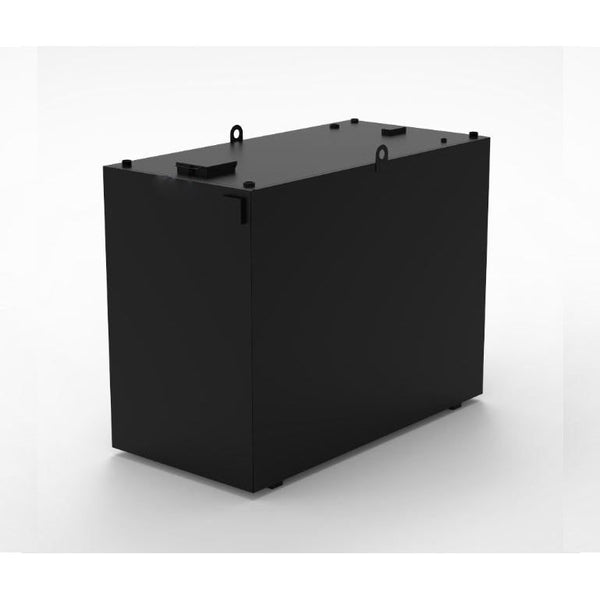
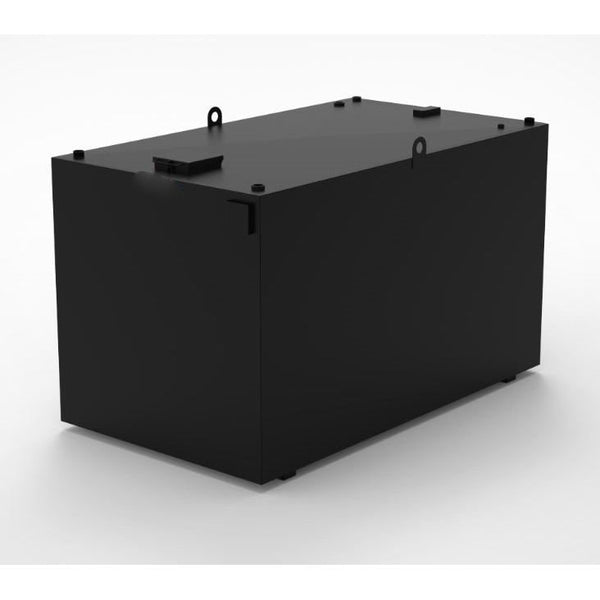
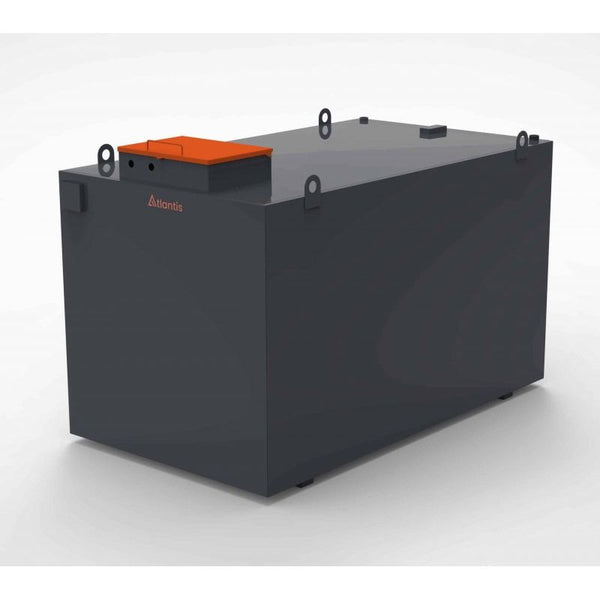
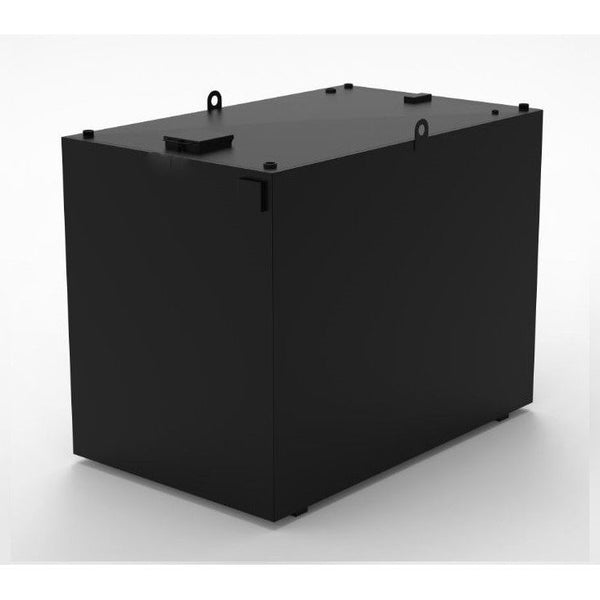
Atlantis StoraFuel 4000 Litre Steel Bunded Diesel Generator Tank
£4,676.00£5,611.20 -
Get a spec →
Not sure which tank you need?
Tell us your property, fuel type and typical annual use — one of our engineers will spec the right tank for you in 24 hours.
- SKU · TAN.GES-5000
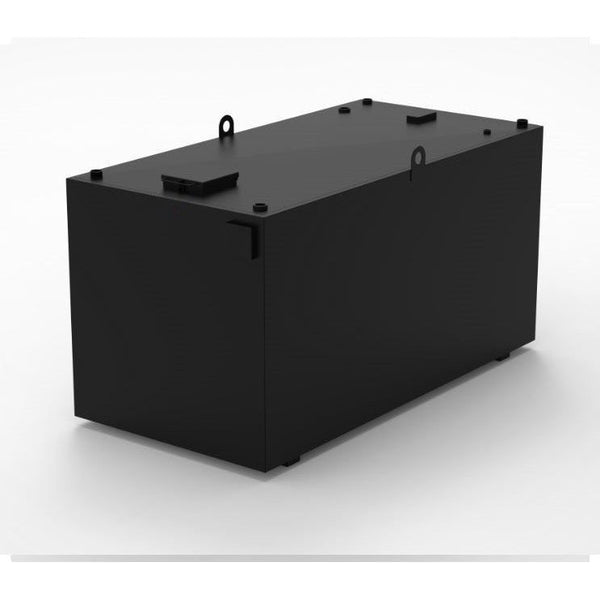
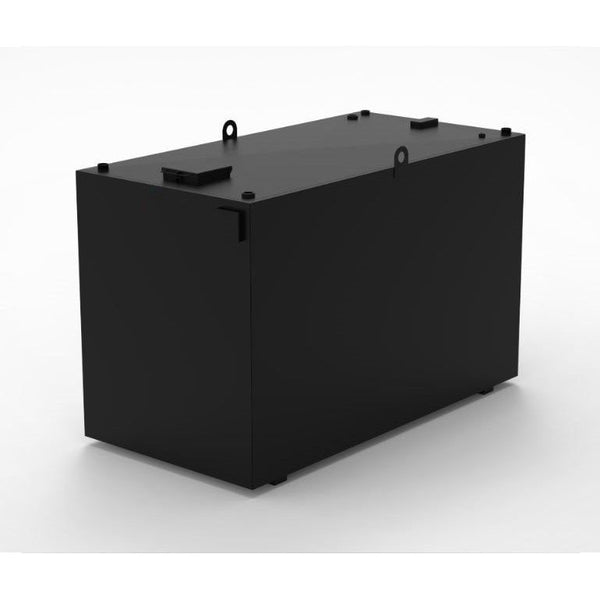
Atlantis StoraFuel 5000 Litre Steel Bunded Diesel Generator Tank
£5,733.00£6,879.60 - SKU · LLWOB1200-E240VODWOP
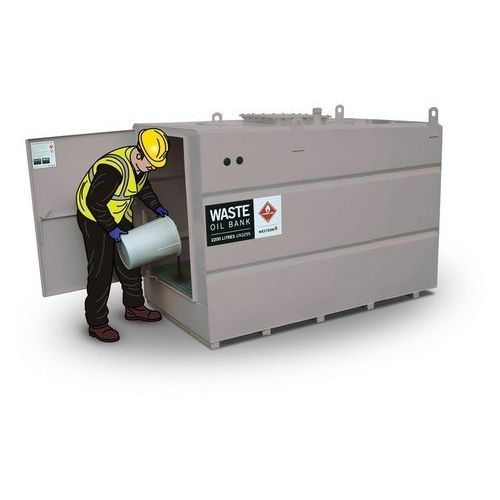
Western Envirobulka 5300 Litre Low Level Waste Oil Bank
Optionsfrom £9,015.00£10,818.00


Need help choosing?
Talk to a specialist.
Sizing, regulations, installation. Our team has been answering these questions for 28 years.
Phone
01643 704328Mon–Fri 8am–6pm
WhatsApp
Message usTap to open WhatsApp
Email
sales@fueltankshop.co.ukReply within 2 hoursAbout + buying guide
Choosing the right Steel Waste Oil Tanks
If durability and maximum protection are your top priorities, a steel waste oil tank from Fuel Tank Shop will provide the ultimate solution for safe waste oil storage. Designed to withstand the demands of heavy-duty industrial environments, these steel tanks are perfect for businesses that need to store large quantities of used oil securely. Manufactured to the highest standards, our steel tanks are bunded to protect against leaks and spills, ensuring compliance with strict environmental regulations.
With options available in a range of sizes, from 400-litres to 10,000-litres, these tanks are ideal for workshops, garages, and larger commercial operations. Steel waste oil tanks also offer exceptional durability and strength, making them a long-term investment for businesses looking to prioritise safety and reliability. For those seeking a more lightweight and corrosion-resistant option, our plastic waste oil tanks offer a cost-effective alternative, ideal for smaller-scale storage needs.
Need help?
Steel Waste Oil Tanks FAQs
Why choose steel over plastic for waste oil?
Steel withstands impact, resists heat, and stands up to workshop environments where a plastic tank might be damaged by machinery, dropped tooling or hot components.
It is also the usual choice at larger capacities, where fabricated steel remains cost-effective and rigid enough not to require the same base support as a moulded tank.
Does waste oil corrode steel tanks from the inside?
It can. Used oil carries water and acidic combustion by-products that attack unprotected steel over time, generally starting at the base where water settles.
Internally coated or lined tanks resist this considerably better, and drawing water off the base periodically slows the process significantly.
Do they need to be bunded?
At commercial premises, above-ground storage over 200 litres requires secondary containment of 110% of the tank capacity. Integrally bunded steel tanks provide this within the unit.
The regulations treat waste oil the same as fresh oil, so a workshop waste tank is caught by the same requirement as a heating oil tank.
How do I check the condition of a steel waste oil tank?
Inspect the base and the weld seams for corrosion and blistering, check fittings and gauges for weeping, and look for staining inside the bund. Sludge accumulation reduces effective capacity and holds water against the steel.
Any liquid in the interstitial space of a bunded tank means the inner tank has failed and needs immediate attention.
Can I use an old fuel tank for waste oil?
It is not advisable. A tank that has held fresh fuel may not be internally protected for the water and acidity in used oil, and the fittings and gauge may not suit the different viscosity.
There is also a regulatory dimension — waste oil storage needs to be clearly identified as such, and repurposed tanks are often not labelled or documented properly.
What size should I choose?
Size against the collection interval rather than annual volume. A workshop generating 200 litres a month with quarterly uplift needs 600 litres plus headroom, so a 1,000 litre tank.
Waste oil collection is not always available at short notice, so headroom is worth more than it might appear.