
-
Get a spec →
Not sure which tank you need?
Tell us your property, fuel type and typical annual use — one of our engineers will spec the right tank for you in 24 hours.
Need help choosing?
Talk to a specialist.
Sizing, regulations, installation. Our team has been answering these questions for 28 years.
Phone
01643 704328Mon–Fri 8am–6pm
WhatsApp
Message usTap to open WhatsApp
Email
sales@fueltankshop.co.ukReply within 2 hoursAbout + buying guide
Choosing the right Spill Containment
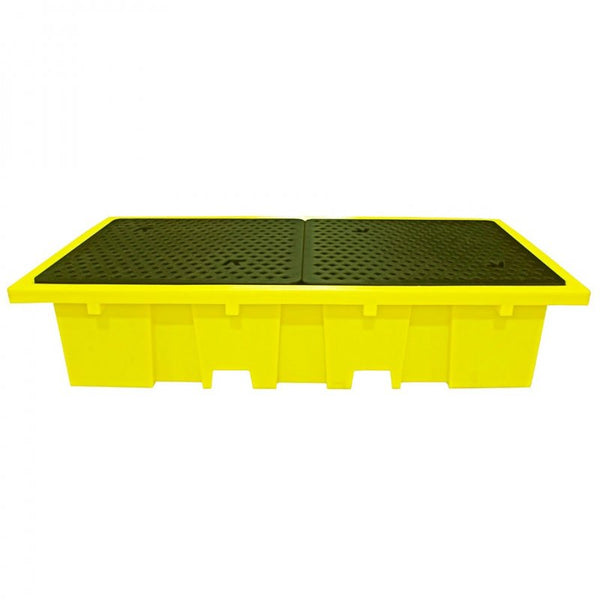
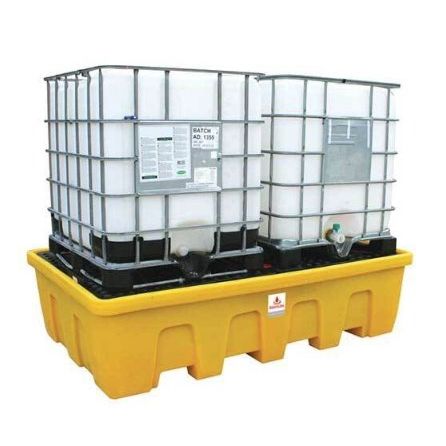
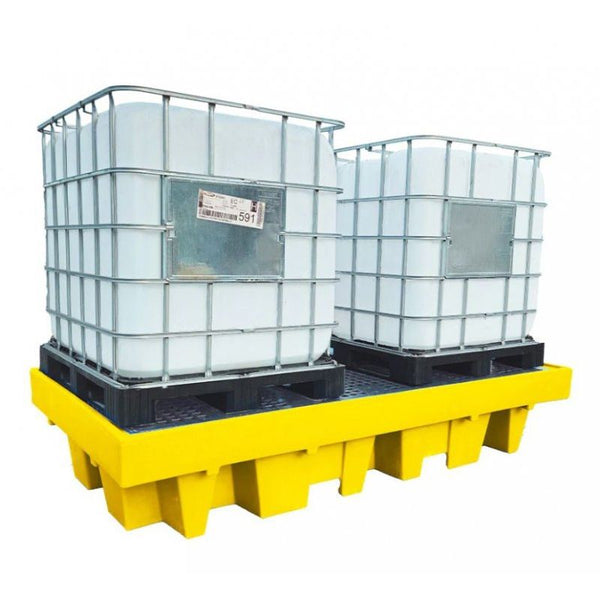
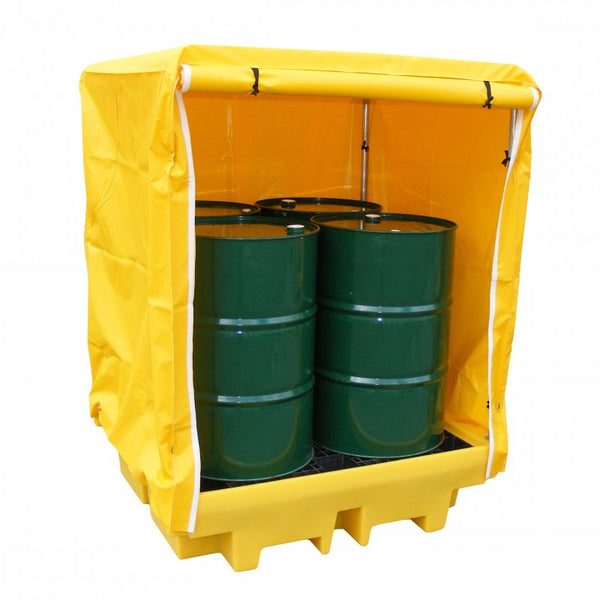
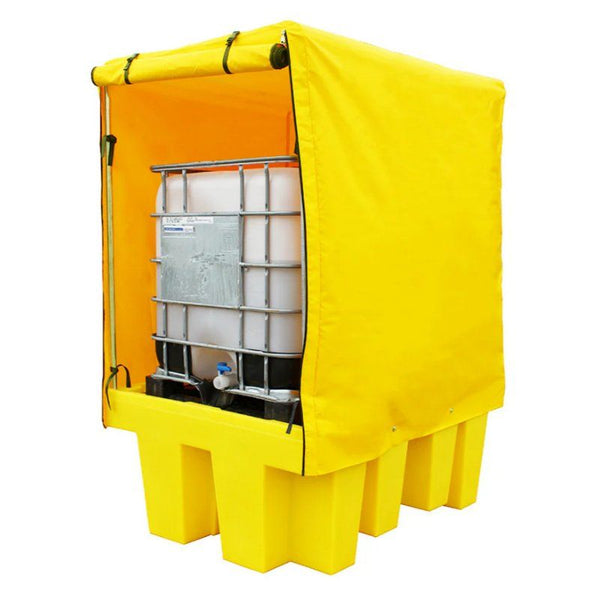
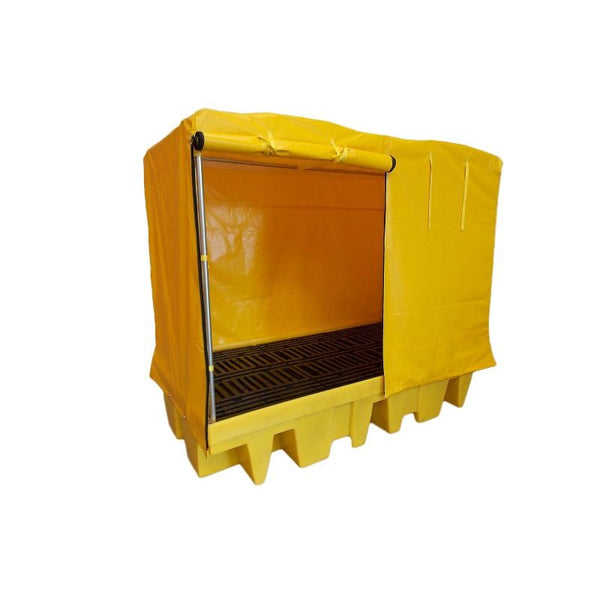
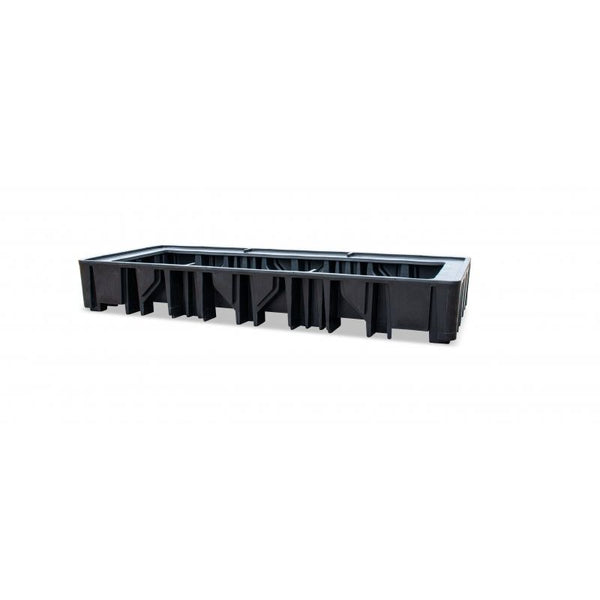
Effective spill containment is the first line of defence in preventing environmental contamination and minimising workplace hazards. Our range of spill pallets, trays, and mats will provide you with engineered solutions to capture and contain liquid spills before they can spread and cause significant damage. Whether you're working with oils, chemicals, fuels, or other potentially hazardous liquids, these containment solutions offer a critical layer of protection for your workspace and the environment.
Our spill pallets and trays are designed to meet stringent industry standards, offering flexible solutions that can be integrated with your existing oil and fuel spill control and chemical spill control systems. From compact designs suitable for small workshops to large-scale industrial solutions, we provide options that can be tailored to your specific operational needs. Investing in high-quality spill containment is an investment in both safety and regulatory compliance. Our range goes beyond simple liquid capture, offering solutions that help you manage spills efficiently and minimise potential environmental impact.
Need help?
Spill Containment FAQs
What does the 110% rule actually mean?
Secondary containment must hold 110% of the largest single container, or 25% of the total volume stored, whichever is greater. The extra 10% allows for rainfall, firefighting water and the dynamics of a sudden release.
For a single 1,000 litre IBC that means 1,100 litres. For twenty 205 litre drums, 25% of 4,100 litres is 1,025 litres, which is less than 110% of one drum — so the 110% figure governs.
Does containment have to be permanent?
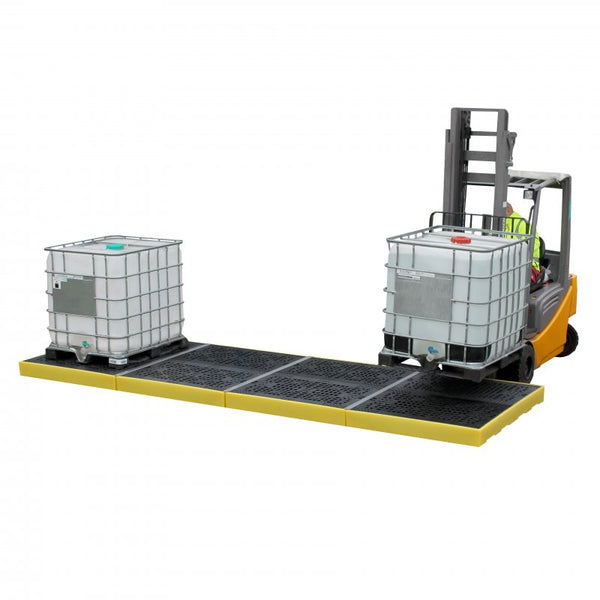
No. Fixed bunds suit permanent storage, but portable and collapsible bunds are appropriate for temporary refuelling, maintenance work and deliveries. The requirement is that containment is present where the risk is.
Many sites use a permanent bund at the store and a portable bund at the point of use.
What about rainwater collecting in an outdoor bund?
It reduces the available containment volume and has to be removed. Any accumulated water must be checked for contamination before disposal — if it contains oil it is hazardous waste, not surface water.
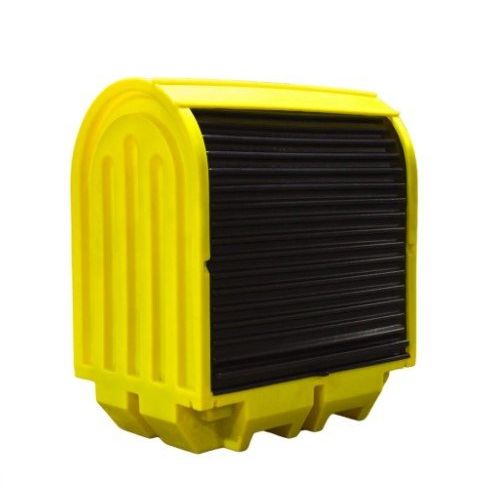
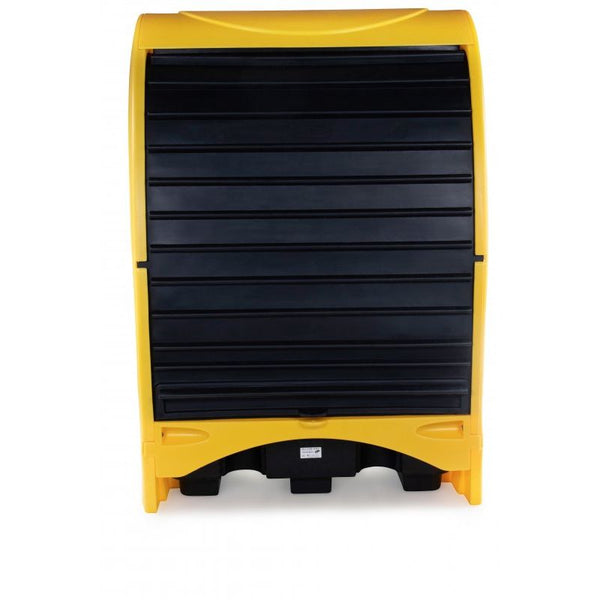
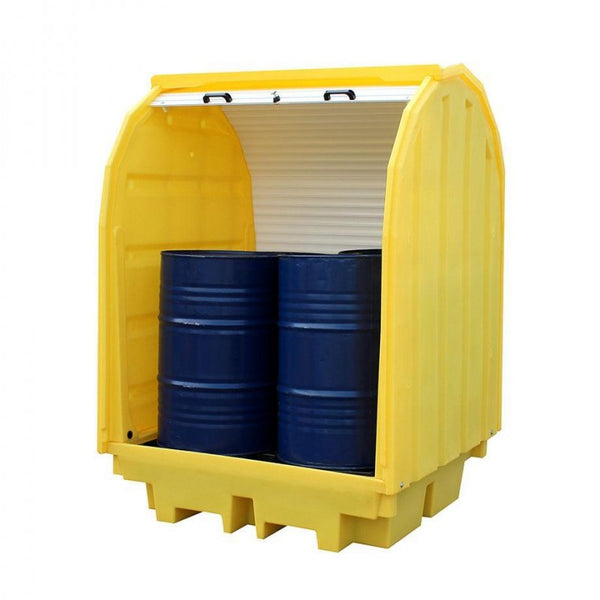
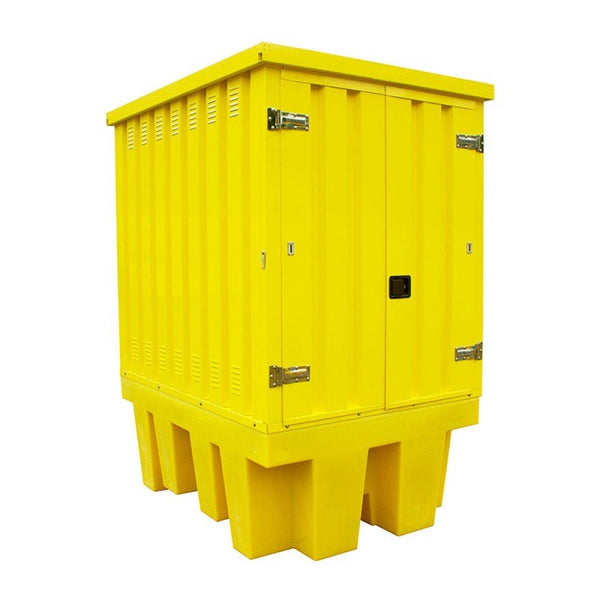
Covered bunds and hard-top units avoid the problem. Where a drain-down valve is fitted, it must be kept locked shut, since a valve left open provides no containment at all.
Can I build my own bund?
Masonry and concrete bunds are common for larger installations, but they must be impermeable, correctly sized, and lined or sealed against the substance stored. Untreated concrete is porous to oil over time.
Pipework penetrations through a bund wall are a frequent weak point — every penetration must be sealed properly or the bund leaks at exactly the moment it is needed.
How often should bunds be inspected?
Regularly enough to catch degradation before it matters — quarterly is common, with a fuller inspection annually. Look for cracking, joint failure, staining, blocked or open valves, and any accumulated liquid.
Bunds are usually inspected diligently when new and then forgotten, which is why failures tend to be found after an incident rather than before.
Does containment apply to substances other than oil?
The specific 110% requirement comes from the oil storage regulations, but the same principle is applied to chemicals through COSHH, environmental permitting and general duty of care.
In practice, if a release could reach a drain, watercourse or the ground, containment is expected regardless of what the substance is.