
-
Get a spec →
Not sure which tank you need?
Tell us your property, fuel type and typical annual use — one of our engineers will spec the right tank for you in 24 hours.


Need help choosing?
Talk to a specialist.
Sizing, regulations, installation. Our team has been answering these questions for 28 years.
Phone
01643 704328Mon–Fri 8am–6pm
WhatsApp
Message usTap to open WhatsApp
Email
sales@fueltankshop.co.ukReply within 2 hoursAbout + buying guide
Choosing the right Oil Fuel Spill Control
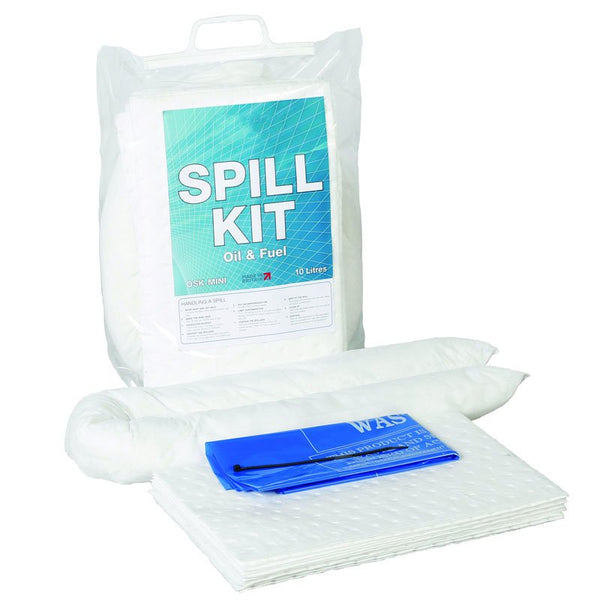
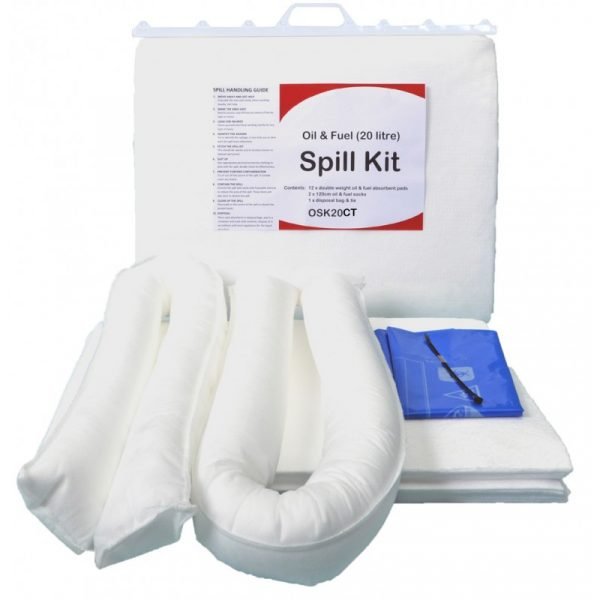
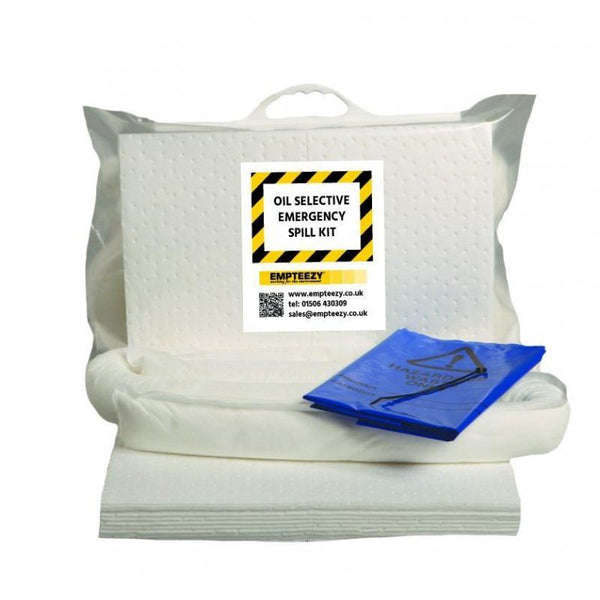
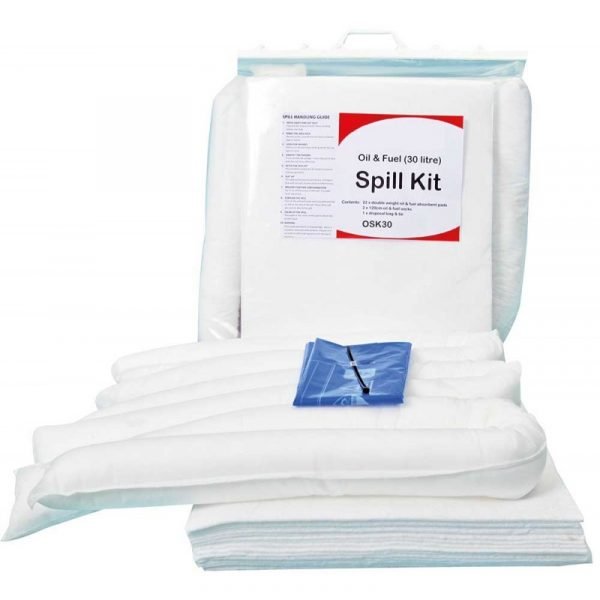
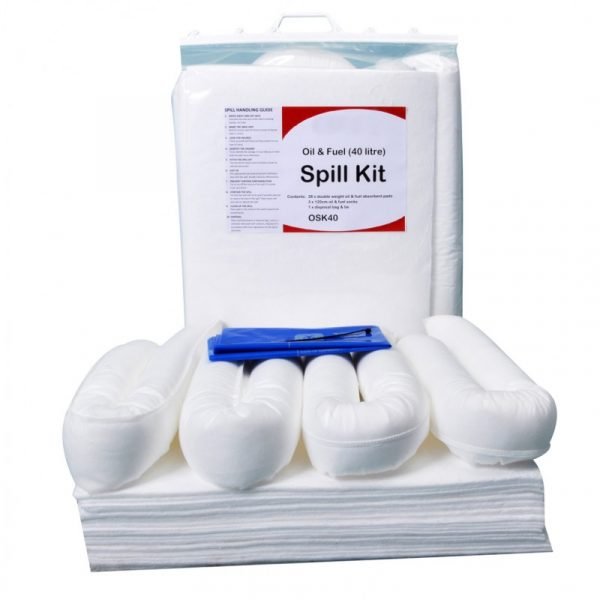
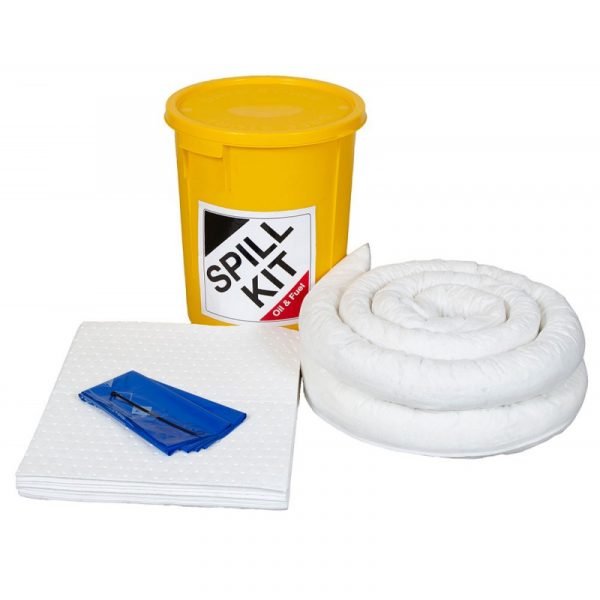
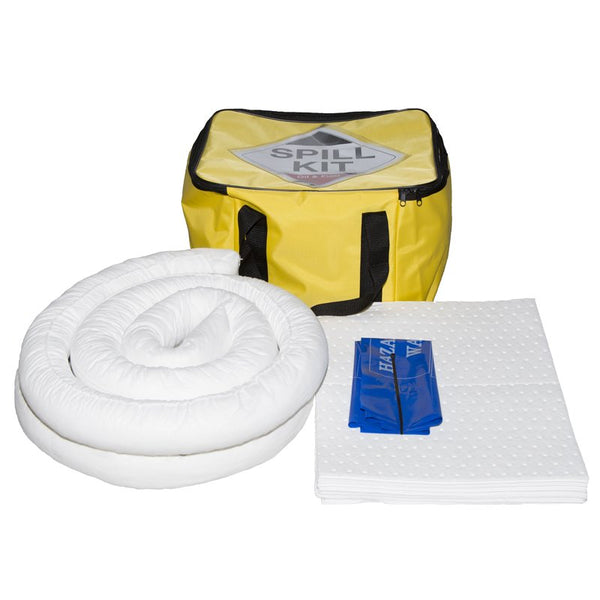
Oil and fuel spills represent some of the most challenging and potentially dangerous liquid incidents in industrial and commercial settings. Our specialised oil and fuel spill control range gives you the power to respond rapidly, containing and cleaning up these hazardous spills before they can cause extensive environmental or operational damage. From compact shoulder packs to hardy wheeled bins, we offer solutions that ensure you're always prepared, no matter the scale of the spill.
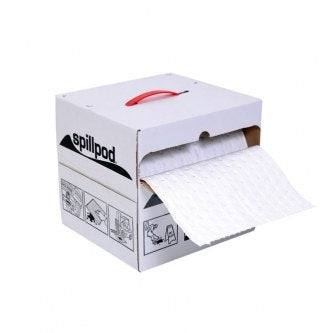
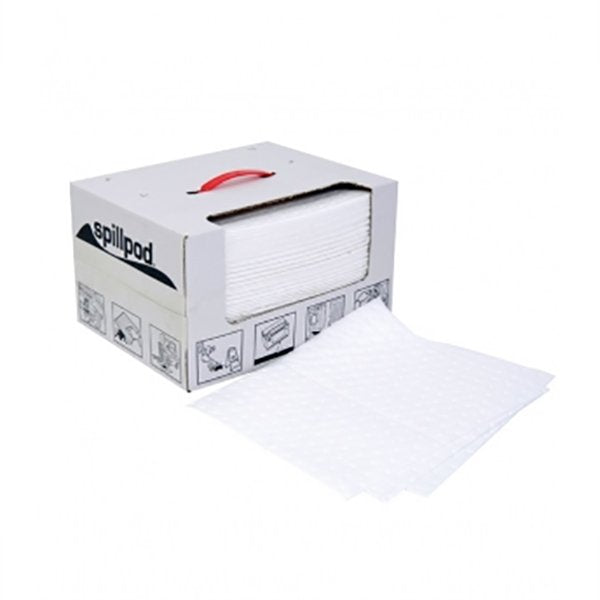
Your ability to manage an oil or fuel spill can make the difference between a minor incident and a major environmental disaster. Our kits are designed to absorb and contain hydrocarbon-based liquids quickly and effectively, featuring specialised materials that work specifically with oil and fuel. You'll find options ranging from small, portable spill kits perfect for vehicles and small workshops to comprehensive systems suitable for large industrial environments. Our pads, rolls, cushions, and socks provide additional flexibility in your spill response strategy.
Need help?
Oil Fuel Spill Control FAQs
Why do oil-only absorbents float?
They are made from hydrophobic polypropylene, which repels water and takes up hydrocarbons. Because they do not absorb water they remain buoyant, which is what makes them usable on spills over water.
General purpose absorbents saturate with water and sink, taking the recovered oil down with them.
What should be in place at a fuel storage area?
Oil-only absorbent pads and socks, a drain seal mat, loose granular absorbent, disposal bags and PPE — plus containment at the point of risk, whether that is a fixed bund or a portable one.
For sites near water, a floating boom is worth adding. Containing a spill on the surface is far easier than recovering it once it has spread.
What should I do first in a fuel spill?
Stop the source if it is safe to do so, then protect drains before anything else. Absorb afterwards. The instinct is to start soaking up the spill immediately, but preventing it entering surface water drainage is what determines the consequence.
Once fuel is in a surface water drain the incident becomes reportable and the response cost rises sharply.
When do I have to report a spill?
If oil enters or threatens to enter a watercourse, groundwater or surface water drainage, the environmental regulator should be notified — the Environment Agency, SEPA, NRW or NIEA depending on where you are.
Prompt self-reporting is viewed considerably more favourably than a spill discovered by someone else.
Can absorbed fuel be recovered?
Some oil-only absorbents can be wrung out and the oil recovered, but for most sites the practical route is disposal as hazardous waste through a licensed carrier.
Wringing out absorbents creates a secondary handling risk and is rarely worth it outside dedicated recovery operations.
How do I prevent spills rather than respond to them?
Bunding, drip trays at dispensing points, breakaway couplings, overfill alarms, and supervised deliveries. Most fuel spills happen during delivery or dispensing rather than through tank failure.
A short written procedure for deliveries, with the driver's responsibilities set out, prevents more incidents than any amount of absorbent.