
- SKU · 7034091
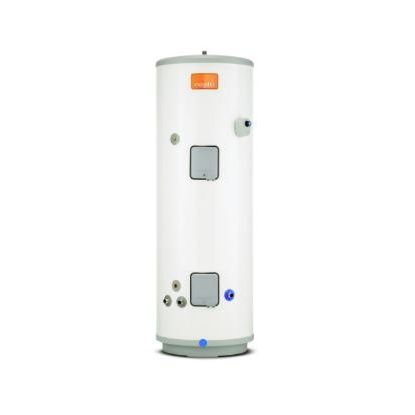
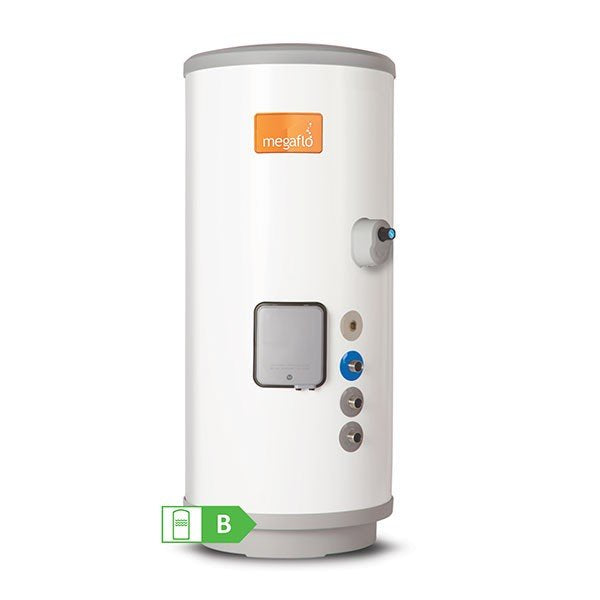
Megaflo Eco 200 Litre Slimline Indirect Unvented Hot Water Cylinder
£1,884.00£2,260.80
Need help choosing?
Talk to a specialist.
Sizing, regulations, installation. Our team has been answering these questions for 28 years.
Phone
01643 704328Mon–Fri 8am–6pm
WhatsApp
Message usTap to open WhatsApp
Email
sales@fueltankshop.co.ukReply within 2 hoursAbout + buying guide
Choosing the right Indirect Cylinders
Indirect cylinders are a popular choice for heating hot water in many homes. Indirect relates to the way the water is heated. Unlike direct cylinders that use an internal heating element, indirect cylinders are specifically designed to work in conjunction with an external heat source, whether that’s your gas boiler, oil boiler, a renewable energy source, or a combination of multiple heat sources. By using an external heat source, indirect cylinders can operate with remarkable efficiency, helping you save money on your energy bills.
Indirect cylinders store the heated water in the cylinder, ensuring that you have a readily available source of hot water whenever you need it. This is particularly useful for larger households with high hot water demands, as it eliminates the risk of running out of hot water during peak usage times. With a taller and slimmer design, our slimline indirect hot water cylinders are ideal if you’re limited on space.
At Fuel Tank Shop, our indirect cylinders are built to last and, with proper care, will provide reliable hot water for many years to come. They are constructed using only the highest-quality materials, by reputable manufacturers including Kingspan, Main, Megaflo, and Heatrae Sadia.
Do you need help choosing your cylinder?
Do you require some technical advice?
Then call our Cylinders Team On :- 0345 2600258
** CONTACT US FOR BULK ORDER DISCOUNTS **
Need help?
Indirect Cylinders FAQs
What is an indirect cylinder?
A cylinder heated by a coil carrying hot water from a boiler or heat pump. The heating water circulates through the coil and never mixes with the stored domestic hot water.
Most also carry an immersion element as backup, so hot water is still available if the boiler is down or during summer when the heating is off.
Why is the coil size important?
Coil surface area determines how fast the cylinder reheats and what flow temperature it can work with. A boiler running at 70–80°C transfers heat readily through a modest coil; a heat pump running at 45–55°C needs a much larger one.
Pairing a heat pump with a standard boiler cylinder is a common and expensive mistake — reheat times become impractical and the heat pump runs inefficiently.
What is the difference between vented and unvented indirect?
Vented cylinders are fed from a cold tank in the loft and deliver at the pressure created by that height. Unvented cylinders are fed from the mains and deliver at mains pressure, with no loft tank.
Vented is cheaper and simpler and needs no G3 qualification. Unvented gives much better flow at outlets but requires adequate incoming mains and a certified installer.
How do I size an indirect cylinder?
By peak simultaneous demand and reheat capability rather than household headcount alone. A bath, a shower and a basin running together draw far more than the same household using them sequentially.
As a broad guide: 120–150 litres for one bathroom, 180–250 for two, 250–300 plus for three or more. Add capacity if reheat is slow, as with a heat pump.
Should I insulate an existing cylinder further?
Modern cylinders come with factory-applied foam insulation and adding more gains little. Older copper cylinders with a loose jacket are a different matter — upgrading insulation there pays back quickly.
Insulating the first couple of metres of pipework leaving the cylinder is often the better return, since that is where much of the standing loss occurs.
What maintenance does it need?
Annual checks on the immersion element, thermostat, and — for unvented models — the expansion vessel and relief valves. Sacrificial anodes on stainless cylinders should be inspected on the manufacturer's schedule.
In hard water areas, descaling or a water softener extends coil and element life considerably.