
-
Get a spec →
Not sure which tank you need?
Tell us your property, fuel type and typical annual use — one of our engineers will spec the right tank for you in 24 hours.
Need help choosing?
Talk to a specialist.
Sizing, regulations, installation. Our team has been answering these questions for 28 years.
Phone
01643 704328Mon–Fri 8am–6pm
WhatsApp
Message usTap to open WhatsApp
Email
sales@fueltankshop.co.ukReply within 2 hoursAbout + buying guide
Choosing the right General Purpose Spill Control
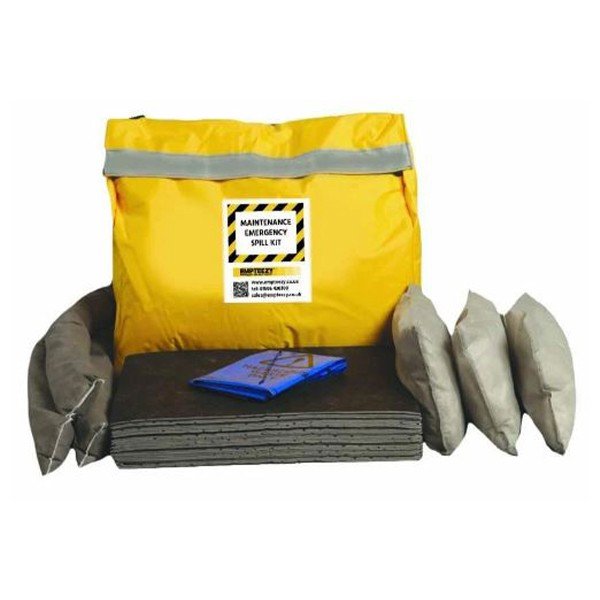
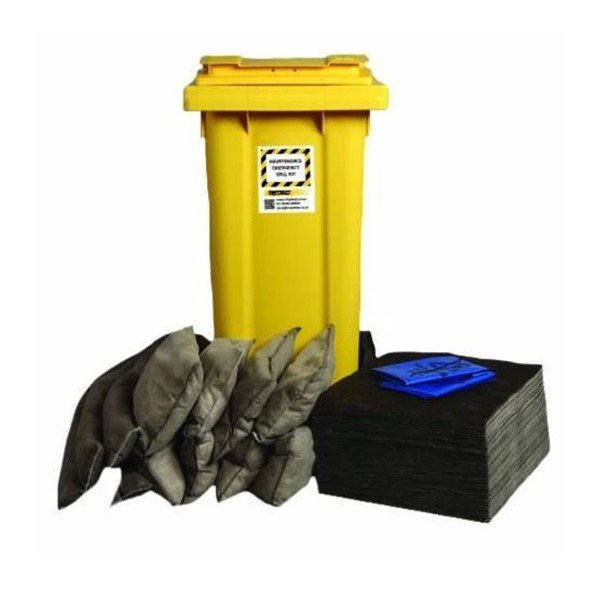
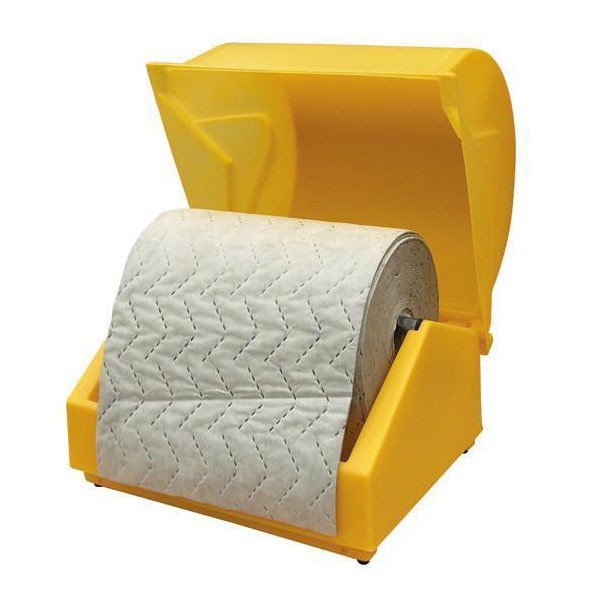
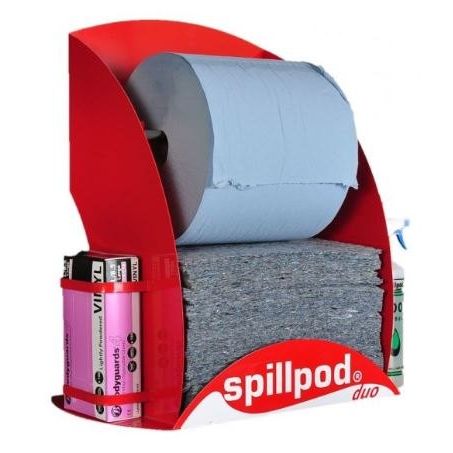
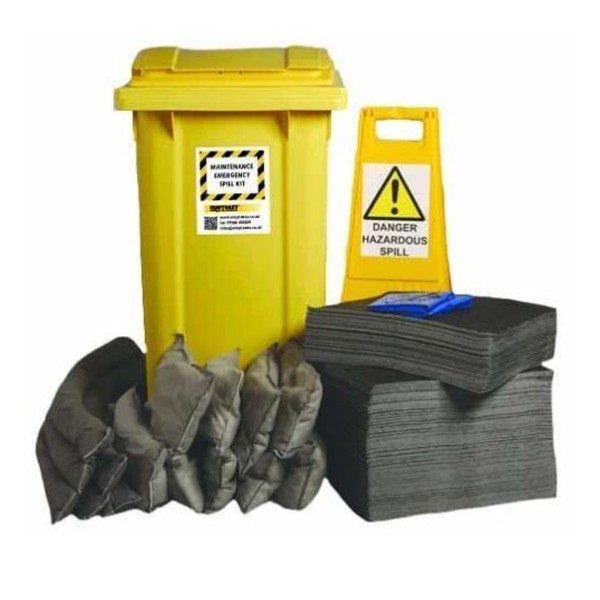
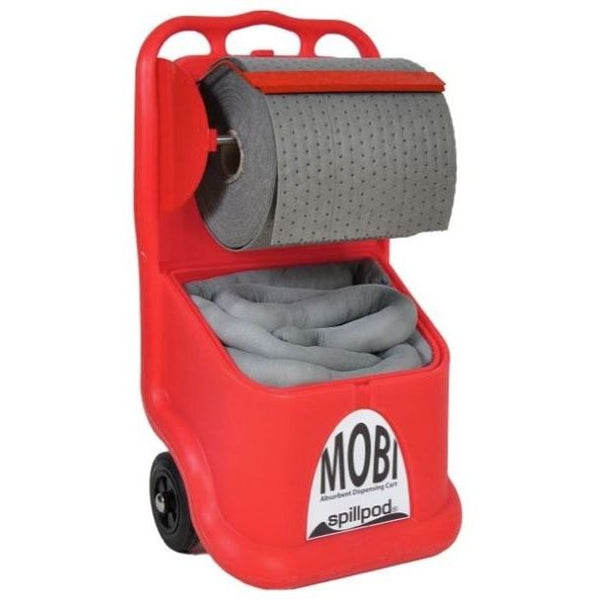
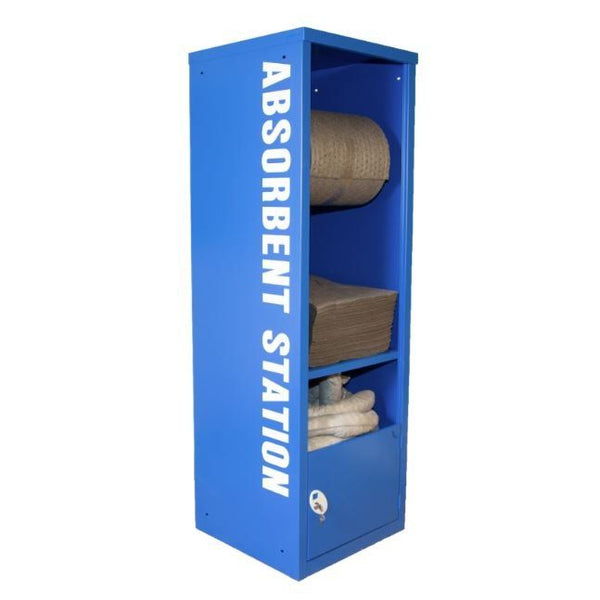
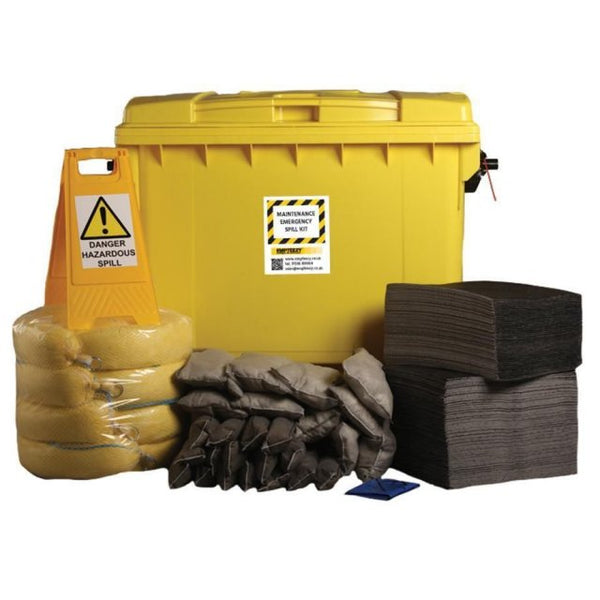
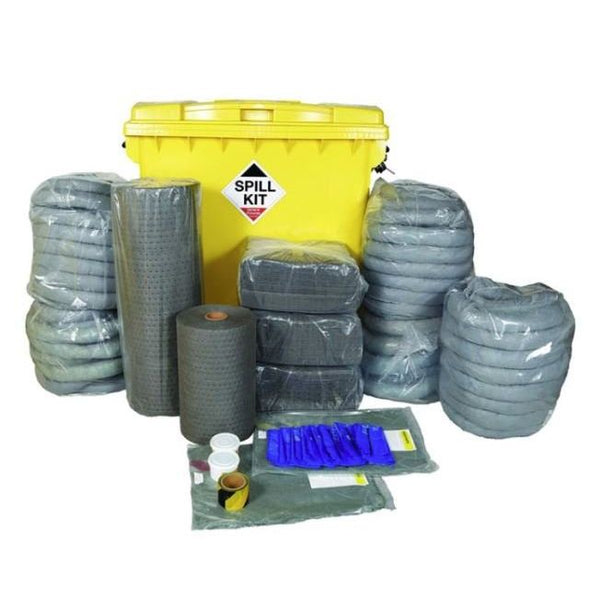
At Fuel Tank Shop, we provide a comprehensive selection of general-purpose spill control and containment equipment to help you maintain a safe and compliant workplace. Our spill control products, including wheeled bins, shoulder packs, storage cabinets, hard carry cases, and refills, are designed to absorb a wide range of liquids, from oils and fuels to water-based fluids, making them versatile for various industrial settings. Our absorbent socks and environmental booms ideal for containing spills around machinery or in outdoor areas, while our environmental cushions offer high absorbency for larger spills, ensuring quick and effective response. These products complement our range of pads, rolls, cushions, and socks, which are tailored for specific spill types, and our universal spill kits, which provide portable all-in-one options for rapid deployment. Our general-purpose spill control equipment prioritises ease of use and reliability, helping you minimise risks and maintain compliance with environmental regulations.
Need help?
General Purpose Spill Control FAQs
What does general purpose absorbent handle?
Almost any liquid — water, coolant, oil, mild chemicals, hydraulic fluid and general workshop fluids. Conventionally grey, and often called maintenance grade.
It is the right choice where the substance is not known in advance or varies, which describes most workshop floors.
When is it the wrong choice?
On spills over water, because it absorbs water as readily as oil and sinks. And on aggressive chemicals, where a chemical-grade absorbent is needed to resist degradation.
For fuel storage and refuelling areas, oil-only absorbents are the correct specification.
Pads, rolls, socks or granules?
Pads suit drips and small spills and are easy to place. Rolls cover walkways and can be cut to length. Socks and booms contain and direct a spill. Granules suit rough or uneven ground where pads cannot make contact.
Most sites need a combination — socks to contain, then pads to recover.
Are granular absorbents a good idea?
They work well on uneven surfaces and are cheap, but they generate considerably more waste volume than pads for the same recovery, and that waste is hazardous.
They also leave a residue that has to be swept, whereas pads lift cleanly. For hard standing, pads are usually the better option.
How much should I keep in stock?
Enough to deal with the largest realistic single spill, plus replacement stock so the kit can be restocked immediately after use. Sites frequently have enough for one incident and nothing for the second.
Consumption also creeps up as absorbents get used for routine cleaning, which is worth managing separately.
Can general purpose absorbents be reused?
Some can be wrung out for water-based liquids, but for anything hazardous, single use and correct disposal is the appropriate route.
Once an absorbent has taken up oil or chemicals it is hazardous waste and must be handled accordingly.