SKU · ZVA.STD2ESBC
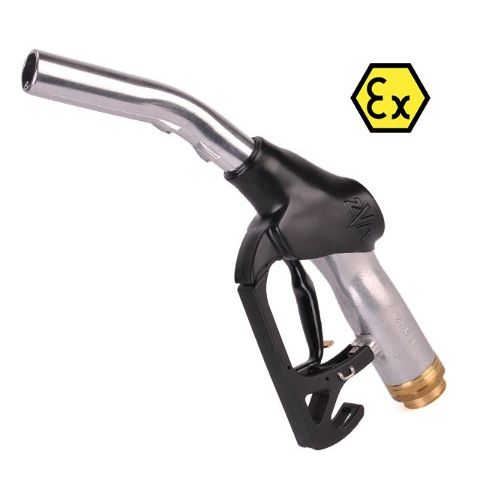
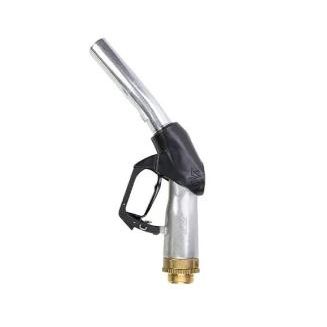
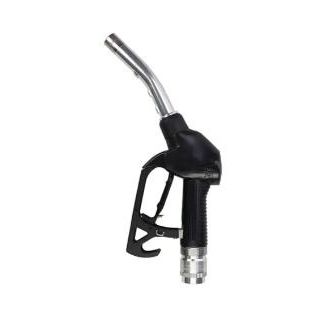
ZVA Slimline 2 Automatic Nozzle Standard Speed With Safety Break Swivel & Magnet
£441.65£529.98
Not sure which tank you need?
Tell us your property, fuel type and typical annual use — one of our engineers will spec the right tank for you in 24 hours.
Sizing, regulations, installation. Our team has been answering these questions for 28 years.
A good diesel fuel nozzle ensures the safe and efficient transfer of fuel, keeping both you and your equipment splatter-free. Whether you're managing a fleet of vehicles or keeping your farm machinery running, a diesel fuel nozzle is a must-have. For basic applications, our automatic shut-off nozzles are a popular choice. These nozzles automatically stop the flow of fuel once the tank is full, preventing overflows and wasted fuel. Manual nozzles offer greater control during refuelling, ideal for situations where you need to fill partially or irregularly shaped tanks. Many of our nozzles are designed for compatibility with specific fuel transfer pumps, so you can find the perfect match for your existing setup. And for convenience, look for nozzles with ergonomic handles for comfortable use, even during extended refuelling sessions.
At Fuel Tanks Shop, we also stock high-quality fuel filter to ensure clean fuel reaches your engine. Our range of reliable diesel pump kits are ideal for efficient and safe fuel transfer. And for those storing fuel long-term, we offer a variety of secure and dependable transportable diesel tanks to keep your fuel clean and protected.
A manual nozzle dispenses for as long as the lever is held and relies entirely on the operator to stop. An automatic nozzle has a venturi sensing system that shuts off when the fill neck floods, preventing overfill.
Automatic nozzles are standard on fixed installations and anywhere fuel is dispensed into vehicle tanks. Manual nozzles suit controlled decanting into open containers where the auto mechanism would trip constantly.
No. AdBlue is a urea solution that corrodes the brass and aluminium used in most fuel nozzles, and any hydrocarbon residue left in a fuel nozzle will contaminate the AdBlue and can damage the vehicle's SCR system.
AdBlue requires dedicated stainless steel and plastic-bodied nozzles, and equipment must be kept strictly separate from fuel equipment.
Match the nozzle to the pump and the application. Standard automotive nozzles handle roughly 40 to 80 litres per minute, which suits cars, vans and light plant. High-flow nozzles handle 120 litres per minute and above for HGVs and bulk transfer.
A high-flow nozzle on a low-flow pump gains nothing; a low-flow nozzle on a high-flow pump becomes the bottleneck and can cause premature auto shut-off.
Usually the sensing port at the tip is blocked, or the nozzle is inserted at an angle that lets fuel splash back over the sensor. It can also be caused by too high a flow rate for the fill neck, or a restricted vent on the receiving tank.
Check the sensing hole first — it is a small aperture near the spout tip and blocks easily with debris.
For petrol and other Class 1 flammable liquids, yes — static discharge is a genuine ignition risk and bonded, earthed dispensing equipment is essential. For diesel, static risk is much lower but earthing is still good practice on high-flow transfer.
Where earthing is required, the whole path must be continuous: nozzle, hose, pump and tank.
Replace when the auto shut-off becomes unreliable, when the swivel or spout leaks, or when the body shows corrosion or impact damage. Dropped nozzles are a common cause of internal damage that is not visible externally.
A nozzle that fails to shut off is an overfill and pollution risk, so it is not a component worth nursing along.