
- SKU · HYD.PKITH
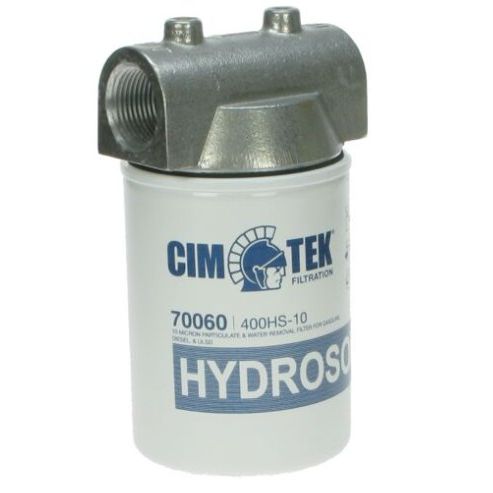
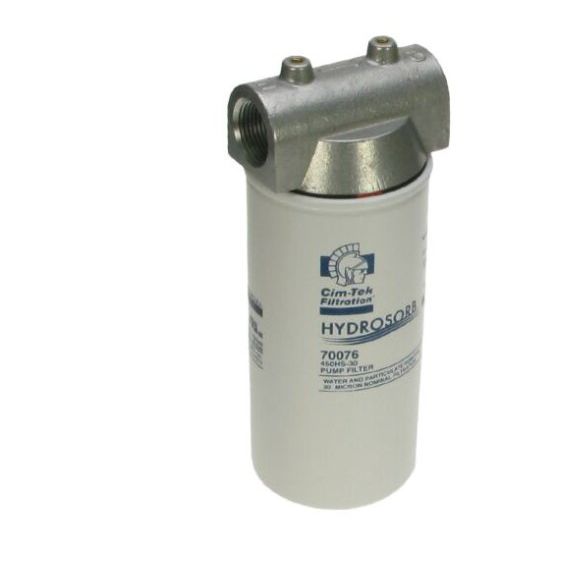
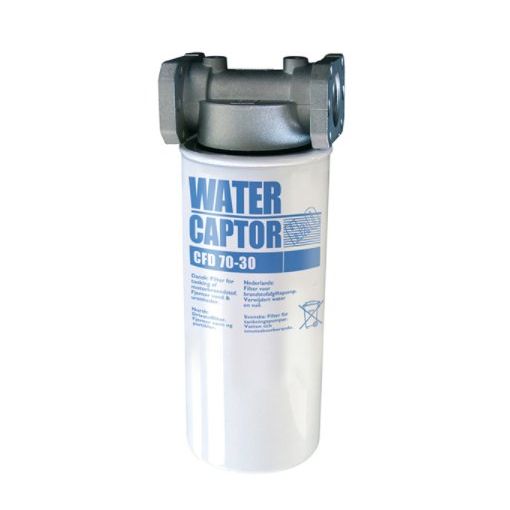
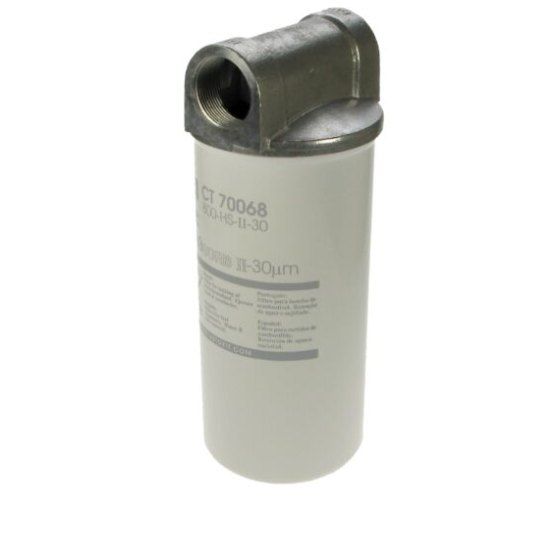
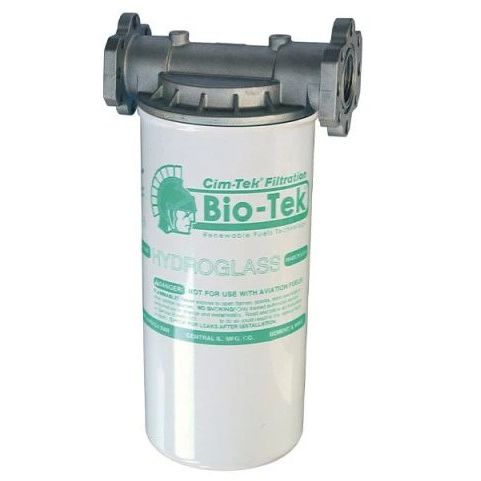
Cim-Tek High Capacity Water & Particle Fuel Filter 120lpm - 30 Micron
£102.75£123.30 - SKU · HYD.PKITH10
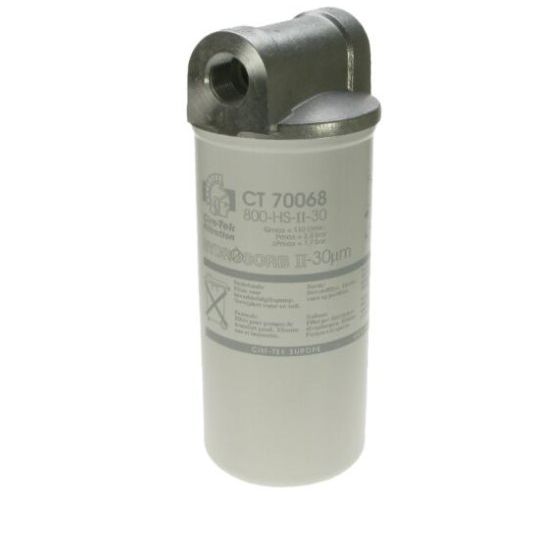
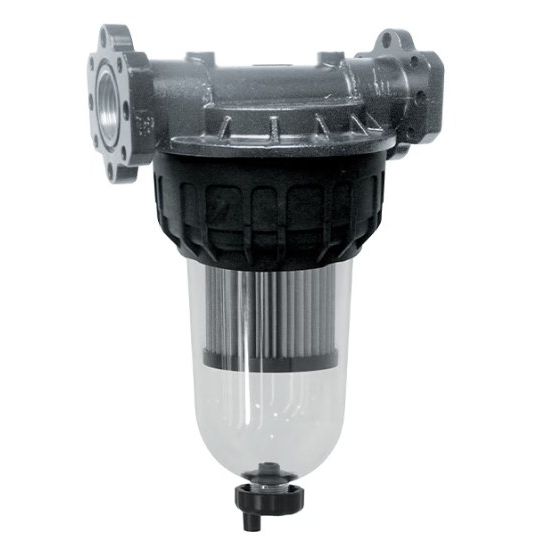
Cim-Tek High Capacity Water & Particle Fuel Filter 120lpm - 10 Micron
£103.85£124.62 -
Get a spec →
Not sure which tank you need?
Tell us your property, fuel type and typical annual use — one of our engineers will spec the right tank for you in 24 hours.
- SKU · HYD.PKUC
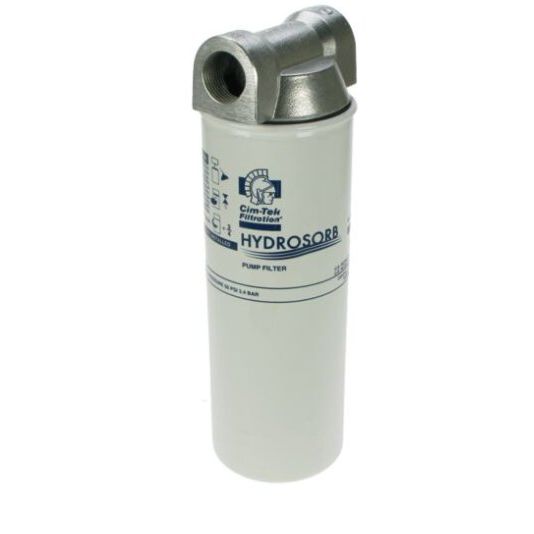
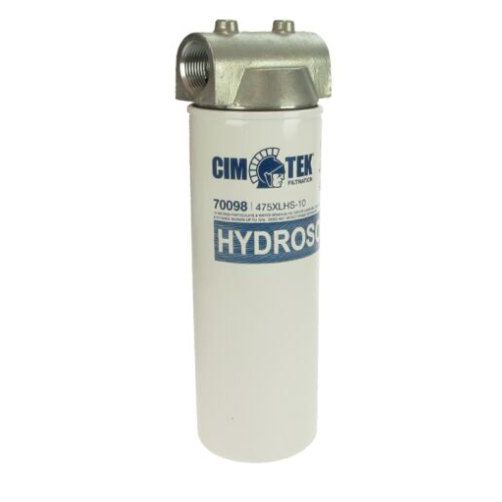
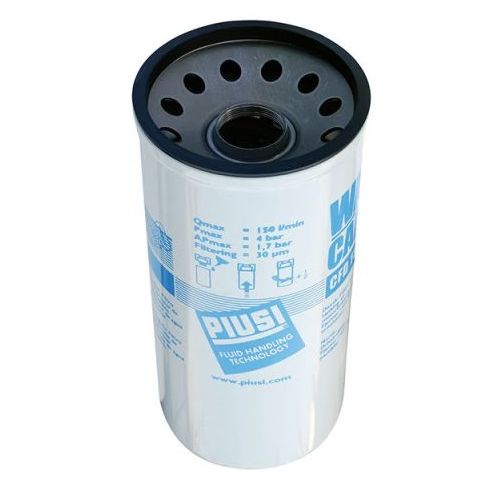
Cim-Tek Ultra High Capacity 150L/Min Filter - Water & Particle - 30 Micron
£157.00£188.40

Need help choosing?
Talk to a specialist.
Sizing, regulations, installation. Our team has been answering these questions for 28 years.
Phone
01643 704328Mon–Fri 8am–6pm
WhatsApp
Message usTap to open WhatsApp
Email
sales@fueltankshop.co.ukReply within 2 hoursAbout + buying guide
Choosing the right Fuel Filters
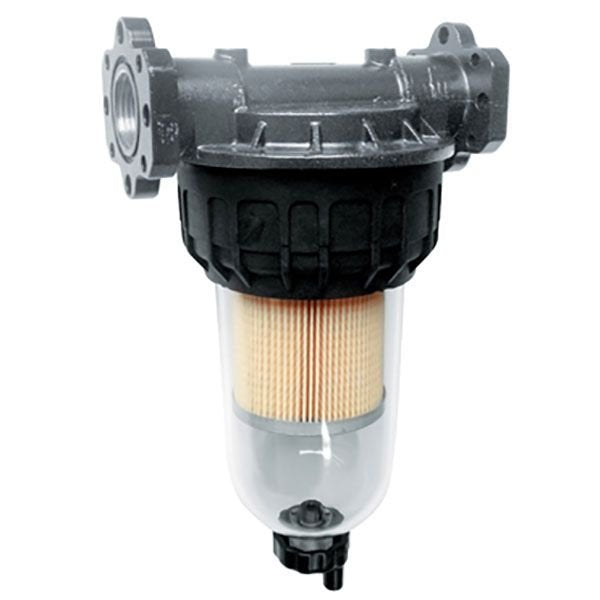
Diesel fuel filters protect your engine from dirt, debris, and water contamination, keeping it running smoothly and efficiently. Contaminated diesel fuel can cause big problems for engines, leading to decreased performance, costly repairs, and even breakdowns. For on-road vehicles, replaceable spin-on filters are common and easy to install during routine maintenance. Larger, off-road machinery might use heavy-duty filters with replaceable filter elements, offering longer lifespans for extended operation. Many of our filters come with water drains, allowing you to remove any accumulated moisture that can also harm your engine.
Consider pairing your new filter with a high-quality diesel pump kit for clean and efficient fuel transfer. We also offer a range of secure and reliable transportable diesel tanks to keep your fuel clean and free from contamination. And for those powering their operations with generators, we offer a variety of diesel generator tanks designed for seamless integration with your generator setup.
If you require any more information about diesel pump, please click here
Need help?
Fuel Filters FAQs
What do fuel filters actually remove?
Particulate filters remove dirt, rust and debris. Water-absorbing filters remove free and emulsified water. Some combination units do both, and coalescing filters separate water for draining.
Water is the more damaging contaminant in modern diesel — it corrodes injection components and supports the microbial growth known as diesel bug.
What micron rating do I need?
For dispensing into modern common-rail diesel engines, 10 micron or finer is usual; 30 micron is often used on bulk transfer where flow matters more than final cleanliness. High-pressure injection systems are intolerant of particulates.
Finer filtration restricts flow, so match the filter and housing to the pump's rated flow or dispensing slows noticeably.
How often should filters be changed?
By pressure differential or flow rate rather than by calendar. A noticeable drop in dispensing speed usually means the element is loading up. Many sites change annually as a baseline and more often if fuel quality is poor.
Filters on tanks that have been allowed to run low are worth checking more often, since drawing from the bottom pulls up sediment and water.
Will a filter fix diesel bug?
No. Filtration removes the water that microbial growth needs and captures some of the biomass, but it does not treat an established infestation. That requires tank cleaning and a biocide treatment.
Filtration and good water management prevent recurrence, which is where they earn their keep.
Do I need a filter if I have a bunded tank with a good lid?
Yes. Water enters stored fuel mainly through condensation as the tank breathes with temperature changes, not through the lid. Even a well-sealed tank accumulates water over time.
Contamination also arrives with the delivery, so filtration on the dispensing side protects the equipment regardless of tank condition.
What is the difference between suction and dispensing filtration?
A suction-side filter protects the pump from debris drawn out of the tank. A dispensing-side filter protects the receiving vehicle and is the final barrier before fuel enters the engine.
Ideally both are fitted; if only one, the dispensing-side filter protects the more expensive asset.